Apple deploys advanced box-checking technology to combat retail return fraud

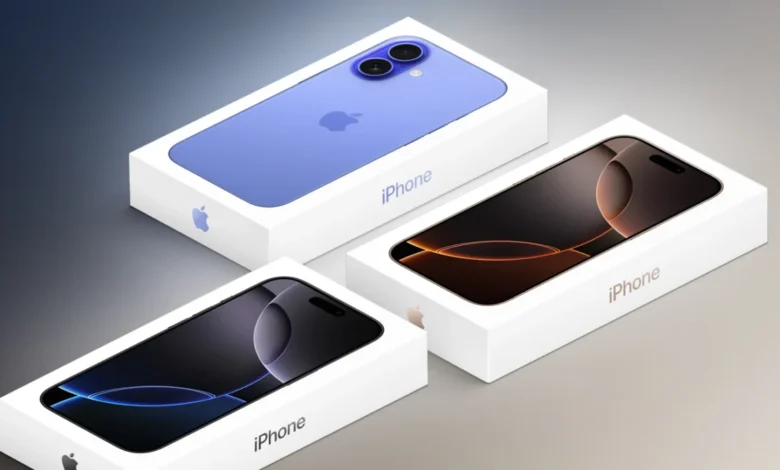
Apple is intensifying its efforts to curb retail fraud as it rolls out a proprietary diagnostic tool designed to verify the contents of sealed iPhone packaging without the need to break the factory seal. The move, reported by Bloomberg’s Mark Gurman in his latest Power On newsletter, comes as the tech giant grapples with an escalating pattern of return-based theft, where individuals purchase high-value devices only to return empty or tampered-with boxes for a full refund.
For years, the standard operating procedure for Apple Store employees handling returns involved a manual inspection of the returned device. Staff would physically open the packaging, inspect the internal components, ensure all accessories were present, and confirm the device itself had not been swapped or gutted. While effective, this process rendered the original factory packaging compromised, forcing the company to re-box or re-categorize the items as "open box" or refurbished, leading to significant inventory inefficiencies and lost margins.
The Evolution of Retail Return Fraud
The retail landscape has faced increasing pressure from sophisticated return fraud tactics. In the context of premium consumer electronics, the margin of error is slim. When a customer returns an iPhone—a product that maintains a high resale value and is easily stripped of its parts—the financial impact of a fraudulent return is substantial.
Reports indicate that bad actors have increasingly utilized "box-stuffing" or "hollow-box" tactics. In these scenarios, a customer purchases a device, removes the hardware, or replaces it with a dummy unit, and then carefully reseals the packaging using professional-grade heat-shrink equipment. Because the retail staff often relies on a cursory visual inspection, these fraudulent returns frequently slip through the cracks, resulting in the store accepting a compromised unit as a pristine, new-in-box product.
This issue is not unique to Apple, but it is magnified by the company’s high-volume retail strategy and the premium price point of its hardware. As the secondary market for smartphone components—such as screens, batteries, and logic boards—continues to thrive, the incentive for organized retail crime rings to exploit return policies has grown.
The Technological Solution: Precision Diagnostics
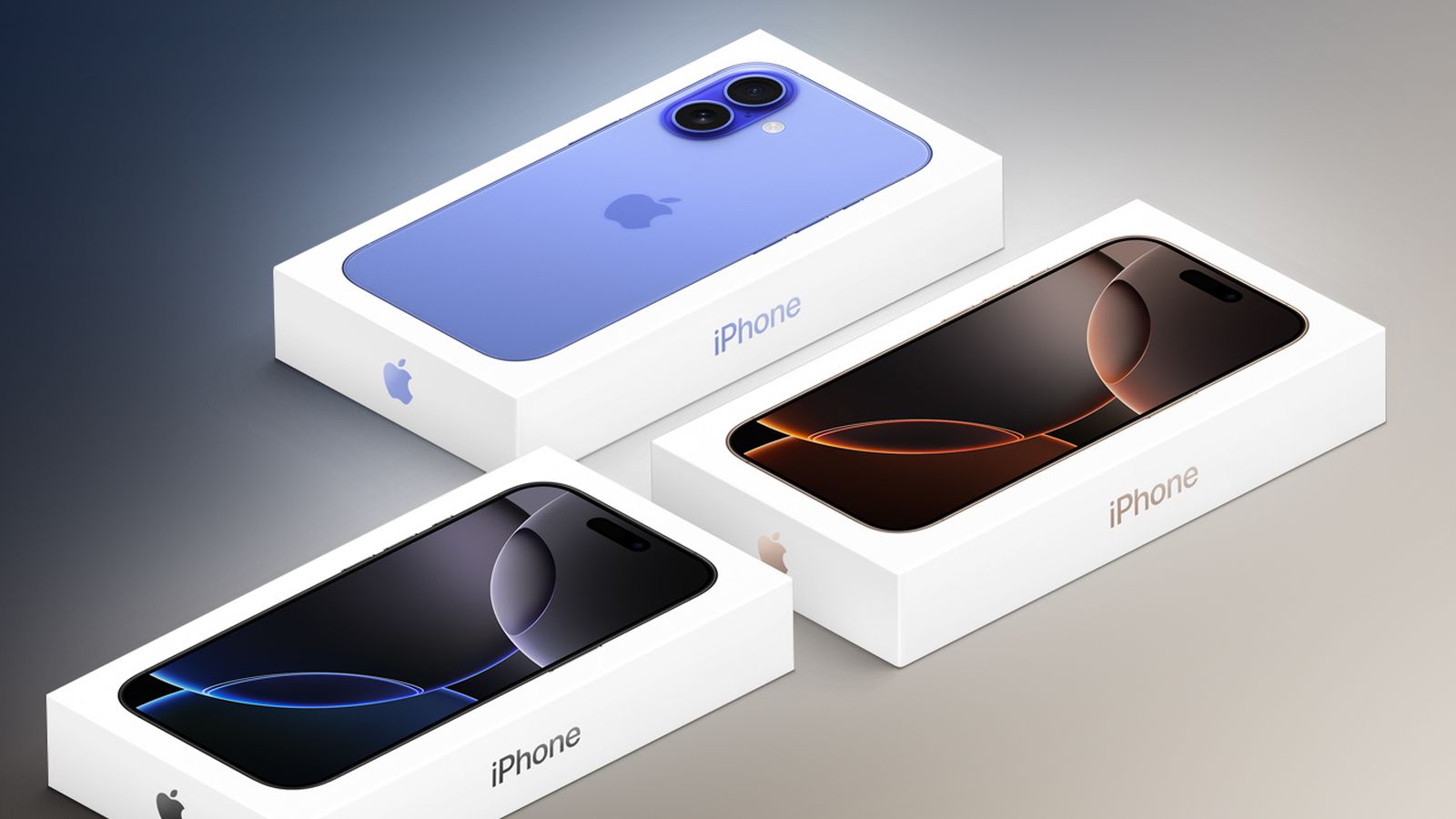
To address this, Apple has begun deploying a specialized diagnostic device to its retail locations worldwide. This new hardware allows employees to place a sealed, unopened iPhone box onto a scanning platform. The device uses advanced radio frequency or electromagnetic sensing—the exact specifications of which remain proprietary—to detect the presence and integrity of the internal components.
By running a wireless diagnostic handshake with the sealed device, the system confirms that the phone inside is the correct model, has not been tampered with, and possesses its full internal battery and core components. If the scan confirms the integrity of the hardware, the box remains sealed, allowing the store to return the unit directly to the "new" inventory shelf. This streamlined process is expected to drastically reduce the volume of inventory downgraded to refurbished status, thereby protecting the company’s bottom line and improving operational flow.
The rollout of this technology began in early October 2026, with major flagship locations being the first to receive the equipment. The initiative is part of a broader push by Apple to modernize its retail operations through automation and increased security oversight.
A Timeline of Apple’s Retail Security Strategy
The implementation of this diagnostic tool is the latest chapter in a long-standing effort to secure the supply chain and point-of-sale experience.
- Pre-2020: Apple relied primarily on manual physical inspections at the Genius Bar and retail counters. While sufficient for lower-cost accessories, the increasing complexity of devices made this method inconsistent.
- 2021–2023: As retail fraud evolved, Apple implemented stricter return policies, including requiring original receipts and proof of purchase, and limiting the window for returns on certain high-demand devices.
- 2024: The company saw a rise in "empty box" return complaints, prompting internal reviews of retail loss-prevention protocols.
- 2025: Apple began experimenting with new, tamper-evident packaging materials, though these proved difficult to maintain at scale.
- October 2026: Official deployment of the proprietary "Box-Checker" diagnostic tool commences across global retail outlets.
Economic and Operational Implications
The financial impact of this shift is twofold. First, it addresses the "shrinkage" of retail inventory. Shrinkage—the loss of inventory due to theft, fraud, or administrative error—is a significant line item for any major retailer. By catching fraudulent returns at the point of entry, Apple preserves the full retail value of its hardware.
Second, the solution improves the customer experience. A return process that takes minutes of manual inspection can now be completed in seconds. For legitimate customers, this means faster processing times and less friction during the return window. For the retail staff, the diagnostic tool removes the ambiguity of verifying hardware, shifting the burden from subjective visual assessment to objective data verification.
However, the move also signals an era of heightened surveillance within the retail environment. As retailers deploy more sophisticated tracking and diagnostic technology, the consumer should expect a more "locked-down" retail experience. This may eventually include mandatory scanning of all electronic devices upon purchase to ensure that the device serial number is cryptographically bound to the specific packaging at the point of sale.
Industry Context: The War on Shrinkage
Apple’s move comes at a time when the broader retail industry is struggling with unprecedented levels of organized theft. Major retailers, including Best Buy and various department stores, have reported that loss prevention has become a top priority for corporate boards.
According to retail industry analysts, the integration of hardware-based verification is the next logical step for brands that manage their own supply chains. Unlike big-box retailers that rely on third-party manufacturers, Apple’s end-to-end control allows it to build these diagnostic bridges between its software ecosystem and its physical packaging.
While critics might point to the potential for technical errors—such as false negatives where a legitimate phone might fail a scan—the consensus among retail security experts is that the benefits of an automated, high-speed verification system far outweigh the costs of initial implementation.
Looking Ahead: Beyond the Box
The deployment of the box-checker tool is likely only the first step in a larger effort to secure the retail lifecycle. There is speculation that Apple is looking to integrate similar NFC-based or RFID-based verification tags into the boxes themselves. These tags could provide a "digital twin" of the device, confirming not just that the box contains a phone, but that the phone’s serial number matches the one registered to that specific box’s transit history.
As Apple continues to expand its retail footprint and introduces more complex, high-value smart home products—such as the rumored smart hub with an iMac G4-style design—the need for robust, automated verification will only grow. The company’s ability to protect its inventory without infringing upon the speed and elegance of its retail environment remains a critical competitive advantage.
For now, the focus remains on the iPhone, the company’s most significant revenue driver. By taking the guesswork out of the return desk, Apple is reinforcing its retail strategy to be as polished and efficient as the devices it sells. While the "Box-Checker" is currently an internal retail tool, its success or failure in the coming months will likely determine the future of how high-end electronics are returned, resold, and protected in a global market that remains increasingly hostile to traditional retail theft.
Related posts: