The Digital Imperative: A Shifting Landscape for Financial Services
The banking sector, traditionally perceived as conservative and slow to adopt new technologies, has undergone a profound digital transformation in recent years. This evolution is largely driven by changing demographics and consumer expectations. Younger generations, particularly Gen Z and millennials, are digital natives who instinctively turn to online platforms for a wide array of services, including financial guidance. This seismic shift mandates that banks not only exist online but thrive there, transforming their digital presence from mere visibility to a strategic engine for growth and trust-building.

From Skepticism to Strategy: The Evolution of Banking on Social Media
Historically, banks approached social media with caution, primarily due to stringent regulatory environments and concerns over data security and reputational risk. Early forays were often limited to basic brand pages or customer service channels. However, the sheer ubiquity of social platforms, coupled with their growing influence on consumer decisions, has compelled a strategic re-evaluation. What began as an experimental channel has evolved into a core component of integrated marketing and customer engagement strategies. This progression reflects a broader trend of digital convergence, where financial services are increasingly interwoven with daily digital life, demanding a proactive and sophisticated social media approach.
The New Financial Classroom: Social Media as a Primary Information Source

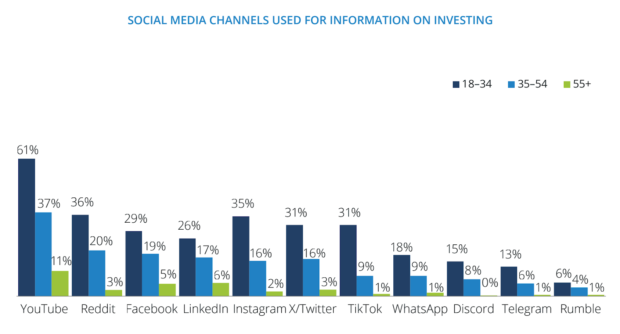
Social media platforms have emerged as a significant, if sometimes unconventional, source of financial information and advice. Research from the FINRA Foundation highlights this trend, indicating that approximately 29% of investors leverage social media and message boards to gather ideas for investment decisions. Platforms such as YouTube, Reddit, Facebook, and LinkedIn are particularly popular for this purpose, serving as digital forums where individuals seek everything from market insights to personal finance tips.
This shift presents both immense opportunity and considerable responsibility for financial institutions. While audiences are actively seeking financial education and guidance online, the digital realm is also prone to misinformation. Trust, a cornerstone of the banking industry, is exceptionally fragile in this environment. Therefore, it is paramount for banks to deliver clear, accurate, and transparent information, adhering strictly to regulatory guidelines to maintain credibility and safeguard their brand reputation. The rise of "finfluencers" – financial influencers – further underscores this trend. A recent Gallup poll revealed that 42% of Americans aged 18 to 29 rely on social media for financial advice, with 61% of investors under 35 having acted on recommendations from these digital personalities. These finfluencers often succeed by delivering complex financial concepts in bite-sized, relatable, and engaging video formats, offering a valuable lesson for banks seeking to connect with younger demographics.
Strategic Engagement: Platforms and Content That Resonate
The efficacy of a bank’s social media strategy hinges on its ability to align platform selection and content creation with its target audience and overarching business objectives. A "one-size-fits-all" approach is insufficient; instead, data-driven audience research should dictate platform investment. As Leen Li, Chair of the Wealthsimple Foundation, aptly states, "You can have the best product and content, but if you can’t distribute to your audience on the proper platform, you’re not going to hit your goal."
Tailoring Presence: Selecting the Right Social Channels
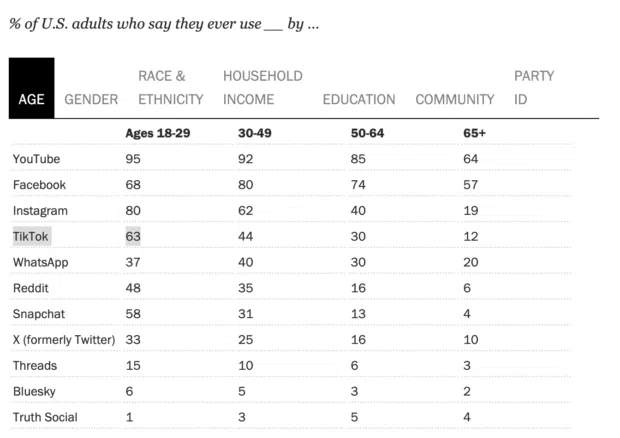
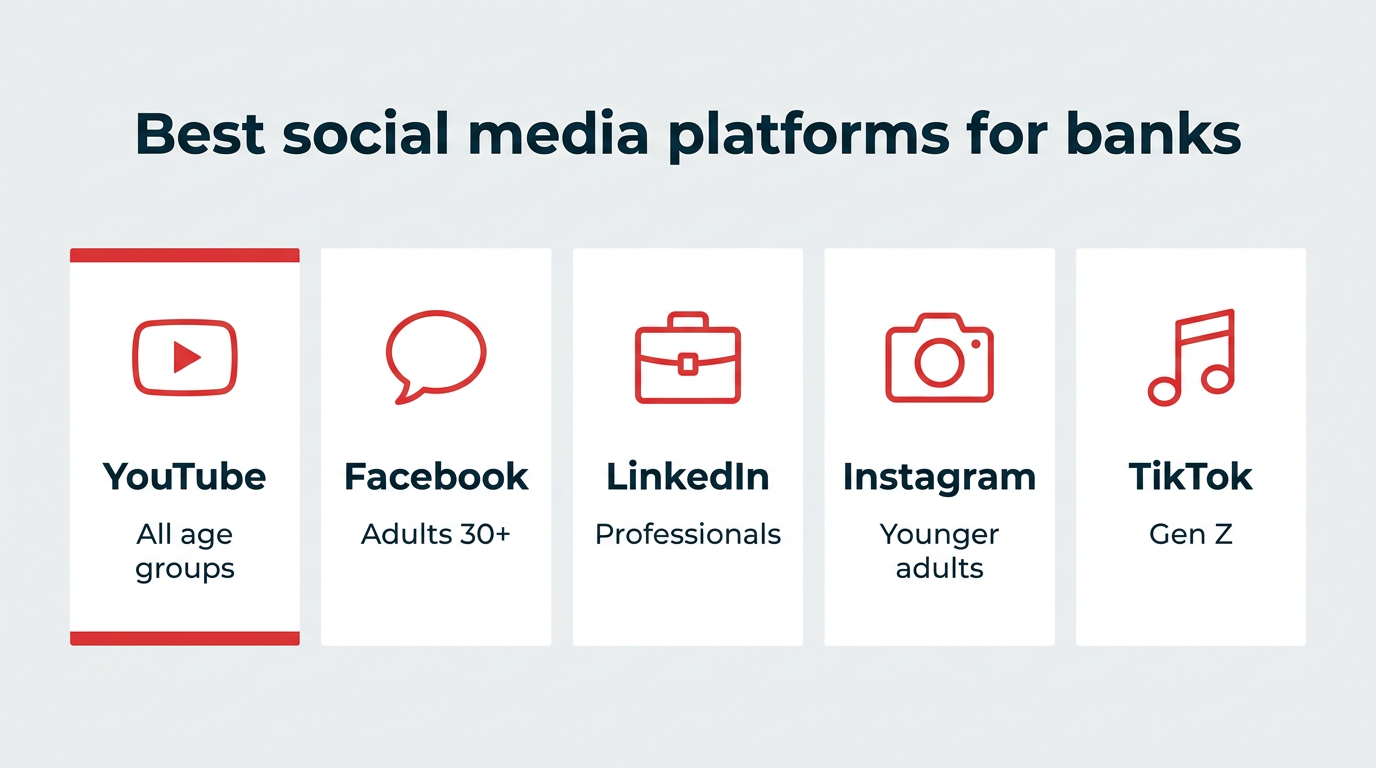
Data from the Pew Research Center illustrates the diverse reach of major social platforms. YouTube boasts the broadest appeal across all age groups, with 95% of adults aged 18-29 utilizing it, making it a robust foundational platform for most banks. Facebook retains a strong reach among adults aged 30 and above, offering avenues for community engagement and updates. For younger demographics, particularly Gen Z, who prefer concise financial videos over traditional advisory appointments, platforms like TikTok and Instagram represent crucial investment areas.

Here’s a strategic breakdown of key platforms for banks:
- YouTube: Ideal for broad reach and in-depth financial education. Best for long-form video content, webinars, and detailed explainers on topics like mortgage processes, investment strategies, or retirement planning.
- Facebook: Excellent for local engagement and connecting with older customer segments. Suited for community posts, bank updates, event promotions, and linking to blog articles.
- LinkedIn: The professional networking hub, perfect for thought leadership, B2B engagement, and recruitment. Banks can share industry insights, employee success stories, and career opportunities.
- Instagram: A visual platform catering to younger adults. Best for Reels, carousels, and Stories focused on financial literacy tips, behind-the-scenes content, and showcasing brand personality.
- TikTok: Dominant among Gen Z and younger millennials. Specializes in short-form video, offering an opportunity to deliver engaging finfluencer-style content for financial education and brand awareness.
The objective is not omnipresence, but rather strategic presence – engaging where the audience naturally congregates, with content tailored to their preferred consumption styles.
Beyond Promotion: Cultivating Trust Through Content
Effective social media content for banks transcends mere product promotion. It primarily aims to educate, build trust, and reveal the human element of the institution. This content mix is vital for fostering sustained audience engagement and providing compelling reasons for individuals to entrust their finances to the bank. The success of finfluencers underscores the power of leading with education and personality rather than overt sales pitches. Banks can adopt this approach by creating bite-sized videos, informative carousels, and engaging threads that demystify financial concepts.
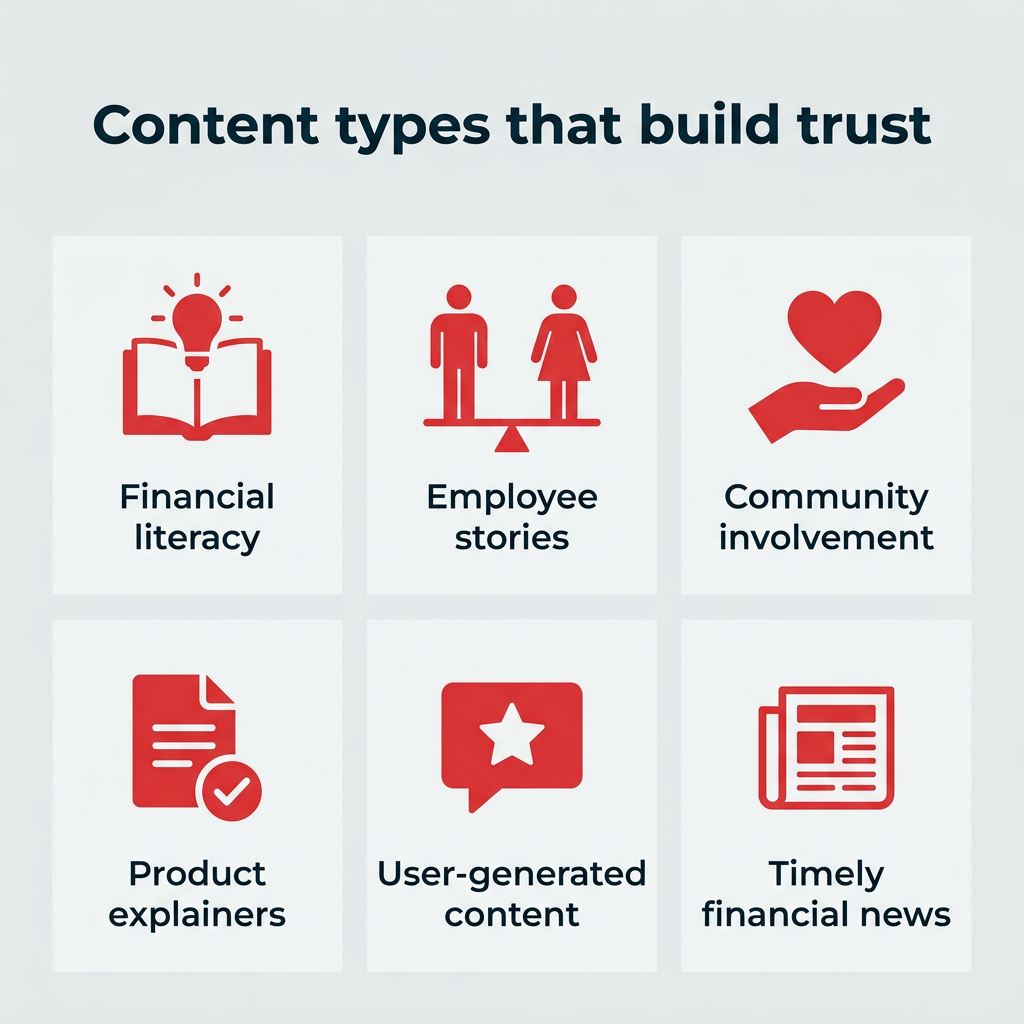
Content types that excel in building trust include:
- Educational Content: Practical financial tips, explainers on banking products, budgeting advice, investment basics, and fraud prevention.
- Employee Spotlights: Showcasing the diverse team behind the bank, sharing their stories, expertise, and commitment to community.
- Community Involvement: Highlighting charitable initiatives, sponsorships, and local events the bank participates in.
- Customer Testimonials and Success Stories: Authentic narratives from satisfied clients, demonstrating real-world impact.
- Behind-the-Scenes Content: A glimpse into the bank’s operations, culture, and values, fostering transparency.
User-generated content (UGC) also plays a pivotal role in building trust and authenticity. Securian Financial’s #LifeBalanceRemix campaign, for example, successfully leveraged UGC to boost community engagement. This campaign achieved a 5.6% engagement rate, reached 12.8 million impressions, and generated 10,000 unique mentions, demonstrating the profound impact of authentic customer participation.
Navigating the Regulatory Maze: Compliance and Risk Management
For financial institutions, social media engagement is inextricably linked with robust compliance and risk management. Operating in a highly regulated industry means that any social media initiative must meticulously adhere to a complex web of rules to avoid severe legal and financial repercussions, as well as significant reputational damage.
The Regulatory Framework: FINRA, SEC, FDIC, and OCC
Several key regulatory bodies dictate the parameters within which banks can operate on social media:
- FINRA (Financial Industry Regulatory Authority): Primarily governs investment-related communications, requiring strict adherence to rules on content accuracy, fair balance, and record-keeping for broker-dealers.
- SEC (U.S. Securities and Exchange Commission): Oversees investment advisors and public companies, with guidelines on disclosures, material non-public information, and the use of testimonials.
- FDIC (Federal Deposit Insurance Corporation): Sets expectations for insured depository institutions regarding advertising, consumer protection, and truth in lending.
- OCC (Office of the Comptroller of the Currency): Supervises national banks and federal savings associations, ensuring compliance with consumer protection laws and prudent risk management practices in digital activities.
Violations, such as sharing unauthorized customer information, making unsubstantiated claims, or failing to archive communications, can lead to substantial penalties and erosion of public trust.
Mitigating Digital Risks: Cybersecurity and Crisis Preparedness

Beyond regulatory compliance, banks face significant cybersecurity threats on social media. Unauthorized profiles, phishing attempts, and malicious content can expose sensitive customer data and compromise system integrity. Financial technology service provider SIX, which manages services for 130 banks in Switzerland, exemplifies the critical need for proactive cybersecurity. By implementing automated measures, partly powered by Hootsuite’s Vigil and Lumen, SIX successfully identified and addressed 99.9% of all malicious content and 100% of unauthorized profiles, significantly reducing potential threats and saving countless hours in manual monitoring.
Furthermore, banks must develop comprehensive crisis communication plans specifically tailored for social media. A single mishandled comment, a viral complaint, or the spread of misinformation can rapidly escalate, causing immense reputational harm. A robust crisis plan involves:
- Identifying potential risks: Anticipating scenarios like data breach rumors, service outages, or public criticism.
- Assigning roles and responsibilities: Clearly defining who monitors, approves, and responds to crises.
- Establishing monitoring protocols: Utilizing social listening tools to detect early warning signs.
- Developing pre-approved response templates: Ensuring consistent and compliant messaging during emergencies.
- Conducting regular drills and reviews: Practicing crisis scenarios and refining the plan based on lessons learned.
Internal Alignment: Empowering and Educating Employees

A critical component of a compliant social media strategy is the comprehensive education and empowerment of internal teams. Employees, often the most authentic voices of an organization, can be powerful brand ambassadors if equipped with the right knowledge and tools. An initial social media audit is often the starting point. Global insurance giant MAPFRE, for instance, discovered over 80 official social media pages, which, once consolidated using platforms like Hootsuite, led to a 10% boost in overall presence and a 100% increase in leads from social media.
Following an audit, robust social media governance policies are essential. These policies outline the rules of engagement for all employees, covering content types, approval workflows, disclosure requirements, and appropriate responses. Involvement from the Chief Information Officer and Chief Risk Officer is crucial in drafting these policies to ensure alignment with broader security and compliance frameworks. Tools like Hootsuite’s Parliament, an employee advocacy platform, enable content administrators to push a steady stream of pre-approved, compliant content that employees can share on their personal social accounts. This not only extends the bank’s reach but significantly mitigates risk by ensuring all shared content adheres to brand guidelines and regulatory requirements. Julius Baer, a leading Swiss private banking group, leveraged Parliament to empower its employees, resulting in a 200% increase in content shares and a 20% growth in employee networks, thereby amplifying brand reputation and reach.
Measuring Impact and Adapting for Future Growth

Effective social media management in banking is an iterative process that requires constant measurement, analysis, and adaptation. By tracking the right metrics and leveraging appropriate tools, banks can continuously refine their strategies to maximize impact and ensure sustained compliance.
Integrating Social into the Broader Marketing Ecosystem
For younger generations of investors (18-34), social media is rarely the sole source of financial information; it is part of a broader digital ecosystem. Therefore, banks must connect their social media efforts to their wider marketing strategy. This involves creating a cohesive network of digital information, linking social posts back to comprehensive blog articles, and directing users to vetted resources on the bank’s website. Calls to action like "click the link in our bio" become crucial touchpoints in the customer journey. Platforms like Hootsuite Social OS facilitate this integration by connecting social data with broader marketing stacks, including CRM systems like Salesforce and analytics platforms like Adobe, ensuring seamless information flow and unified customer experiences.

Key Performance Indicators: Defining Success in Digital Banking
To gauge the effectiveness of social media initiatives, banks must focus on Key Performance Indicators (KPIs) that directly align with their business goals. Essential metrics include:
- Engagement Rate: Measures how actively users interact with content (likes, comments, shares), indicating content resonance and community health.
- Reach and Impressions: Quantifies the number of unique users exposed to content and the total times content was displayed, reflecting brand visibility.
- Website Traffic from Social: Tracks the volume of users directed from social media to the bank’s website, indicating lead generation potential.
- Conversion Rate: Measures the percentage of social media users who complete a desired action, such as signing up for a newsletter, opening an account, or downloading a resource.
- Sentiment Analysis: Evaluates the tone of social conversations about the bank (positive, negative, neutral), crucial for reputation management.
- Customer Lifetime Value (CLTV): Over time, assessing the long-term value of customers acquired through social media channels.
Leveraging Technology: Tools for Effective Social Media Management

The complexity of managing social media for a regulated industry necessitates specialized tools. Hootsuite Social OS is designed to help financial institutions manage scheduling, reporting, and compliant content creation from a unified dashboard. Beyond comprehensive social media management platforms, other vital tools include:
- Social Listening Tools: To monitor brand mentions, industry trends, and competitive activity in real-time.
- Content Approval Workflows: Integrated systems to ensure all content is vetted by compliance teams before publication.
- Archiving Solutions: To meet regulatory requirements for retaining records of all social media communications.
- CRM Integrations: To connect social customer interactions with broader customer relationship management efforts.
Regularly reviewing these metrics through analytics dashboards and adapting the strategy accordingly is paramount. If certain content types consistently outperform others, the strategy should lean into those successes. Conversely, a drop in engagement signals a need to reassess and adjust the approach. Data-driven insights are the most reliable compass for optimizing social media budgets and achieving superior results while strictly adhering to compliance standards.
In conclusion, social media has transitioned from an optional add-on to an indispensable pillar of modern banking strategy. By embracing digital channels for education, fostering trust, meticulously managing compliance, and strategically engaging with diverse audiences, financial institutions can not only meet evolving consumer demands but also unlock new avenues for growth and solidify their position as trusted partners in the digital financial landscape. The future of banking is inherently social, and preparedness for this reality is no longer negotiable.
Related posts: