Apple Announces Major Expansion of Tap to Pay on iPhone Across Eight Latin American Nations

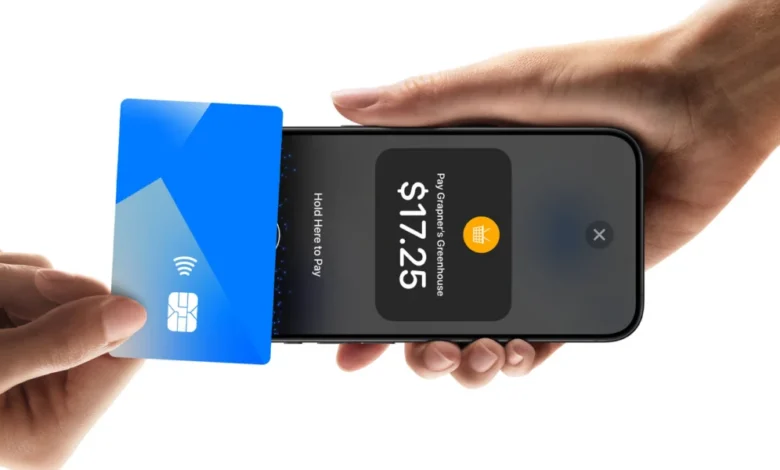
Apple has officially announced the rollout of Tap to Pay on iPhone across eight additional countries in Latin America, significantly broadening the geographical footprint of its proprietary mobile payment acceptance technology. According to an update published in the Apple Latin America and the Caribbean Newsroom, the service is now available to merchants and businesses in Argentina, Colombia, Costa Rica, the Dominican Republic, Guatemala, Honduras, Panama, and Peru. This latest regional expansion marks another milestone for the Cupertino-based tech giant as it continues to scale enterprise-grade financial tools for small businesses, independent contractors, and large-scale retailers alike, entirely eliminating the dependency on traditional point-of-sale (POS) hardware.
How Tap to Pay on iPhone Transforms Modern Retail
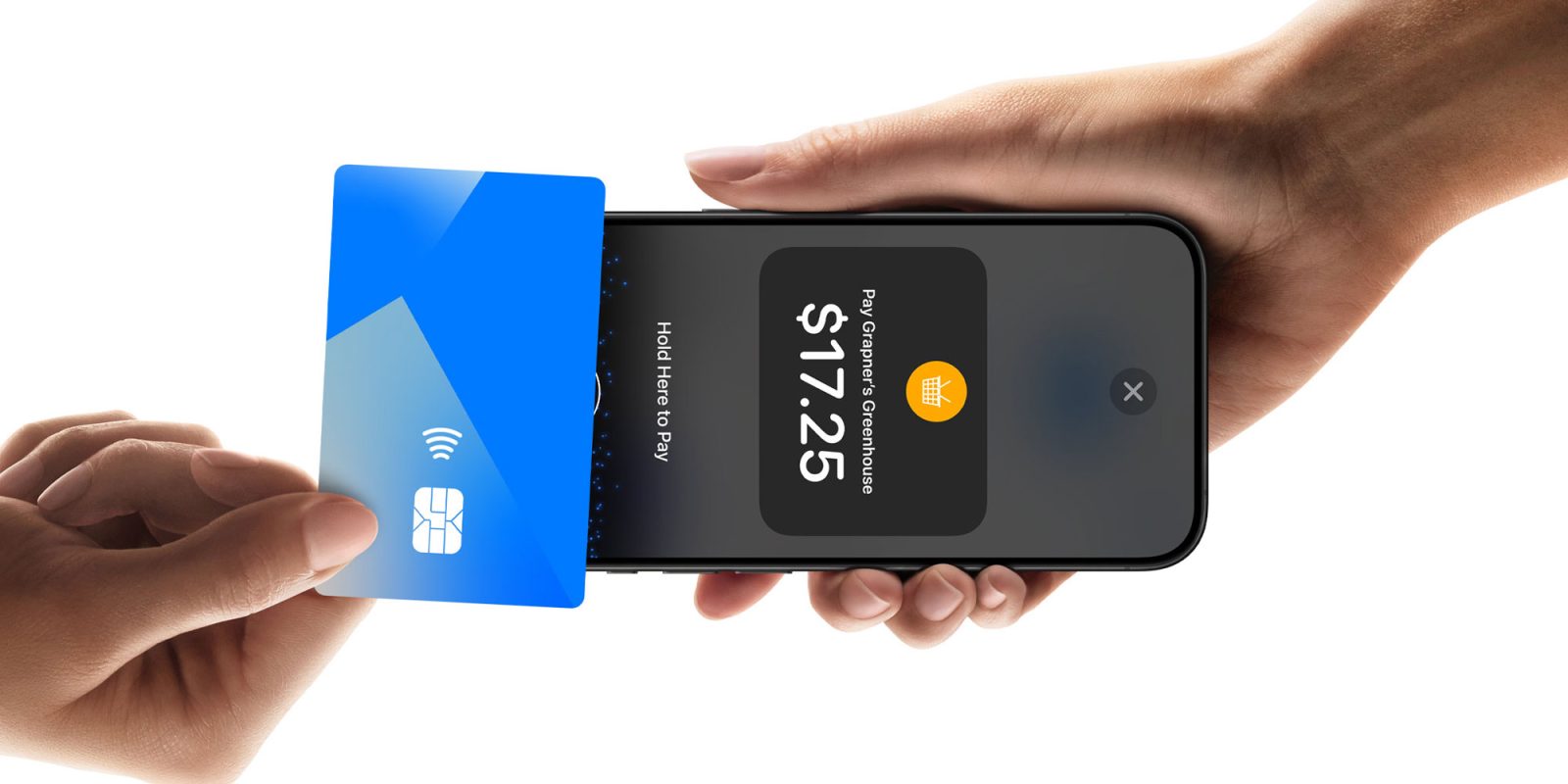
Tap to Pay on iPhone empowers merchants to seamlessly and securely accept contactless payments directly on a compatible iPhone model. By leveraging the built-in hardware and software capabilities of the device alongside supported third-party payment applications, businesses can process transactions originating from contactless credit cards, debit cards, and other digital wallets such as Apple Pay.
Traditionally, accepting in-person card payments required merchants to invest in dedicated card-reading hardware, establish long-term contracts with payment service providers (PSPs), and manage additional peripheral devices. Tap to Pay on iPhone streamlines this workflow by turning the iPhone into a fully functional payment terminal. Utilizing near-field communication (NFC) technology, the system ensures that transactions are completed securely without requiring any extra hardware, dongles, or physical card readers.
Furthermore, Apple emphasizes that consumer privacy and data security remain paramount. Payment card data processed through Tap to Pay on iPhone is protected by the security architecture of the Secure Element—the same hardware-based chip that secures Apple Pay. Apple does not store card numbers or transaction information on the device or on Apple servers, ensuring that neither Apple nor the merchant has access to sensitive financial credentials. The service supports contactless debit and credit cards issued by major global payment networks, including American Express, Mastercard, and Visa, ensuring broad compatibility for international and domestic shoppers across the newly added Latin American markets.
A Chronological History of Tap to Pay on iPhone
The journey of Tap to Pay on iPhone began several years ago as a disruptive alternative to traditional mobile payment dongles. Understanding the evolution of the feature provides vital context for its current international scaling strategy.
- February 8, 2022: Apple officially unveiled Tap to Pay on iPhone, positioning it as a revolutionary tool for millions of merchants across the United States. Stripe was announced as the inaugural payment platform partner to integrate the capability into its software ecosystem.
- May 2023: Following its domestic launch, Apple began its international rollout, bringing the service to Taiwan as the first overseas region to adopt the technology.
- 2023–2024: Apple steadily accelerated its global deployment strategy, expanding Tap to Pay on iPhone to major international markets including the United Kingdom, Australia, Canada, France, Italy, Japan, Brazil, Ukraine, and several other European and Asia-Pacific territories.
- September 2026: Apple executes its most recent multi-country regional launch, introducing Tap to Pay on iPhone simultaneously across eight Latin American and Caribbean nations, bringing the total number of supported countries and regions to 59 worldwide.
This steady acceleration highlights Apple’s strategic focus on transforming its hardware ecosystem into an indispensable financial infrastructure for global commerce.
Broadening Economic Inclusion in Latin America
The introduction of Tap to Pay on iPhone to Argentina, Colombia, Costa Rica, the Dominican Republic, Guatemala, Honduras, Panama, and Peru carries profound economic implications for the region. Latin America has historically experienced high reliance on cash transactions, alongside significant structural barriers for small- and medium-sized enterprises (SMEs) seeking to adopt digital payment infrastructure due to the high costs associated with acquiring traditional POS hardware.

By removing hardware acquisition costs, Tap to Pay on iPhone lowers the barrier to entry for micro-merchants, street vendors, delivery services, and independent professionals who previously could not justify the expense of a dedicated card terminal. This democratization of payment acceptance facilitates greater integration into the formal digital economy, potentially boosting sales volumes for local businesses that can now cater to tourists and domestic consumers who prefer cashless transactions.
Financial analysts note that the proliferation of software-based payment terminals aligns with broader macroeconomic shifts toward digital financial inclusion across developing markets. Smartphone penetration rates in Latin America have grown exponentially over the past decade, making device-centric solutions like Tap to Pay an exceptionally efficient mechanism for upgrading commercial infrastructure without capital-intensive hardware deployments.
Ecosystem Integration and Payment Platform Partnerships
Apple’s deployment model relies heavily on partnerships with established regional and international payment service providers (PSPs) and software developers. Rather than operating as a direct merchant acquirer, Apple provides the foundational application programming interfaces (APIs) and hardware security architecture. Third-party payment platforms integrate these tools into their own business applications, enabling merchants to manage sales, inventory, and payment processing within a unified software environment.
In connection with today’s announcement, six major payment platforms across the region are rolling out native support for Tap to Pay on iPhone, allowing their merchant clients to immediately activate the feature via software updates. As the ecosystem matures, developers can incorporate Tap to Pay functionality into custom point-of-sale applications tailored to specific industry verticals, ranging from hospitality and retail to professional services and transportation.

With over 100 payment service providers now supporting the technology globally, Apple has successfully cultivated a robust developer ecosystem. This collaborative approach ensures that the technology can adapt to localized regulatory frameworks, tax requirements, and banking standards unique to each country of operation.
Industry Implications and Future Outlook
The rapid global expansion of Tap to Pay on iPhone reflects a broader industry trend toward software-defined financial services. Consumer electronics manufacturers and financial technology firms are increasingly converging to eliminate friction at the point of sale. For Apple, the service not only enhances the intrinsic value proposition of the iPhone for enterprise and commercial users but also deepens user engagement within its broader hardware and service ecosystem.
As mobile-first payment solutions continue to displace legacy hardware terminals, industry observers anticipate that Apple will pursue further regional expansions throughout late 2026 and into 2027. Markets across Africa, the Middle East, and additional territories in Asia and Latin America remain prime candidates for future deployment as regulatory approvals and banking integrations are finalized.
Merchants and developers interested in verifying the current availability of Tap to Pay on iPhone, alongside a comprehensive and up-to-date directory of supported countries, regions, and integrated payment service providers, can consult Apple’s official developer portal for regional compliance and integration guidelines.