The Future of Digital Engagement: Top Marketing Trends Reshaping the E-Commerce Landscape

The global e-commerce and digital marketing sectors are experiencing a period of profound structural transformation, driven by shifting consumer expectations, technological breakthroughs, and an increased demand for ethical corporate behavior. As digital channels become the primary battleground for consumer attention, brands are allocating unprecedented financial and human resources to stay competitive. Recent industry data indicates that global digital advertising spending continues to surge, with companies investing heavily in both organic and paid acquisition channels to capture fragmented consumer attention. This evolution moves beyond traditional advertising metrics, focusing instead on precision, timing, and meaningful engagement across multi-channel ecosystems.
To navigate this dynamic landscape, industry analysts, marketing executives, and e-commerce leaders are closely monitoring several emerging paradigms. From the integration of ethical frameworks in automated technologies to the rise of immersive video and conversational interfaces, the strategic priorities for brands have shifted dramatically over the past several adoption cycles. This report explores the primary marketing trends shaping corporate strategies, examining the underlying technologies, consumer behaviors, and broader economic implications.
The Evolution of Consumer-Centric Marketing: A Brief Chronology
The trajectory of digital marketing over the past decade can be segmented into distinct phases of technological and behavioral adaptation. Between 2010 and 2015, the industry focused primarily on mobile optimization and the establishment of foundational social media presences. Brands learned to transition from static desktop websites to responsive designs as mobile internet traffic surpassed desktop usage.
By 2018, the focus shifted toward data-driven targeting and the proliferation of programmatic advertising. However, this era also introduced significant challenges regarding data privacy, user consent, and ad fatigue. Between 2020 and 2023, the COVID-19 pandemic accelerated digital transformation by half a decade, forcing e-commerce platforms to adopt social commerce, video-first formats, and automated customer service at an unprecedented scale.
Entering the current strategic planning period, the emphasis has pivoted from sheer data volume to the quality, ethics, and relevance of consumer interactions. Industry observers note that modern consumers expect seamless, highly personalized experiences that respect privacy boundaries while delivering immediate utility. This historical progression provides the necessary context for understanding why contemporary marketing trends emphasize responsibility, immersion, and hyper-personalization.
1. Responsible Artificial Intelligence and Ethical Automation
Artificial intelligence has transitioned from an experimental novelty to the core operational engine of modern marketing departments. However, the rapid deployment of machine learning algorithms, generative text tools, and predictive analytics has raised significant ethical concerns regarding data privacy, algorithmic bias, and consumer manipulation. In response, corporate leaders and regulatory bodies are championing the adoption of Responsible Artificial Intelligence.
Responsible AI refers to the transparent, ethical, and socially conscious deployment of automated technologies. Within digital marketing, this involves rigorous data governance, ensuring that consumer data collected for targeting purposes is handled with explicit consent and robust security measures. Furthermore, marketing executives are increasingly auditing their AI-generated content and recommendation engines to eliminate discriminatory biases that could alienate specific demographic segments.

Industry analysts point out that consumer trust has become a vital currency in e-commerce. According to recent consumer sentiment surveys, a substantial majority of digital shoppers prefer brands that demonstrate transparency in how they utilize automated decision-making and personal data. Consequently, companies implementing Responsible AI frameworks are finding that ethical governance is not merely a compliance burden, but a powerful differentiator that enhances brand equity and customer loyalty.
2. Sustainability as a Core Digital Strategy
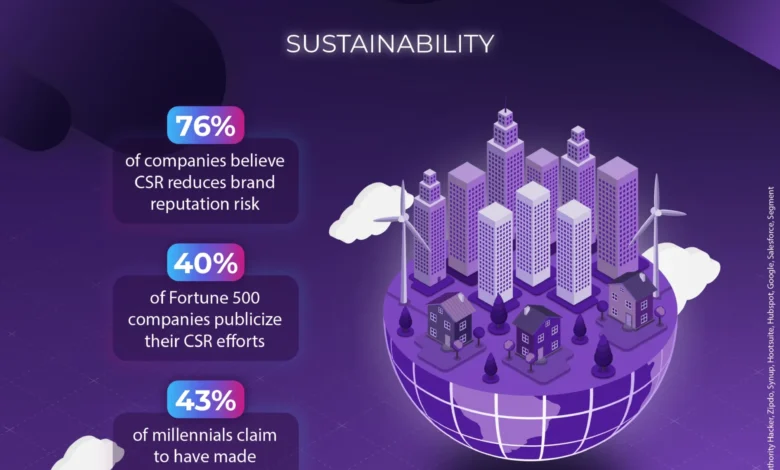
Environmental consciousness is no longer confined to corporate social responsibility reports; it has become an active driver of purchasing decisions, particularly among Millennial and Generation Z consumers. Integrating sustainability into digital marketing strategies requires a holistic approach that spans product positioning, supply chain transparency, and community engagement.
Communicating Sustainable Value Propositions
Brands are increasingly leveraging digital channels—including corporate blogs, targeted social media campaigns, and video advertisements—to highlight the eco-friendly attributes of their products. Rather than relying on vague environmental claims, modern marketing campaigns utilize precise data to demonstrate reduced carbon footprints, recyclable packaging, and ethical sourcing. This factual approach helps combat skepticism and greenwashing concerns among discerning buyers.
Leveraging Technology for Supply Chain Transparency
To substantiate sustainability claims, forward-thinking enterprises are integrating advanced technologies into their customer-facing digital assets. Blockchain technology, for instance, is being deployed to create immutable records of a product’s lifecycle, allowing consumers to scan QR codes and trace the origin of materials used in apparel, electronics, and consumer packaged goods. Additionally, mobile applications provide real-time metrics on the environmental impact of individual purchases, empowering consumers to make informed choices.

Fostering Community Engagement
Social media platforms serve as powerful catalysts for environmental advocacy. Companies are utilizing these networks not only to broadcast their own green initiatives but also to foster participatory green communities. Collaborations with sustainability-focused digital influencers have proven particularly effective in reaching broader audiences. Furthermore, loyalty programs are evolving to reward eco-friendly consumer behaviors, such as returning packaging for recycling or opting for consolidated, low-emission shipping methods.
3. Conversational Search and Semantic Optimization
The mechanics of how consumers discover products online have undergone a fundamental shift, moving away from fragmented keyword typing toward natural, conversational language. The proliferation of voice-activated smart assistants—such as Amazon Alexa, Apple Siri, and Google Assistant—coupled with advanced conversational AI interfaces, has made conversational search a dominant paradigm in digital discovery.
This shift requires a complete overhaul of traditional Search Engine Optimization (SEO) strategies. Marketers can no longer rely solely on isolated, high-volume keywords. Instead, they must adopt semantic search optimization, creating content that directly answers complex, multi-word questions framed in everyday conversational syntax.
Industry data indicates that voice searches tend to be more localized and action-oriented than traditional text-based queries. Consequently, businesses are optimizing their digital infrastructure for local intent and ensuring that their product information is easily interpreted by AI algorithms. Companies that successfully adapt to conversational search are reporting higher visibility, improved user experience, and stronger conversion rates among mobile and smart-device users.

4. Short-Form Video and Immersive Digital Experiences
Video content continues to dominate digital consumption metrics, capturing consumer attention across multiple touchpoints. Within this medium, two distinct yet complementary trends are reshaping promotional strategies: short, high-impact social media videos and immersive, interactive visual experiences.
The Rise of Micro-Video Formats
Platforms like TikTok, Instagram Reels, and YouTube Shorts have conditioned global audiences to consume content in rapid, highly engaging increments. For brands, this means the traditional lengthy commercial format is frequently replaced by punchy, visually arresting videos lasting under thirty seconds. Successful marketing campaigns in this space prioritize immediate engagement, utilizing compelling storytelling, humor, and dynamic visual hooks within the first three seconds to prevent scrolling. These micro-videos are deployed effectively for product launches, customer testimonials, and flash promotions.
Immersive Technologies: AR and VR Integration
Beyond short-form video, e-commerce brands are investing heavily in immersive technologies such as augmented reality (AR) and virtual reality (VR) to bridge the gap between digital browsing and physical touchpoints. Retailers in sectors such as fashion, beauty, and home furnishings are integrating AR tools directly into their mobile apps and websites. These features enable consumers to virtually try on garments, visualize furniture placement in their living spaces, or test cosmetic shades in real-time. Industry analysts observe that these immersive interactions significantly reduce return rates and increase consumer confidence, directly impacting bottom-line profitability.
5. Hyper-Personalization Through Machine Learning
The era of broad demographic segmentation is rapidly giving way to hyper-personalization, a strategy that delivers uniquely tailored content, product recommendations, and promotional messaging to individual consumers based on real-time behavioral data.

Powered by advanced machine learning algorithms, hyper-personalization systems ingest vast quantities of user data—including past purchase history, browsing velocity, device types, and localized weather patterns—to predict consumer intent with remarkable accuracy. Rather than receiving generic email newsletters or homepage banners, modern shoppers encounter dynamically generated storefronts that reflect their personal aesthetic preferences and immediate needs.
Economic analysts evaluating the impact of hyper-personalization note significant improvements in customer lifetime value (CLV) and marketing return on investment (ROI). By eliminating irrelevant promotional noise, brands respect the consumer’s time while maximizing the efficiency of their advertising expenditures. However, marketing executives emphasize that hyper-personalization must operate strictly within the boundaries of data privacy regulations, ensuring that personalization efforts enhance user convenience without compromising personal security.
Broader Implications and Strategic Outlook
The convergence of Responsible AI, sustainability, conversational search, immersive video, and hyper-personalization underscores a mature, highly sophisticated digital marketing ecosystem. As these trends mature, the barrier to entry for businesses lacking robust digital infrastructure continues to rise.
Corporate leadership must view digital marketing not as an isolated promotional expense, but as an integrated operational philosophy that prioritizes ethics, transparency, and deep consumer empathy. Companies that successfully harmonize technological innovation with responsible governance will be best positioned to capture market share, build enduring brand loyalty, and thrive in an increasingly competitive global economy.
Related posts: