Google is preparing to launch a new Wear OS-powered fitness tracker following a recent FCC certification filing.

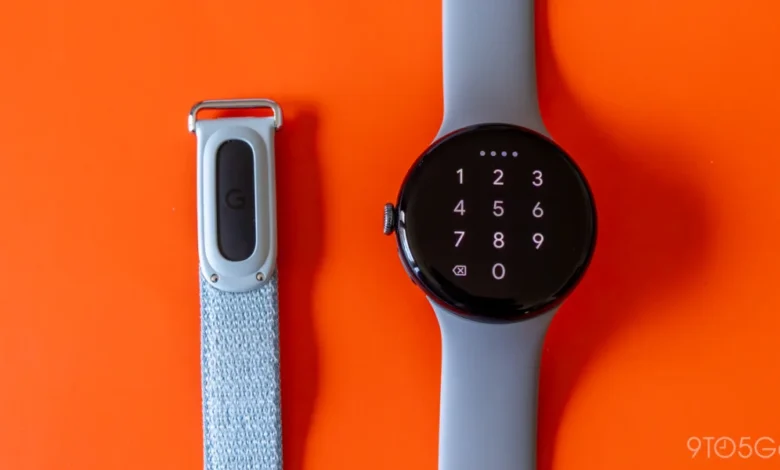
The landscape of wearable technology is on the precipice of a significant shift as new documentation from the Federal Communications Commission (FCC) confirms that Google has moved into the final stages of regulatory approval for a mysterious new hardware device. Identified by the model number "G8BL6," the device is widely expected to be a successor to the long-standing Fitbit Charge series, potentially marking the first time a dedicated fitness tracker in the Google ecosystem will leverage the full power of the Wear OS platform.
A New Chapter for Google Hardware
The FCC filing, which surfaced earlier this week, categorizes the G8BL6 as a "Wireless Device." While Google frequently utilizes specialized manufacturing partners for its hardware portfolio, this particular filing lists Goertek as the manufacturer. Goertek is a familiar name within the Google hardware supply chain, having been instrumental in the production of previous generations of Pixel Buds. The collaboration suggests that Google is maintaining its established manufacturing relationships to ensure the high-quality build standards expected of its first-party hardware.
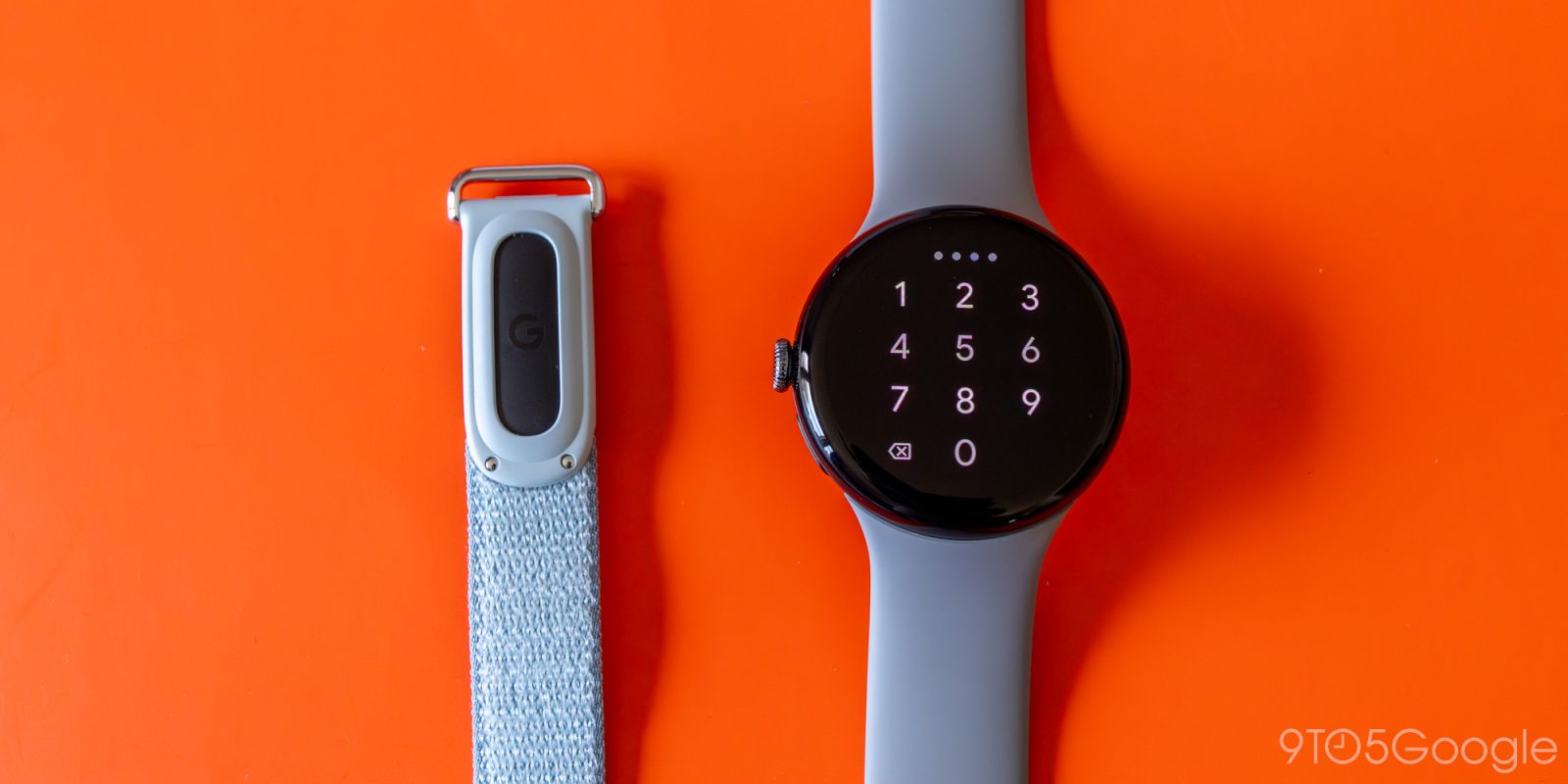
Technical specifications provided in the regulatory filing indicate that the device features a display, evidenced by the inclusion of an e-label accessible through the system settings—a pathway identical to the interface found on the current Pixel Watch series. Furthermore, the use of the Android Debug Bridge (ADB) during the certification process strongly implies that the device is running a version of the Android-based Wear OS, rather than the more restrictive, lightweight operating systems previously used by legacy Fitbit devices.
Chronology and Recent Developments
The emergence of the G8BL6 model follows a series of sightings that have fueled speculation throughout the latter half of 2026. In August, eagle-eyed observers noted a previously unseen wearable device appearing in promotional materials for the Google Pixel 11. The marketing imagery displayed a vertical, pill-shaped screen attached to a band reminiscent of the current Pixel Watch collection. The device in the advertisement showcased a watch face that displayed familiar Wear OS fitness complications, suggesting that the integration between the Fitbit health-tracking engine and Google’s smartwatch software is becoming more seamless.
This discovery coincides with the broader industry trend of consolidating fitness-focused hardware under the umbrella of Google’s flagship software. Since the acquisition of Fitbit, the tech giant has been slowly transitioning its wearable strategy. The upcoming device is widely viewed as a potential replacement for the Fitbit Charge 6, which remains a staple in the entry-to-mid-range wearable market. If the G8BL6 does indeed launch as a Wear OS device, it will signal a departure from the proprietary "Fitbit OS," potentially offering users a more robust ecosystem of third-party apps, deeper integration with Google Assistant, and advanced health monitoring capabilities.

Technical Specifications and Connectivity
According to the FCC documents, the G8BL6 is equipped with Bluetooth Low Energy (BLE) and Global Navigation Satellite System (GNSS) capabilities. The documentation specifically notes the implementation of a "Metal frame Antenna" for its wireless communications. Interestingly, the filing makes no mention of Wi-Fi connectivity. This omission is a point of significant discussion among industry analysts.
For a traditional fitness tracker, the absence of Wi-Fi is not uncommon, as it helps preserve battery life and reduces the hardware footprint. However, because the device is expected to run Wear OS—a platform that traditionally relies on Wi-Fi for independent updates, cloud syncing, and high-bandwidth app downloads—the lack of this feature suggests that the device will be strictly tethered to a smartphone for its primary connectivity. This reinforces the hypothesis that the G8BL6 is intended to be a lightweight, fitness-first wearable rather than a fully autonomous smartwatch.
The Challenge of Battery Efficiency
The shift toward Wear OS on a smaller, narrower form factor brings the issue of power efficiency to the forefront. Historically, Wear OS has been criticized for its significant battery consumption compared to the ultra-efficient platforms found on standard fitness bands like the Fitbit Charge or Garmin’s Vivosmart line. To compete effectively, Google must demonstrate that its latest hardware/software optimization, likely utilizing a custom low-power silicon architecture, can sustain multi-day battery life.

For many users, the primary appeal of a fitness tracker over a full-featured smartwatch is the ability to wear the device for several days—or even a week—without needing a charge. If the G8BL6 requires daily charging, it may struggle to win over the loyal base of Fitbit users who value convenience and longevity above all else.
Market Context and Strategic Implications
The wearable market has seen a stagnation in growth among casual users, with many opting for either high-end smartwatches or simple, low-cost activity monitors. By bridging the gap with the G8BL6, Google is effectively creating a new product category: the "Smart Fitness Tracker." This device could provide a middle ground for consumers who find the Pixel Watch too expensive or bulky but desire more functionality than what a basic, non-Wear OS tracker provides.
Competitively, this move places Google in a stronger position against companies like Xiaomi, Huawei, and Samsung, which have successfully captured the mid-range market with devices that offer "smart-lite" features. By standardizing the OS across its range, Google can ensure that health data collected by the G8BL6 is natively compatible with the Google Health Connect API, creating a unified experience for users who move between different devices within the Google ecosystem.

Analysis: What This Means for Consumers
The filing of the G8BL6 serves as a clear indicator that Google is not abandoning the tracker form factor, despite rumors that it might focus exclusively on the Pixel Watch line. Instead, the company appears to be diversifying its hardware offerings to address different consumer needs.
If the G8BL6 launches at a price point comparable to the $160-$180 range of previous Charge models, it could become one of the most popular wearables in the Android ecosystem. It would essentially offer the "smart" features of the Pixel Watch—such as access to the Google Play Store, improved notification management, and deeper integration with Pixel smartphones—in a form factor that is more comfortable for sleep tracking and high-intensity workouts.
While official details from Google regarding pricing, availability, and specific health-tracking features remain under wraps, the FCC certification confirms that the development cycle is nearing its conclusion. Historically, devices appearing in FCC filings are released within three to six months. Given the timing, a release in the first quarter of 2027 seems highly probable, potentially aligning with major industry events like CES or a dedicated Google hardware showcase.

As the industry awaits further confirmation, the G8BL6 represents a pivotal moment for Google’s wearable division. By successfully porting its flagship operating system to a compact fitness tracker, the company may set a new industry standard for what a sub-$200 wearable can achieve. The convergence of long battery life, professional-grade health sensors, and the full ecosystem of Wear OS would be a formidable combination, positioning Google to dominate the mid-tier market segment for the foreseeable future.