How Brand Mentions Shape Modern Search Engine Visibility and AI Recommendation Algorithms

In the contemporary digital ecosystem, having a technically optimized website, pristine user experience, and engaging copy is no longer sufficient to guarantee visibility. Modern search engines like Google and generative artificial intelligence engines like ChatGPT increasingly rely on external validation to evaluate an organization’s authority, trustworthiness, and relevance. Consequently, how third-party entities discuss a brand across the broader internet has become a foundational pillar of modern search engine optimization (SEO) and artificial intelligence optimization (AIO).
The mechanics of search engine discovery have evolved beyond traditional keyword density and internal linking structures. Today, algorithms cross-reference internal web assets with external brand mentions to construct entity profiles within databases such as the Google Knowledge Graph. As organizations navigate this shifting digital landscape, understanding the anatomy, value acquisition, and tracking methodology of brand mentions is essential for maintaining competitive advantage and securing organic recommendations in an era dominated by AI-driven search results.

Defining Brand Mentions: Linked Versus Unlinked References
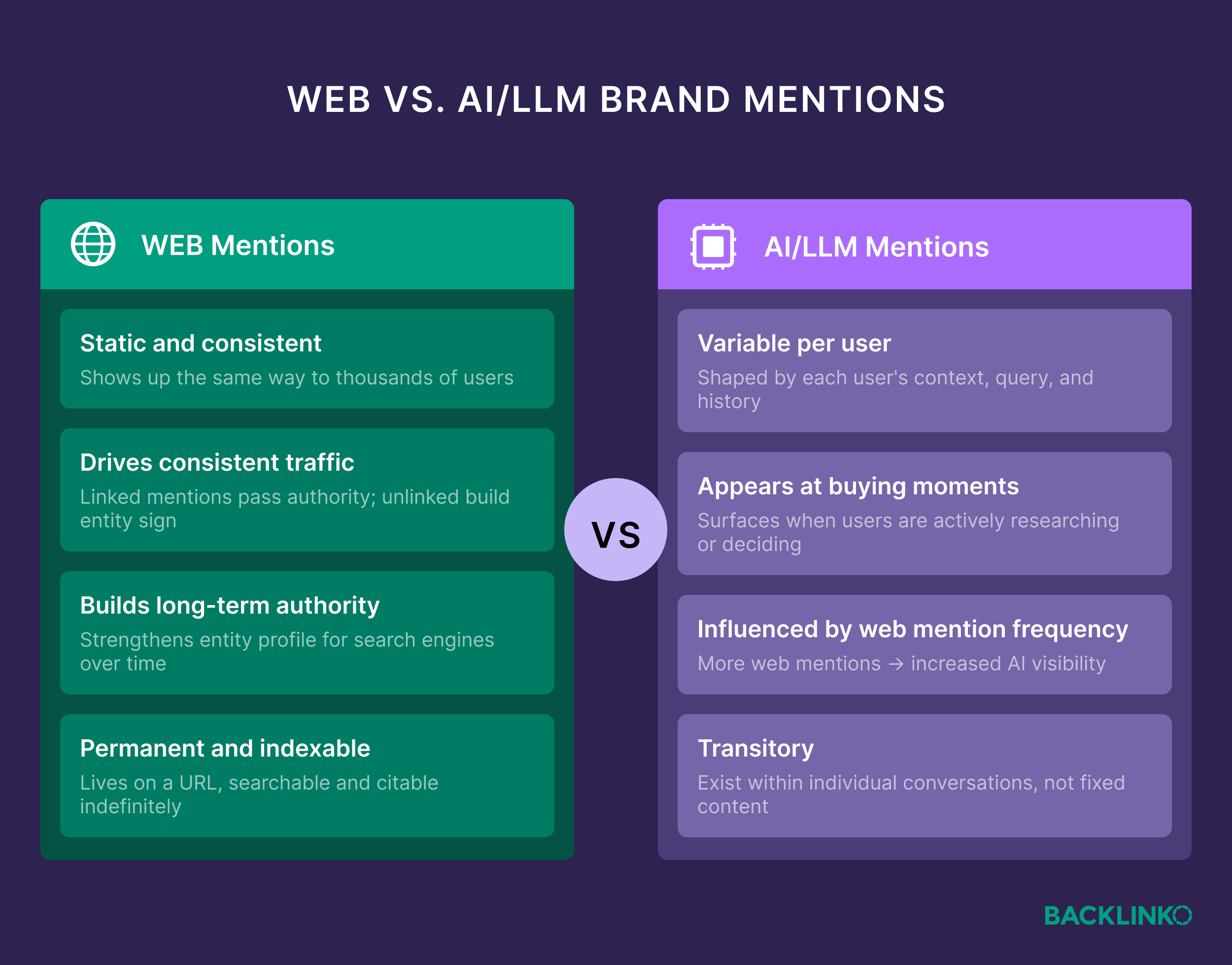
A brand mention encompasses any reference to an organization, product, or executive by a third party on external digital platforms. These references occur across diverse mediums, including editorial news articles, community forums, video descriptions, podcast episodes, and social media threads. Generally, brand mentions are categorized into two distinct types: linked mentions and unlinked mentions.
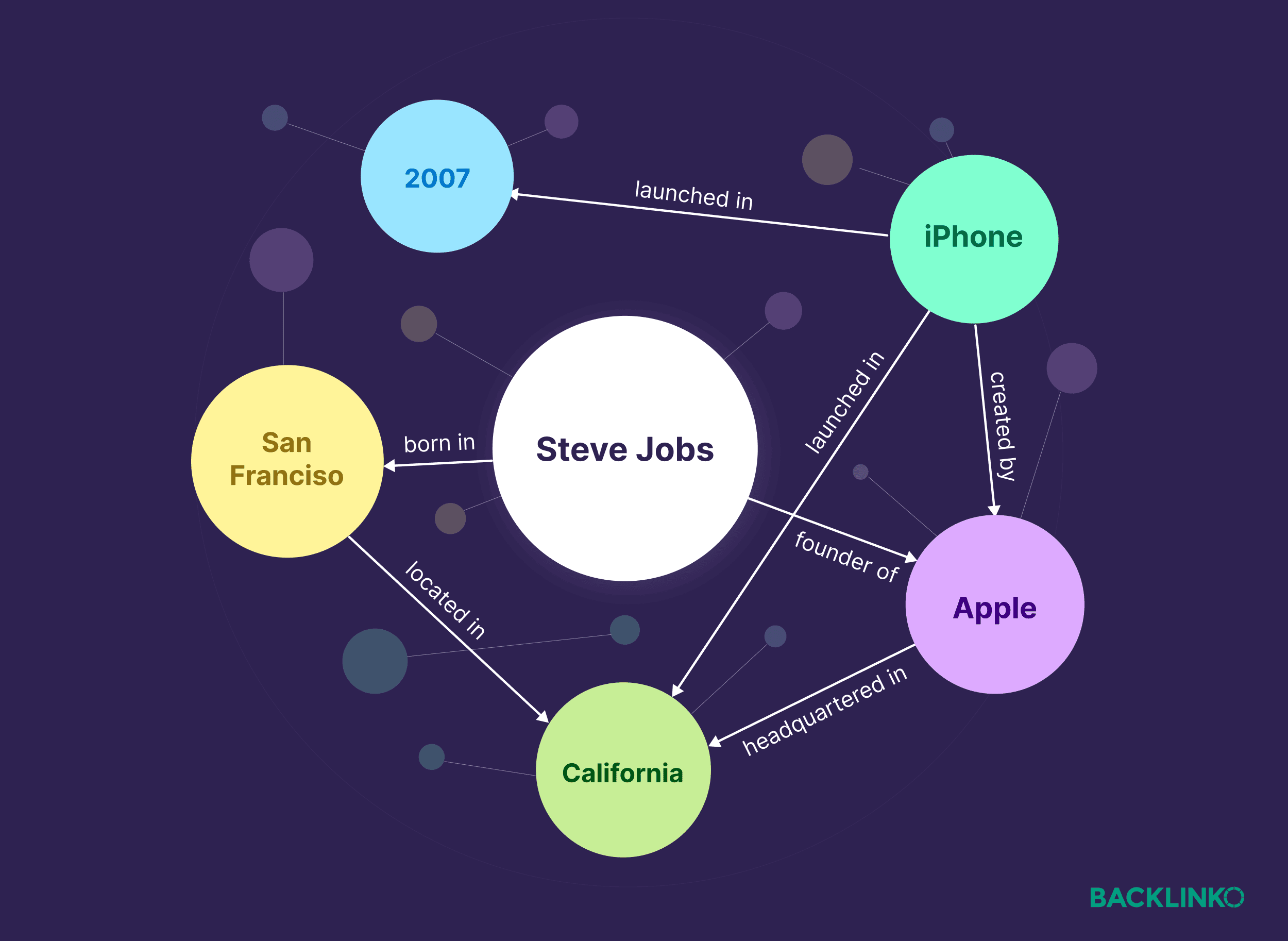
Linked mentions provide a direct, clickable hyperlink routing users from a third-party domain to the brand’s website, simultaneously transferring domain authority and directing referral traffic. Conversely, unlinked mentions reference the brand name textually without embedding a navigational hyperlink. While unlinked mentions do not pass direct equity or channel immediate traffic to a domain, they provide crucial contextual signals to search engine crawlers and large language models (LLMs). Both variations contribute significantly to establishing digital footprint credibility, though they serve different functions within a comprehensive optimization strategy.

Furthermore, a distinct operational divergence exists between web-based brand mentions and LLM-generated citations. Traditional web mentions are static fixtures embedded in digital content, remaining uniform for every user who accesses the page. In contrast, LLM mentions generated by conversational AI models are dynamic, varying according to an individual user’s prompt history, contextual queries, and personalization parameters. Securing consistent visibility across static web sources acts as the primary precursor to earning recommendations within dynamic AI search results, because LLMs fundamentally derive their foundational training data and contextual associations from authoritative web documents.
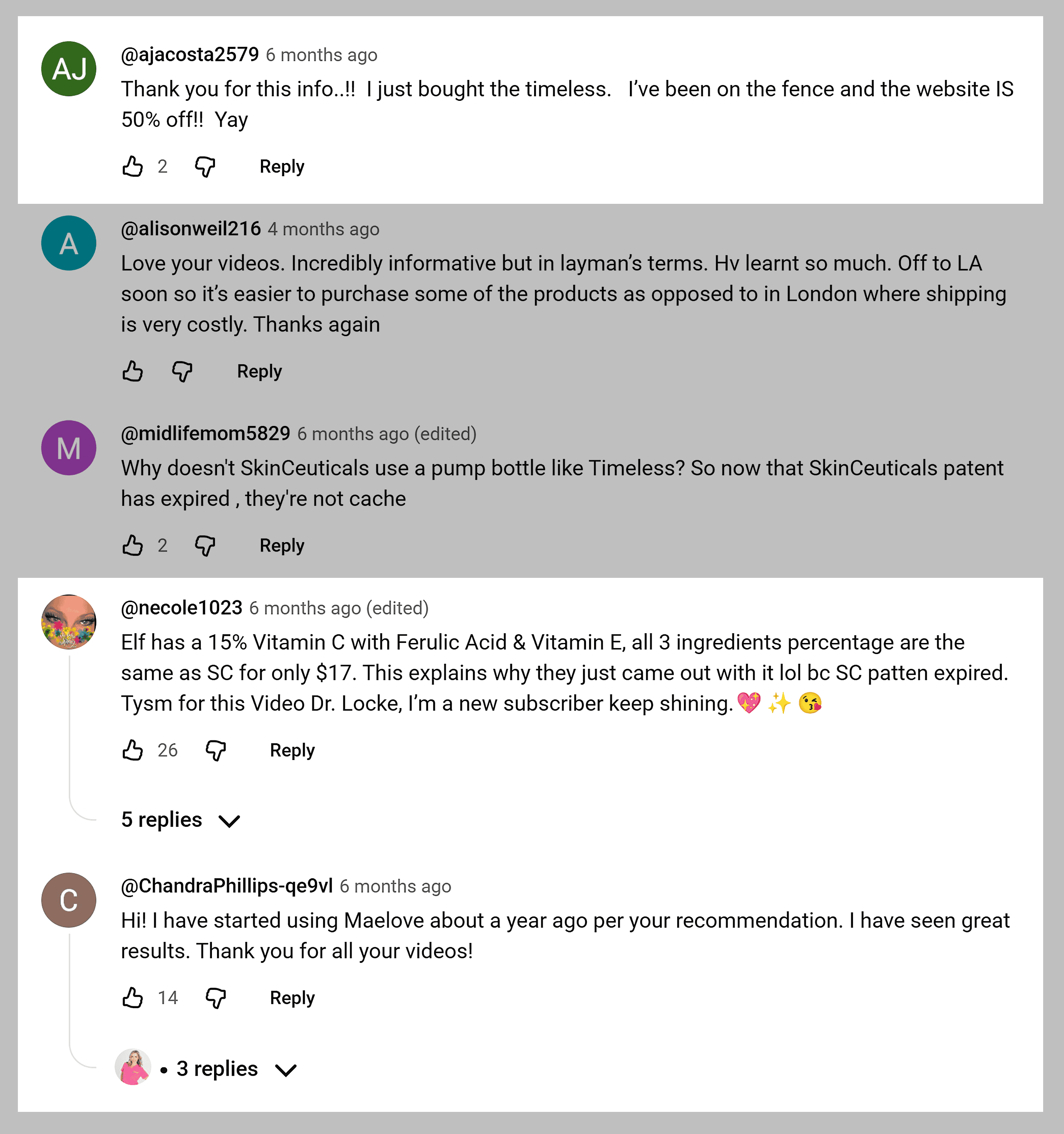
The Evolving Significance of Brand Mentions in Algorithmic Evaluation
The weight assigned to external brand mentions has intensified due to structural shifts in how search engines and AI systems process trust. Historically, backlink profiles served as the primary barometer of off-page authority. However, as web manipulation tactics grew more sophisticated, algorithms adapted by shifting focus toward entity recognition and consensus validation.
Search engines utilize entity-based indexing to map relationships between people, organizations, concepts, and locations. Within Google’s Knowledge Graph, a brand is treated as a distinct entity. The algorithm continuously refines its understanding of this entity by analyzing the frequency, consistency, and sentiment of brand mentions across trusted web ecosystems. If a company is frequently referenced alongside specific industry topics by recognized news outlets, trade publications, and professional communities, the search engine assigns higher topical authority to that brand.
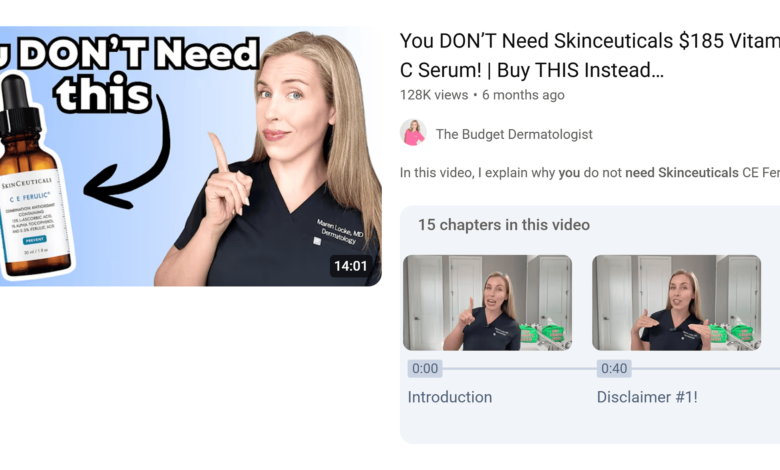
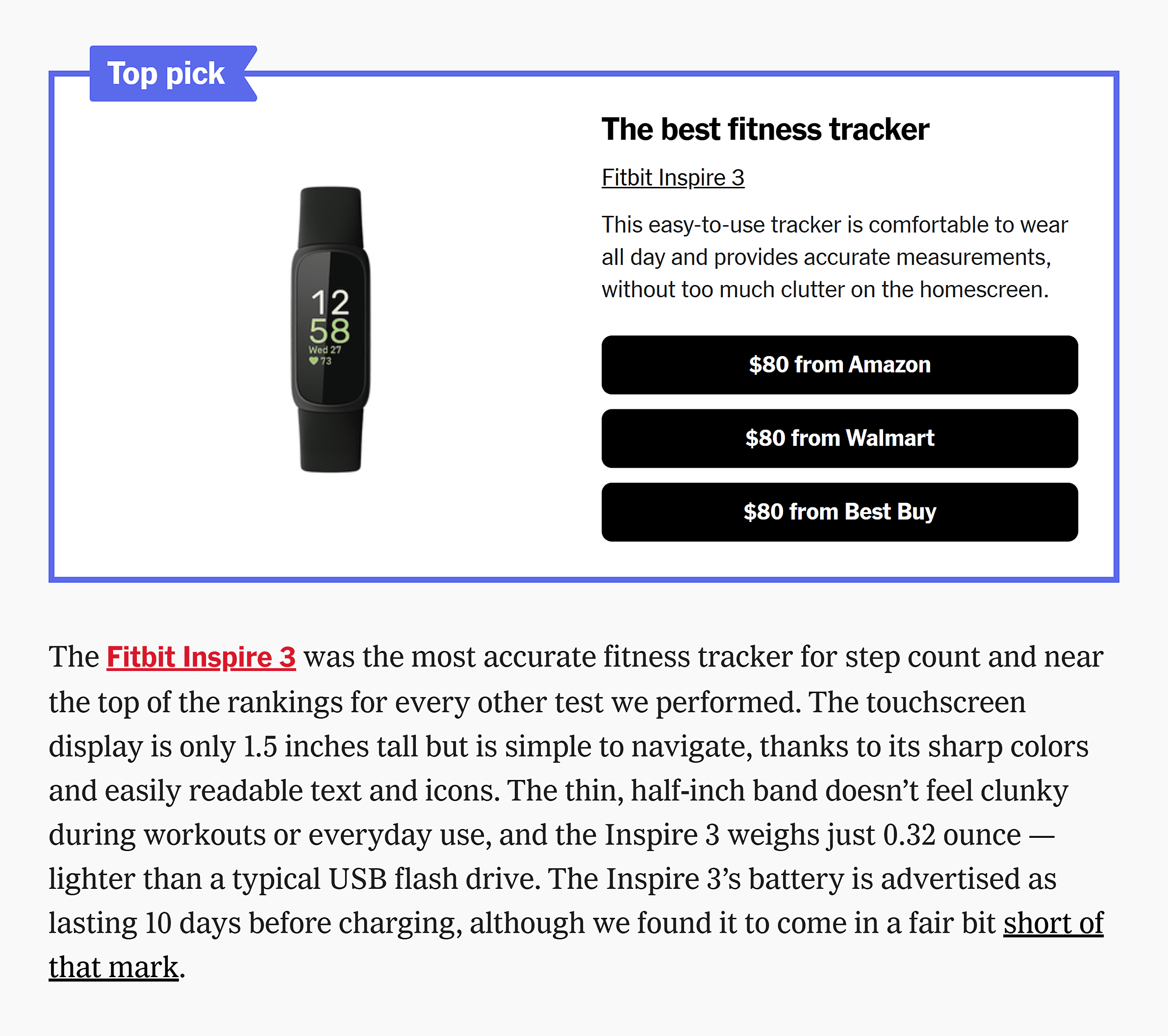
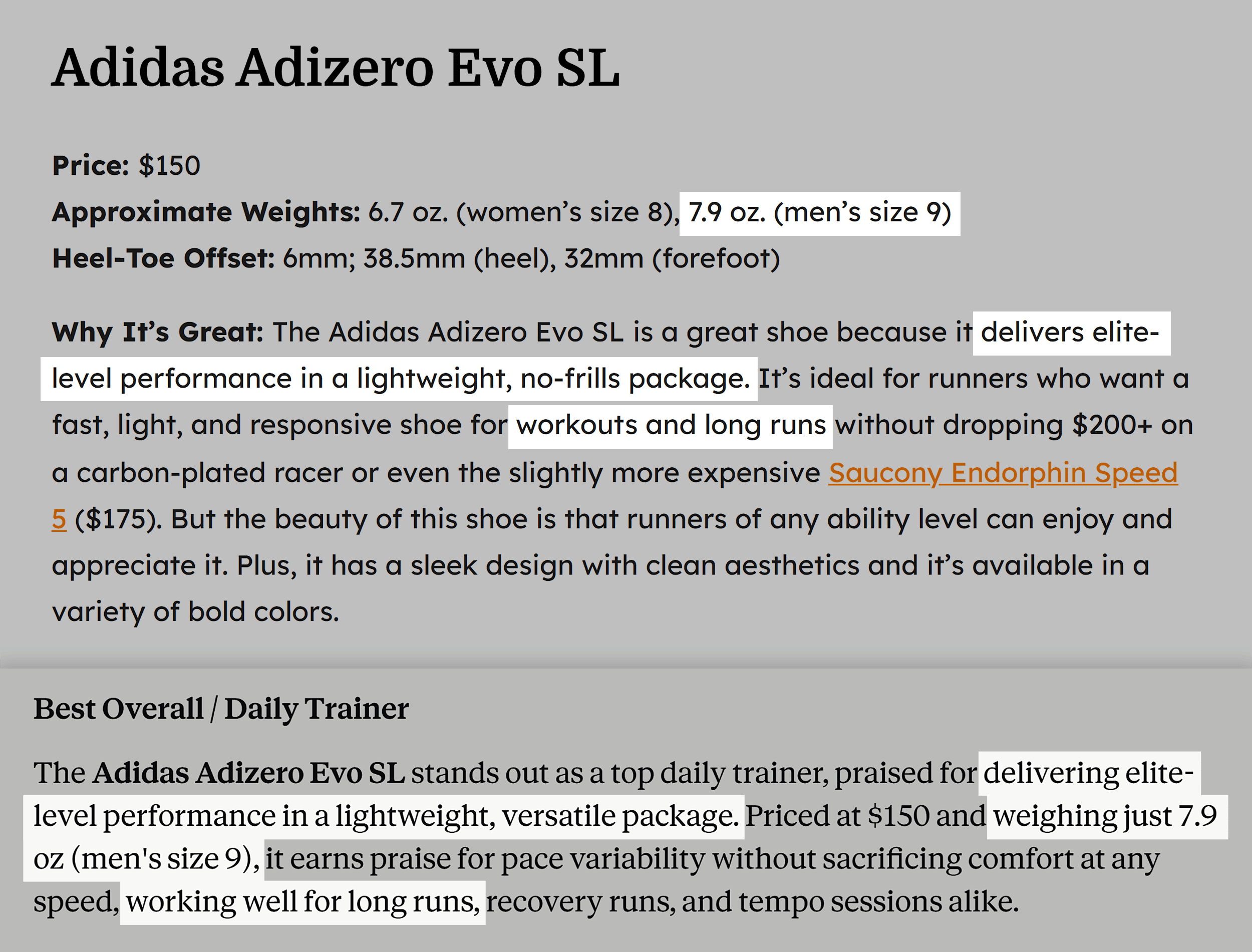
Concurrently, the rise of conversational AI has transformed information discovery. When an LLM recommends a product or service, it synthesizes vast corpuses of text to formulate its response. Linguistic analysis reveals a direct correlation between how third-party websites describe a product and how AI models subsequently characterize it. For instance, when industry publications use specific descriptors—such as "elite-level performance in a lightweight package"—to review running shoes or software tools, LLMs frequently replicate this exact phrasing when answering user queries. Consequently, web-based brand mentions directly dictate how artificial intelligence systems understand, summarize, and feature commercial brands.
Anatomy of a High-Value Brand Mention
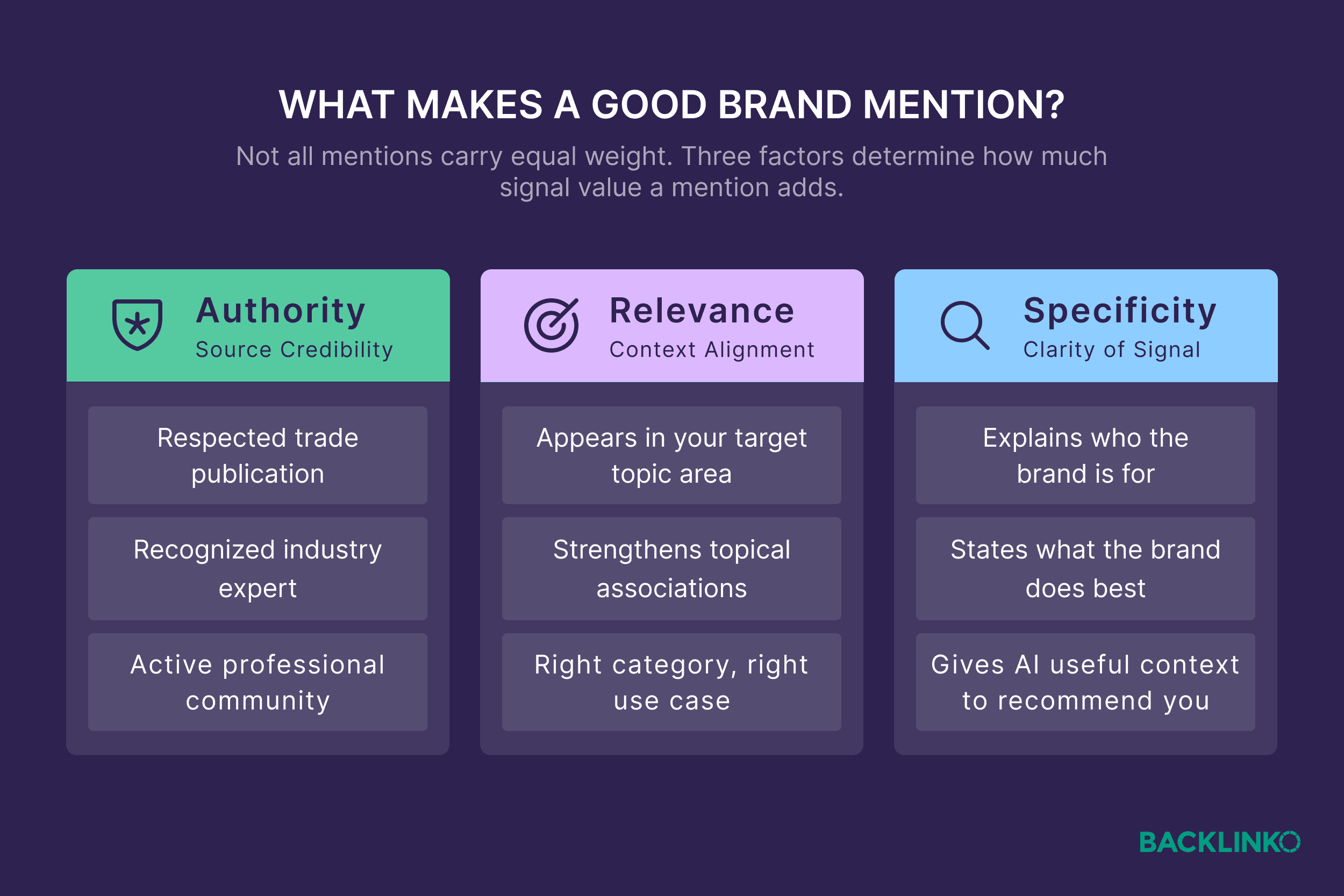
Not all brand mentions carry equal algorithmic weight. Digital marketing analysts evaluate brand mentions through three critical lenses: authority, relevance, and specificity.
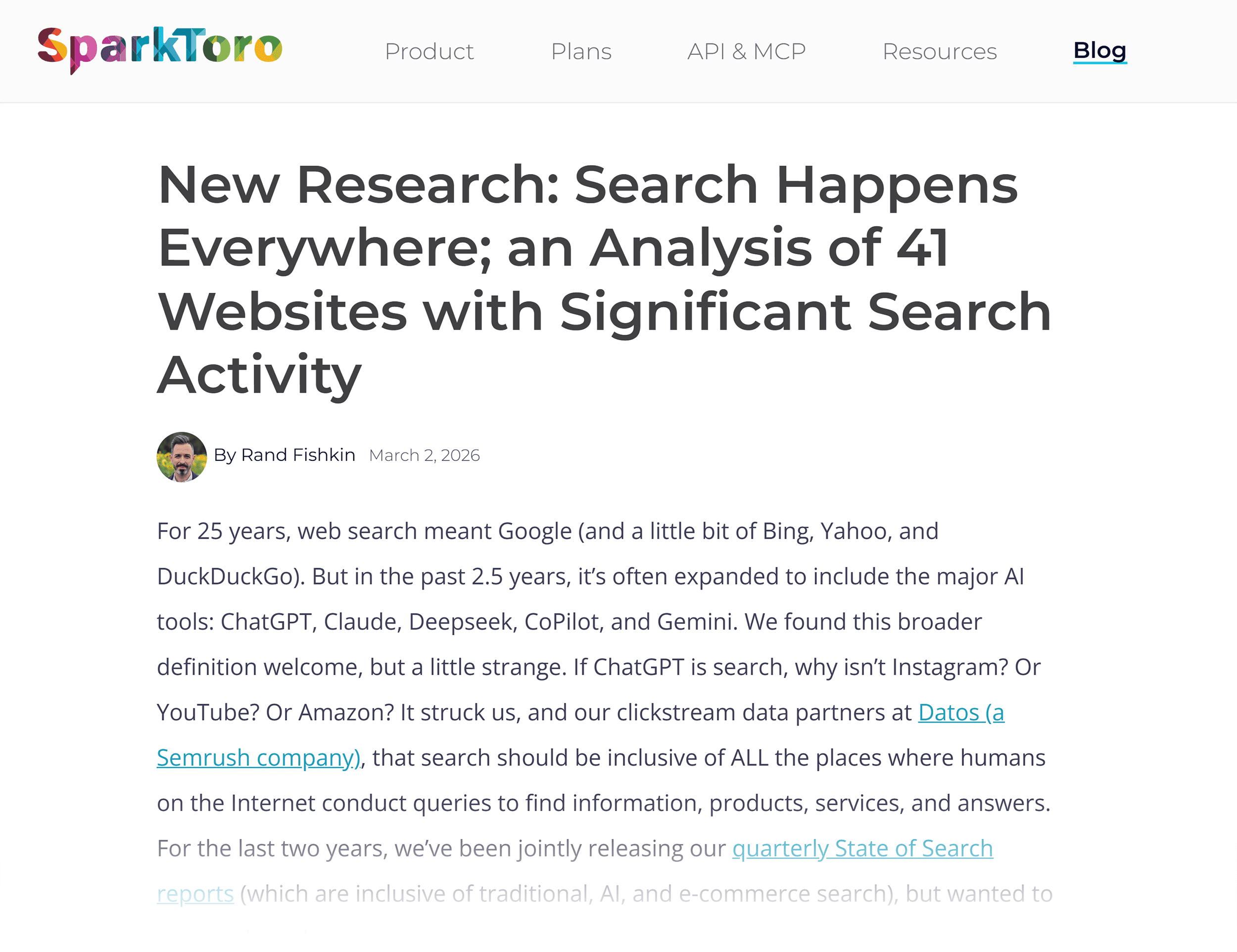
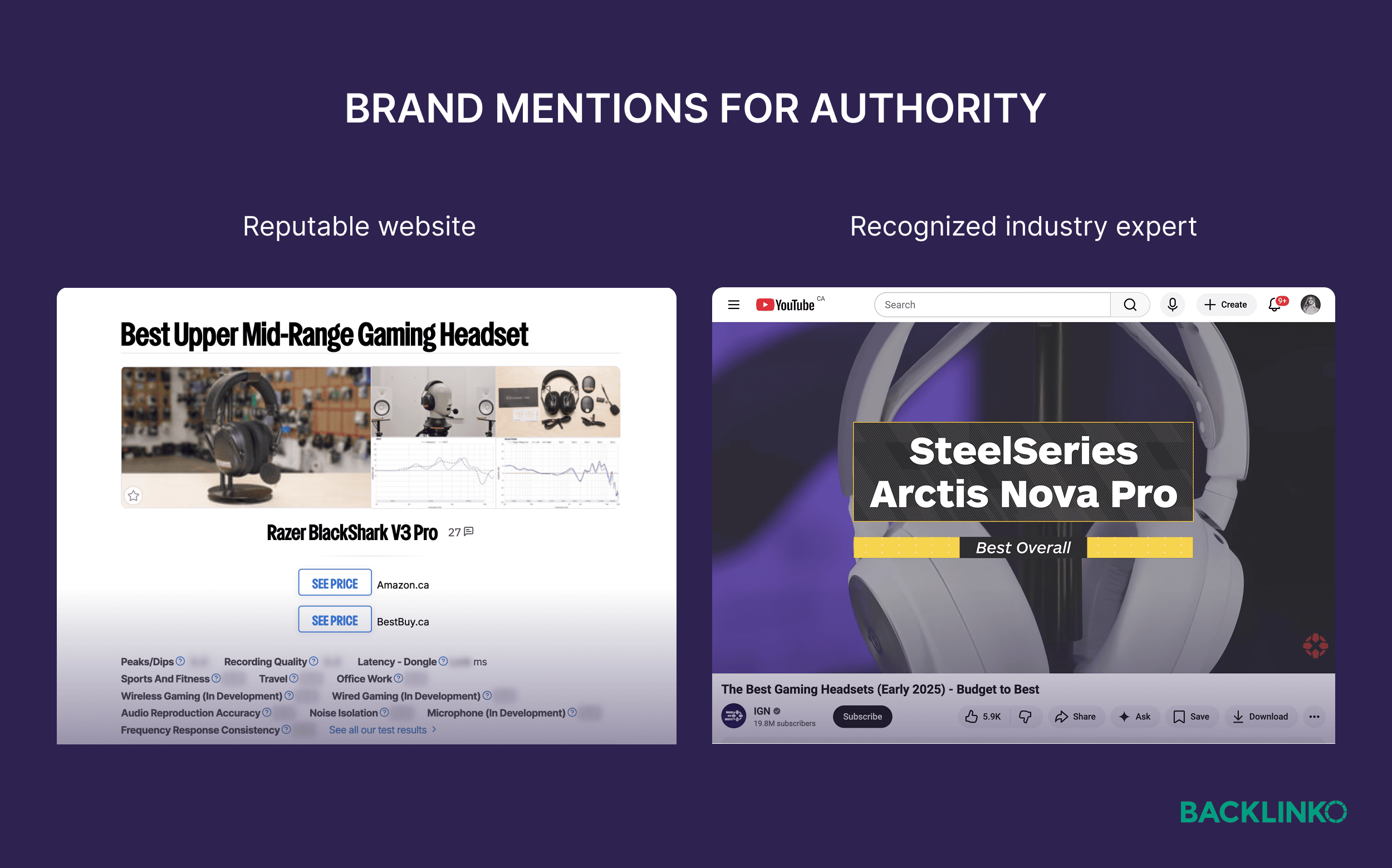
Authority pertains to the credibility and trustworthiness of the publishing domain. A mention embedded within a premier industry journal or an established mainstream news publication commands significantly more algorithmic trust than a passing reference on an unverified, low-traffic blog. High-authority mentions signal to search engines that an organization is recognized as a legitimate industry participant by objective third parties.
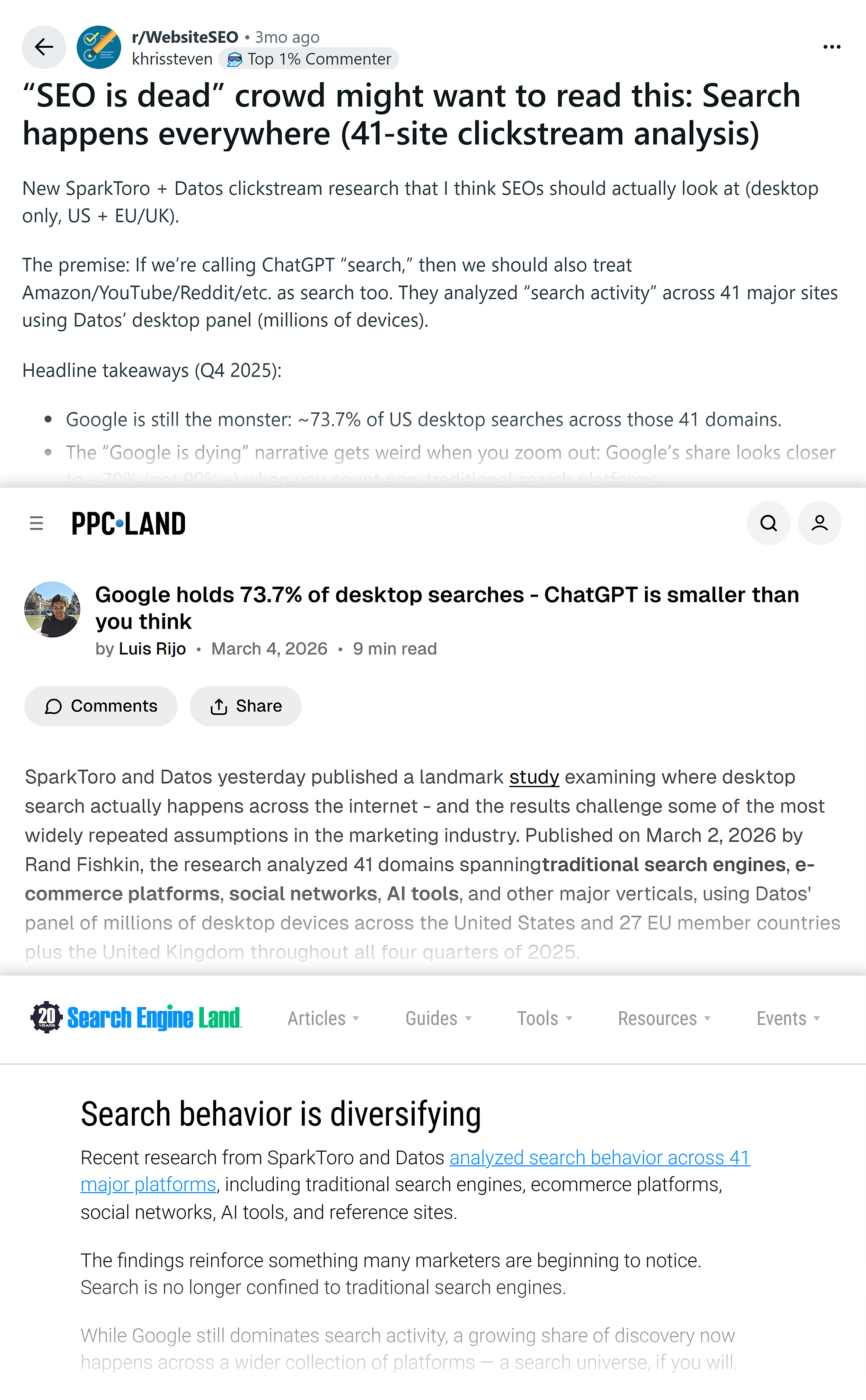
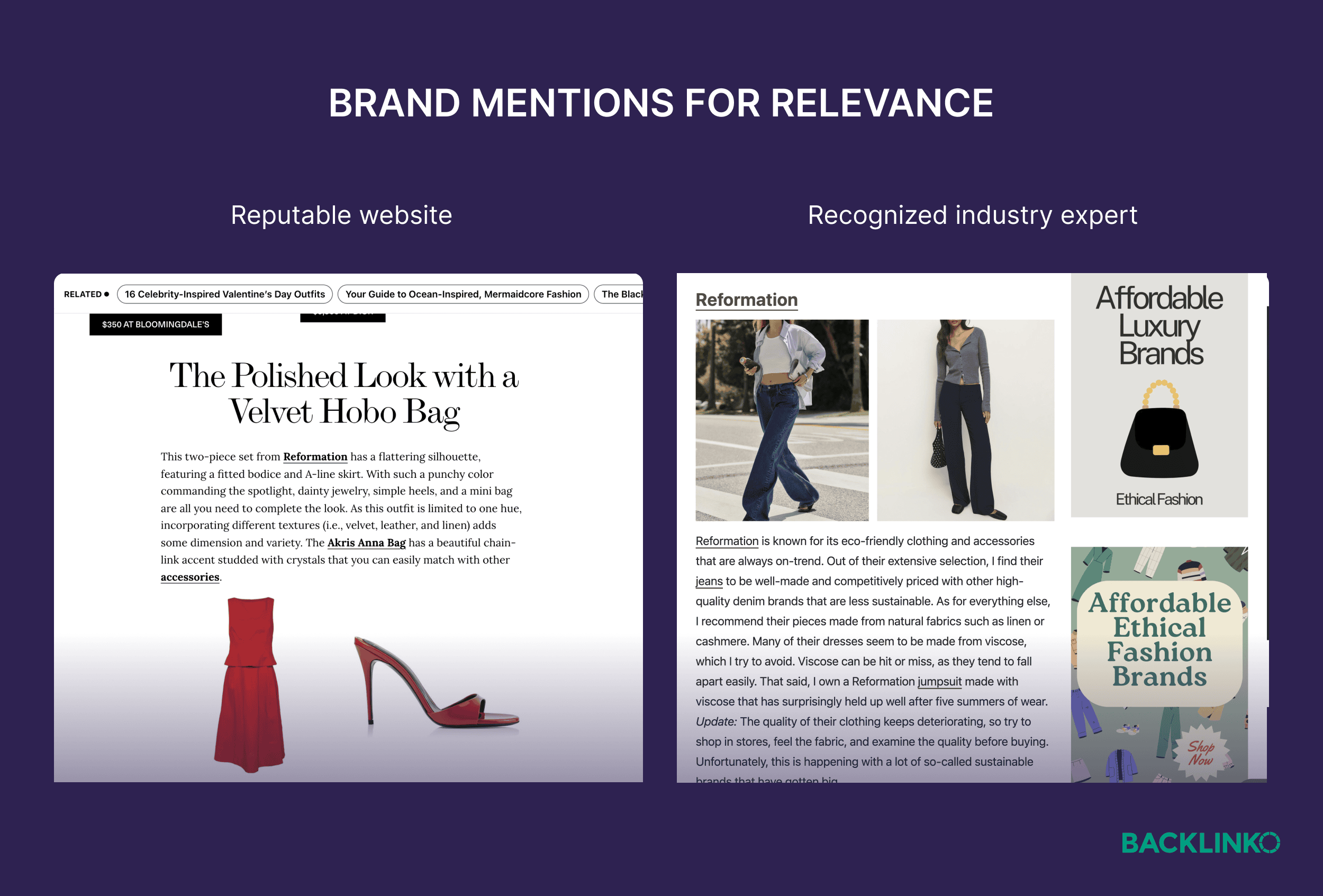
Relevance operates on dual tiers: topical relevance and industrial relevance. A brand mention must occur within content that aligns directly with the organization’s core offerings and strategic positioning. For example, a sustainable fashion brand featured in an editorial regarding eco-friendly apparel trends gains robust topical authority. If that same brand is mentioned in an unrelated technology blog, the contextual relevance diminishes, yielding a weaker signal for search engines attempting to categorize the brand entity.
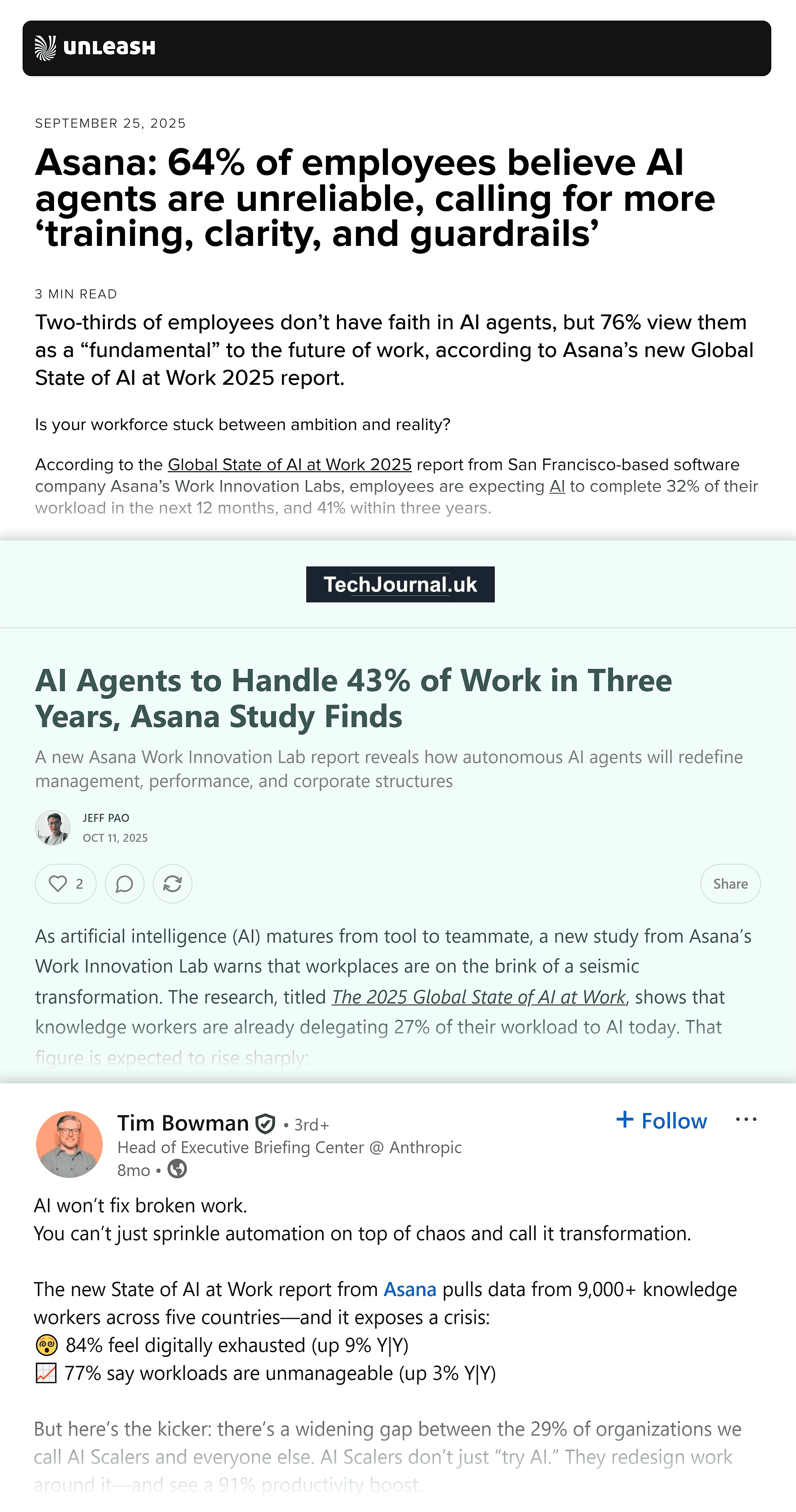
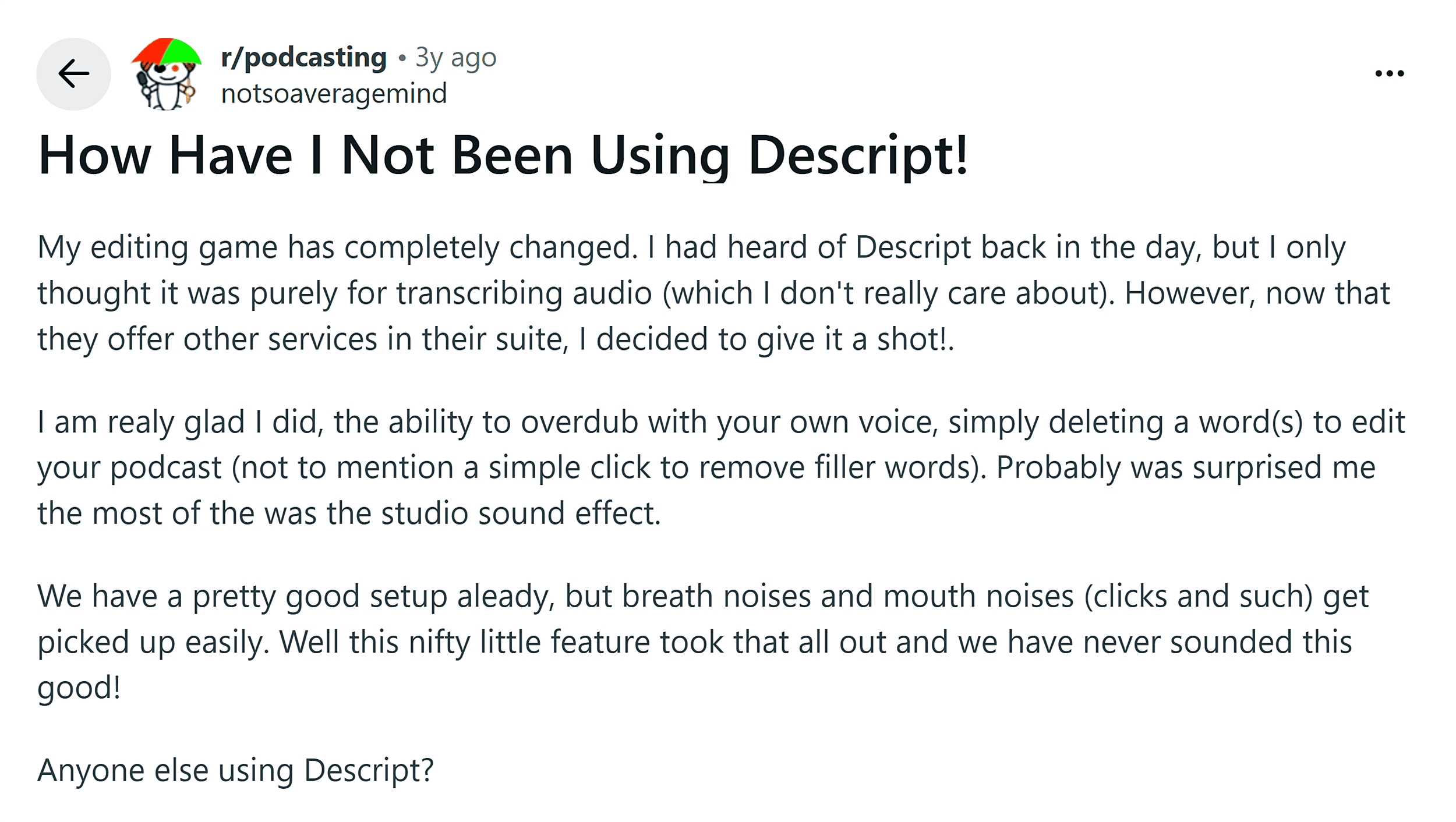
Specificity represents the final qualitative benchmark. Vague references offer minimal utility to algorithmic parsers. Conversely, brand mentions that articulate precise use cases, detail standout product features, or provide empirical performance reviews supply search engines and AI models with actionable context. These detailed references enable algorithms to accurately determine the exact scenarios in which a brand should be recommended to end-users.
Four Strategic Frameworks for Acquiring Valuable Brand Mentions
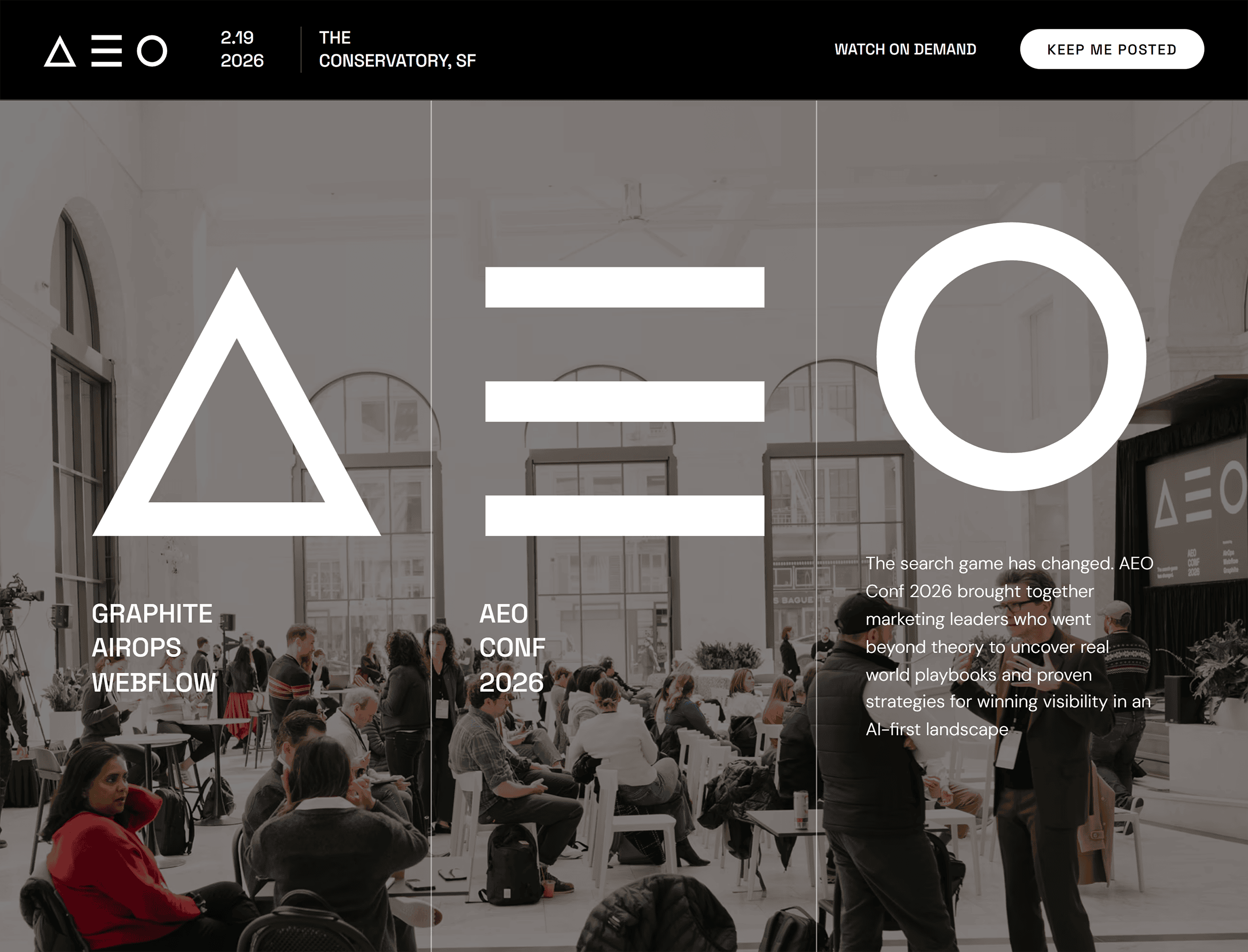
Organizations seeking to systematically enhance their digital footprint must implement proactive acquisition strategies. Industry analysts recommend four primary tactics for earning high-value brand mentions consistently.
-
Creating Data-Driven, Citable Content
Original research remains one of the most reliable methodologies for securing organic brand mentions. By conducting proprietary studies that address pressing industry questions or resolve ongoing market debates, organizations create foundational assets that competitors, journalists, and researchers must cite. When a study provides empirical data unavailable elsewhere, referencing the findings requires explicit attribution to the publishing brand. To maximize citability, organizations must package research findings with transparent methodologies, clear visualizations, and accessible executive summaries, facilitating effortless referencing across news outlets and professional networks.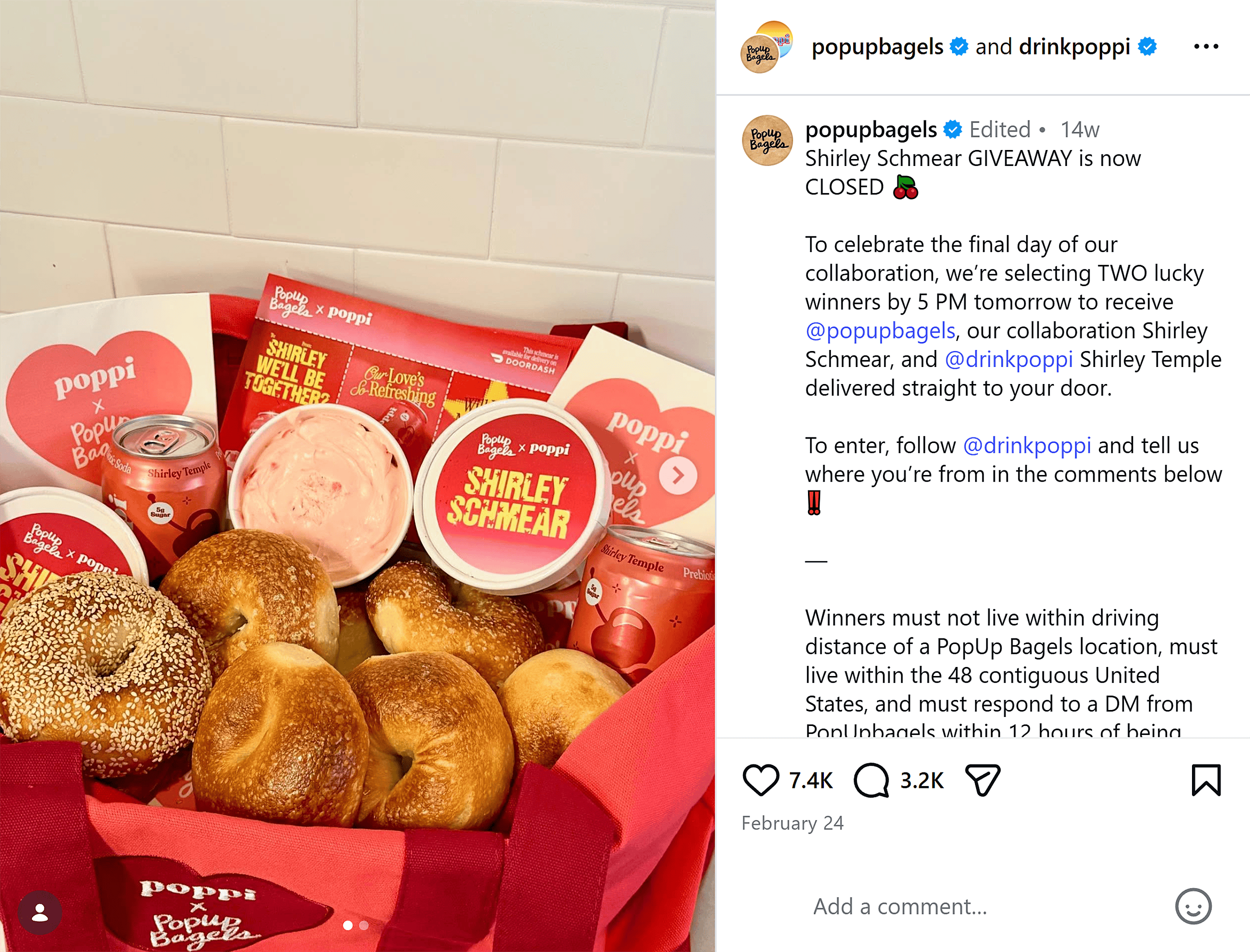
-
Partnering with Complementary Brands on Co-Created Assets
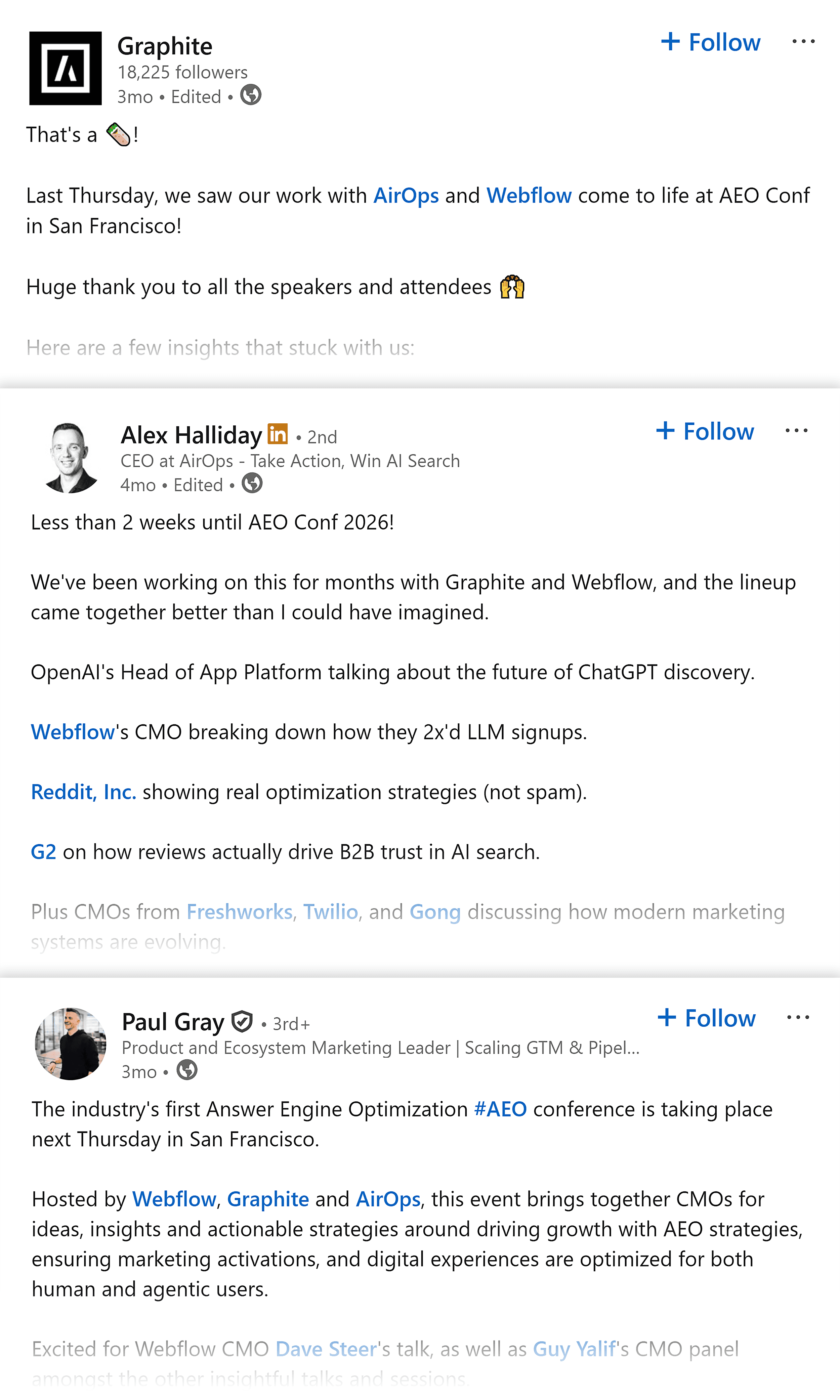
Collaborative marketing campaigns—such as joint industry reports, co-hosted conferences, or strategic product partnerships—allow non-competing brands to cross-pollinate audiences. When multiple brands are consistently referenced together in promotional materials, event recaps, and media coverage, search engines and LLMs register a phenomenon known as co-occurrence. This algorithmic association links the participating brands to identical topical clusters, thereby expanding collective visibility and reinforcing industry positioning.
-
Featuring Third-Party Experts within Proprietary Content
Amplifying external subject matter experts through expert roundups, benchmark reports, and dedicated interview series incentivizes contributors to share the published content with their respective networks. When industry leaders recognize their insights featured prominently at the center of a piece—rather than buried as generic quotes—they actively distribute the asset to their followers. This advocacy generates organic brand mentions across high-value professional channels, exposing the host organization to previously untapped demographics.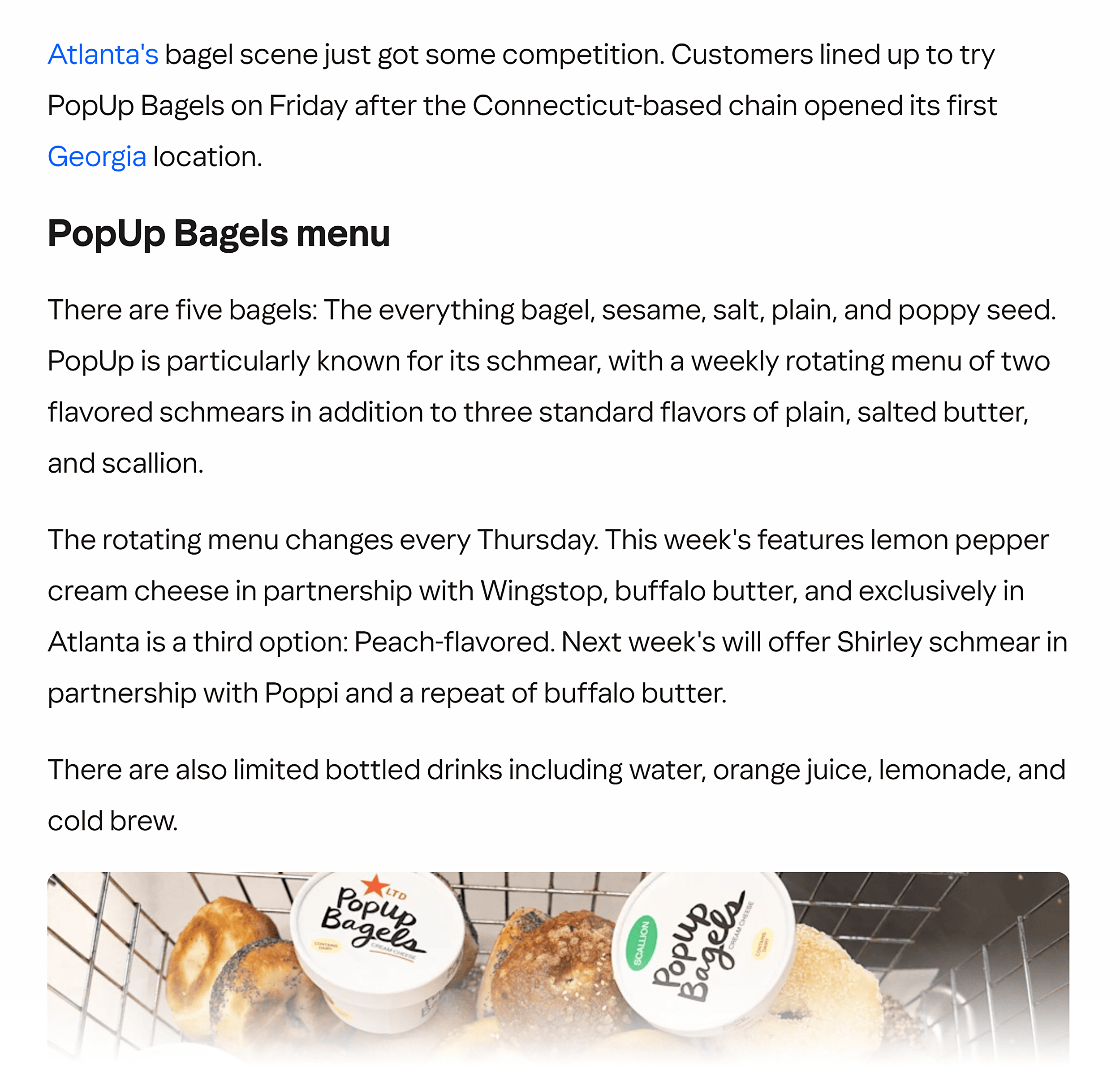
-
Contributing Subject Matter Expertise via Digital PR
Proactive digital public relations involves positioning executive leadership and internal specialists as authoritative sources for journalists, podcasters, and industry media. By pitching actionable insights, proprietary frameworks, and objective market commentary rather than promotional material, organizations secure editorial features across respected podcasts, trade publications, and news portals. Securing these placements establishes a robust multi-channel digital footprint that algorithms actively crawl to verify brand credibility.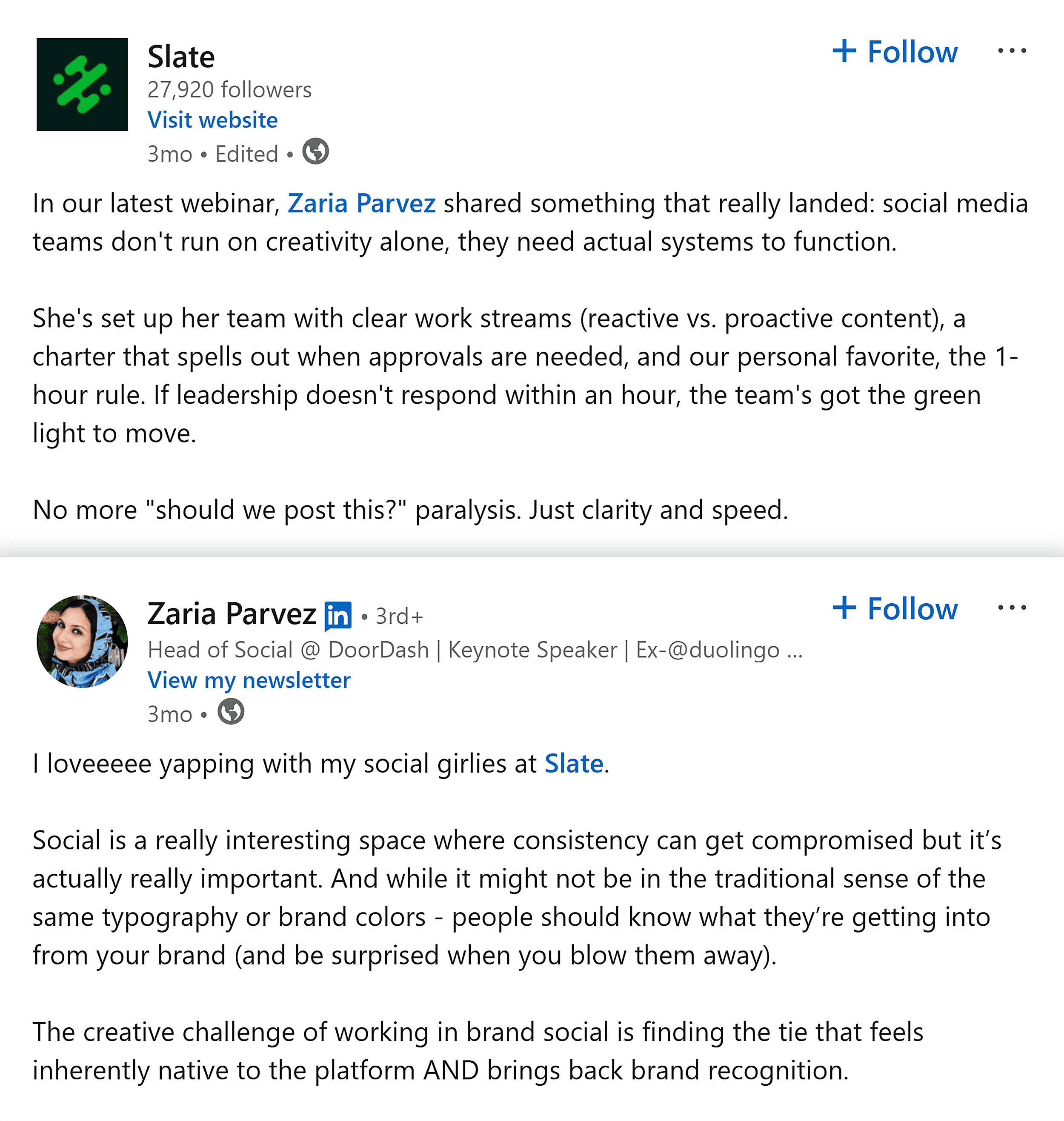
Methodologies for Tracking and Reporting Brand Mentions
Establishing a measurable framework for brand mention acquisition is critical for quantifying the return on investment (ROI) of off-page optimization efforts. Organizations typically employ three primary tracking mechanisms.
The foundational layer involves automated monitoring via tools like Google Alerts combined with weekly manual audits across specialized forums, video platforms, and news aggregators. While automated alerts capture mainstream web publications, manual searches ensure niche community discussions and social threads are accounted for.

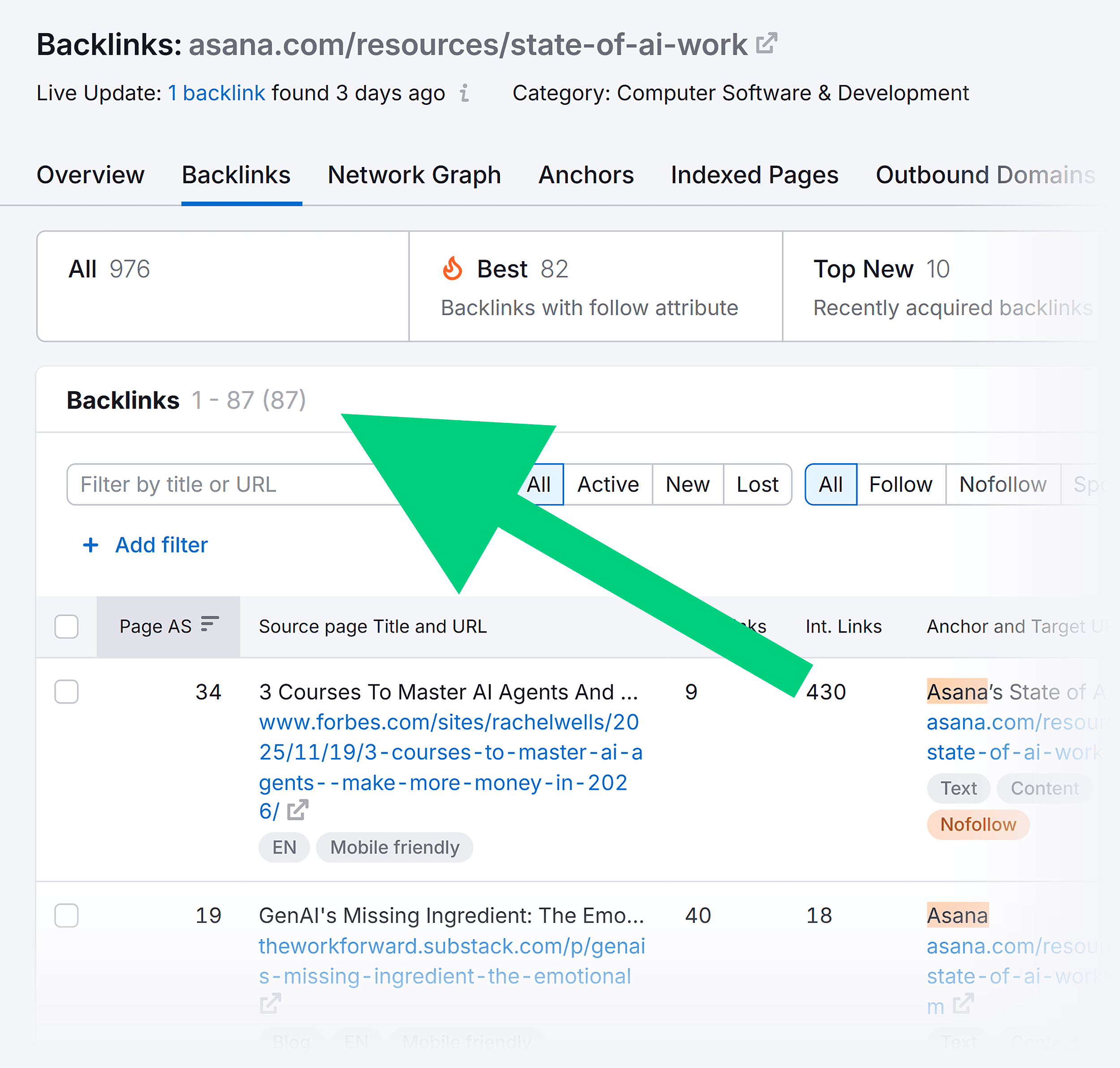
For comprehensive sentiment analysis and broad-scale tracking, social listening platforms provide granular data regarding mention volume, sentiment polarity, and geographic distribution across blogs, review sites, and social networks. Additionally, backlink analytics tools allow digital marketers to filter inbound links by anchor text, isolating instances where the brand name is explicitly utilized within navigational references.

When reporting these metrics to corporate leadership, marketing executives must shift the narrative away from raw volume toward qualitative impact. Comprehensive reporting frameworks summarize mention frequency alongside contextual factors, highlighting high-authority placements, audience reach estimates, and shifts in sentiment following strategic marketing campaigns. By framing brand mention data around entity authority and digital trust, organizations can clearly demonstrate how off-page visibility drives long-term search engine performance and AI discoverability.