Digital PR Emerges as Dominant Strategy for AI Search Visibility Amidst Evolving Information Landscape

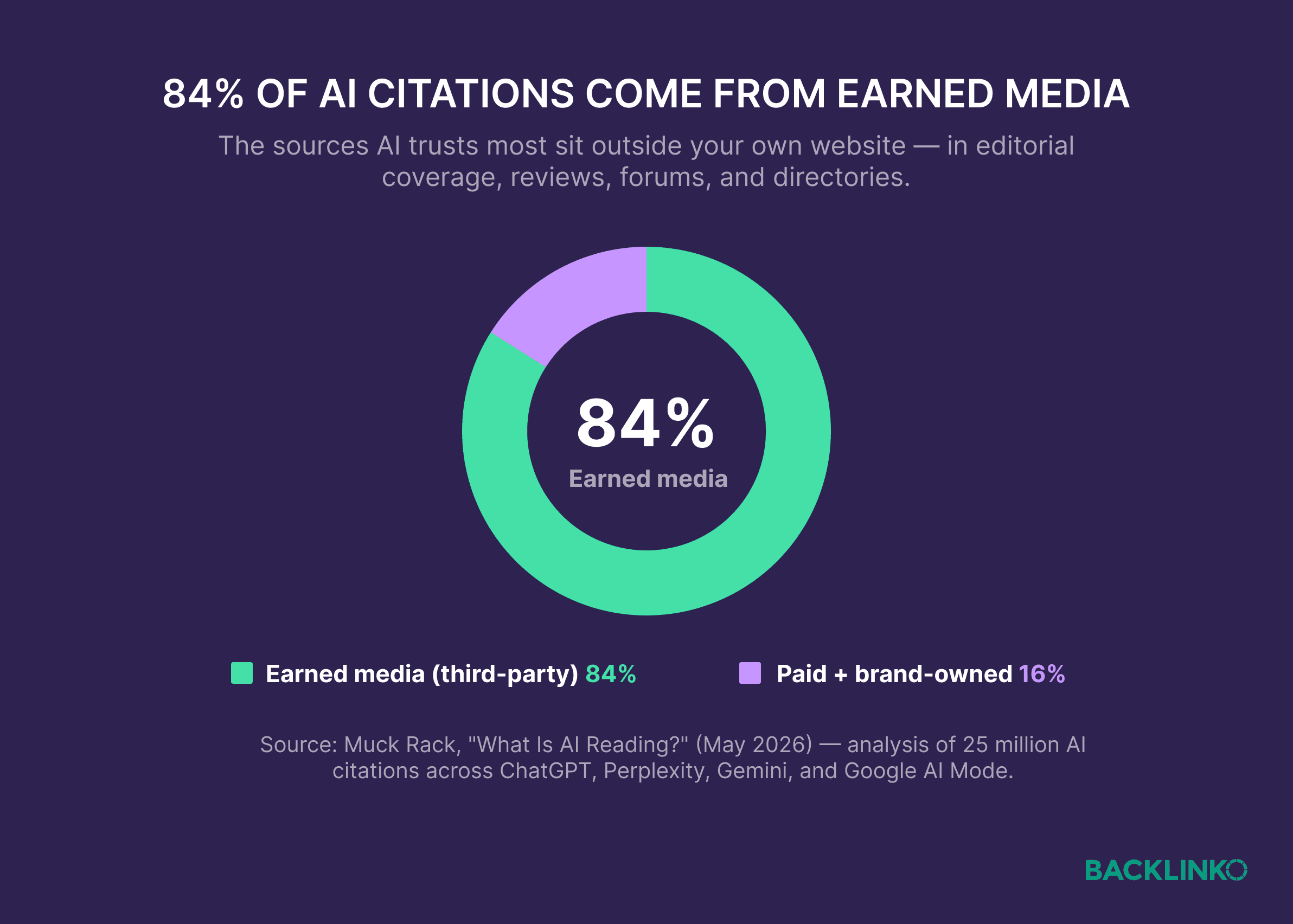
The landscape of online visibility is undergoing a profound transformation, with digital public relations now standing as the single most important strategy for brands aiming to succeed in the era of AI-driven search. A groundbreaking study by Muck Rack reveals that an overwhelming 84% of AI citations originate from earned media and trusted third-party sources. This includes a broad spectrum of content such as editorial coverage, independent reviews, and active discussions across various online forums. This data signifies a critical paradigm shift: in the world of AI search, external validation overwhelmingly outweighs self-promotional content published on a brand’s owned channels.

The New Frontier of AI Search and Its Information Diet
The advent of sophisticated AI systems, including large language models (LLMs) like ChatGPT, Google’s AI Overviews, Perplexity, and AI Mode, has fundamentally reshaped how information is discovered, synthesized, and presented to users. Unlike traditional search engines that primarily indexed webpages and ranked them based on a complex array of factors, AI search proactively constructs answers by drawing upon a multitude of sources. This new methodology places an unprecedented emphasis on the credibility and breadth of a brand’s presence across the digital ecosystem.
While publishing high-quality content on one’s own website remains a vital component of any digital strategy, its influence on AI visibility is increasingly being supplemented, and in many cases surpassed, by what is being said about a brand elsewhere on the internet. AI systems are designed to go beyond mere site crawling; they actively seek to understand and contextualize information by cross-referencing dozens, if not hundreds, of external references. The more consistently a brand name, its products, or its expertise appear across reputable web sources, the more likely these LLMs are to acknowledge, trust, and ultimately recommend that entity in their generated responses. This evolution demands a strategic pivot towards robust digital PR initiatives that cultivate widespread, positive, and authoritative third-party mentions.
Understanding AI’s Trust Algorithm: Why Earned Media Reigns Supreme
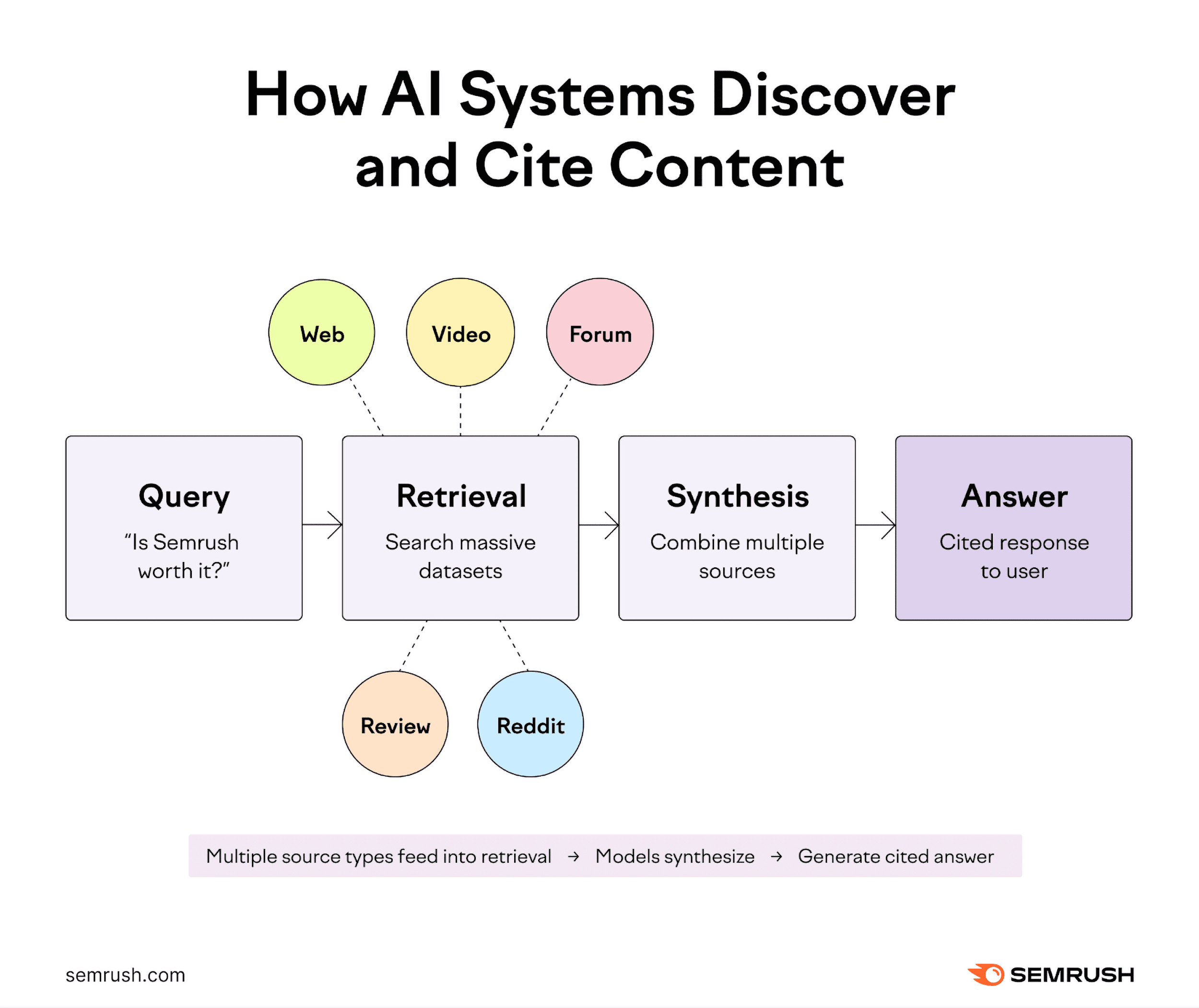
The core reason for this shift lies in AI’s inherent drive for accuracy, impartiality, and comprehensive understanding. AI models are trained on vast datasets, but when generating real-time answers, especially for queries demanding current or nuanced information, they perform extensive web searches. During this process, they prioritize sources that demonstrate Experience, Expertise, Authoritativeness, and Trustworthiness (E-E-A-T) – a concept Google has increasingly emphasized in its own search quality guidelines.
Self-published content, by its very nature, carries an inherent bias. While it can convey expertise, it lacks the independent validation that AI systems are programmed to seek. Third-party endorsements, whether from established journalistic outlets, respected industry blogs, or authentic user communities, serve as powerful trust signals. When a brand is consistently referenced, reviewed, and discussed by diverse, independent voices, it signals to AI that the brand is not just promoting itself but is genuinely recognized and valued within its domain. This accumulation of offsite authority is what truly shapes a brand’s algorithmic reputation and, consequently, its visibility in AI-generated answers.
Strategic Pillars for Enhanced AI Visibility
To navigate this new terrain, brands must proactively engage in a multi-faceted digital PR approach. The following six strategies offer proven pathways to earning the backlinks and brand mentions necessary to strengthen offsite authority and increase visibility in AI-generated responses.
1. Data-Led PR: Fueling Credibility with Original Insights
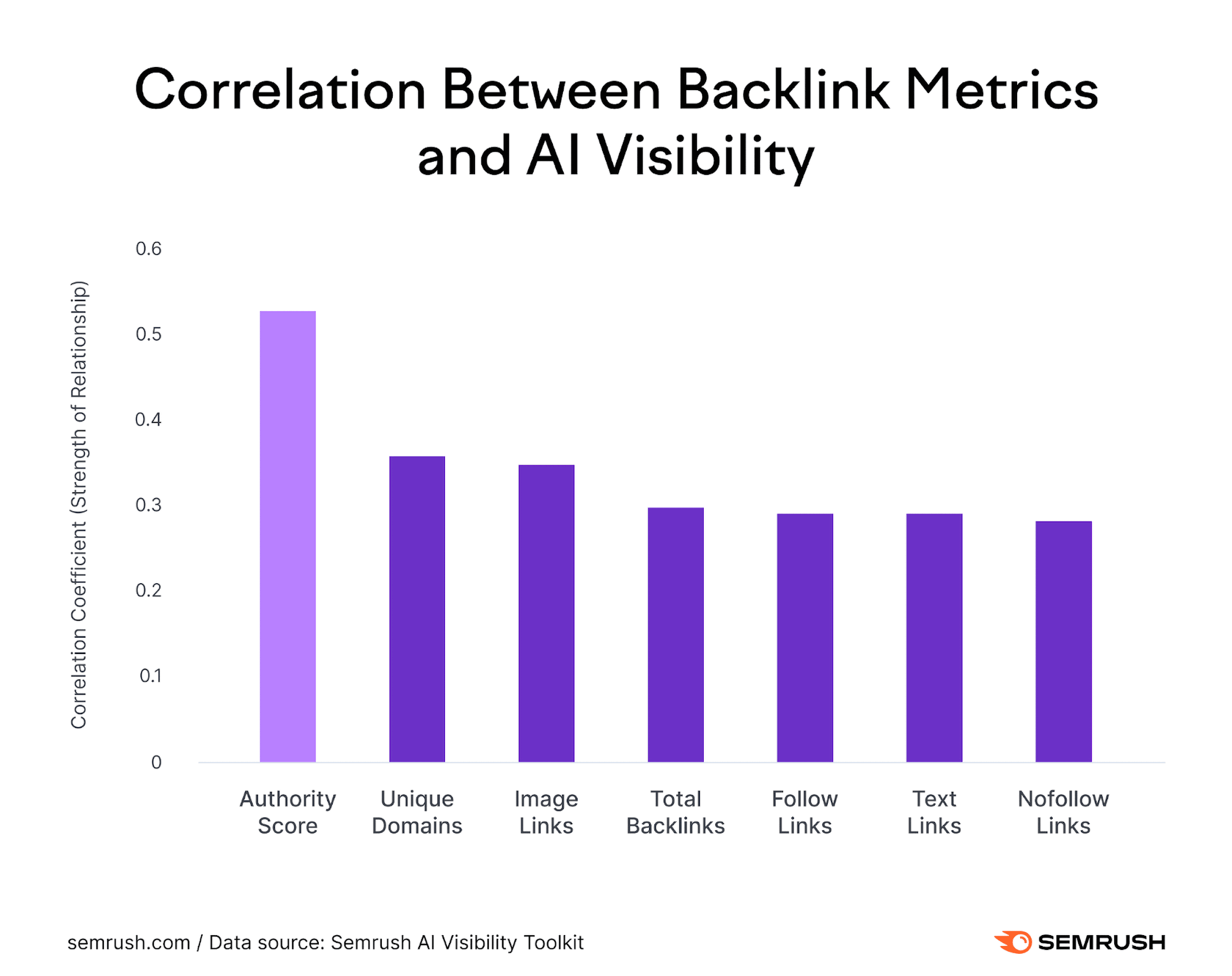
Data-led PR centers on the creation and distribution of original research, industry studies, or comprehensive statistical roundups. This approach is exceptionally effective in building high-quality backlinks, which remain a crucial indicator of authority even in AI search. A Semrush study analyzing 1,000 domains confirmed a strong correlation: brands possessing greater backlink authority are significantly more likely to feature in AI-generated answers. Further supporting this, a study by Seer Interactive identified domain authority and high-quality backlinks (specifically from DA 60+ sites) as two of the top metrics influencing AI visibility.
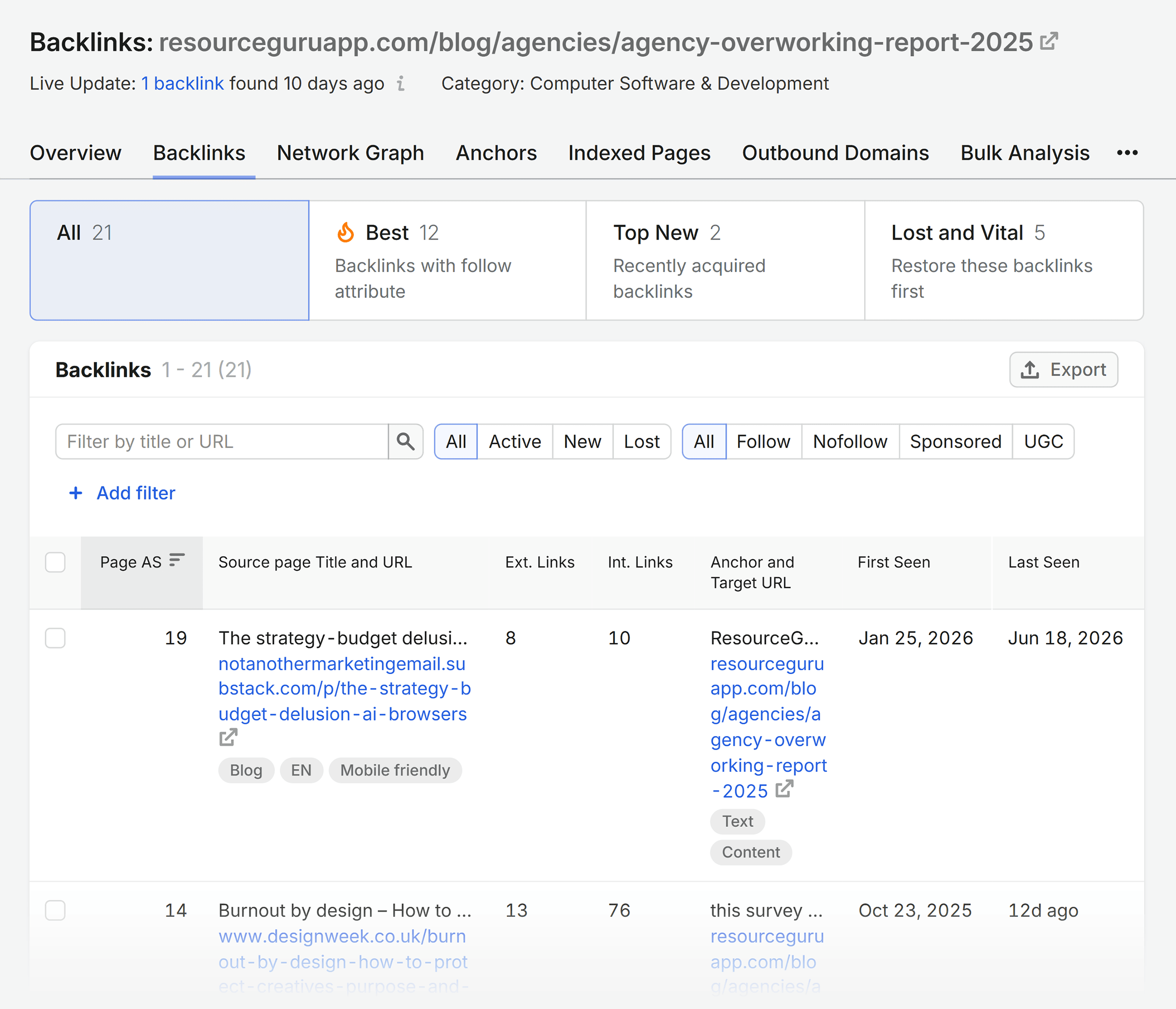
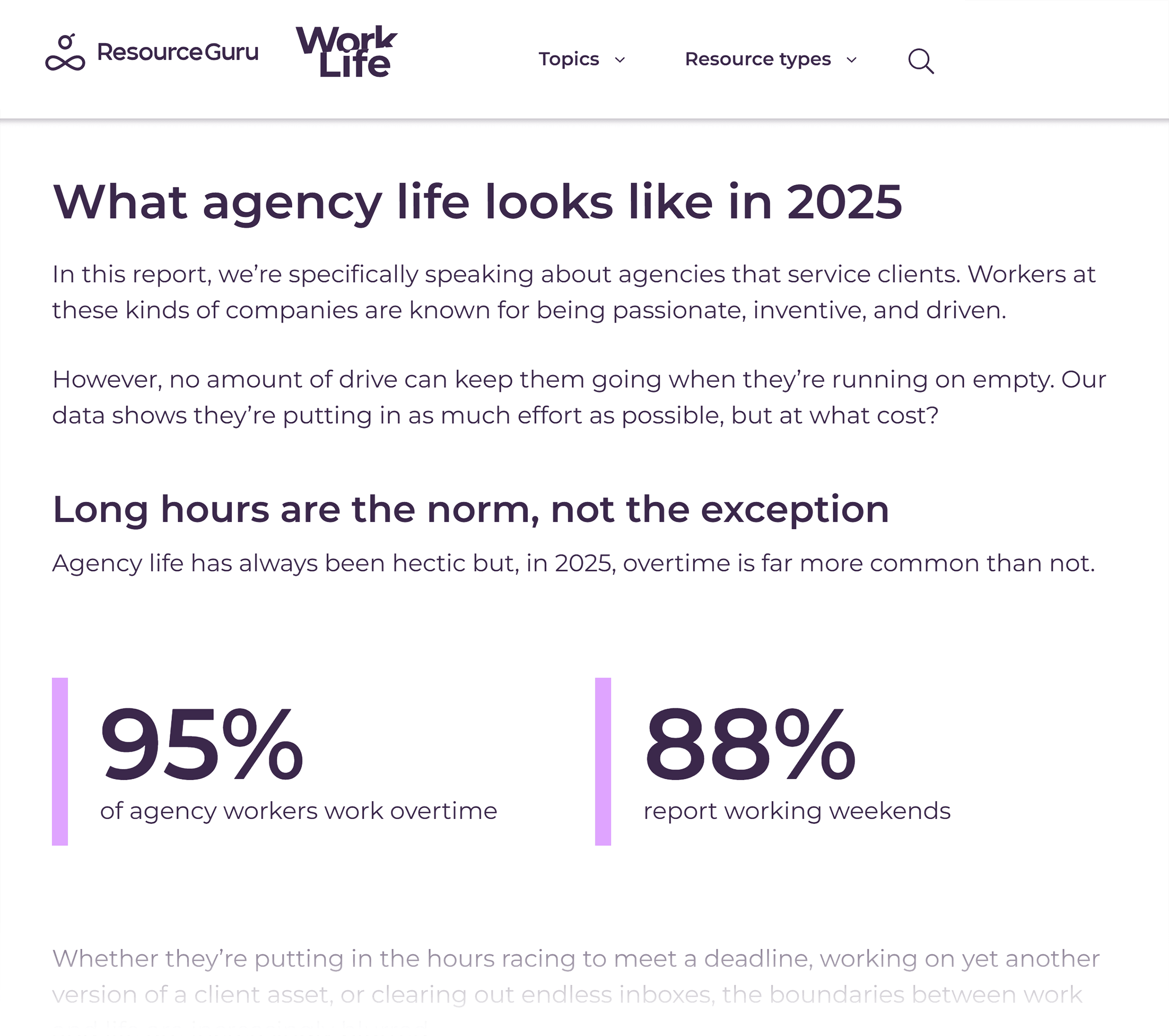
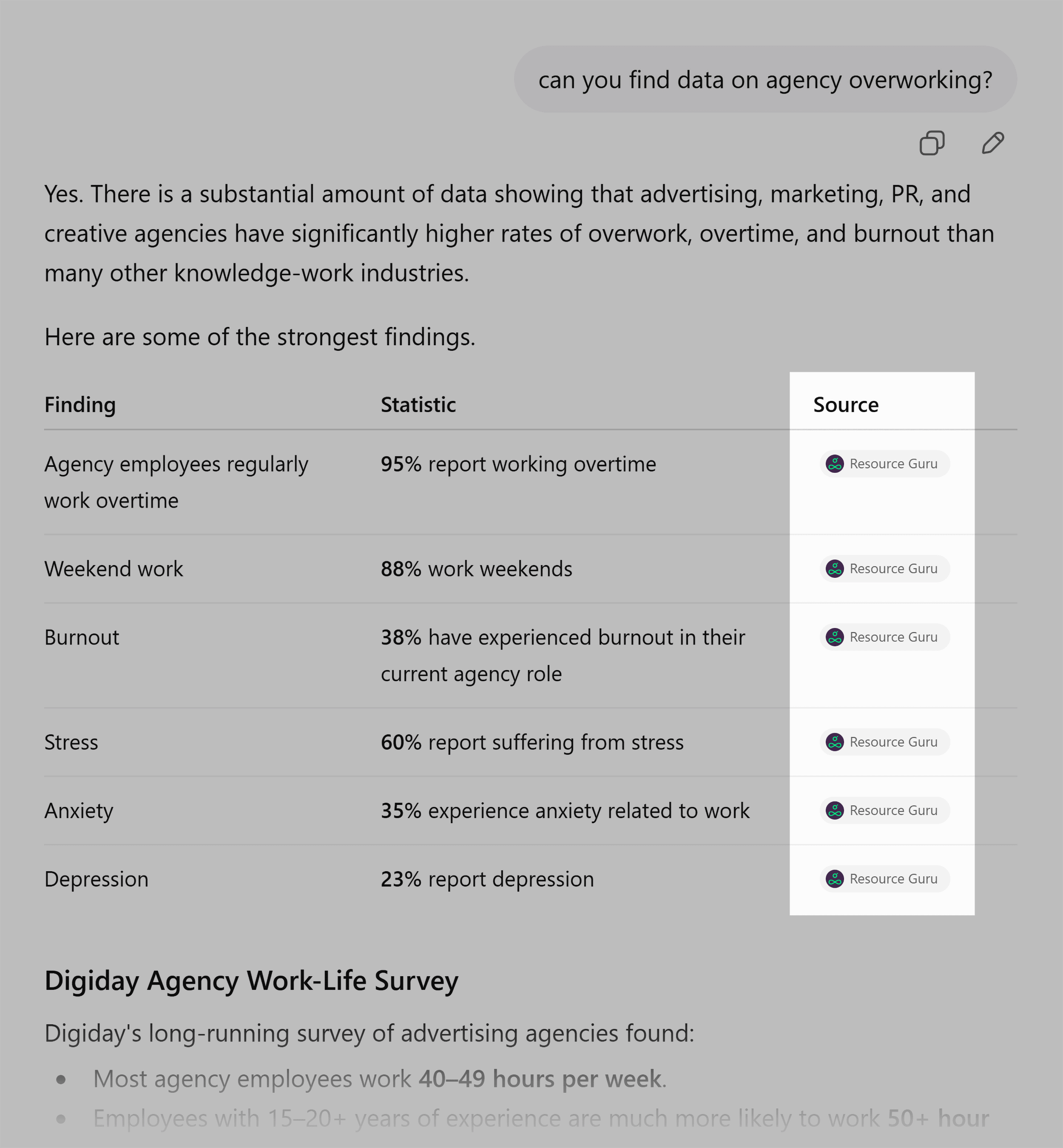
The appeal of original data is universal. Journalists, content creators, and marketers are constantly seeking credible statistics to substantiate their articles, reports, and arguments. By providing fresh, proprietary data, a brand positions itself as a primary source, making it an indispensable reference point. For instance, Vahan Poghosyan, Co-founder & Head of Digital PR at Loopex Digital, highlighted how "The Agency Overworking Report 2025" for his client, Resource Guru, naturally garnered 21 backlinks, including coverage in Forbes, and is consistently cited in AI answers.
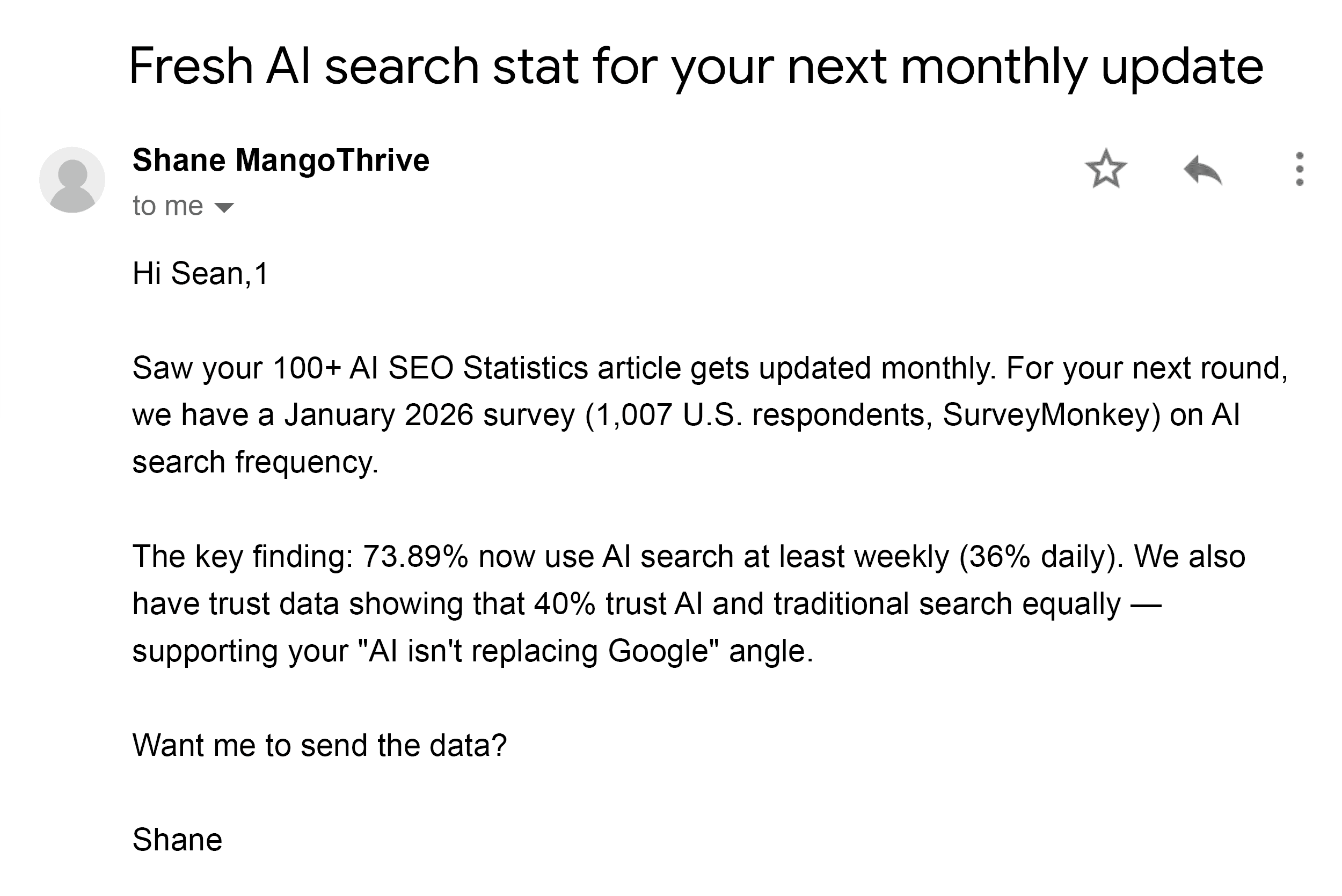
Implementation: To execute a data-led PR strategy, brands should first identify unique insights they can uncover within their industry. This could involve conducting proprietary surveys, analyzing internal data to reveal industry trends, or compiling extensive statistical roundups on niche topics. Once published, proactive outreach is key. Identify articles referencing outdated statistics or broken links, and offer your fresher data as a valuable replacement. Additionally, pitch your research to existing statistical roundup pages that are frequently updated, increasing the likelihood of inclusion.
2. AI Citation Outreach: Direct Engagement with AI’s Sources
AI citation outreach involves strategically securing placements within the specific content and publications that AI models are already known to reference. This is often the quickest route to gaining brand mentions in AI responses because it directly inserts a brand into the AI’s existing knowledge graph.
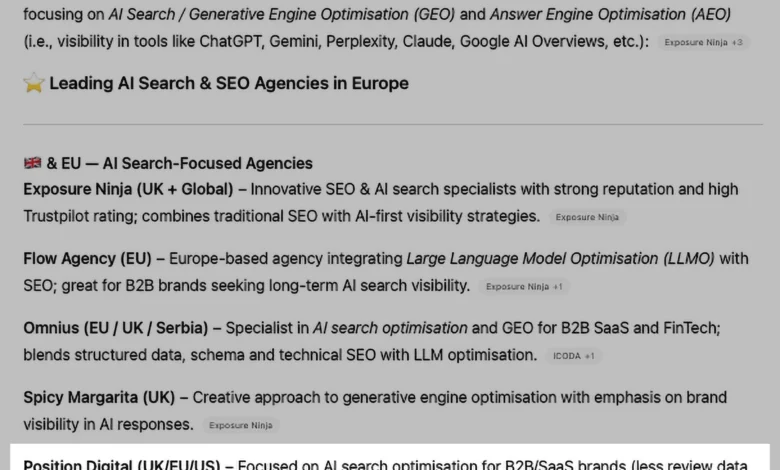
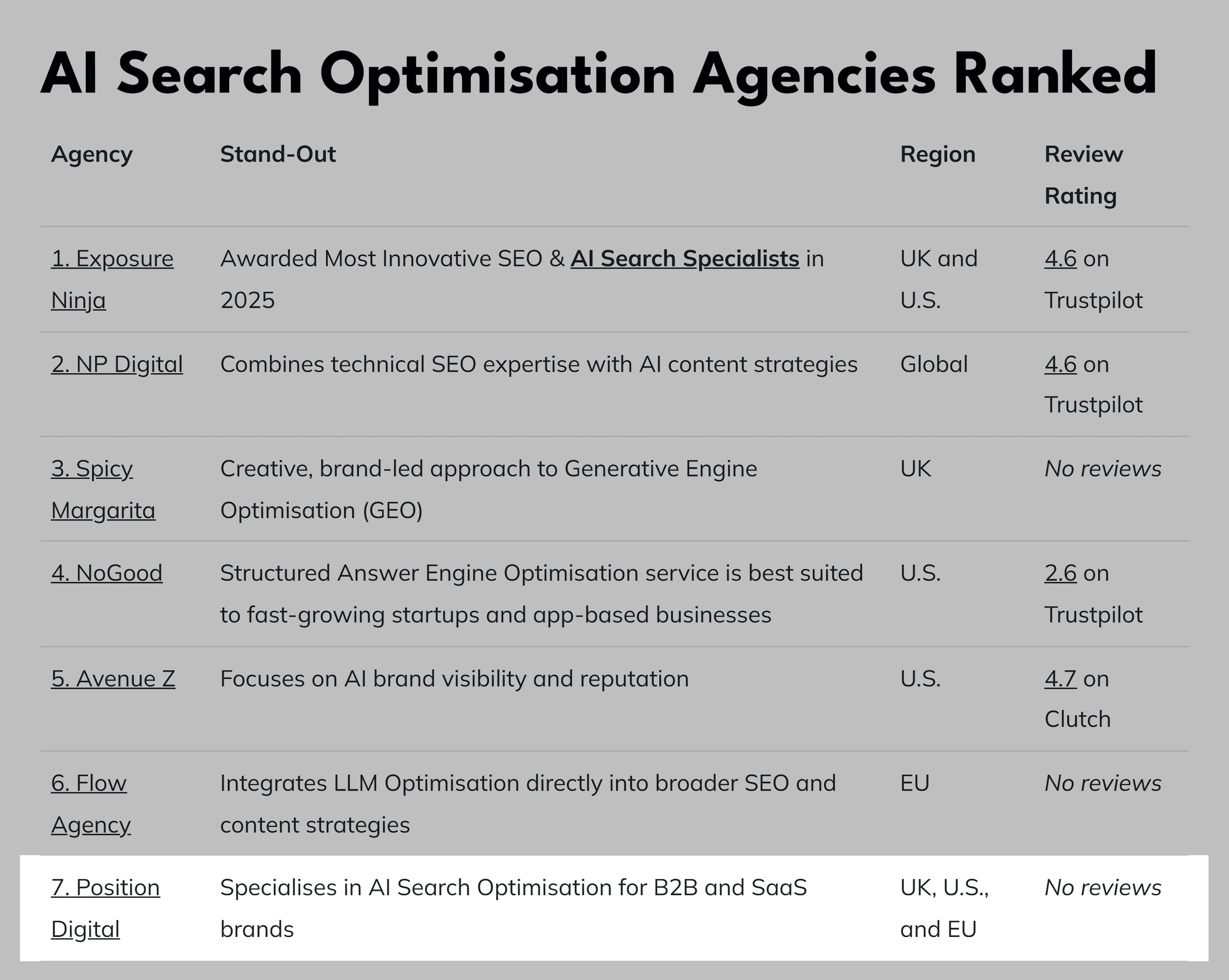
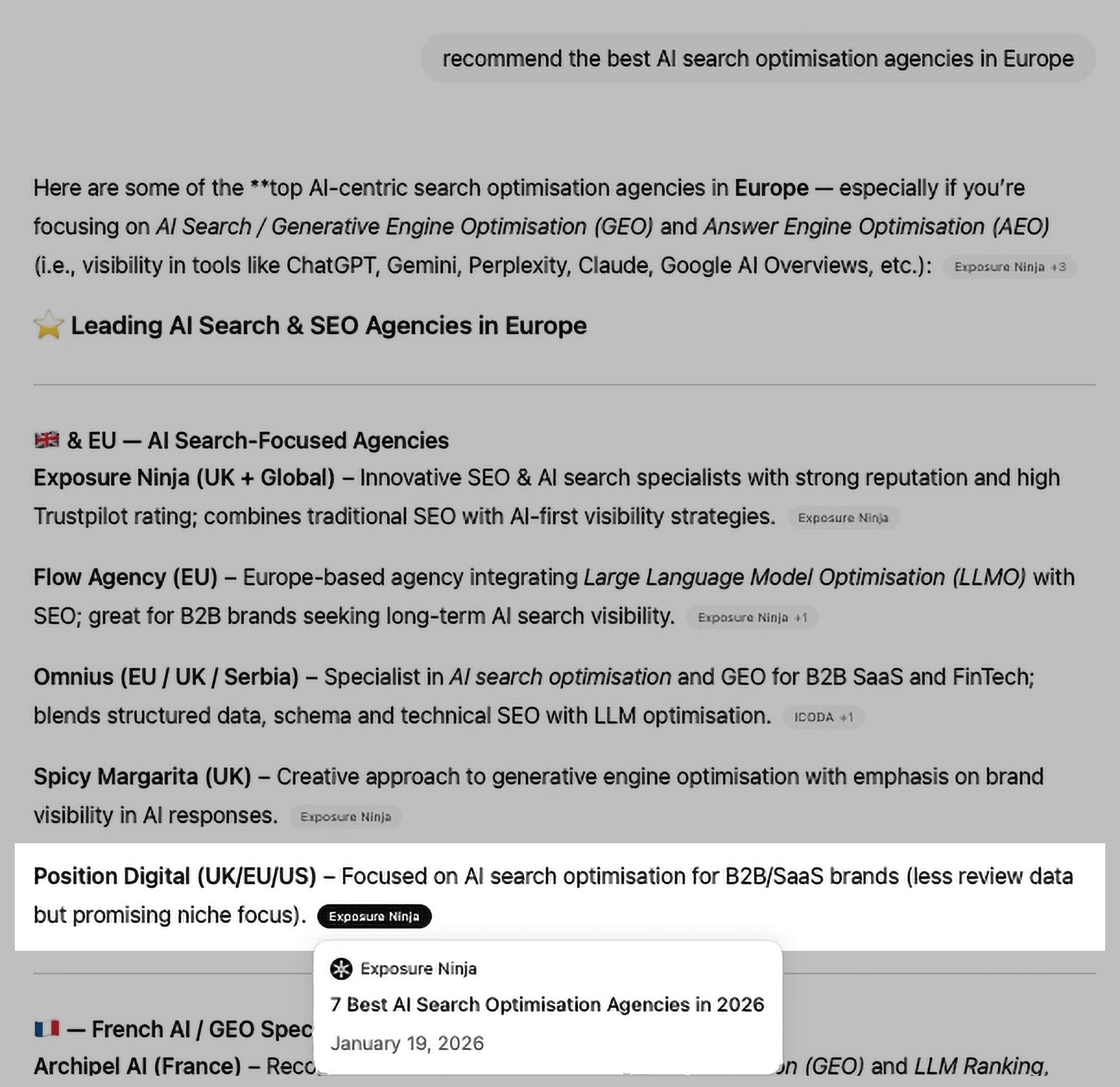
The principle is straightforward: if a brand can be mentioned in the content that AI already trusts and cites, it directly influences the answers AI provides. For example, the agency Position Digital gained a recommendation in a ChatGPT response after being included in Exposure Ninja’s listicle, "The Best AI Search Optimisation Agencies in 2026." This demonstrates how a targeted placement in a relevant, already-cited source can directly translate into AI visibility.
Implementation: A nuanced approach is required, as different LLMs exhibit varying citation preferences.
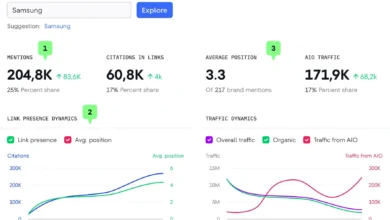
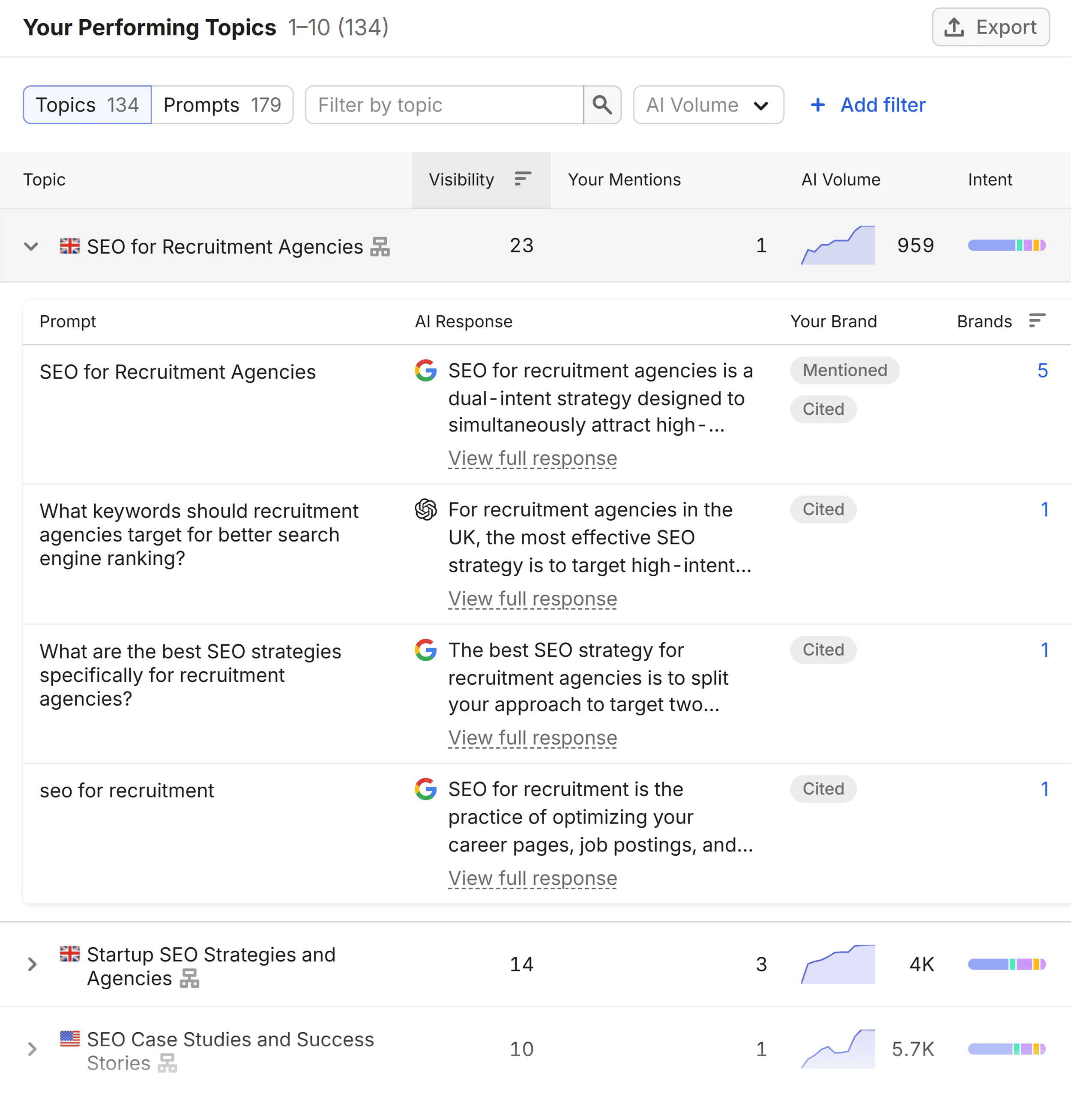
- Research User Prompts: Begin by identifying the specific questions or prompts your target audience is likely to use with AI tools. Utilize internal sales call data, Google Search Console queries, "People Also Ask" sections in SERPs, and keyword data filtered for question-based queries (who, what, how, why). Semrush’s AI Visibility Toolkit can provide direct insights into prompts and their sources.
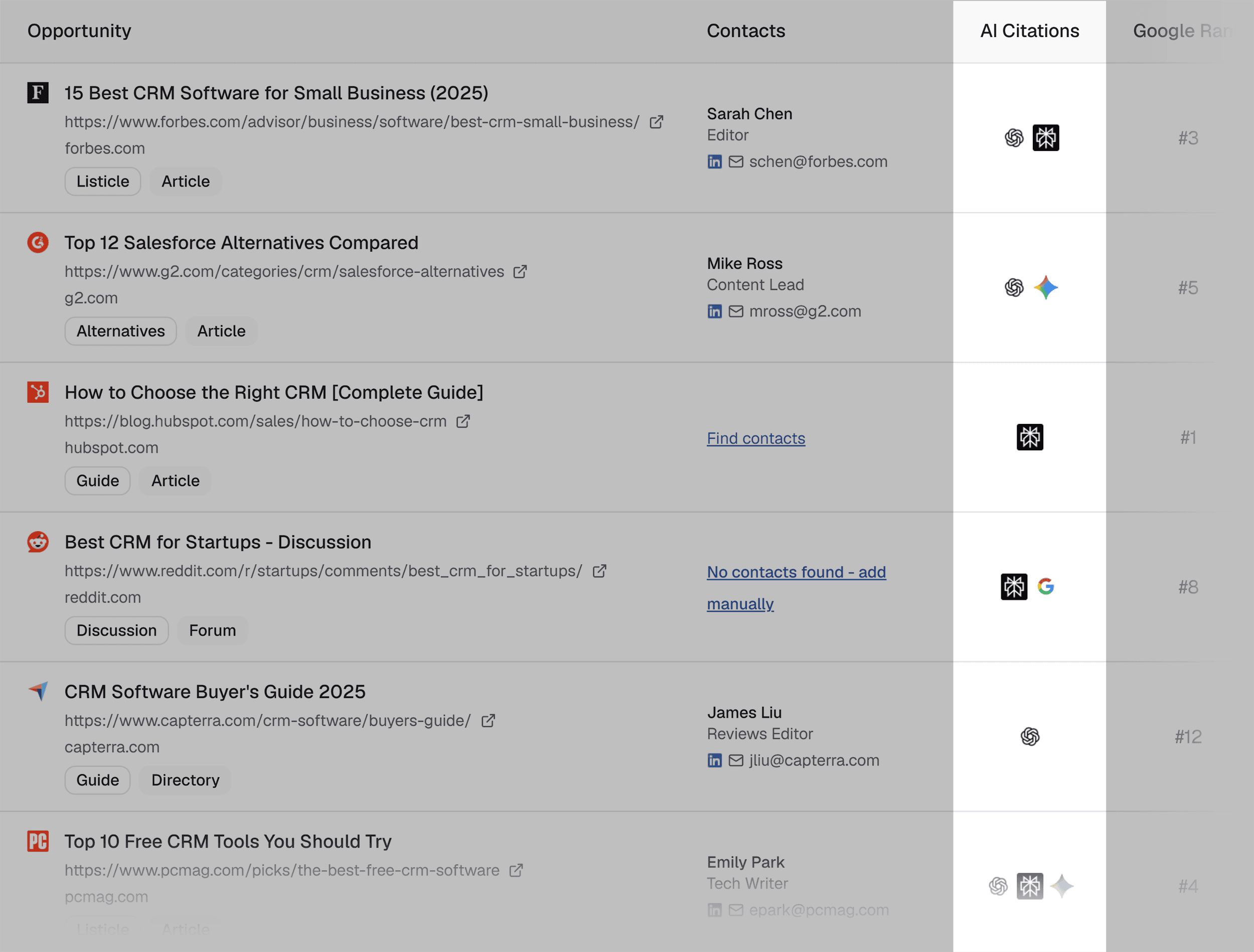
- Monitor Cited Pages: Input these identified prompts into various AI models (ChatGPT, AI Mode, Perplexity) and meticulously record the sources they cite. Tools like ListBrew can also help uncover "best X" listicles and comparison pages already being referenced by AI.
- Find Contacts: Use professional tools like Hunter or Apollo to locate the contact information of authors or editors for the identified high-value pages.
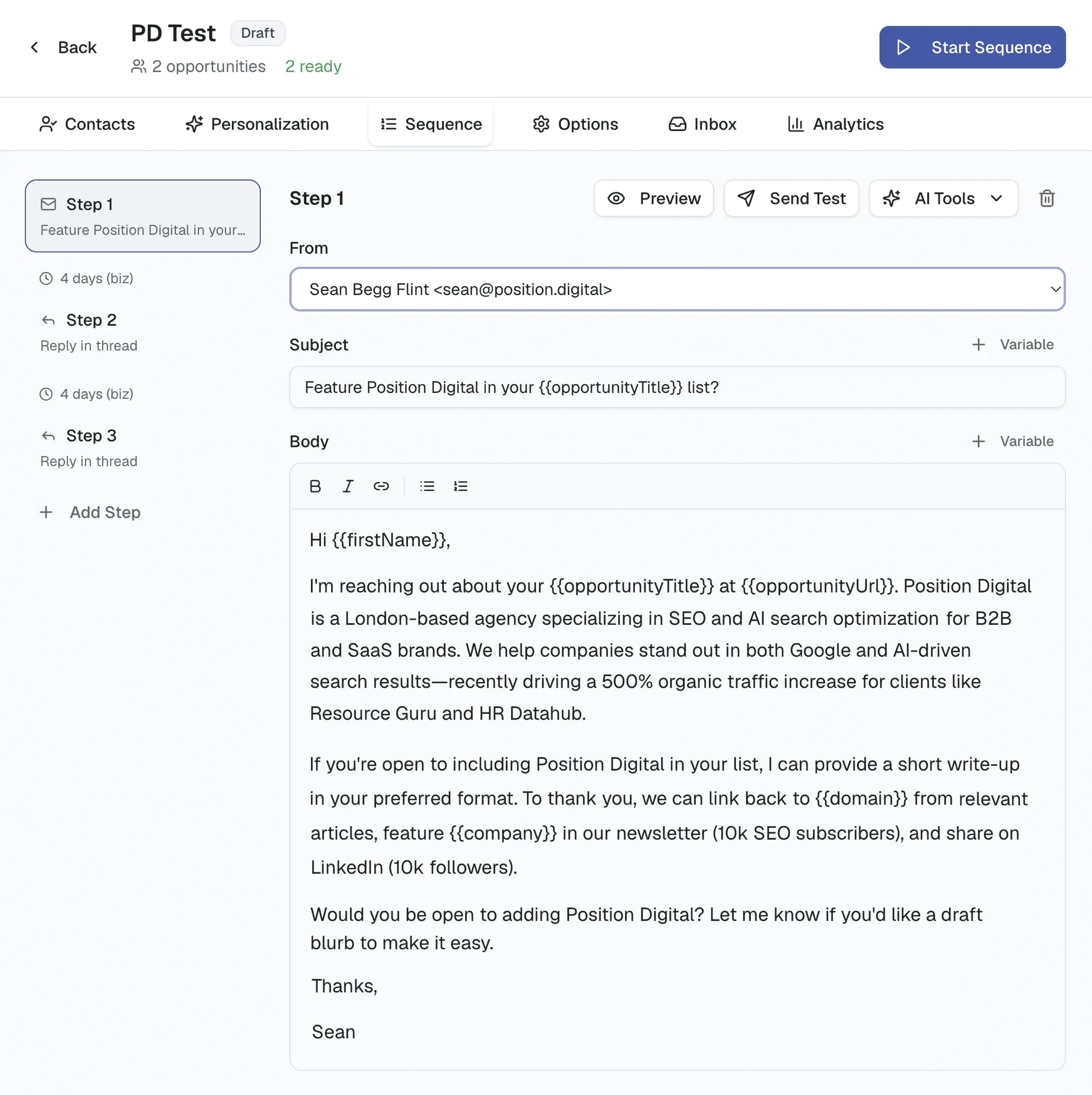
- Send Personalized Pitches: Craft concise, highly personalized pitches. Offer something of value in return, such as social media promotion, a guest post, or a link exchange. Crucially, provide a ready-to-use blurb about your brand that the author can easily copy and paste, simplifying their task and increasing your chances of inclusion.
3. Reactive PR: Capitalizing on Real-Time Trends
While many digital PR campaigns require extensive planning, reactive PR thrives on speed and agility. It involves being among the first to respond to breaking news, emerging trends, and evolving industry topics.
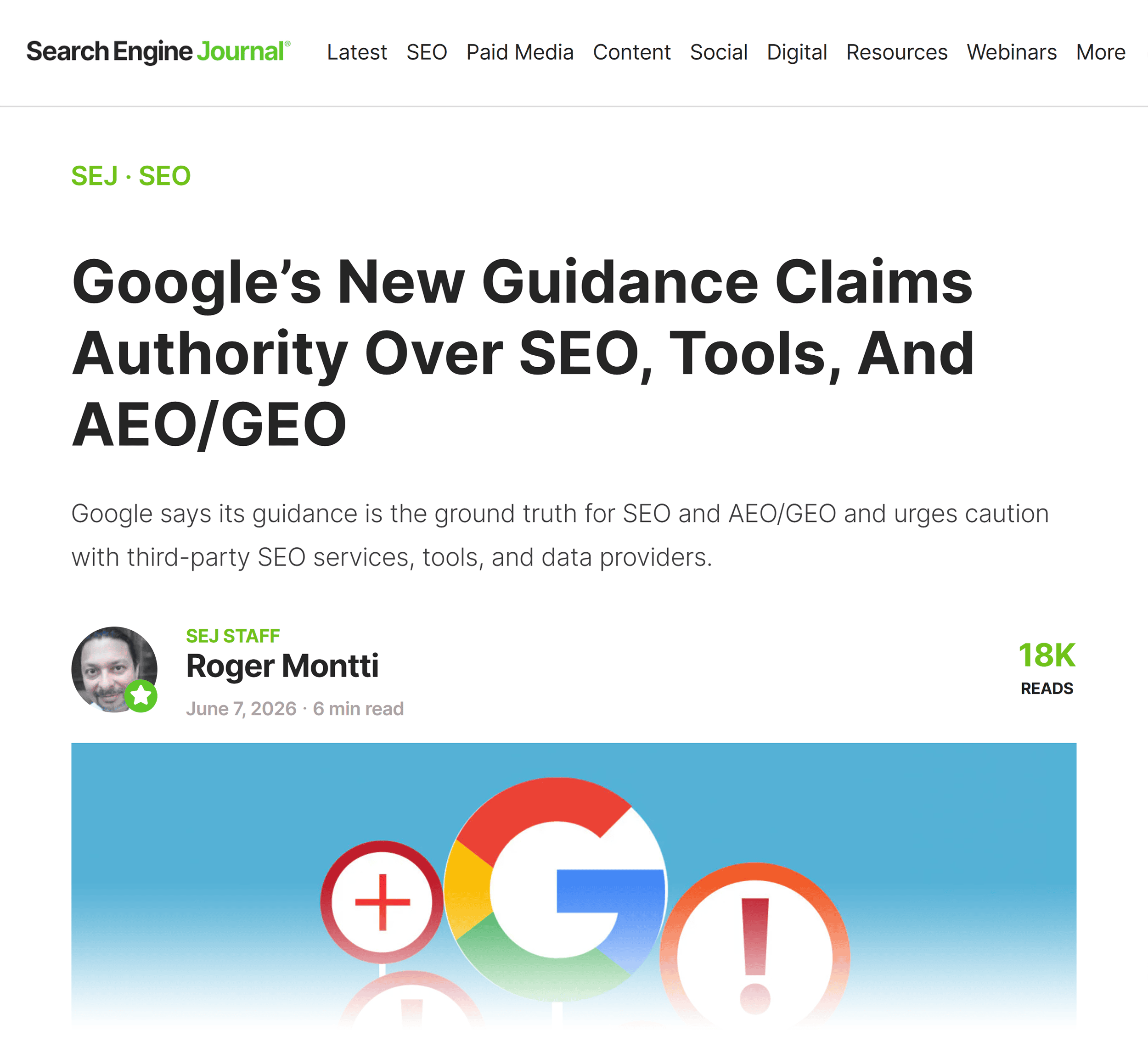
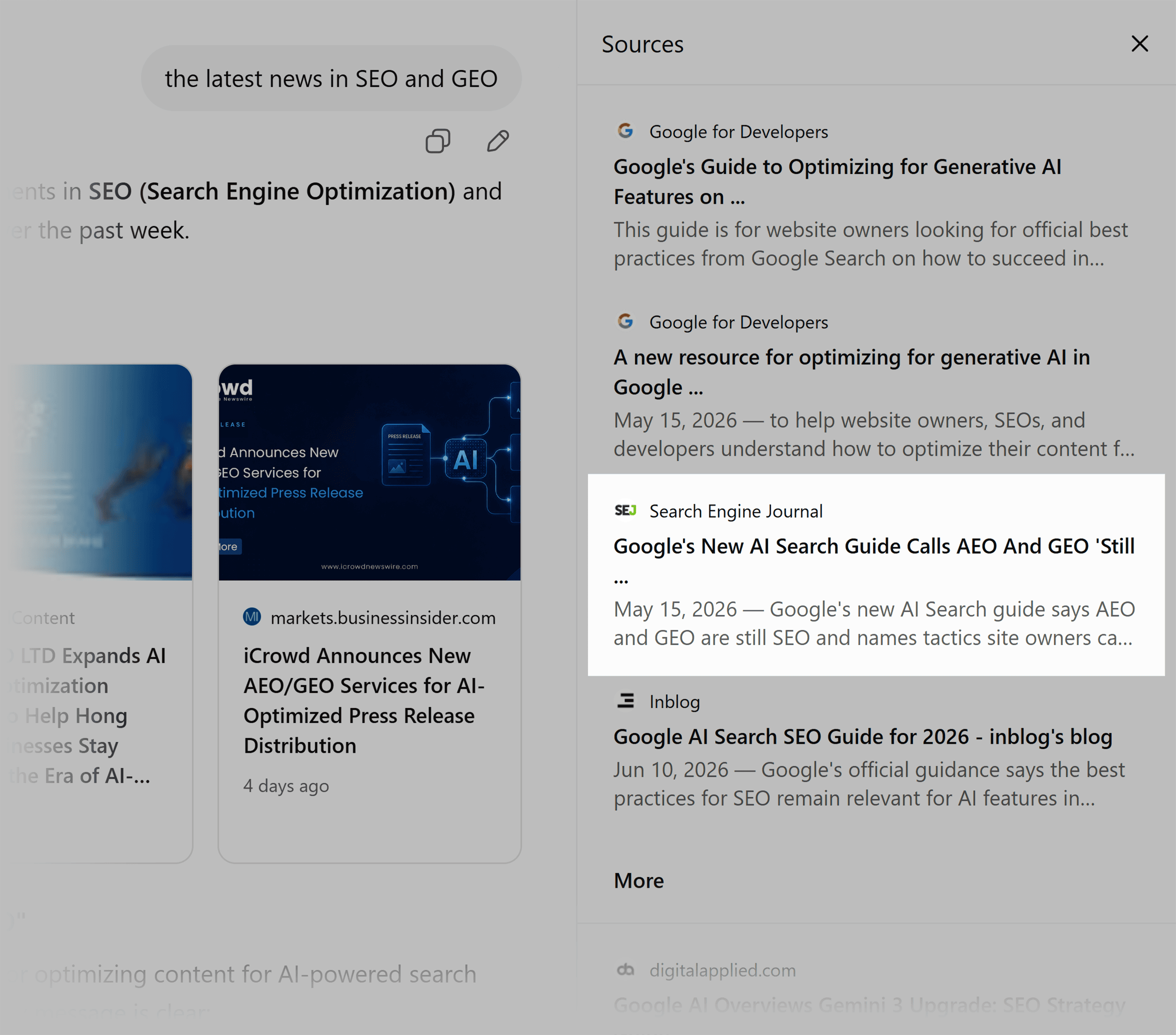
AI systems, particularly those designed to provide up-to-date information, have a "knowledge cutoff date" for their core training data. When queried about recent events, these models cannot rely solely on their pre-existing knowledge; they must actively search the live web for fresh, credible sources. This creates a critical window of opportunity. If a brand can publish timely, insightful commentary, analysis, or original reporting when a story first breaks, its content stands a significantly higher chance of being surfaced and cited by AI systems. Search Engine Journal’s rapid reporting on "Google’s New Guidance Claims Authority Over SEO, Tools, And AEO/GEO" serves as a prime example. This piece quickly garnered over 16,000 readers, 500 backlinks, and multiple AI citations, underscoring the power of swift, authoritative reactive PR.
Implementation: The challenge lies in anticipating trends before they become mainstream.
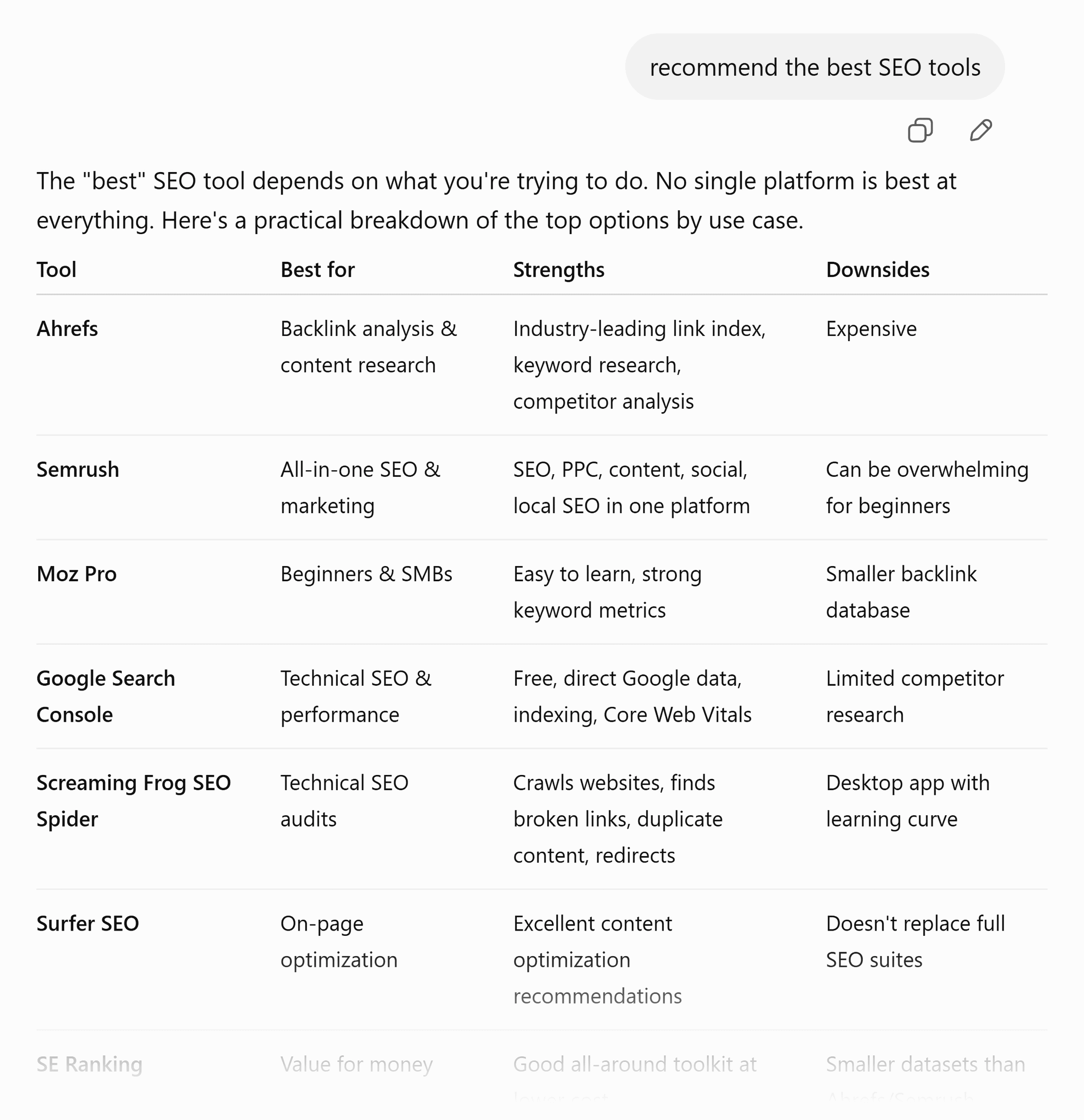
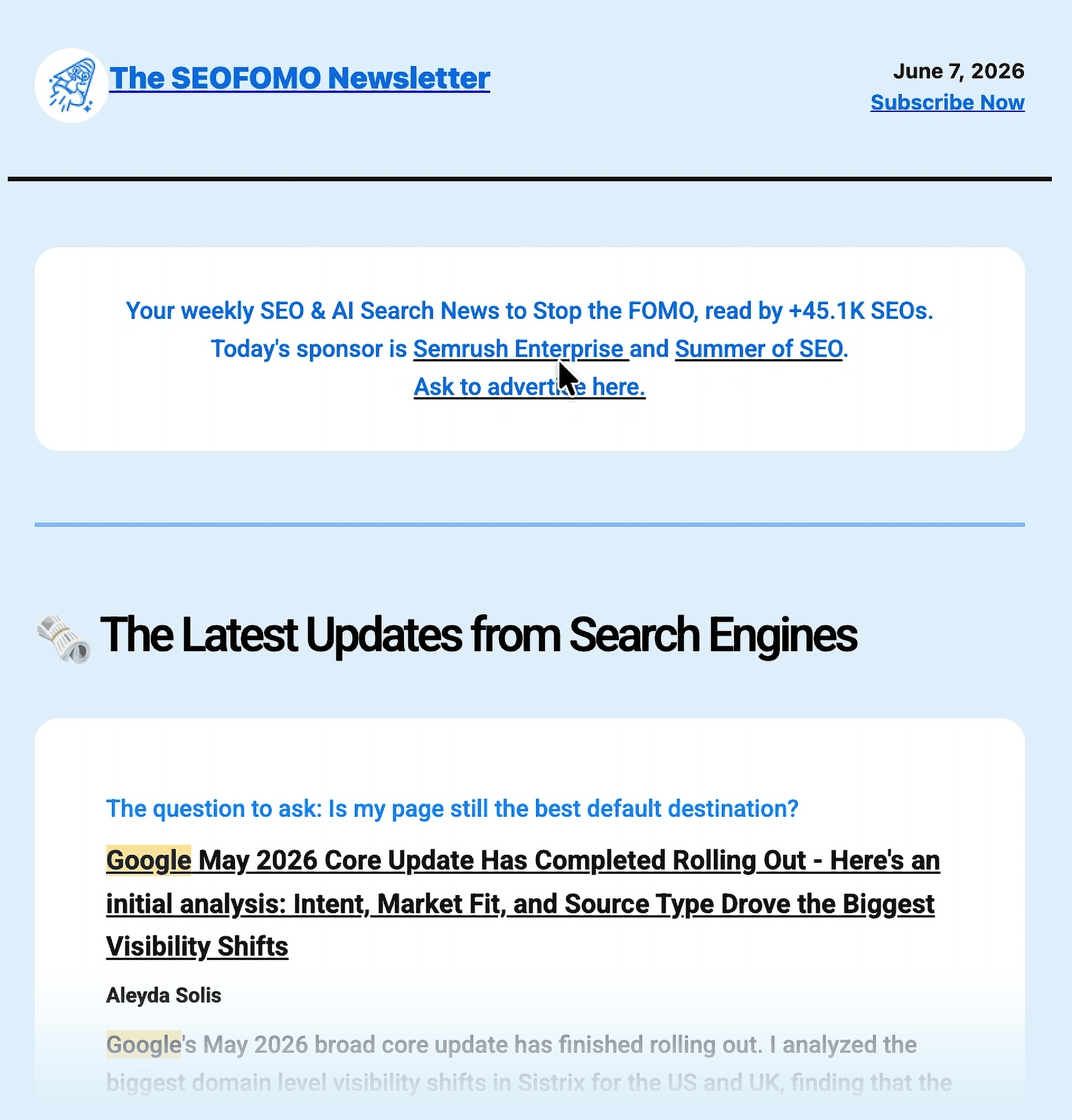
- Early Trend Identification: Monitor industry-specific news feeds, social media (Twitter lists of influencers, Reddit subreddits, LinkedIn groups), expert newsletters (e.g., SEOFOMO), and emerging topics on platforms like Google Trends. Pay attention to early signals and discussions among thought leaders.
- Rapid Content Creation: Once an opportunity is identified, move quickly to publish relevant commentary, analysis, or reports on your own website and social media channels. The quality of insight and speed of publication are paramount.
- Targeted Outreach: Immediately pitch your content to major news outlets, industry publications, and relevant journalists who are likely covering the evolving story. Position your brand as an expert source with unique insights.
4. Ego Bait: Leveraging Expert Influence for Amplification
Ego bait involves strategically creating content that features and elevates industry experts and influencers. The underlying psychological principle is that individuals are more likely to share, mention, or link to content that positively highlights their contributions or expertise.
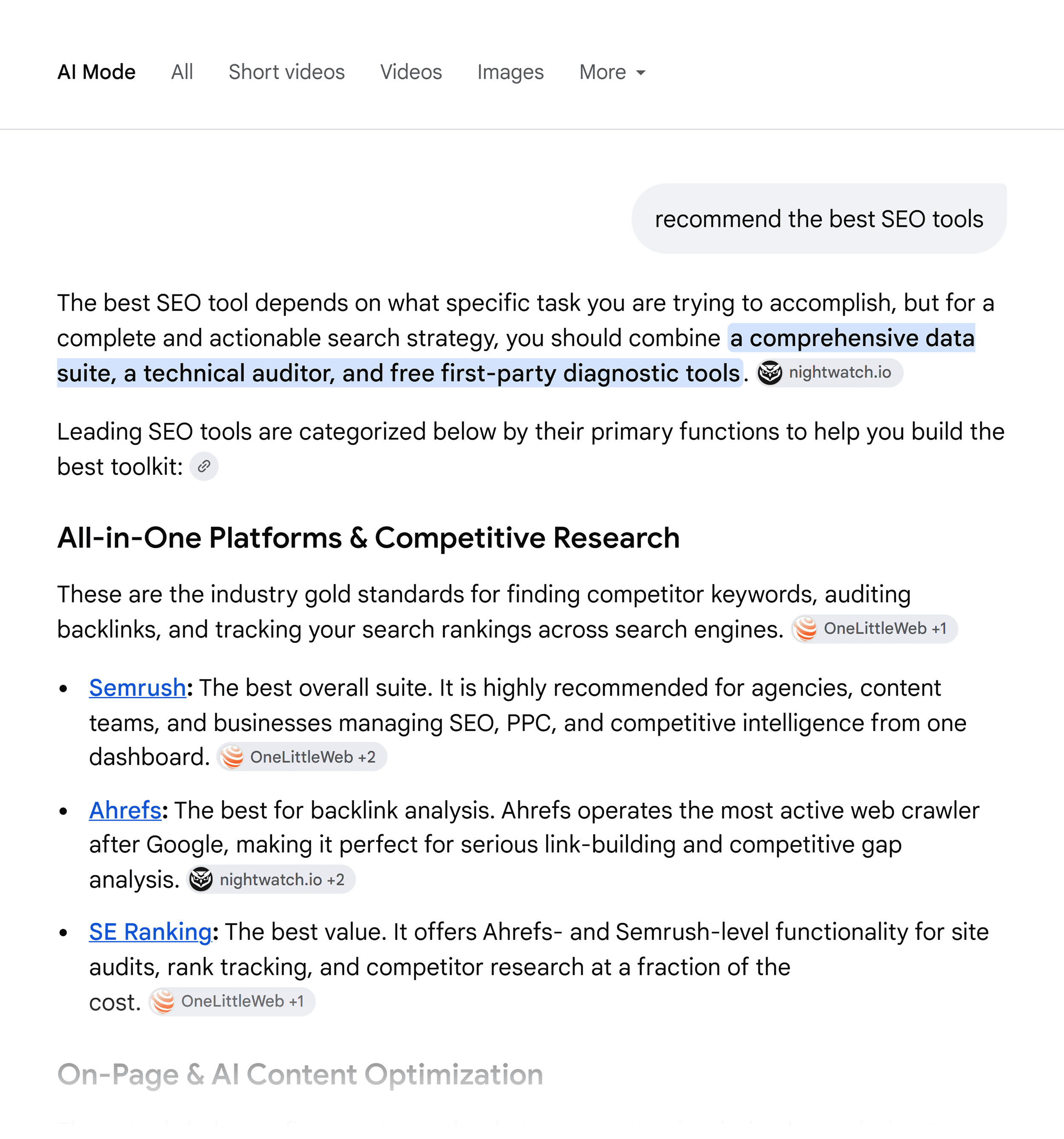
Featuring recognized experts significantly enhances a piece of content’s credibility. An AI SEO study demonstrated this effect, finding that pages incorporating expert quotes received an average of 4.1 citations in ChatGPT, compared to just 2.4 for pages without them. This expert commentary acts as a powerful trust signal for AI, making the content appear more authoritative and worthy of citation. Our own article on SEO competitor analysis, which includes insights from 20 experts, is frequently cited by both Google’s AI Overviews and AI Mode. Beyond credibility, ego bait also creates a powerful distribution channel. When experts are featured, they often share the content with their audiences, mention it on social media, link to it from their sites, or include it in their newsletters, thereby expanding the brand’s reach and accumulating valuable offsite mentions that boost LLM visibility.
Implementation: Brands can deploy several forms of ego bait:
- Expert Roundups: Utilize journalist outreach platforms like MentionMatch, Featured.com, and Qwoted to solicit expert quotes on a specific topic. Integrate the best quotes into a blog post. Upon publication, tag all contributors in a LinkedIn post, encouraging them to reshare and engage, amplifying reach.
- Case Studies and Success Stories: Develop detailed case studies highlighting the achievements of customers, partners, or collaborators. These not only flatter the featured entities but also provide compelling, shareable content that validates your brand’s effectiveness.
- Top Experts or Influencers Lists: Curate lists recognizing leading figures, companies, or voices in your industry. Examples include "Top 10 SEO Influencers to Follow" or "The Most Innovative AI Startups." Inclusion in such a credible list is often sufficient incentive for experts to share, and this structured content is highly amenable to AI citation.
5. Thought Leadership: Shaping Narratives and Driving Engagement
While traditional SEO content is often designed for algorithmic ranking, thought leadership content is crafted to establish a brand or individual as a recognizable and influential voice, both for human audiences and LLMs. Its primary goal is to challenge assumptions, introduce novel perspectives, and spark meaningful discussion.
Content that provokes thought and encourages debate naturally generates higher levels of engagement. This engagement translates into shares, mentions across blogs, forums, and social platforms, and ultimately, greater brand visibility across the web. When a multitude of independent sources discuss or reference a brand’s ideas, AI systems take notice. A Semrush study on LinkedIn’s AI visibility found that LinkedIn was the second-most-cited domain in ChatGPT, AI Mode, and Perplexity, highlighting its importance for thought leadership. Khanh Linh Le’s "controversial take" on LinkedIn, for example, generated an unusually high number of comments relative to its likes, illustrating how challenging conventional wisdom drives engagement.
Implementation: Cultivating thought leadership requires consistent effort across several channels:
- Build a LinkedIn Presence: Regularly post original insights, analyses, and perspectives. Engage actively with other professionals’ content. Focus on creating value and sparking conversations.
- Write Guest Posts for Major Publications: Utilize the "Guest Post (GP) Engine" framework: publish a core thought leadership piece on your own site, then create variations or complementary pieces for high-authority industry publications. This strategy, as demonstrated by Position Digital’s "Content Refreshes" articles cited by AI Overviews across multiple domains (Position Digital, Sitebulb, Surfer SEO), establishes broad authority on a topic.
- Appear as Podcast Guests: Podcasts are an often-underutilized channel for thought leadership. A single appearance can generate brand mentions, backlinks, new audiences, and increased visibility for AI. Start by pitching to smaller, niche podcasts in your industry to build experience and relationships, gradually working towards larger shows as your reputation grows.
6. Community Building: The Power of Independent Validation
Community building involves actively establishing a brand’s presence on third-party forums, review sites, and customer rating platforms. These platforms are increasingly treated by AI models as trusted, independent sources of information, validating a brand not by what it says about itself, but by what its users and the wider community say.
The data unequivocally supports the AI’s preference for neutral, community-driven sources. A Semrush AI visibility study revealed that LLMs cite Reddit threads discussing Microsoft products far more frequently than Microsoft’s own blog. This is a stark illustration of AI’s trust hierarchy. Beyond forums, review platforms like Trustpilot and G2, where authentic user reviews and ratings are shared, also carry substantial weight. A Seer Interactive study of 800,000 AI responses found that brands without a Trustpilot profile had a median AI citation rate of just 1%, which dramatically jumped to 53.5% for brands with even a minimal profile (1 to 13 reviews). The implication is clear: when confronted with a brand’s self-description versus the collective voice of its users, AI frequently defers to the latter.
Implementation: Brands must engage authentically and strategically within these communities:
- Contribute Insights on Q&A Platforms: Actively participate in relevant Reddit subreddits and Quora spaces. Provide helpful, expert answers to questions related to your industry. Be transparent about your affiliation but prioritize being a genuine contributor rather than a marketer. Aim for 3-5 meaningful contributions per week. Consider hosting an "Ask Me Anything" (AMA) session to directly engage with the community.
- Create Optimized Profiles on Review Sites: Establish and actively manage profiles on platforms relevant to your industry, such as Trustpilot, G2, Capterra, Yelp, or industry-specific review sites. Proactively encourage existing satisfied customers to leave positive reviews and ratings.
- Write Content on Medium: Medium is frequently cited by AI models. Use it to republish condensed versions of your existing blog content or share original perspectives that complement your primary content strategy. This expands the reach of your ideas and increases their chances of being cited by AI.
The Blurring Lines: PR, SEO, and Content Marketing Convergence
The rise of AI search is not just a technological shift; it’s a strategic imperative that blurs the traditional boundaries between public relations, search engine optimization, and content marketing. These functions, once often siloed, must now converge into a holistic strategy focused on building genuine authority, fostering authentic community engagement, and earning widespread third-party validation. Marketing teams must adapt their structures and budgets to prioritize initiatives that generate earned media and cultivate a strong offsite brand presence. The implications extend to how success is measured, moving beyond traditional keyword rankings to encompass AI citation rates and overall LLM visibility.
Challenges and the Road Ahead
While the path to AI visibility through digital PR is clear, it is not without its challenges. Earning genuine third-party validation requires sustained effort, compelling content, and authentic relationships. Maintaining brand authenticity in an increasingly data-driven and AI-mediated world will be crucial. Furthermore, as AI models continue to evolve, so too will their preferences and mechanisms for information gathering, demanding continuous adaptation from marketers.
Conclusion: A New Mandate for Digital Success
In conclusion, digital PR is no longer merely a supporting activity but the central pillar for winning in the AI search landscape. The overwhelming evidence points to AI’s preference for earned media, independent validation, and community-driven insights. Brands that proactively invest in data-led content, strategic AI citation outreach, reactive PR, expert collaboration, thought leadership, and robust community building will be those that effectively capture AI’s attention and secure prominent visibility in the answers of tomorrow. Marketers must embrace this new mandate, utilizing tools like Semrush’s AI Visibility Toolkit to uncover prompts and sources, and delving into advanced strategies like LLM seeding to truly influence AI answers. The future of digital success hinges on showing up precisely where AI is already looking.