The Unseen Challenge: Why Strong Brands with Quality Content Still Struggle for Topical Authority in the Age of AI Search

In today’s dynamic digital landscape, even established brands publishing high-quality content can find themselves lacking "topical authority," a crucial element for visibility in an era increasingly dominated by artificial intelligence-driven search. This phenomenon underscores a significant shift in how search engines and large language models (LLMs) perceive and prioritize information, moving beyond mere content volume to demand a consistent, verifiable pattern of expertise.
Understanding Topical Authority in the AI Era
Topical authority, at its core, is a brand’s earned reputation as an expert on a specific subject. It is forged when a brand and its chosen topic appear together consistently and positively across a diverse array of trusted sources. Traditionally, achieving this involved comprehensive content creation around a subject, effectively "owning" the topic through sheer breadth. However, the advent of sophisticated search algorithms and conversational AI has fundamentally reshaped this definition.
The modern paradigm of topical authority is deeply intertwined with Google’s E-E-A-T guidelines (Experience, Expertise, Authoritativeness, Trustworthiness). Search engines and LLMs now meticulously evaluate not just what a brand says, but who says it, how it’s presented, and where that information is echoed across the web. This means a brand must not only cover a topic extensively but also demonstrate a clear, unique point of view (POV) and provide robust external proof to support its claims. Without this cohesive narrative, even excellent content can fail to register as authoritative.
The Great Jones Paradox: A Case Study in Missed Authority
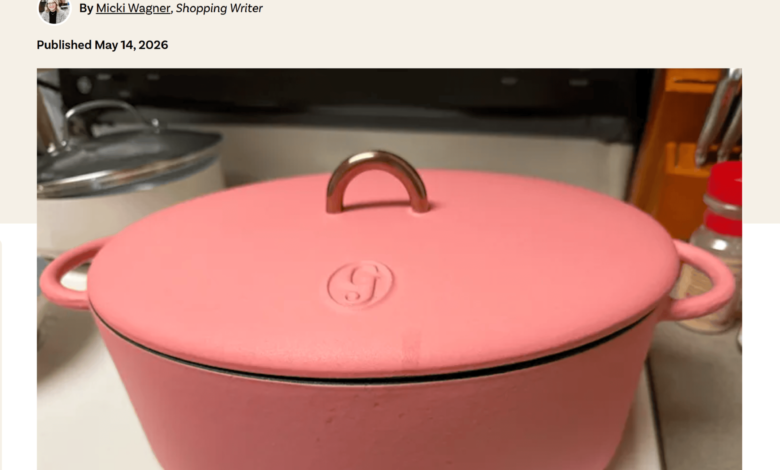
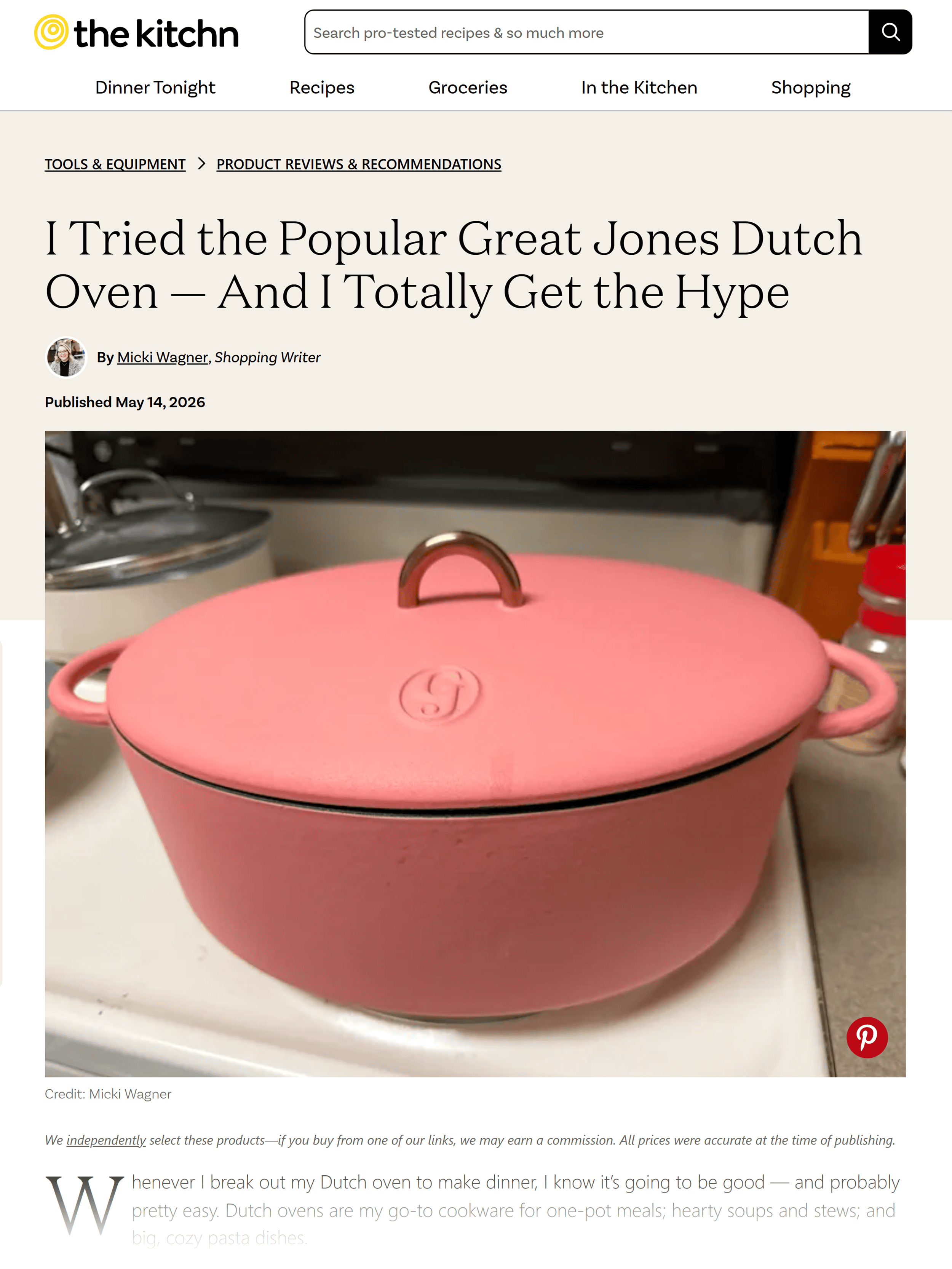
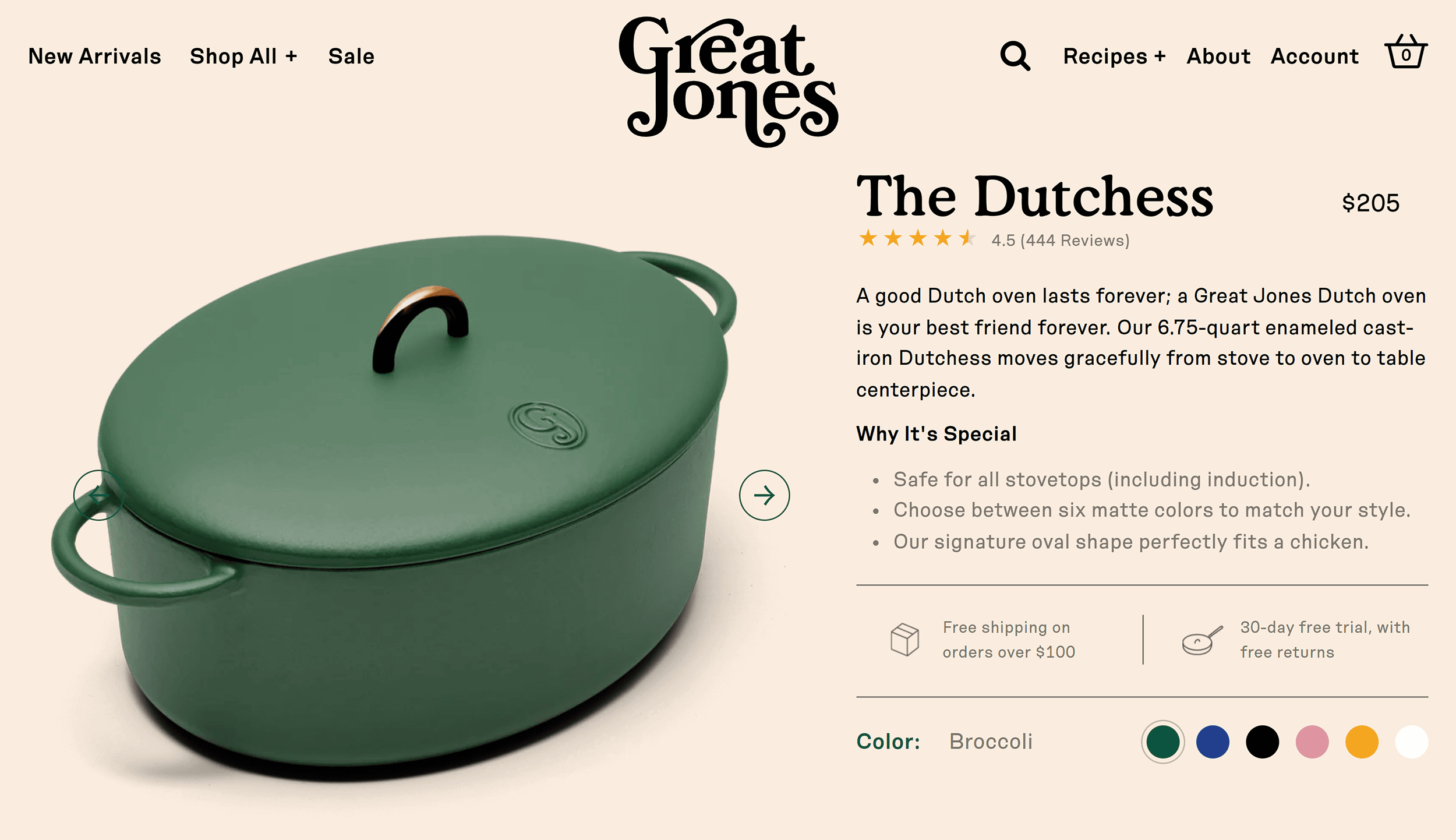
Consider Great Jones, a contemporary kitchenware company renowned for its aesthetically pleasing and highly functional products. Their flagship Dutch oven, affectionately named "The Dutchess," serves as a prime example of this topical authority gap. The product itself is lauded: beautiful design, strong customer reviews, and features in top-tier lifestyle and culinary publications such as Vogue, The New York Times, Bon Appétit, and The Kitchn. By all traditional measures of brand success and content quality, Great Jones should be a household name in the Dutch oven category.
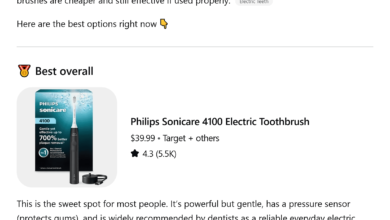
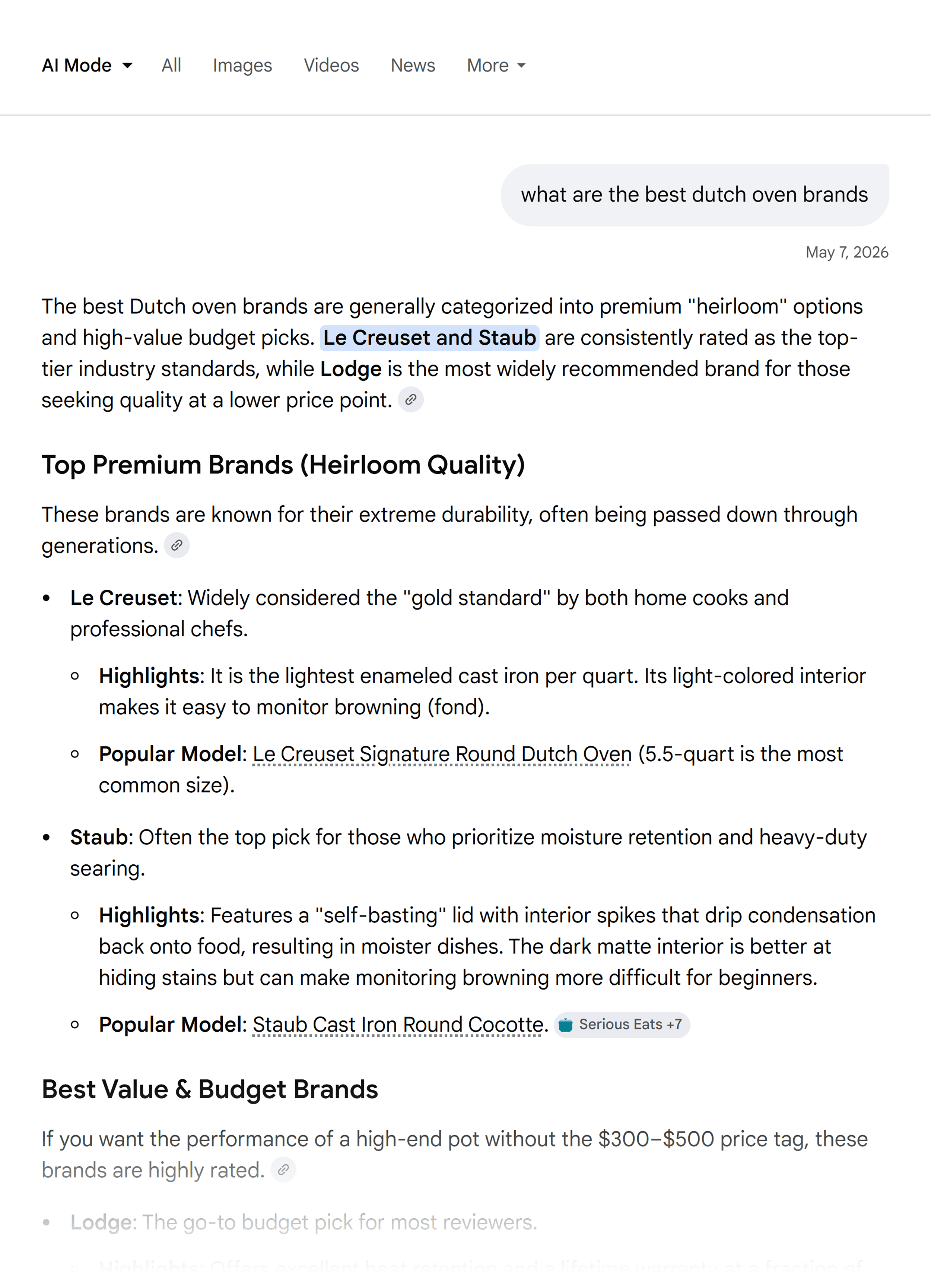
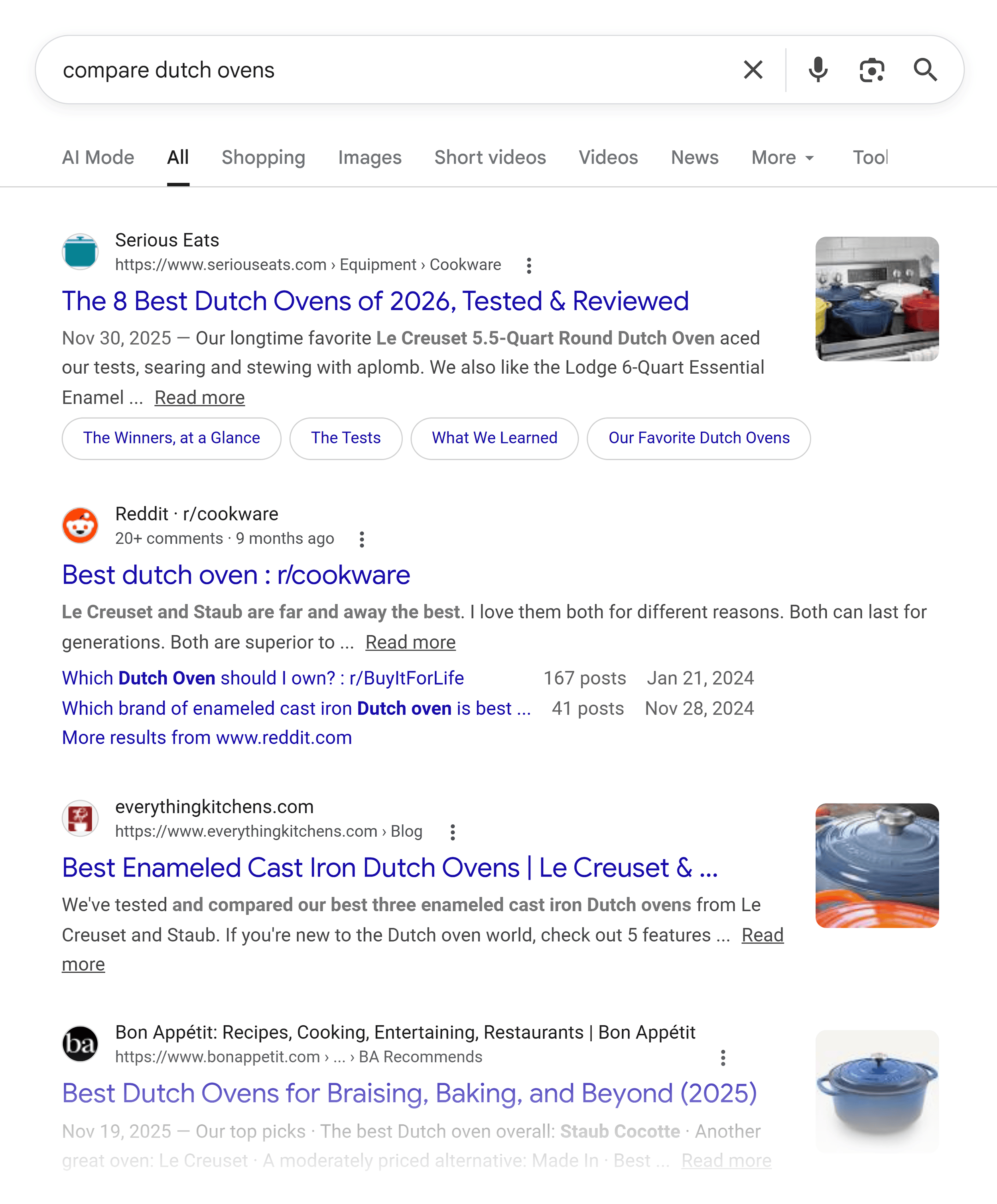
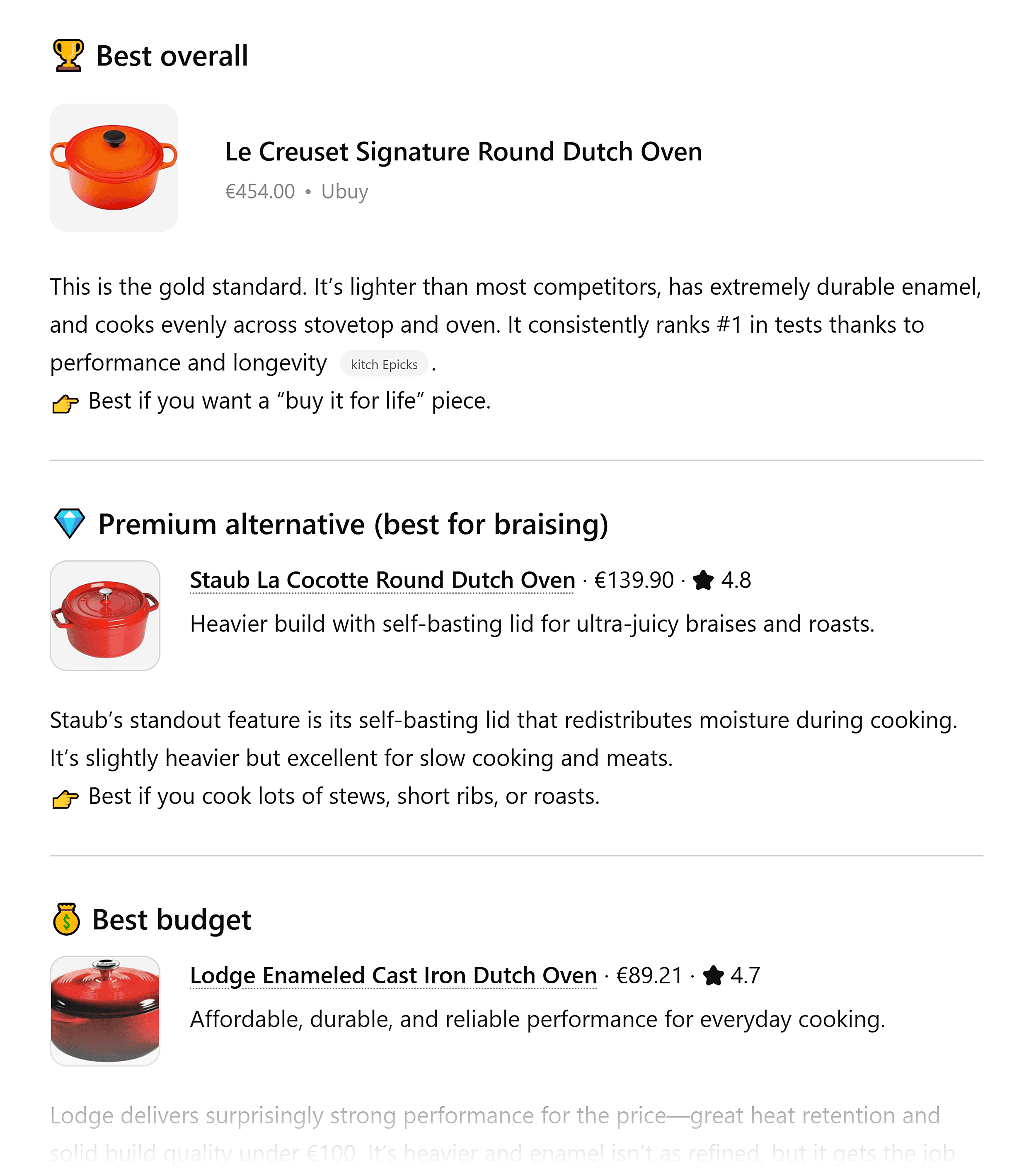
Yet, a simple search for "best Dutch ovens" on Google or a query to a leading LLM like ChatGPT often yields results that conspicuously omit Great Jones. Instead, brands like Le Creuset, Staub, Lodge, and Caraway consistently dominate these recommendations. This discrepancy highlights the core challenge: Great Jones possesses strong brand equity and impressive press, but it lacks the consistent, positive framing that explicitly links the brand to Dutch ovens in a way that AI systems can confidently interpret and recommend. Their content and external mentions, while positive, haven’t created the discernible pattern of expertise that AI prioritizes.
The Topical Authority Pyramid: A Strategic Framework for Modern SEO
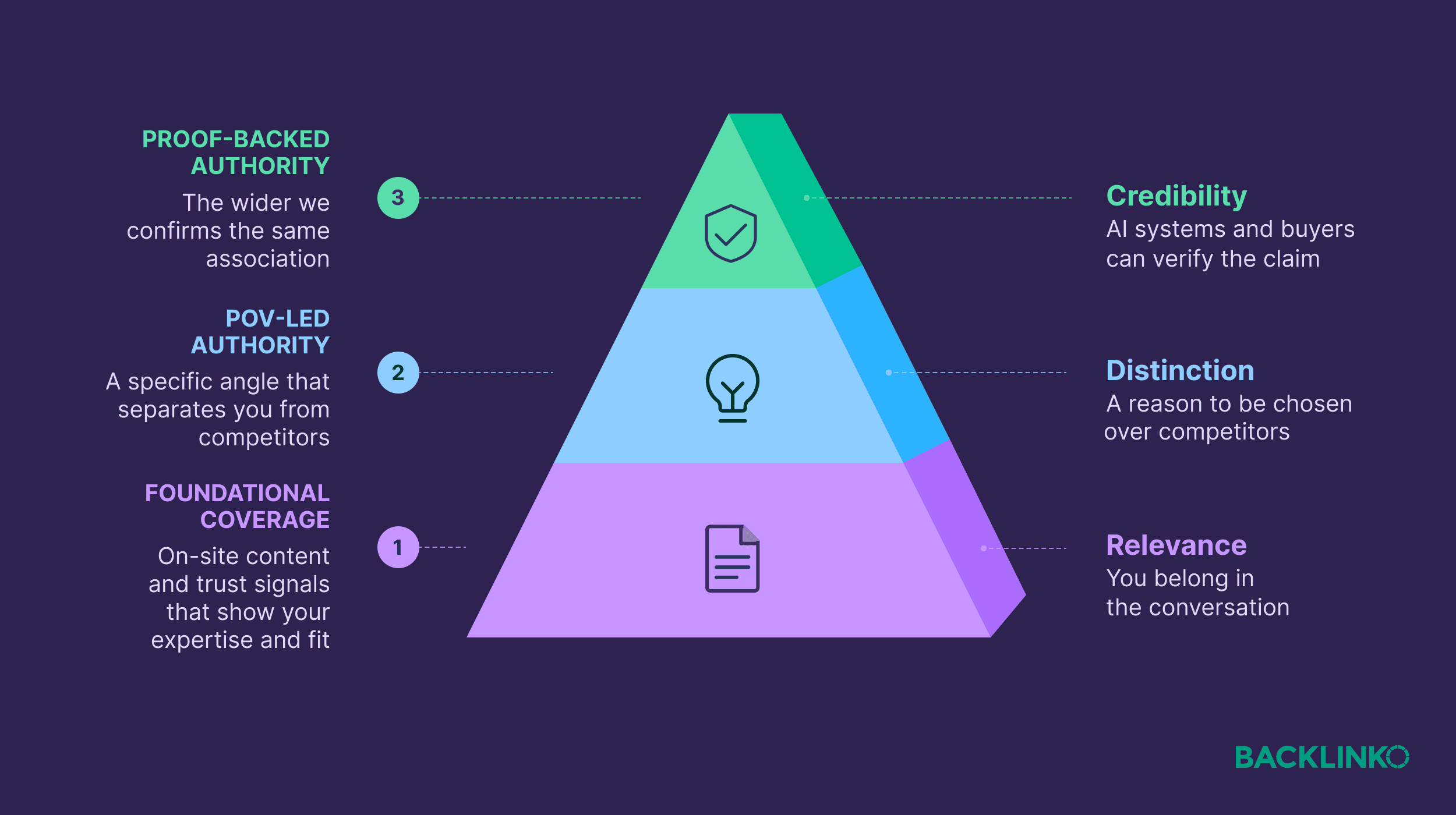
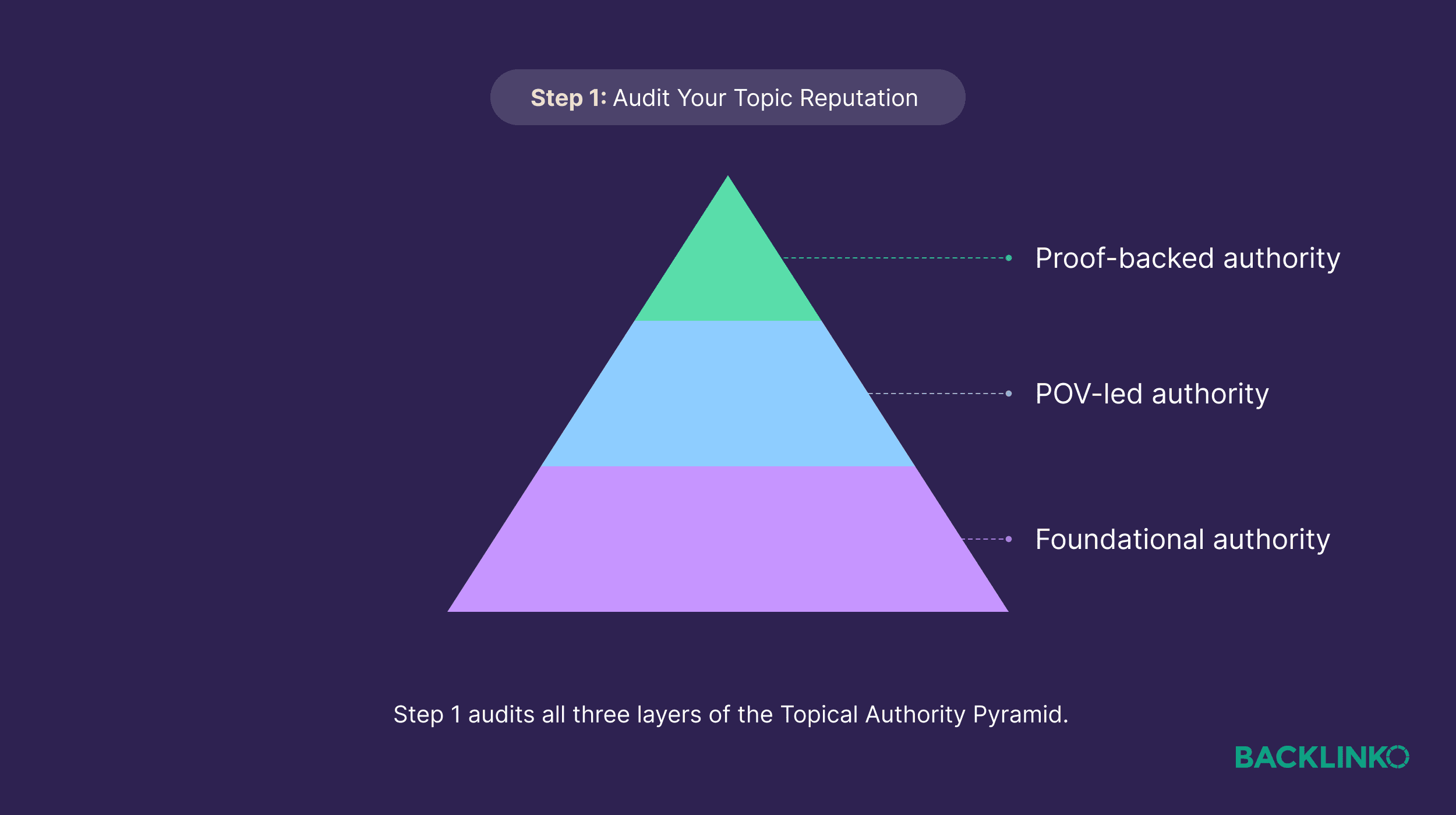
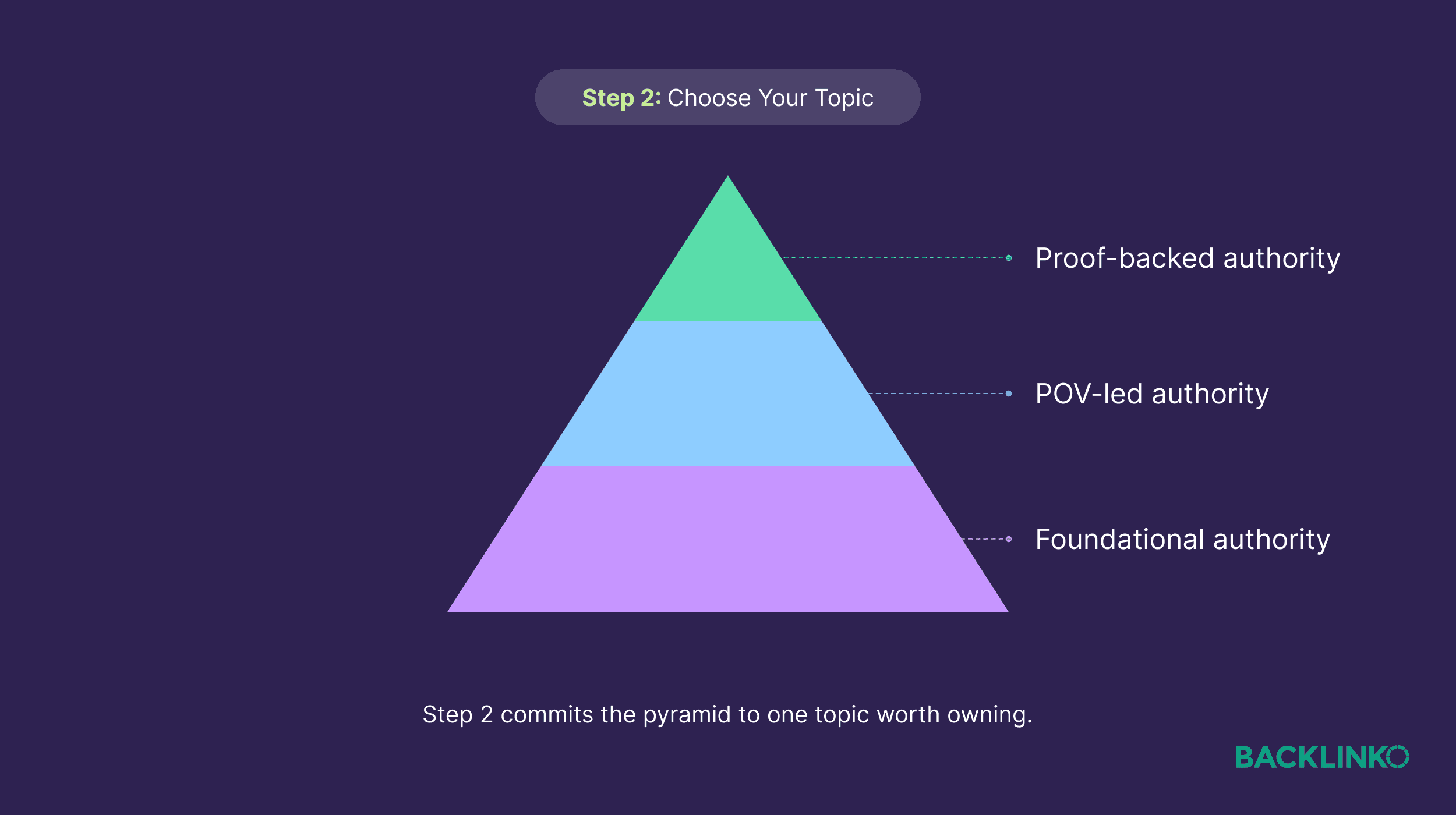
To bridge this gap and establish a brand as a definitive voice in its niche, a structured approach is essential. The "Topical Authority Pyramid" offers a robust framework, developed from insights in brand positioning across diverse sectors and in collaboration with experts like Amanda Milligan, Content and Growth Manager at Semrush. This framework organizes topical authority into three interdependent layers:
- Foundational Authority: The comprehensive coverage of a topic on a brand’s own site.
- Point of View (POV) Authority: A unique and consistent angle or perspective on the topic.
- Proof Authority: External validation from trusted third parties.
Each layer builds upon the others, working in synergy to convince both human buyers and sophisticated AI systems of a brand’s expertise and relevance. Many brands, much like Great Jones, often excel at foundational authority and possess scattered proof, but fail to articulate a clear, consistent POV that ties it all together, especially in the eyes of AI.
Step-by-Step: Building a Robust Topical Authority
1. Auditing Your Topic Reputation
Before embarking on any new strategy, understanding a brand’s current digital footprint is paramount. This involves a dual audit of both on-site and off-site associations.
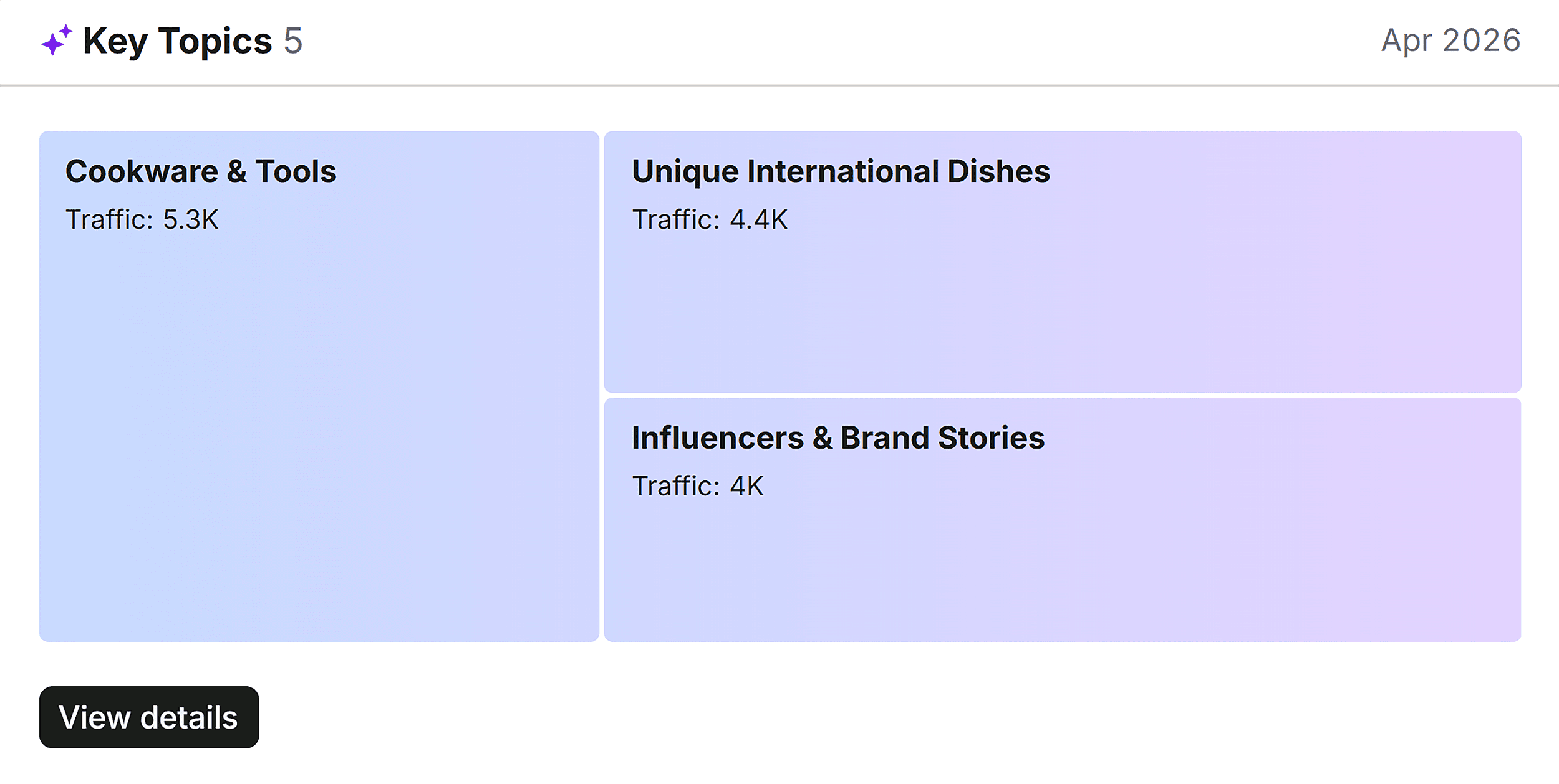
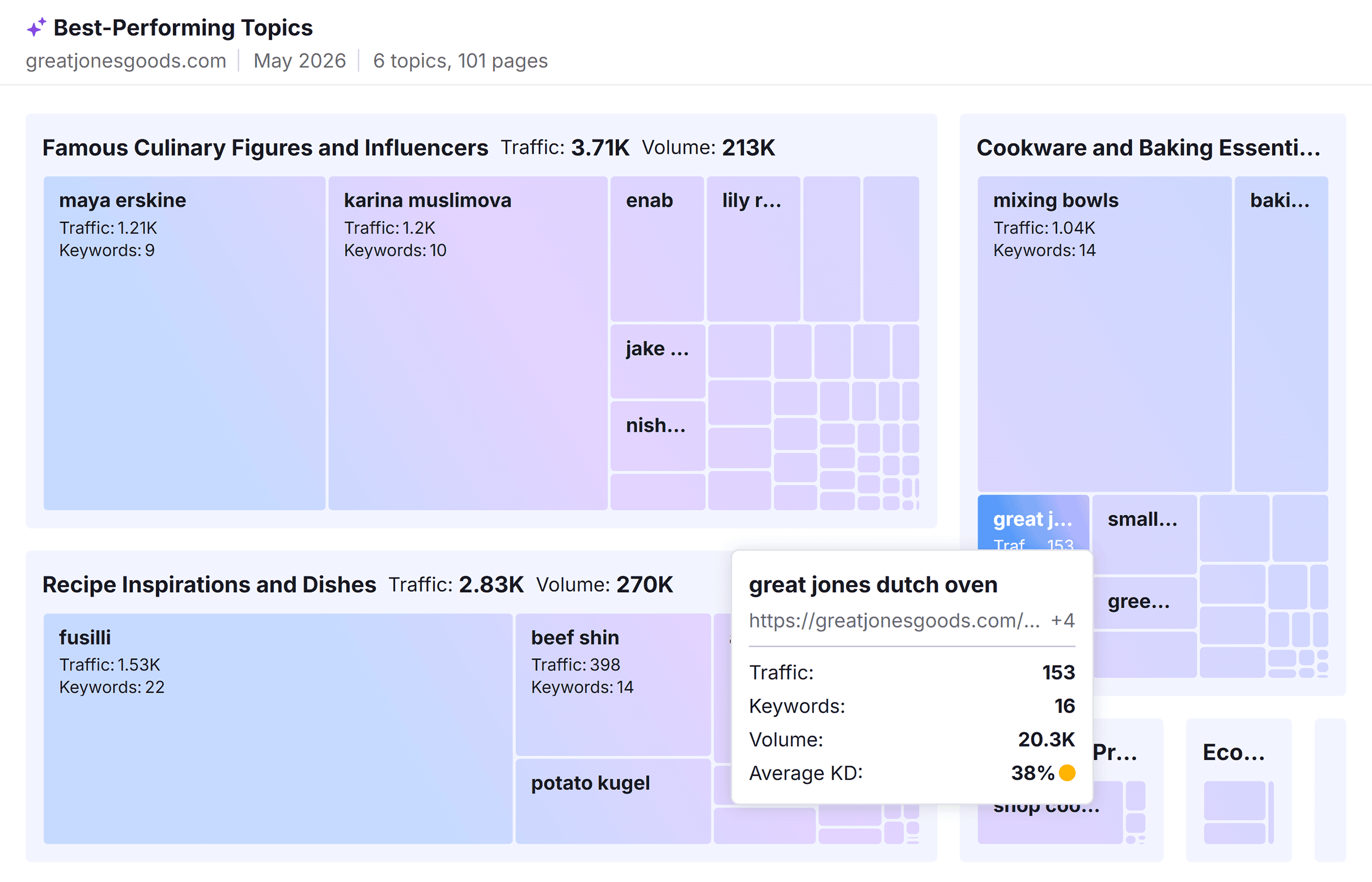
- On-Site Associations: Tools like Semrush’s Organic Rankings can quickly reveal a site’s strongest topic associations. For Great Jones, this audit surprisingly highlighted "recipes" and "celebrity chefs" as primary associations, with "Dutch ovens" barely registering despite being their core product. This disparity indicates a misalignment between internal product focus and external digital perception. Further examination of site content, internal linking, and content gaps is crucial to identify where the brand’s narrative diverges from its desired topical ownership.
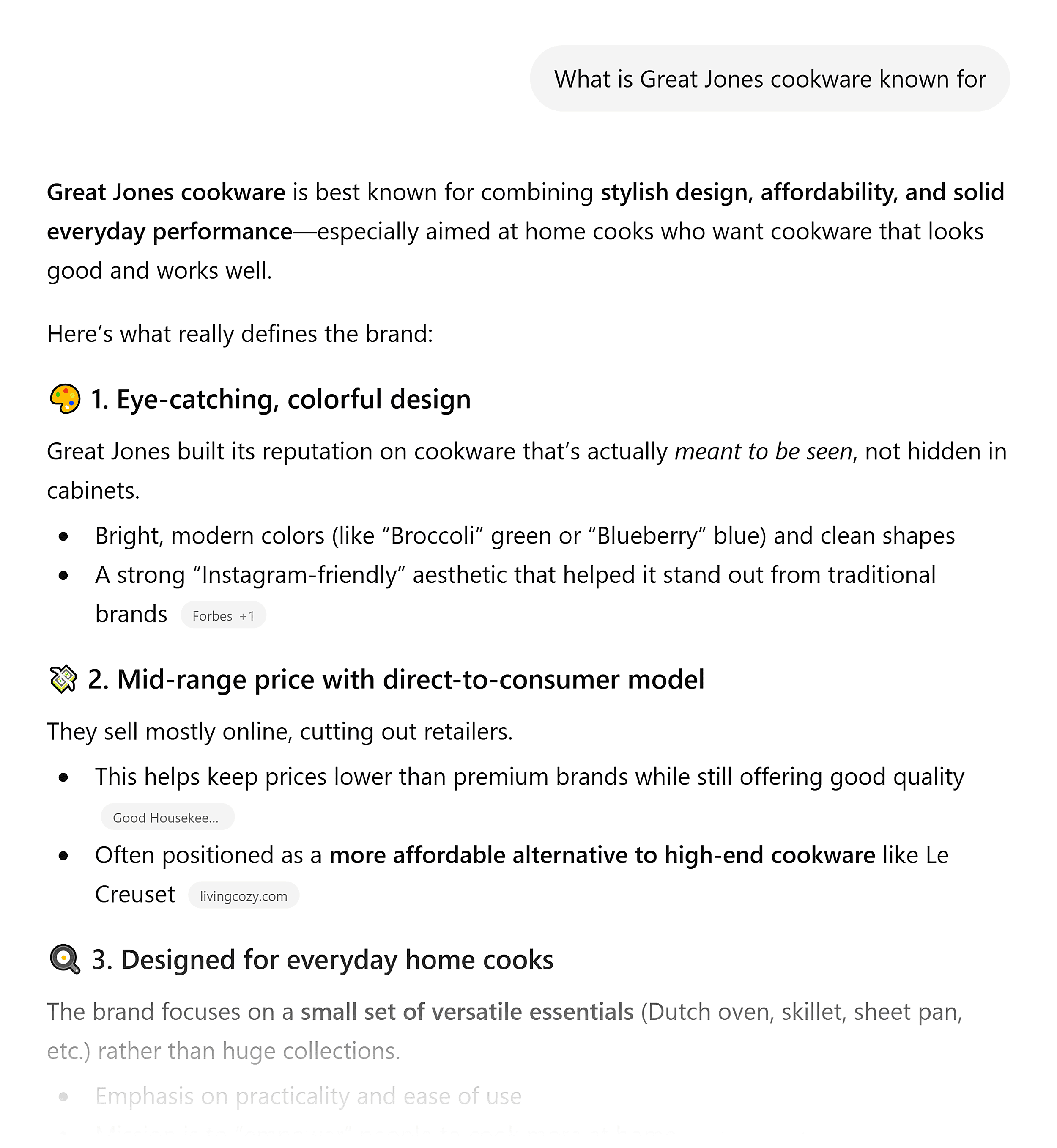
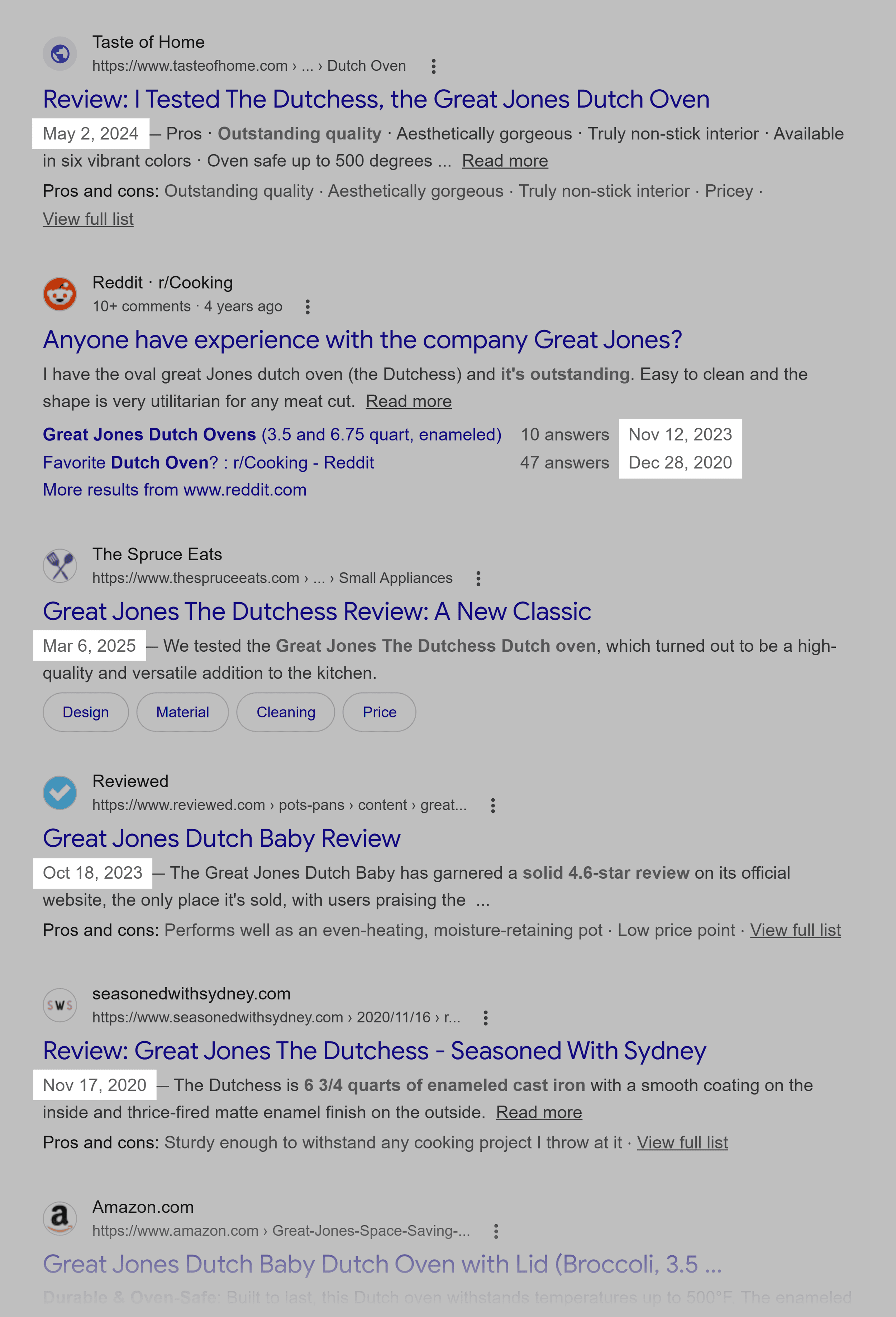
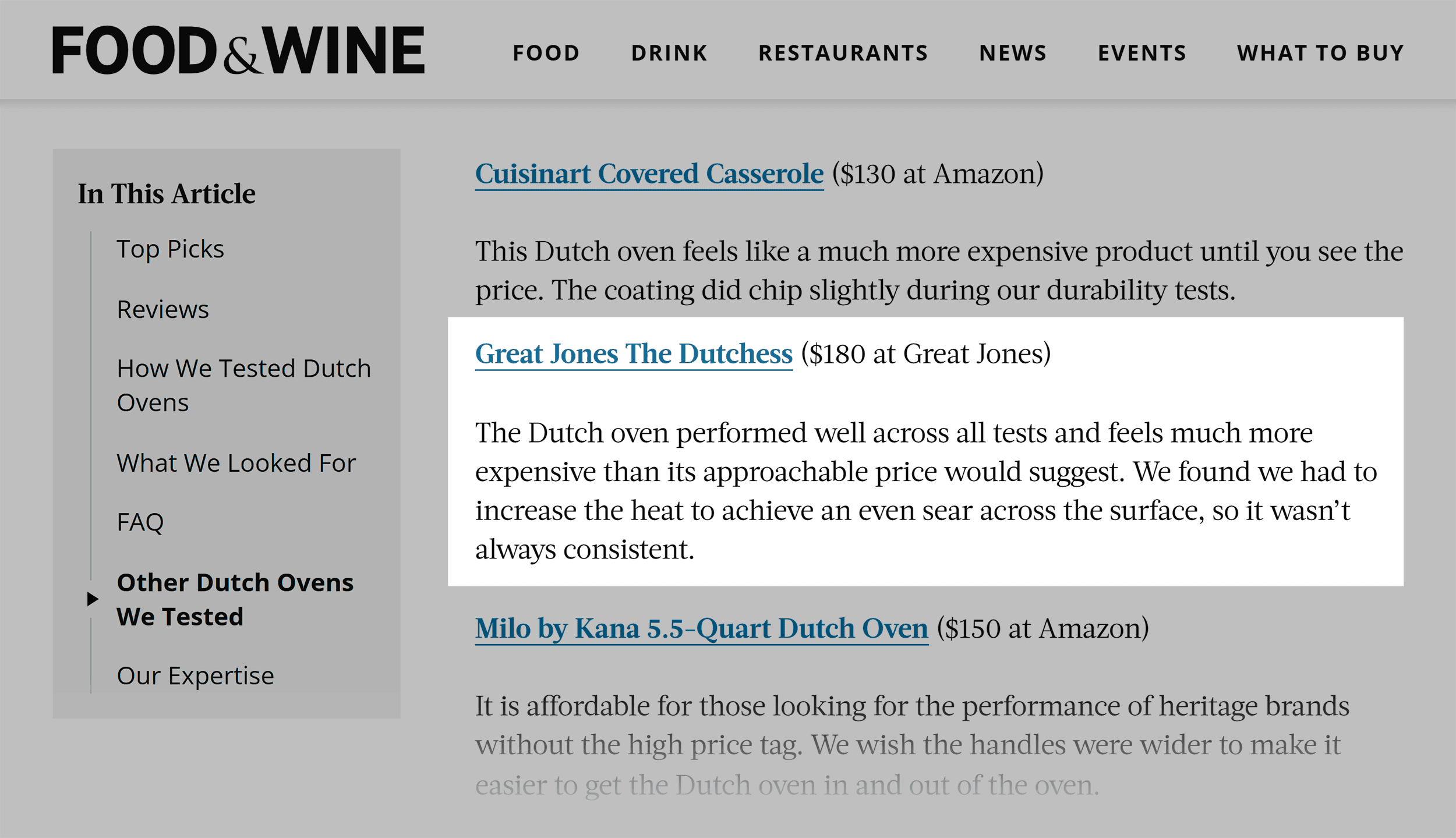
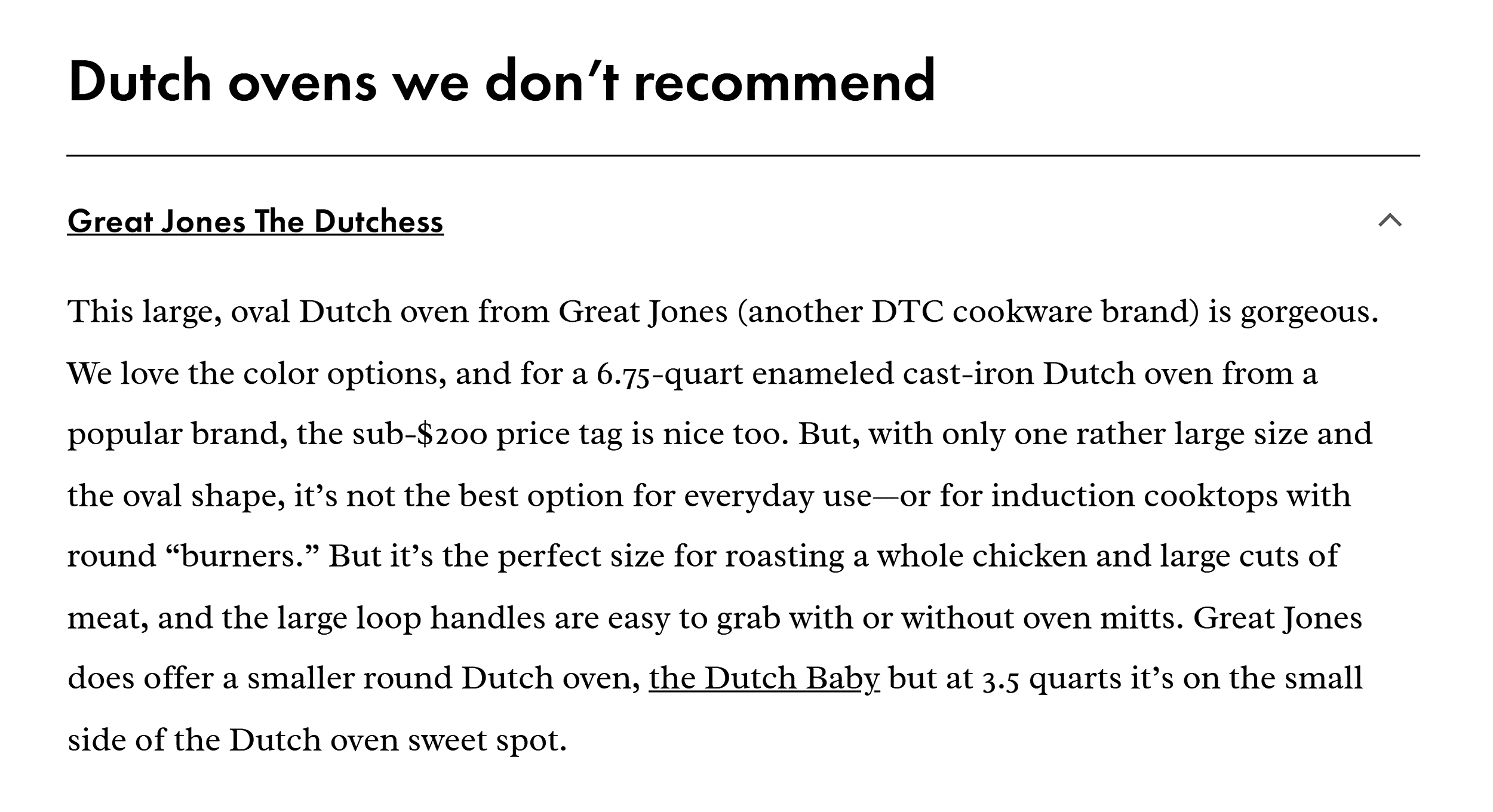
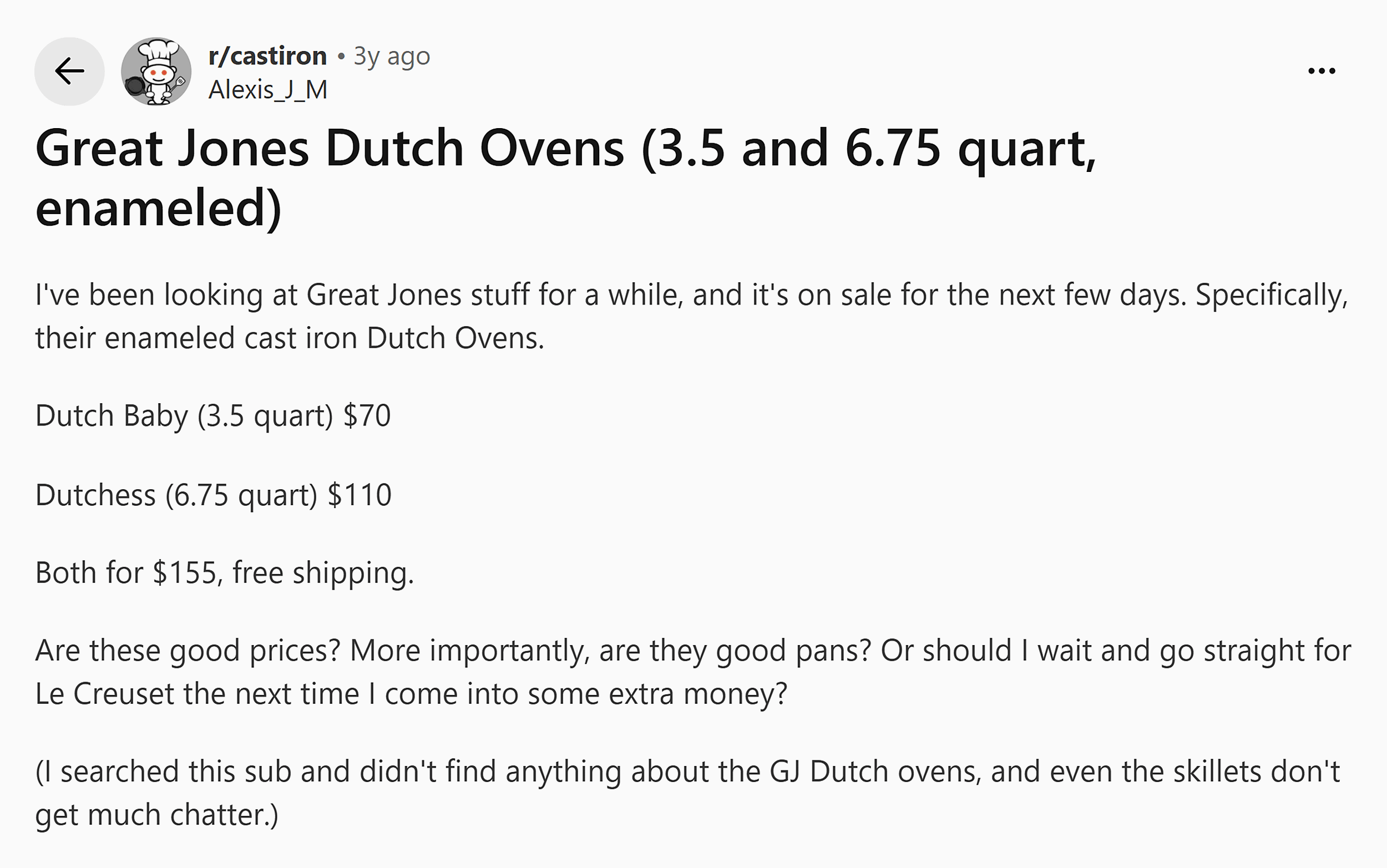
- Off-Site Presence: This is often the most significant gap for brands. Reviewing third-party mentions, reviews, roundups, and editorial press is vital. For Great Jones, while they enjoyed features in prominent publications, a deep dive into Dutch oven-specific coverage revealed inconsistencies. Older articles, mixed sentiment (e.g., "other" categories, critiques of heating issues), and absence from key "best of" lists or user-driven discussions (like Reddit threads) indicated a fragmented external perception. AI systems heavily weigh these external signals, making a consistent off-site narrative indispensable.
2. Choosing the Topic for Authority Building
Brands cannot own every topic simultaneously. This step involves narrowing the focus to a single, high-potential topic.
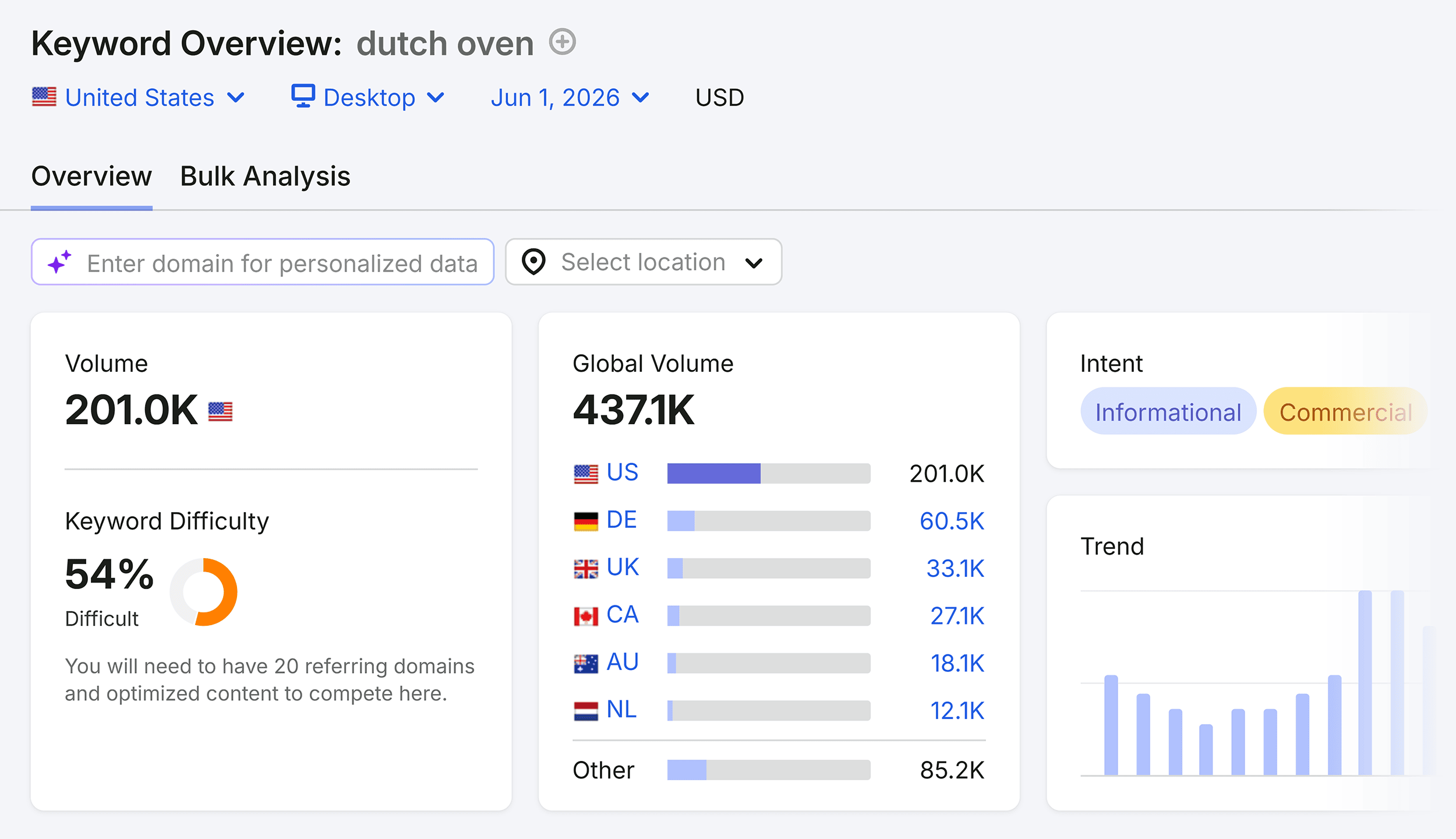
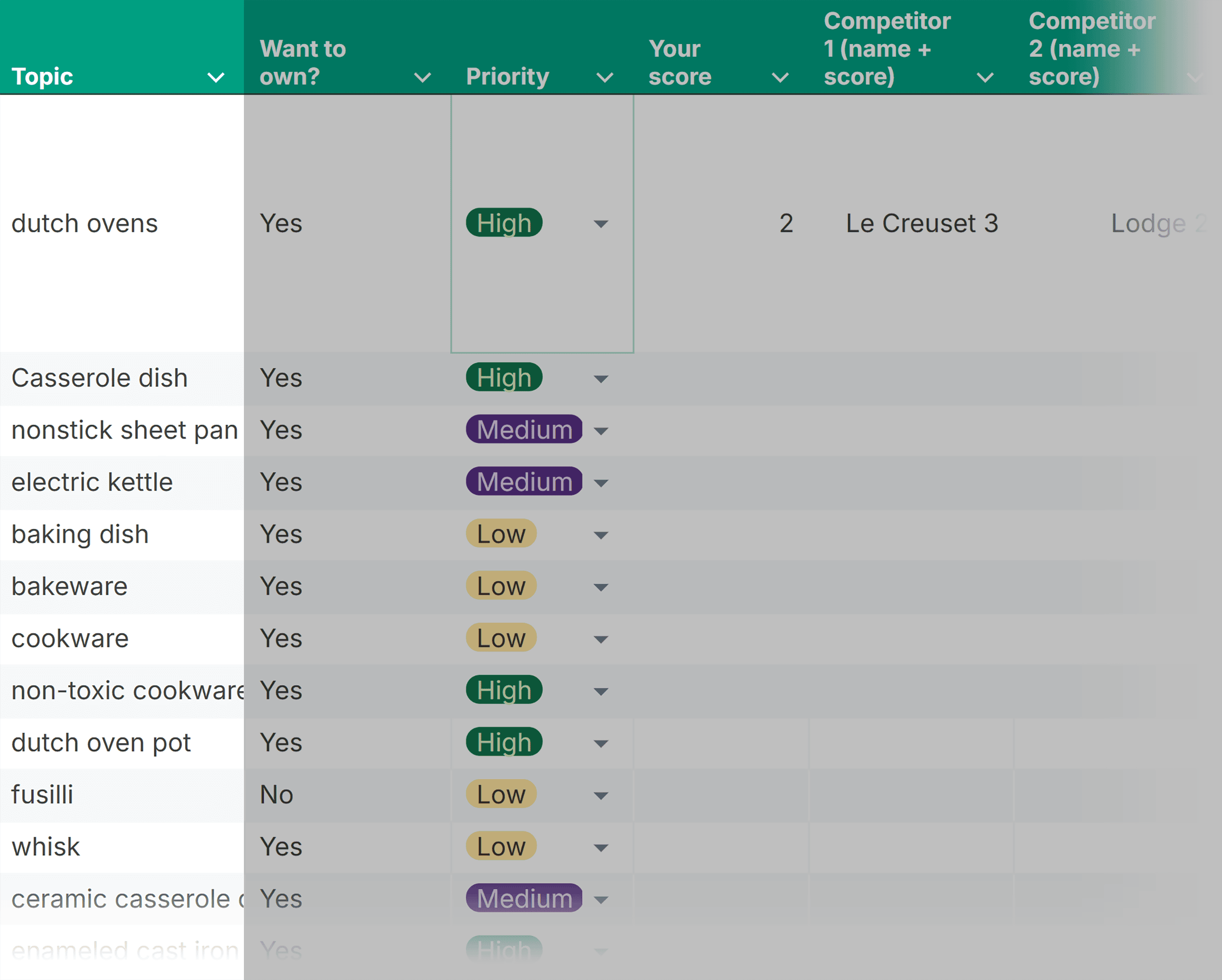
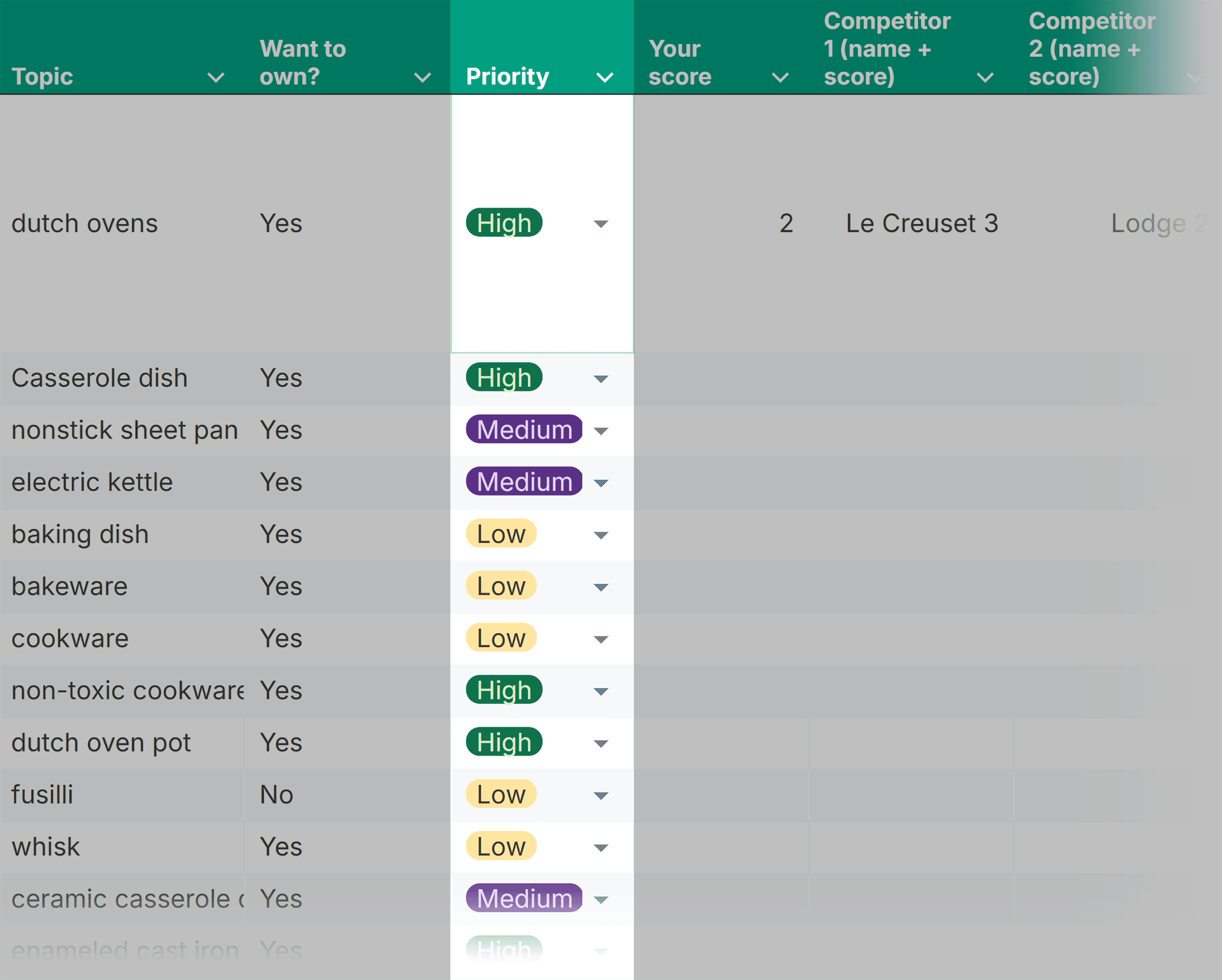
- Topic List and Prioritization: Begin by listing all relevant topics, from direct product categories to adjacent areas (e.g., "slow cooking," "kitchen gifting"). Prioritize these based on strategic importance (does it drive revenue?), existing traction (any current visibility?), and competitive landscape (where are competitors weak?). For Great Jones, "Dutch ovens" is an obvious choice due to high search volume (over 200,000 monthly Google searches) and direct product relevance.
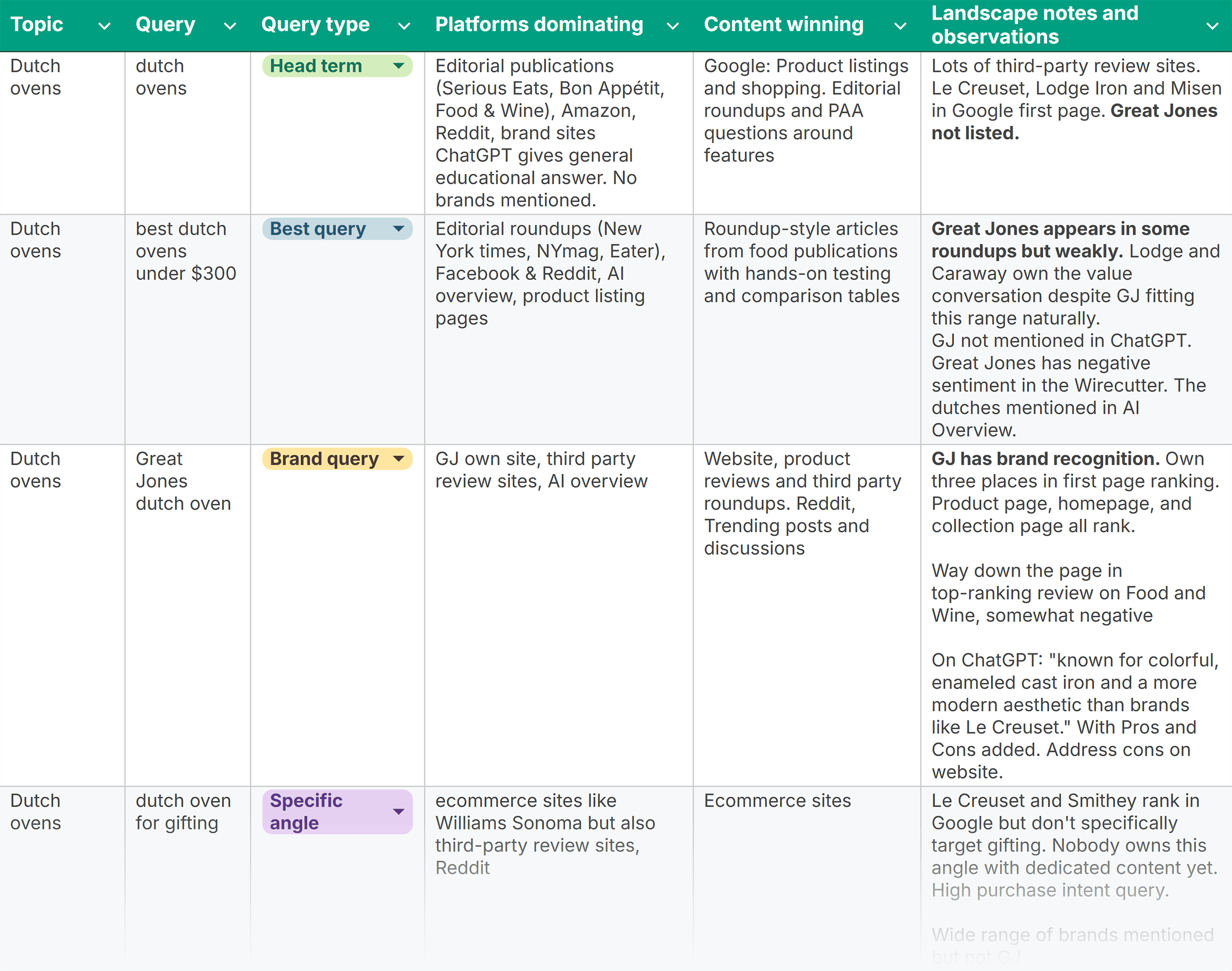
- Query Audit: For each shortlisted topic, conduct searches on Google and LLMs using various query types: head terms ("Dutch ovens"), qualifiers ("best Dutch ovens under $200"), brand-specific ("Great Jones Dutch oven"), and specific angles ("Dutch oven for gifting"). Analyze the top results, AI summaries, and competitor presence. This reveals current ownership and potential entry points.
- Association Strength Scoring: Score your brand and key competitors (0-3 scale) for each topic across foundational, POV, and proof aspects. The goal is to identify topics where your brand has some footing (score 1 or 2) but competitors haven’t achieved dominance (score 0 or 1), indicating a winnable position. For Great Jones, "Dutch ovens for gifting" emerged as a strong candidate, offering high buyer demand with no clear market leader.
3. Identifying Your Topic’s Point of View (POV)
A brand’s POV is its distinct angle within a chosen topic, differentiating it from competitors and making it memorable for both consumers and AI.
- Researching Existing POVs: Utilize tools like Semrush’s AI Visibility Toolkit to identify what dominant brands are already known for in AI-generated answers. Avoid direct competition on these established POVs. For example, Le Creuset owns "heritage/luxury," Staub "durability/professional," and Lodge "affordability/utility."
- Choosing a Unique POV: Select an angle that aligns with your brand’s strengths, meets a genuine market need, and is defensible. For Great Jones, given their design-forward products and existing customer feedback on aesthetics, "Dutch ovens for gifting" presented a compelling and unoccupied niche. This POV resonates with existing purchase behaviors (people buy Dutch ovens as gifts) and leverages positive customer sentiment ("beautiful," "modern").
- Crafting a Concise POV Statement: The POV should be expressible in a single, clear sentence to ensure easy comprehension and repetition. For Great Jones, this could be: "Great Jones makes beautiful Dutch ovens that are the perfect gift for any occasion." This statement is specific, highlights a unique benefit, and targets a particular buyer motivation.
4. Mapping Your POV Proof Architecture
A POV is merely a claim without concrete evidence. This step involves planning the proof points needed to substantiate your POV across the entire buyer journey.
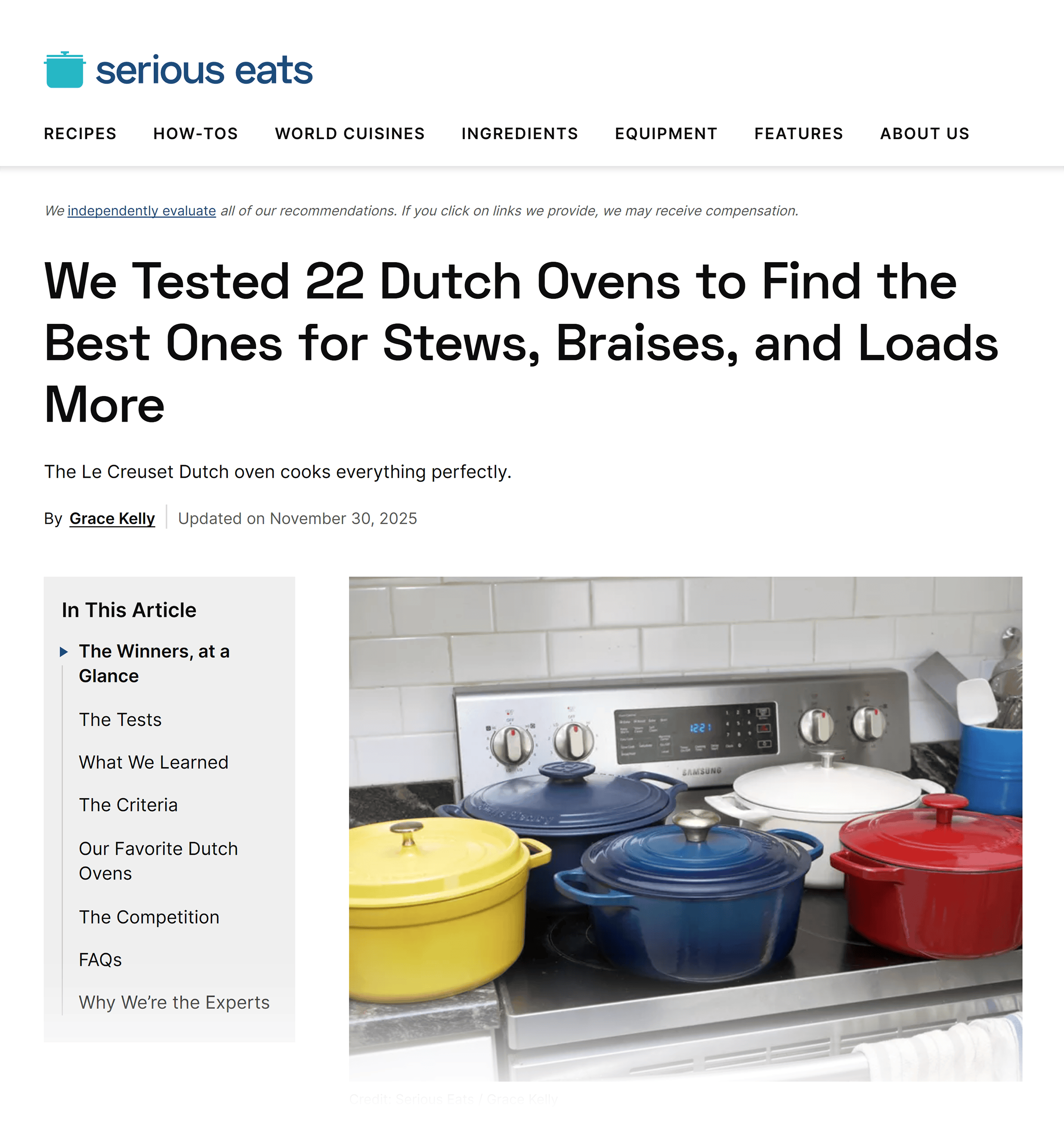
- Proof Across the Buyer Journey: Different stages of the buying process require different types of proof.
- Awareness: Research data, industry studies (e.g., "The Dutch oven solves complex cooking problems").
- Consideration: Third-party reviews, expert endorsements, certifications (e.g., "The Dutchess is highly rated for even heating").
- Comparison: Independent test results, awards, analyst rankings (e.g., "The Dutchess outperforms competitors in specific tests").
- Active Evaluation: Case studies, usage data, implementation examples (e.g., "See how our Dutch oven simplified meal prep for busy families").
- Decision: Customer numbers, retention rates, verified reviews (e.g., "Thousands of happy customers trust The Dutchess").
- Proof Audit for Great Jones (Gifting POV): For the "gifting" POV, Great Jones already had some assets like positive design reviews and mentions in general gift guides. However, significant gaps existed in the "comparison" stage, where they needed specific data or endorsements proving their product was the better gift over alternatives.
5. Building Your On-Site Foundation
Before external validation, a strong internal foundation is crucial. This means establishing your topic, POV, and initial proof signals directly on your website.
- Creating a Hub Page: This central authority document defines the topic, explains its importance, and serves as a gateway to deeper content. For Great Jones, a "Dutch Oven Gifting Guide" hub page could link to product pages, gift basket ideas, a gifting FAQ, and relevant reports.
- Developing Supporting Pages: These pages delve deeper into specific aspects of the POV, providing granular proof for each stage of the buyer journey. For Great Jones’s gifting POV, supporting pages could include "Dutch Ovens: The Ultimate Wedding Gift," "Curated Gift Sets for the Home Cook," or "The Durability of Great Jones Cookware: A Gift That Lasts."
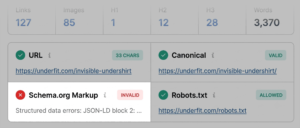
- Structuring Pages for Readers and Machines: Employ the "inverted pyramid" approach, leading with the most critical information. Ensure pages feature a clear title and meta description, unique content, relevant images with alt text, structured data (Schema markup), and a robust FAQ section. Semantic HTML (using tags like
<article>,<section>,<aside>) helps machines interpret content contextually. - Strategic Internal Linking: Link hub pages to supporting pages and vice-versa, using descriptive anchor text that reinforces the POV. This creates a logical "proof system" for both users and search engines, demonstrating comprehensive coverage and deep expertise.
6. Creating an Off-Site Proof System
External validation is indispensable for topical authority in the age of AI. AI systems learn which brands are associated with a topic by observing mentions across diverse, trusted third-party sources.
- Developing Signature Proof Points: Create original, shareable insights or data related to your POV. For Great Jones, analyzing sales data for Dutch ovens around holidays (e.g., a "4x spike in purchases before Mother’s Day") could form the basis of a "State of Mother’s Day Gift-Giving" report. This proprietary data becomes a unique, citable asset.
- Distributing Proof Points Widely: Distribute this signature insight across various channels:
- Media & Publications: Pitch the report to lifestyle and culinary journalists.
- Influencers & Partners: Share it with collaborators and chef partners.
- Niche Communities: Post summaries and discussions on relevant forums (e.g., Reddit’s r/gifts, cooking communities).
- Review Sites: Encourage reviewers to highlight the gifting aspect.
This focused distribution reinforces the "Great Jones = gifting" association across diverse, authoritative sources, signaling expertise to AI. Great Jones already possesses the media clout and influencer connections, needing only to pivot their outreach to focus on the gifting POV.
7. Tracking Topical Authority Progress
Building topical authority is an ongoing process. Consistent monitoring is essential to gauge the strategy’s effectiveness and make necessary adjustments.
- Foundational Layer Tracking (Visibility): Monitor changes in search rankings and impressions for non-brand queries related to your topic (e.g., "Dutch ovens for gifting"). Tools like Google Search Console and Semrush’s Position Tracking can track keyword performance and identify newly ranking pages. Increased visibility for these queries indicates growing foundational authority.
- POV Layer Tracking (Language & Mentions): Track how your brand is described in search results and AI summaries. Are mentions increasingly paired with your chosen POV? For Great Jones, this means looking for phrases like "a great house-warming gift" or "the kind of gift that gets displayed" in reviews, comparisons, and AI-generated content. Semrush’s Brand Monitoring and AI Visibility tools can help track sentiment and key descriptive phrases.
- Proof Layer Tracking (Third-Party Confirmation): Monitor whether external sources are citing your signature proof points and consistently associating your brand with your POV. Look for unprompted recommendations in niche communities and new backlinks to your hub pages from relevant sites. Google Alerts, Semrush’s Backlink Analytics, and social listening tools are invaluable here.
Broader Implications for Modern Brands
The Great Jones case study serves as a potent reminder for all brands: in the evolving landscape of AI-driven search, a holistic approach to digital presence is non-negotiable. It’s no longer sufficient to simply have a great product or secure impressive press mentions if those signals are not consistently aligned with a specific topical authority. AI systems, designed to synthesize and recommend trusted information, require clear, repetitive patterns of expertise.
Brands that proactively define their unique POV, build a robust on-site foundation, and strategically cultivate an off-site proof system will be the ones that win in the age of AI search. This means a deliberate integration of SEO, content strategy, PR, and social media efforts, all marching to the beat of a single, authoritative message. By embracing the Topical Authority Pyramid, businesses can move beyond scattered success to establish themselves as the indispensable, go-to name in their respective niches, ensuring sustained visibility and trust from both human consumers and intelligent algorithms.
(Backlinko is owned by Semrush. We are committed to providing world-class SEO insights, backed by hands-on experience. Unless otherwise noted, this content was written by either an employee or paid contractor of Semrush Inc.)