Samsung Prepares to Enter the Color Display Smart Glasses Market with Advanced Microdisplays Planned for Late 2027

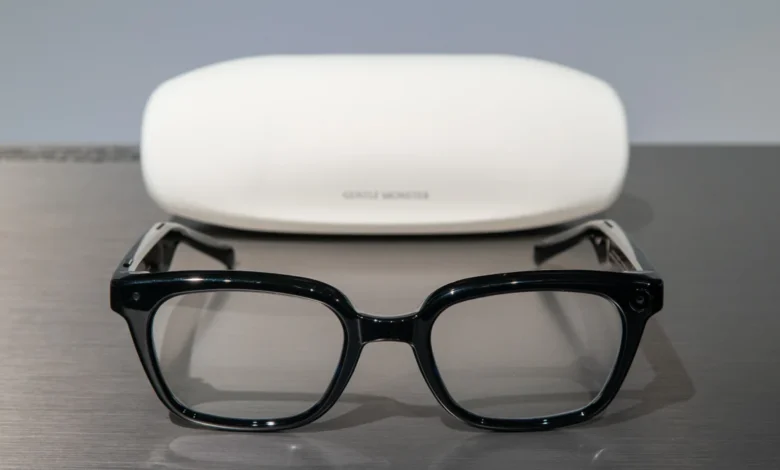
Samsung Electronics is reportedly expanding its ambitions in the wearable technology sector by initiating development on a new generation of smart glasses equipped with integrated color displays. Building upon its initial, audio- and voice-centric wearable initiatives, the South Korean technology conglomerate is turning its attention toward visual augmented reality (AR) and extended reality (XR) hardware. According to industry reports originating from supply chain sources in South Korea, Samsung has tasked its display manufacturing division with engineering ultra-small microdisplays tailored specifically for next-generation AI-powered eyewear.
The move signals a strategic shift for Samsung as it seeks to compete directly with rival tech giants dominating the nascent smart eyewear space. While the company’s early wearable strategy has relied primarily on voice commands and audio-only AI assistants, the development of a dedicated visual interface represents a significant technical and commercial escalation. Industry analysts note that incorporating a full color display into a lightweight, fashionable form factor requires overcoming formidable engineering hurdles, particularly regarding optical clarity, battery efficiency, and hardware miniaturization.
Supply Chain Insights and Microdisplay Development
According to recent disclosures from industry tracker The Elec, Samsung has initiated a collaborative internal project utilizing its display affiliate to develop advanced microdisplay panels. These panels are reportedly designed to measure approximately 0.2 inches or smaller, a critical dimension required to fit within the slender arms and frame borders of conventional-looking eyeglasses without obscuring the wearer’s natural vision or adding excessive weight.
The primary objective of these ultra-small panels is to project essential contextual information directly into the user’s field of view. Rather than creating a fully immersive virtual reality headset experience, Samsung’s proposed smart glasses aim to provide subtle, heads-up notifications. Target data points allegedly include real-time text messages, system alerts, application icons, and turn-by-turn navigation arrows.
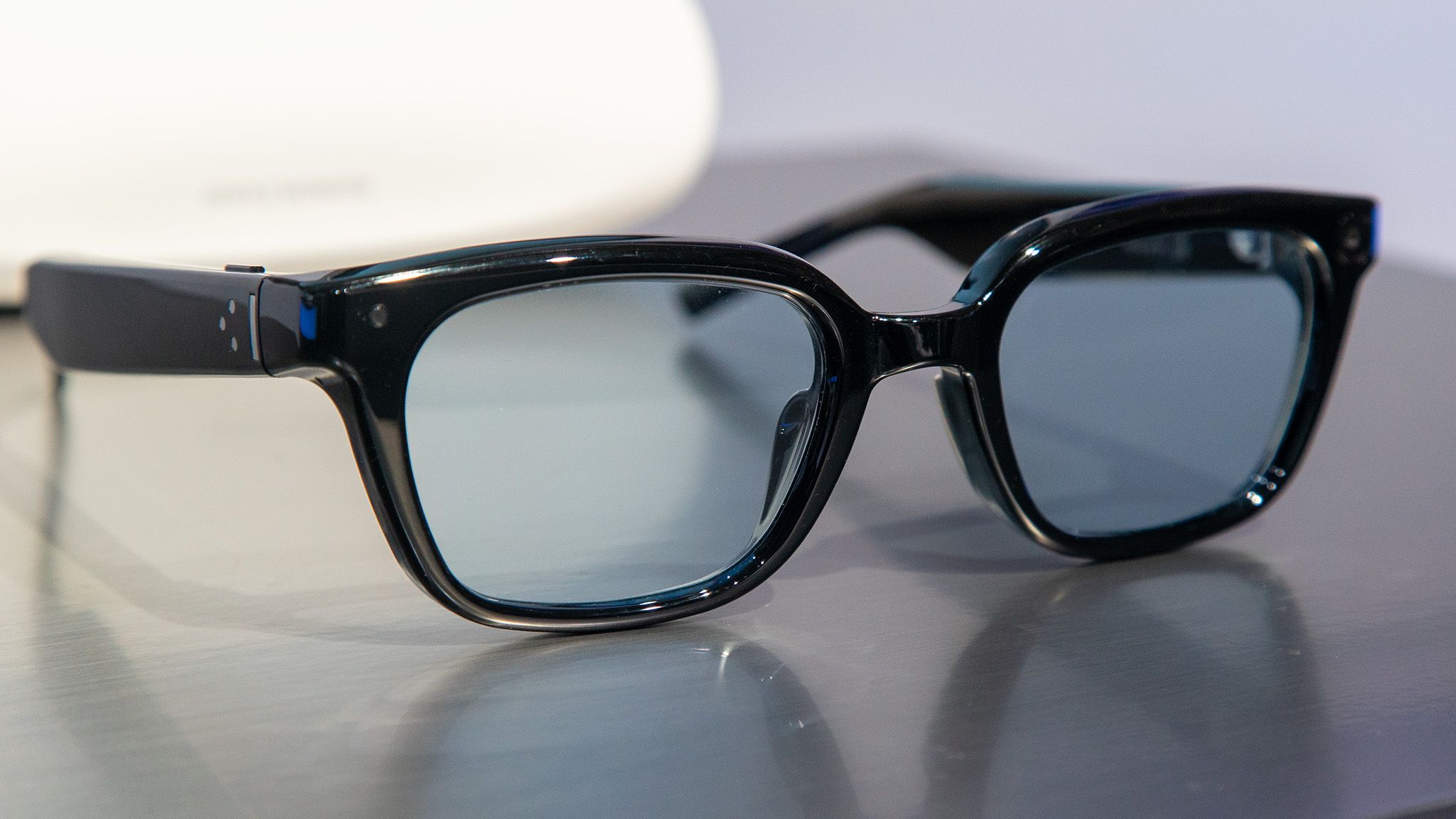
However, engineers face a major technical challenge concerning the field of view (FOV). Achieving a wide and natural FOV while utilizing sub-0.2-inch panels demands sophisticated waveguide optics and high-luminance display technology. Because these glasses must remain transparent enough for everyday outdoor use, the microdisplays need to emit enough brightness to remain legible under direct sunlight while consuming minimal electrical power to preserve battery life.
Chronology of Samsung’s Wearable and XR Strategy
Samsung’s journey into the smart eyewear and extended reality ecosystem has evolved through strategic partnerships and phased product rollouts over recent years. Understanding the timeline of these developments highlights how the rumored color-display glasses fit into the company’s broader roadmap.
- Early Collaboration Phase: Samsung announced a high-profile partnership with Google to develop a unified extended reality platform, signaling the company’s return to the spatial computing arena following earlier ventures into virtual reality with Gear VR.
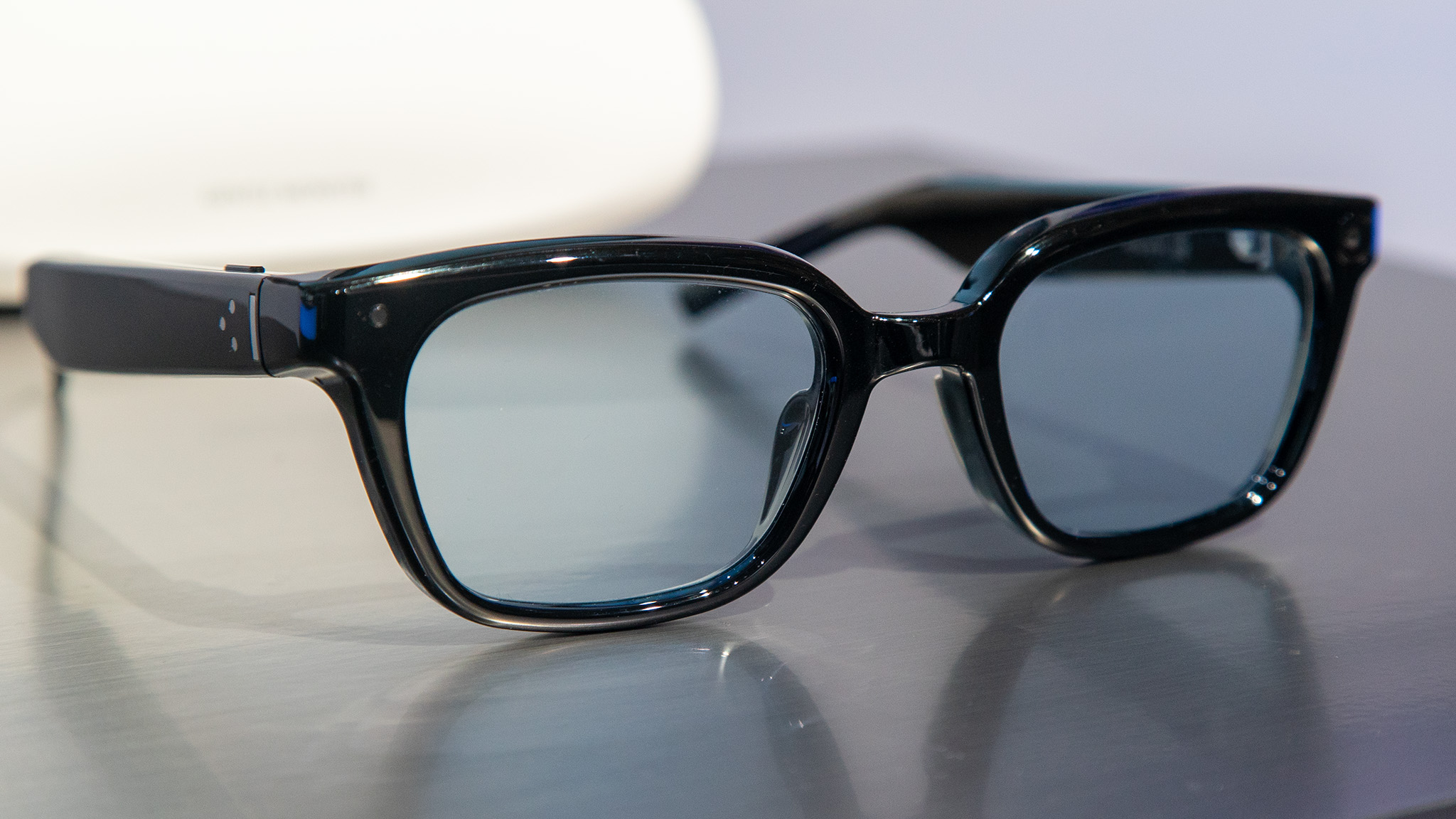
- The Intelligent Eyewear Announcement: During a seasonal Unpacked event, Samsung previewed its upcoming "Intelligent Eyewear" category. Developed in collaboration with Google and featuring aesthetic frame designs from prominent fashion brands Warby Parker and Gentle Monster, these initial devices were positioned as voice-first smart glasses.
- Voice-Centric Focus: The initial iteration of Samsung’s smart glasses relies heavily on onboard microphones, a discrete camera for capturing photos, and deep integration with Google’s Gemini AI assistant. Users interact with the device primarily through spoken commands to handle tasks such as navigation, information retrieval, and media capture, without the presence of a visual screen.
- Projected Color Display Roadmap: According to supply chain intelligence gathered in late 2026, Samsung began research and development for its subsequent generation of smart glasses featuring integrated color microdisplays. Industry forecasts suggest a commercial launch window targeted for the second period of 2027 or early 2028.
Competitive Landscape in the Smart Eyewear Market
Samsung’s reported pivot toward visual display glasses places it in direct competition with established industry leaders. The smart eyewear sector has experienced a surge in consumer interest and enterprise adoption, largely driven by advancements in artificial intelligence and miniaturized optics.
Chief among Samsung’s prospective competitors is Meta Platforms, which has achieved commercial success with its line of AI-enabled smart glasses developed in partnership with Ray-Ban. Meta has continued to iterate on its wearable portfolio, incorporating multimodal AI capabilities and exploring neural interface bands that allow users to control digital content on lenses through subtle hand gestures. By developing display-equipped glasses, Samsung is proactively positioning itself to challenge Meta’s dominance in the consumer spatial computing market.
Additionally, other major technology firms and specialized AR hardware developers are racing to solve the same optical and thermal challenges. The race to deliver lightweight glasses that offer both high-fashion aesthetics and functional heads-up color displays is widely regarded by market researchers as the next major frontier in personal consumer electronics.
Broader Implications and Market Impact
The development of color-display smart glasses carries significant implications for the future of mobile computing and human-computer interaction. As smartphones mature and face incremental hardware upgrades, technology companies are increasingly looking toward ambient computing—technology that integrates seamlessly into the background of daily life—to drive future growth.
If Samsung successfully brings a lightweight, comfortable pair of color-display AI glasses to market by late 2027 or 2028, it could accelerate mainstream consumer adoption of augmented reality. By shifting everyday tasks—such as checking directions, reading notifications, and querying AI assistants—from handheld smartphone screens to a persistent, hands-free visual overlay, the way users interact with digital information could fundamentally change.
Nevertheless, significant hurdles remain. Privacy concerns regarding integrated cameras, regulatory scrutiny over continuous data collection, and consumer hesitation regarding facial aesthetics and battery endurance continue to shape the wearable industry. Samsung’s ability to navigate these challenges, leverage its manufacturing prowess in microdisplays, and execute a seamless software experience through its partnership with Google will ultimately determine the commercial viability of its next-generation smart eyewear.