Mastering Query Fan-Out: Why First-Page Rankings Fail in AI Search and How to Fix Your Strategy

The digital publishing landscape is undergoing a fundamental structural shift as search engines and conversational artificial intelligence platforms transition from traditional keyword matching to complex, multi-layered information retrieval. A striking illustration of this evolution is that a web page can consistently secure a first-page ranking on Google and still fail to receive a single citation or mention from prominent large language models (LLMs) such as ChatGPT, Perplexity, and Claude. This phenomenon is driven by a background mechanism known as query fan-out, a process that redefines visibility, content architecture, and digital marketing strategies across the global information economy.
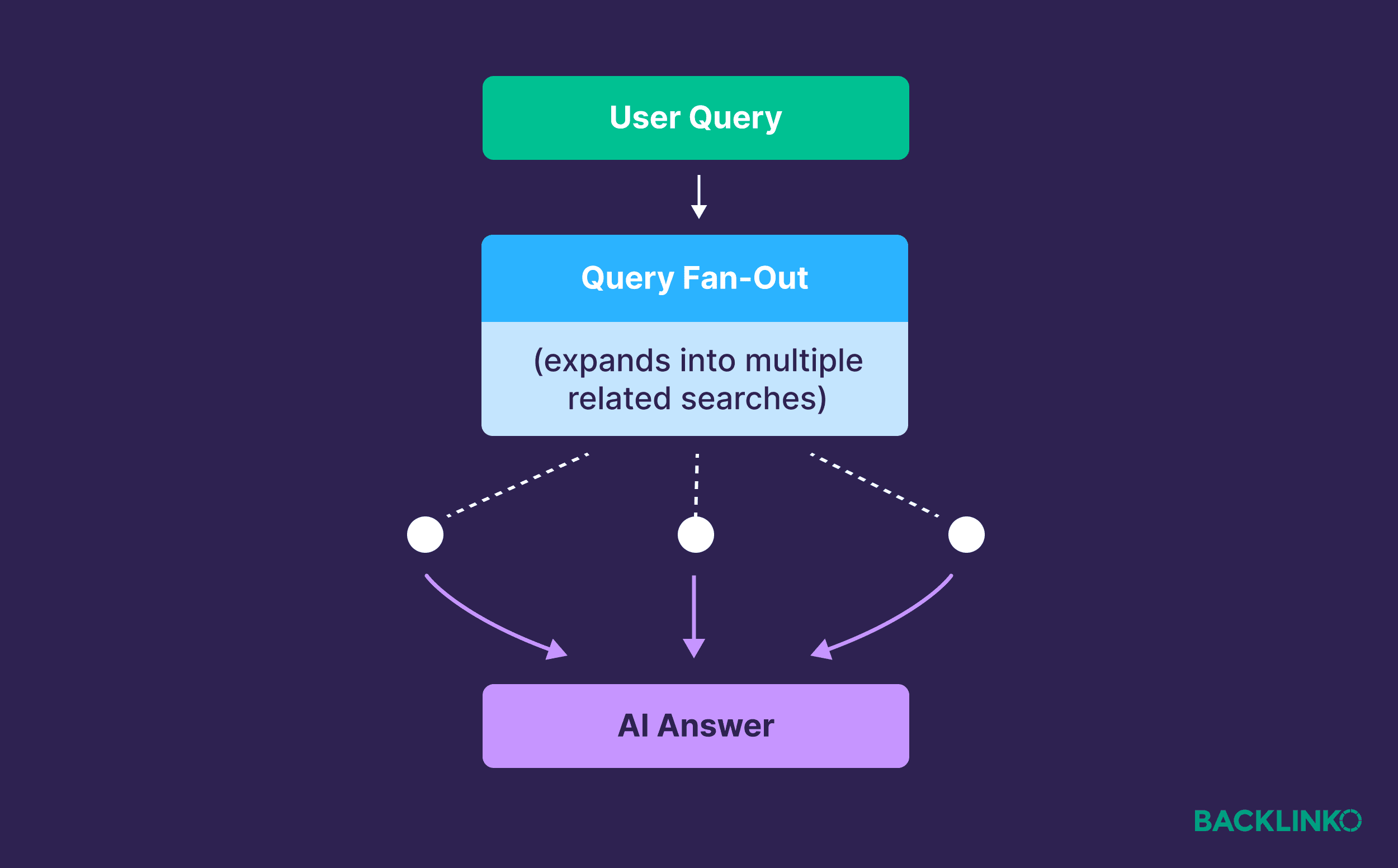
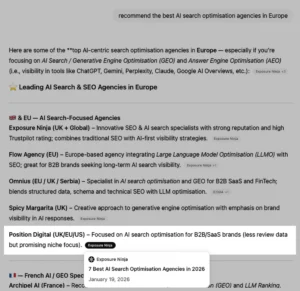
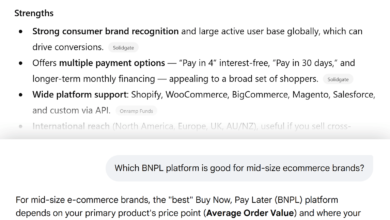
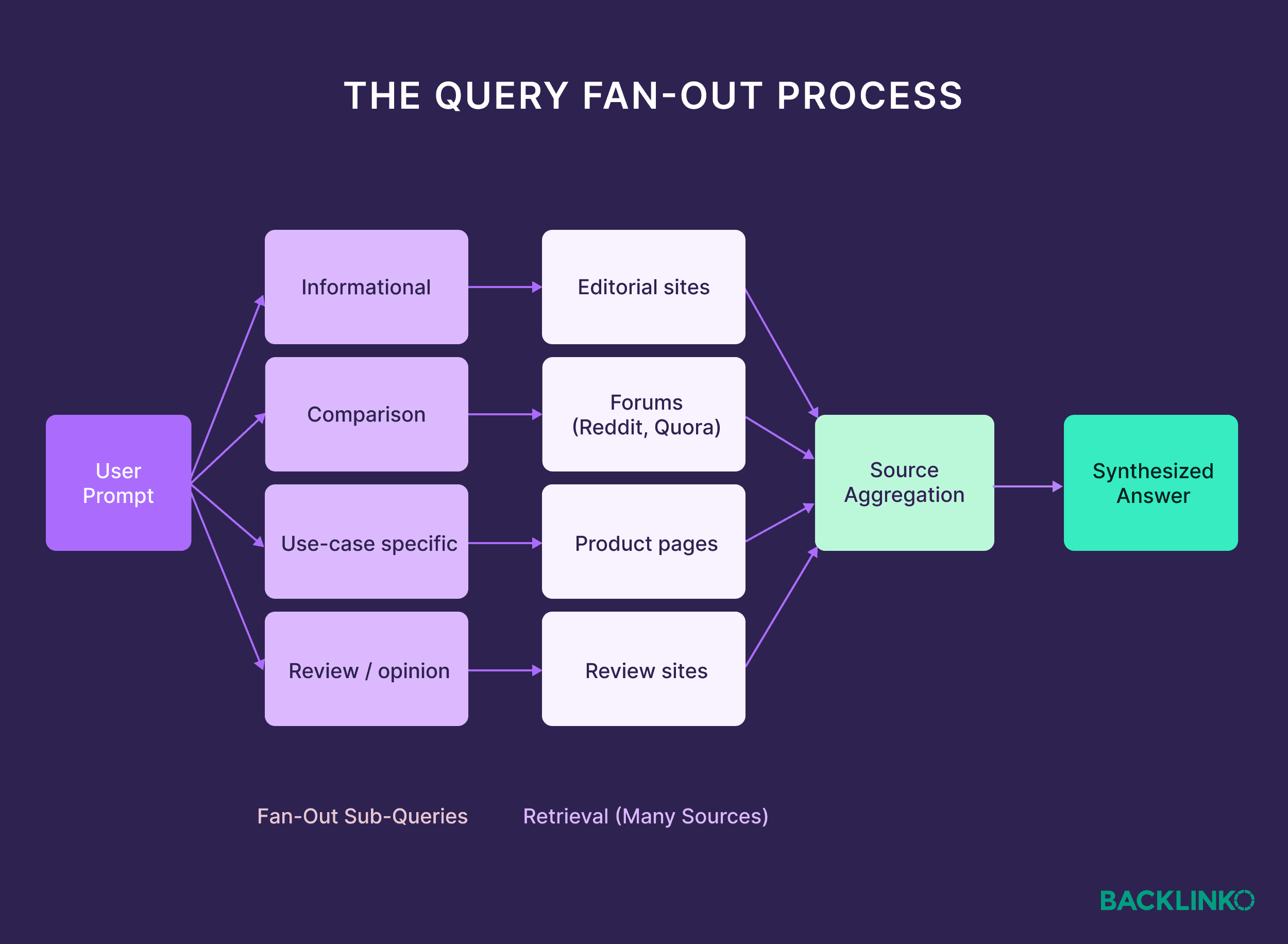
Understanding the mechanics of query fan-out requires examining how modern AI systems process user inquiries. When a user submits a prompt to an LLM, the system rarely relies on a straightforward keyword index or defaults to the single highest-ranking URL. Instead, the AI initiates a behind-the-scenes orchestration of related searches, breaking down a single expansive prompt into a constellation of targeted sub-queries. These sub-queries harvest information from a diverse ecosystem of reliable sources, including editorial publications, community discussion forums like Reddit, specialized comparison portals, and manufacturer product pages, entirely independent of traditional search engine optimization (SEO) ranking positions.
The implications of this architectural change are profound for content creators, enterprises, and digital strategists. While high organic rankings remain beneficial for traditional web traffic, coverage, retrievability, and granular topic depth have become the definitive metrics of success in AI-driven discovery. If a brand or its associated third-party mentions do not appear within the specific sub-queries generated during the fan-out process, that brand is statistically unlikely to be synthesized into the final AI-generated response.
Anatomy of the Query Fan-Out Process
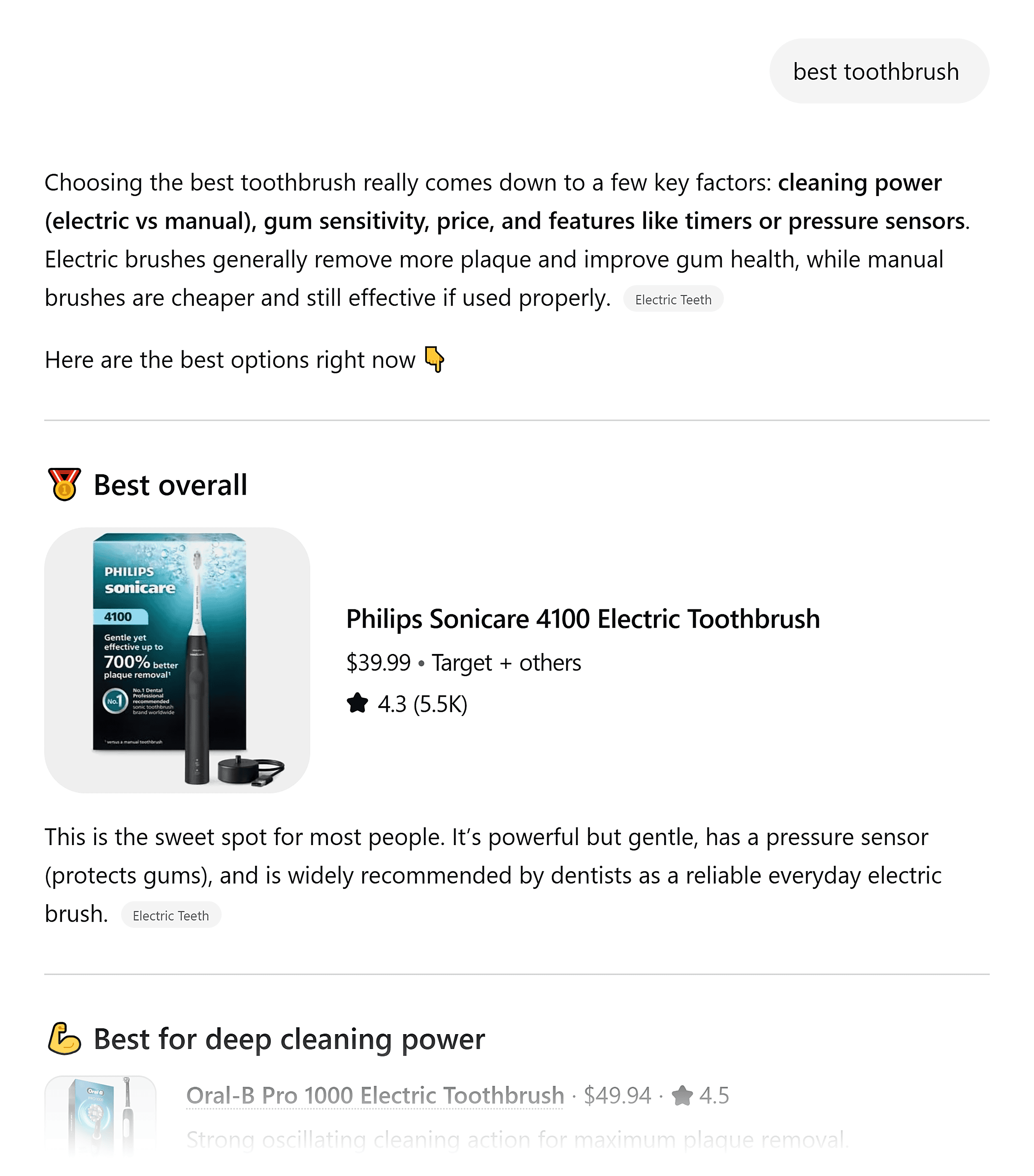
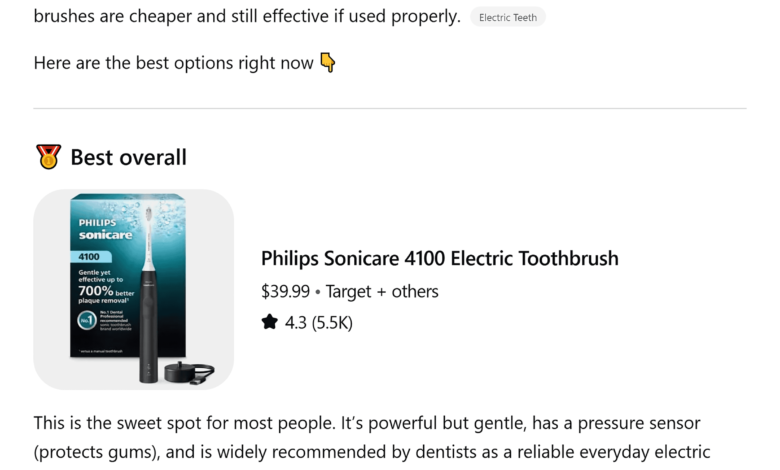
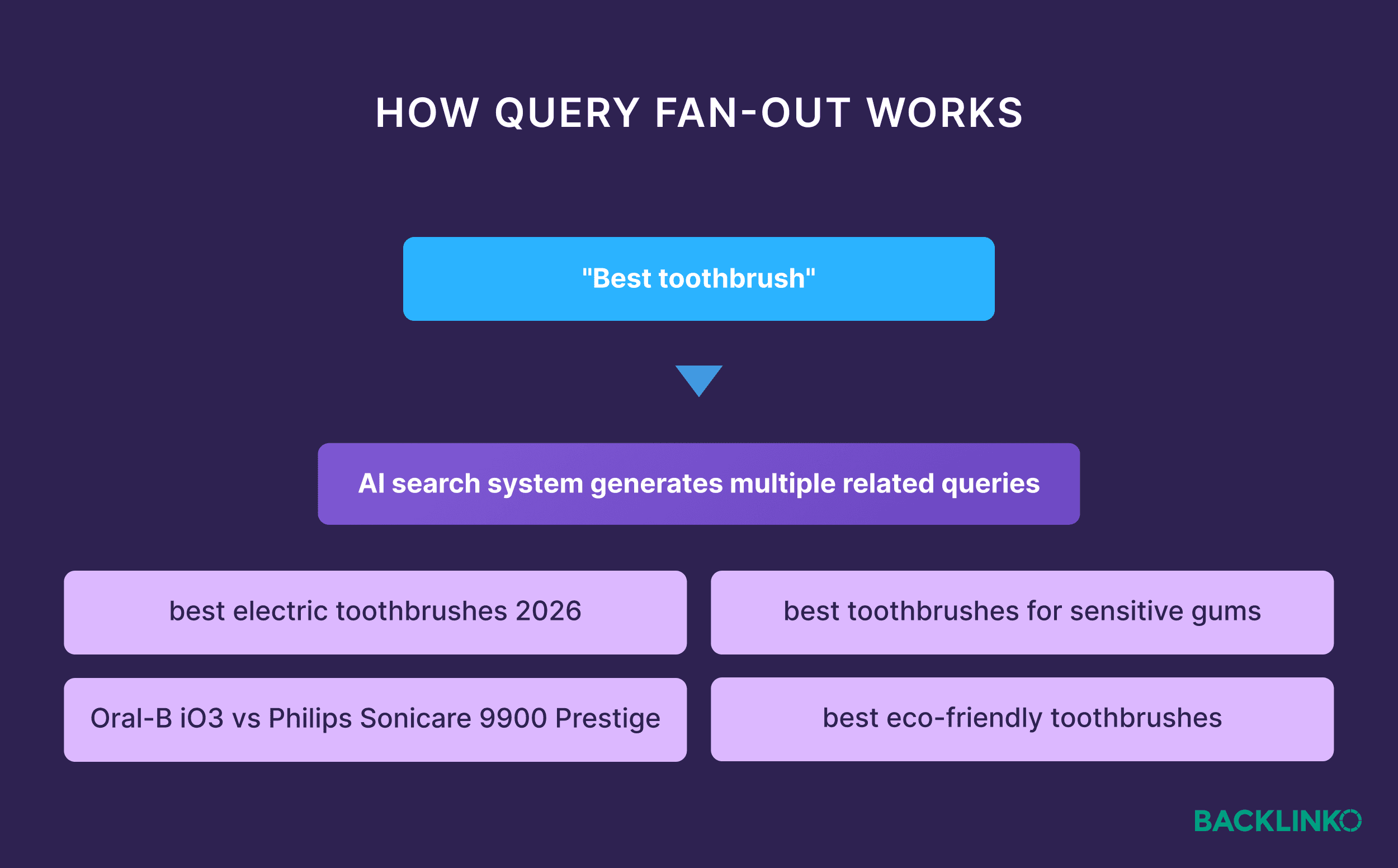
To successfully adapt to this paradigm, organizations must first dissect how query fan-out operates at a technical level. When an AI search tool receives a broad user prompt—such as an inquiry for the "best toothbrush"—the system does not merely pull a list of top-ranked e-commerce sites. Behind the scenes, the model fans the query out into multiple parallel and sequential sub-questions designed to build a holistic, comprehensive understanding of the consumer’s latent needs.
For instance, an initial two-word prompt can automatically trigger underlying sub-queries such as "best electric toothbrushes [current year]," "best toothbrushes for sensitive gums," "Oral-B versus Philips Sonicare head-to-head comparisons," and "eco-friendly toothbrush pricing." Each of these sub-queries targets a distinct facet of the user’s intent. One sub-query gathers editorial consensus and top-rated picks, another pulls specific use-case recommendations, and a third extracts head-to-head comparative metrics.
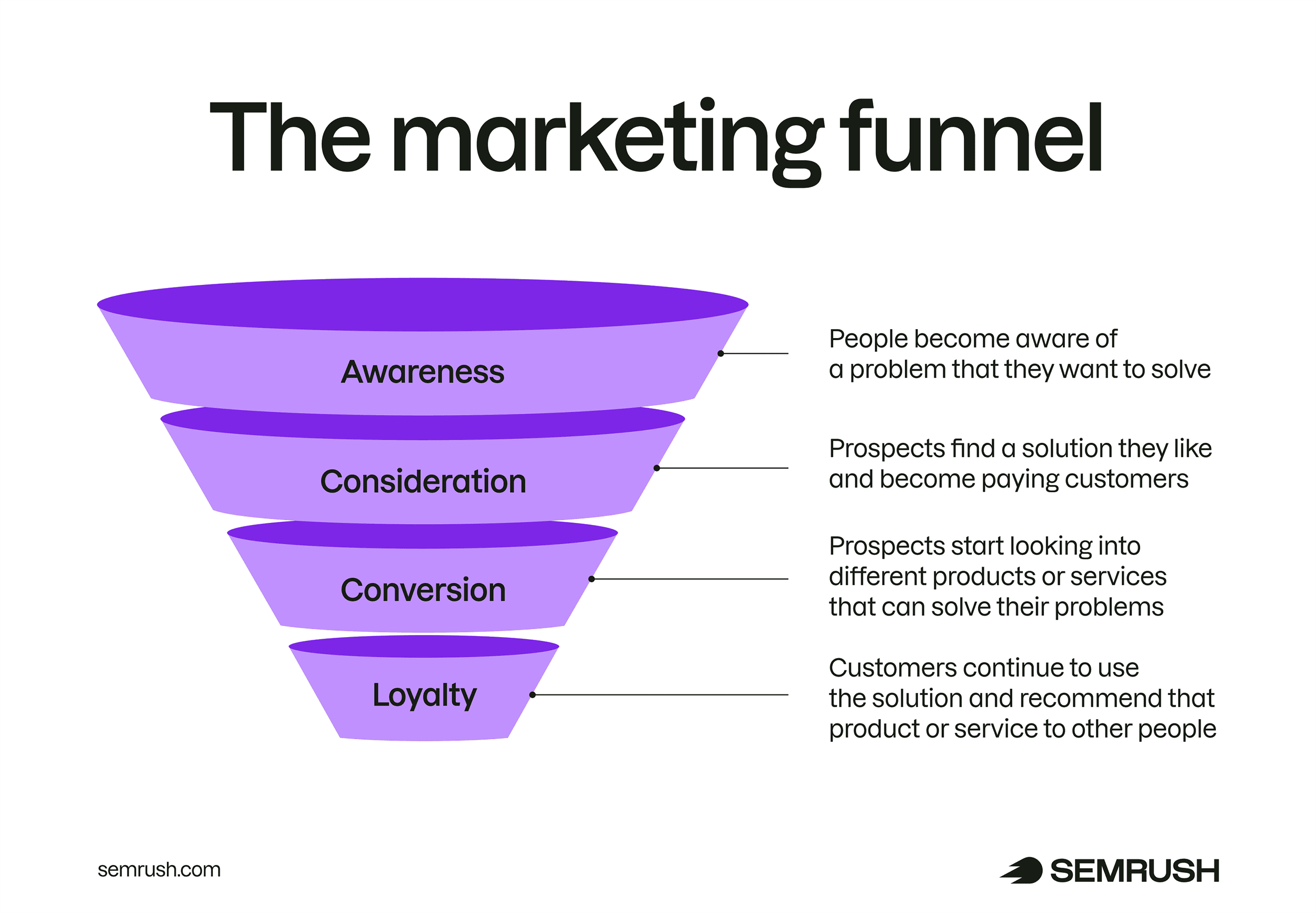
The AI then synthesizes these disparate data streams into a single, cohesive narrative that anticipates the user’s requirements, presenting price ranges, use-case breakdowns, and technical comparisons before the user has even articulated those specific parameters. Consequently, query fan-out effectively collapses the traditional linear marketing funnel—spanning awareness, consideration, and decision stages—into a single, compressed interactive touchpoint. Because the entire buyer’s journey now frequently transpires within a single conversational interaction, digital content must be structured to address multiple funnel stages simultaneously.
Core Shifts in AI Search Visibility and Content Consumption
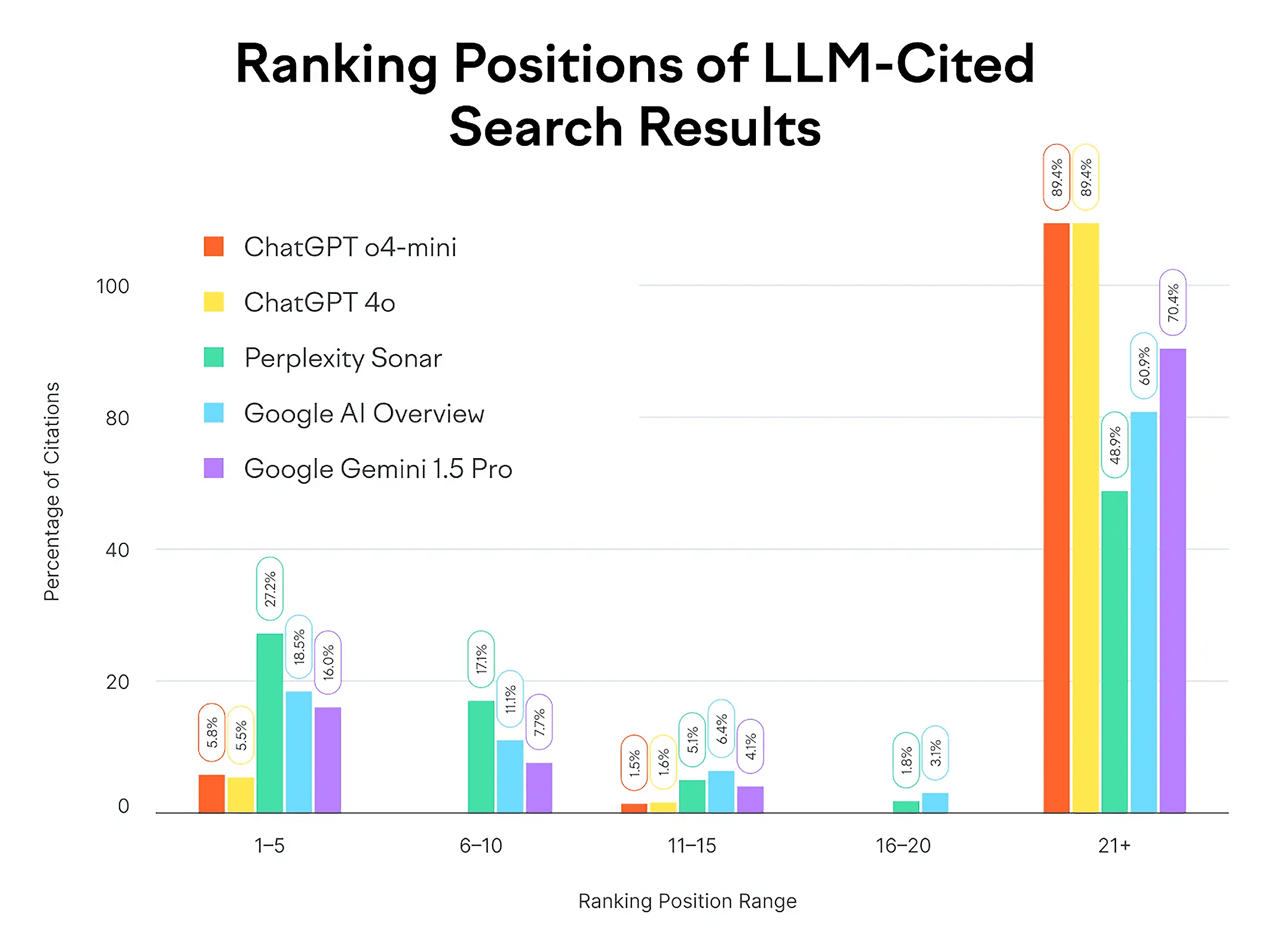
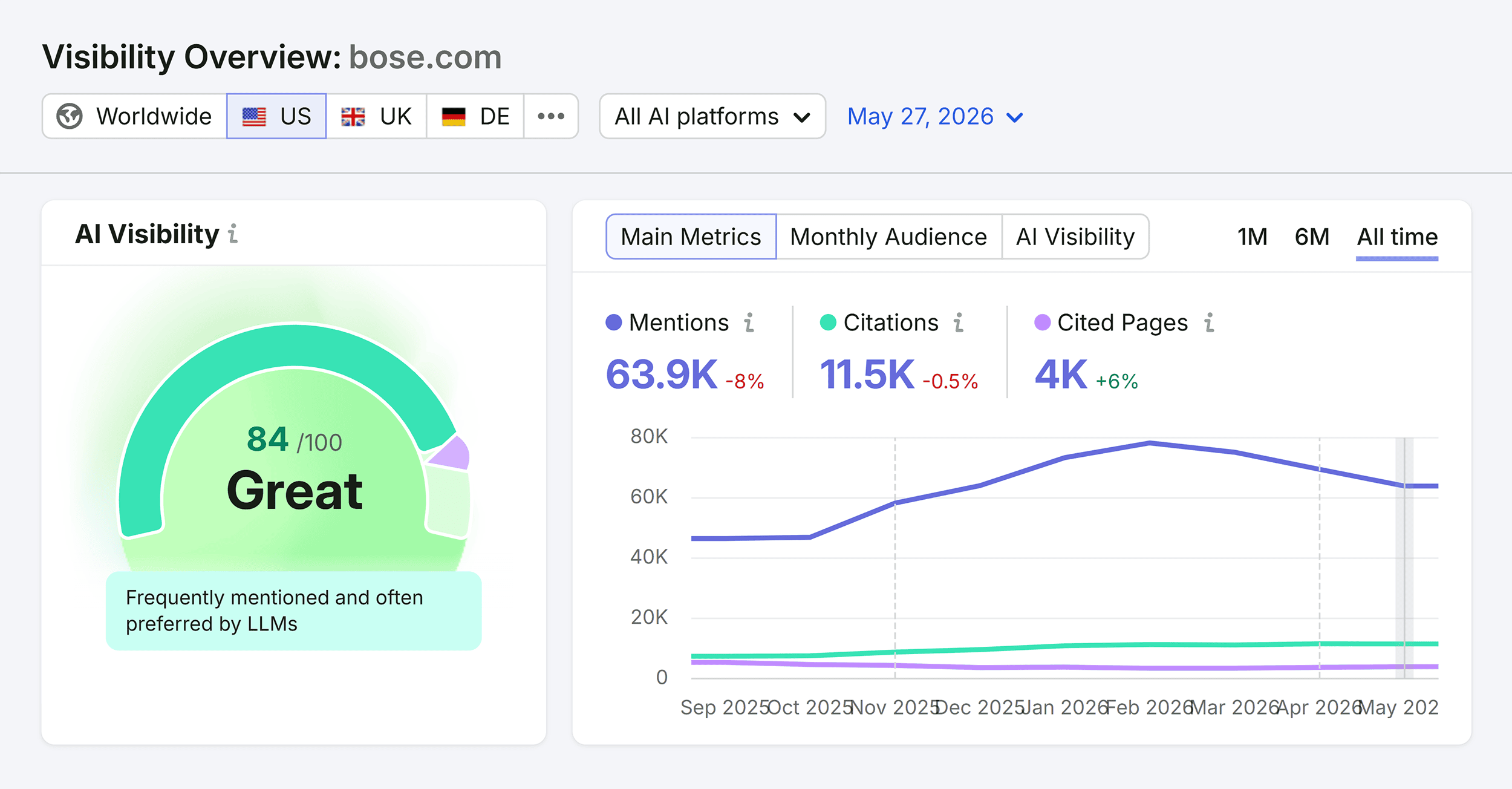
The widespread adoption of query fan-out engines has invalidated several long-held assumptions regarding digital visibility and search engine optimization. Industry data highlights a stark disconnect between traditional ranking metrics and LLM citation patterns. A comprehensive analysis conducted by Semrush revealed that ChatGPT cites web pages positioned at rank 21 and below in nearly 90 percent of its responses. Similarly, platforms like Perplexity and Google exhibit a pattern where relevance, comprehensiveness, and passage-level extraction supersede top-tier ranking positions.
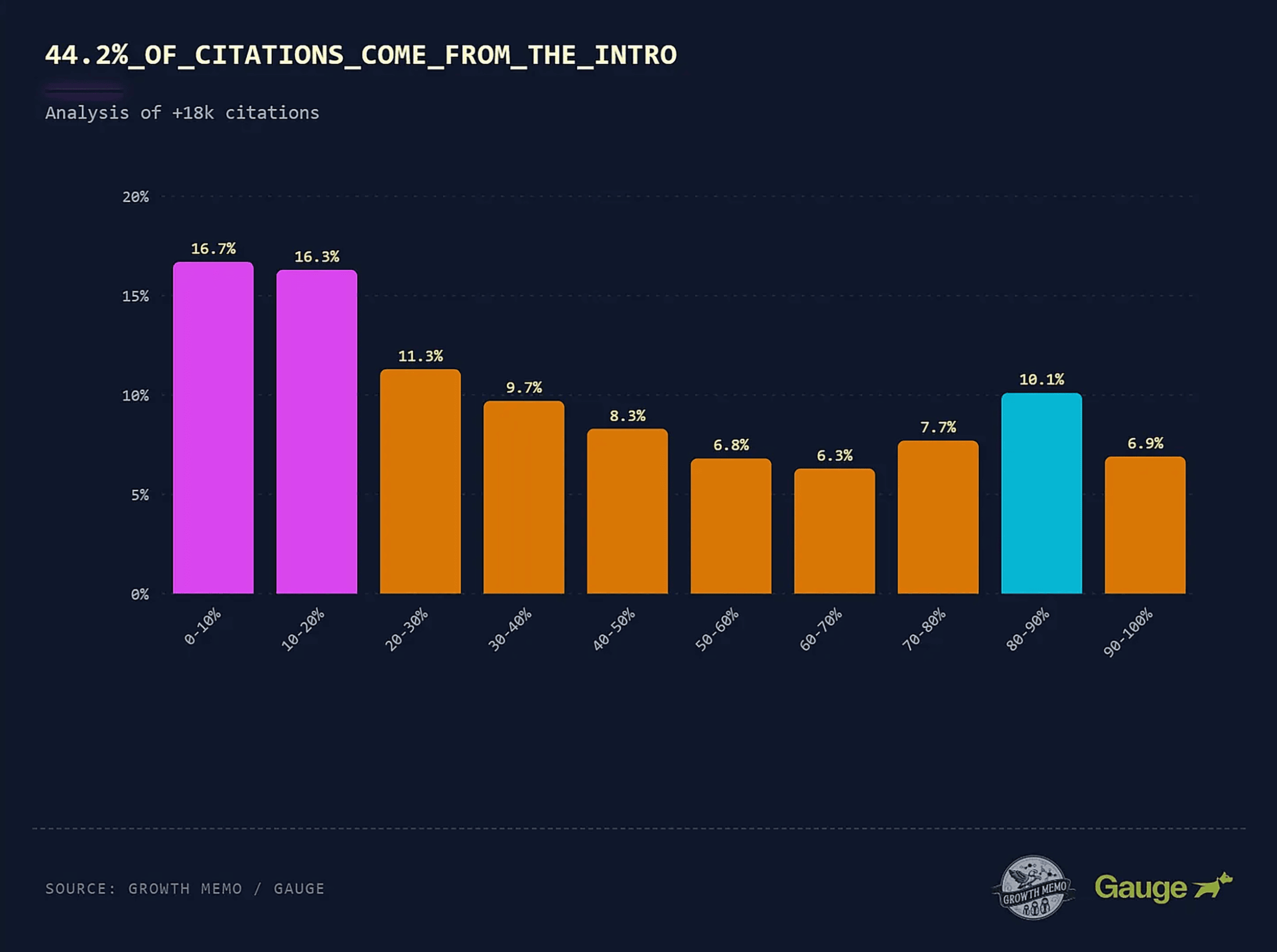
Furthermore, AI systems do not evaluate web pages as monolithic entities; rather, they retrieve and ingest specific passages. Data compiled by growth analysts examining millions of LLM responses demonstrates that a significant majority of AI citations—approximately 44 percent—originate from the initial 30 percent of a web page. Approximately 31 percent of citations stem from the middle sections, while less than a quarter are pulled from the final third of a document. This distribution underscores the critical importance of front-loading authoritative answers and scannable data points rather than burying key claims deep within lengthy prose.

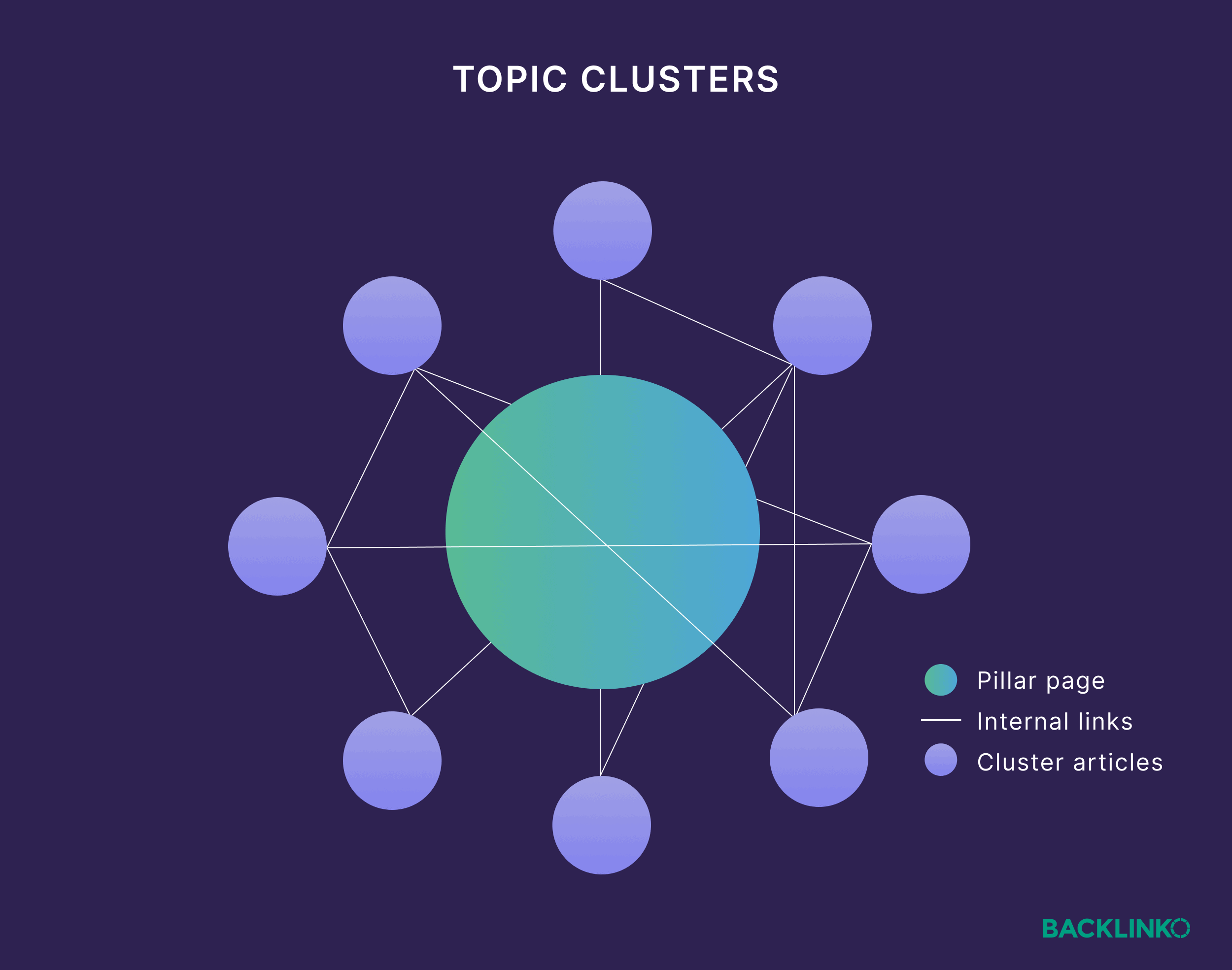
Additionally, modern content strategy must pivot from targeting isolated keywords to achieving exhaustive topical authority. Because LLMs evaluate entire topics through extensive sub-query networks, interconnected content structures such as pillar pages and robust topic clusters are essential for capturing and maintaining visibility.

A Six-Step Workflow for Optimizing AI Citations
Navigating the complexities of query fan-out requires a disciplined, repeatable optimization workflow designed to identify, target, and capture high-impact sub-queries. Digital strategists can implement a six-step framework to audit their current digital footprint and align their content architecture with the demands of conversational AI.
Step 1: Identify High-Intent Money Prompts
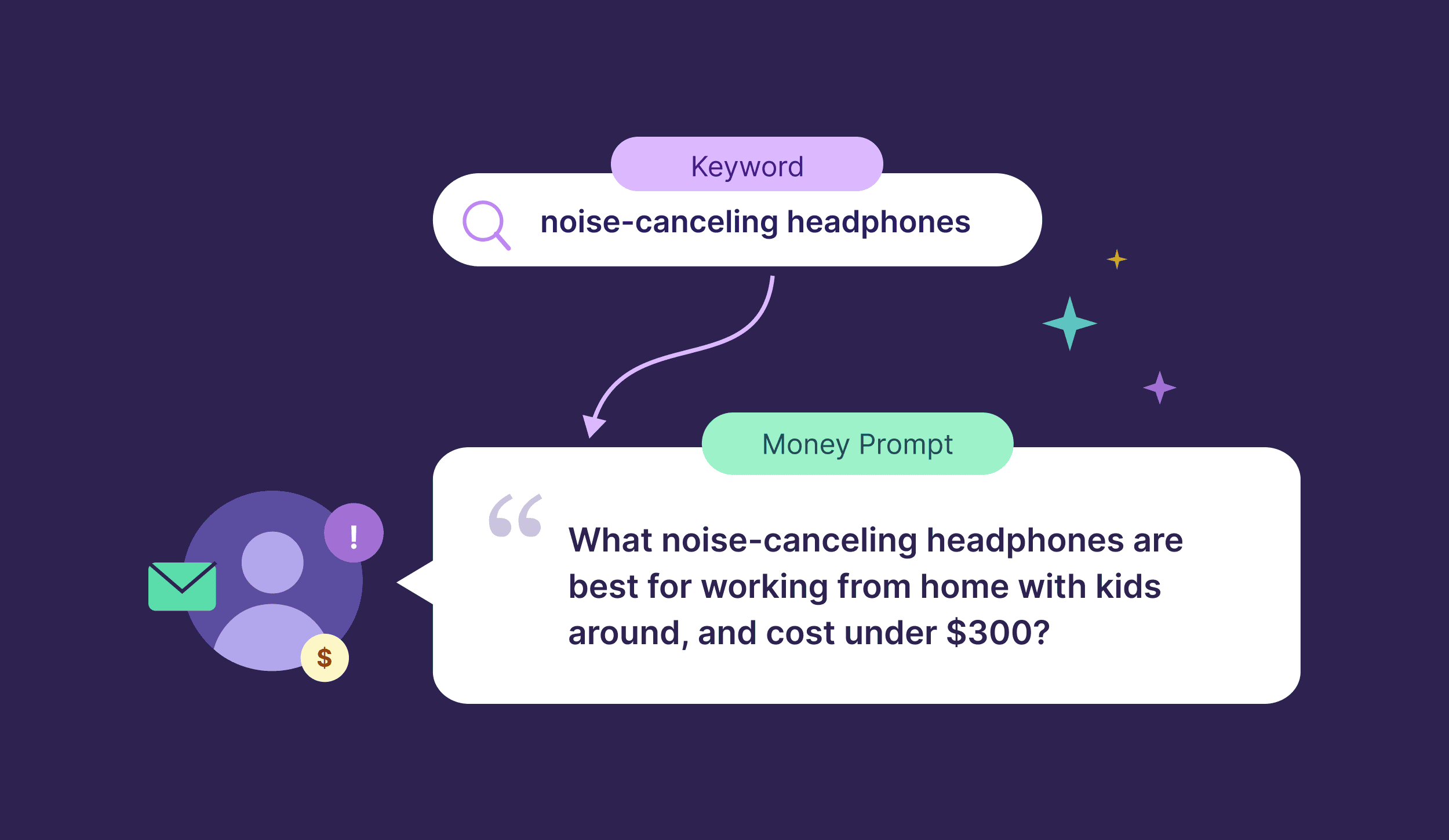
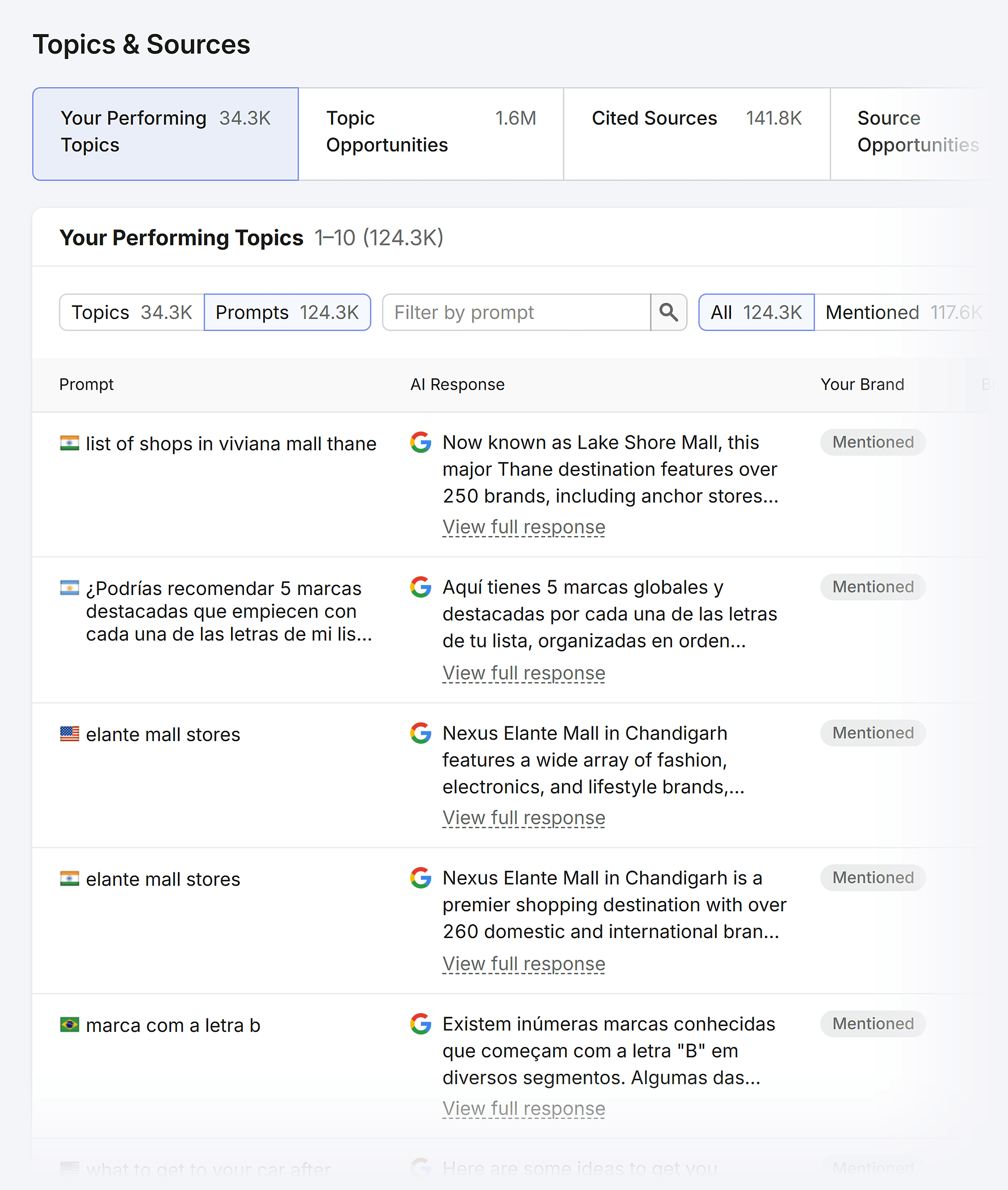
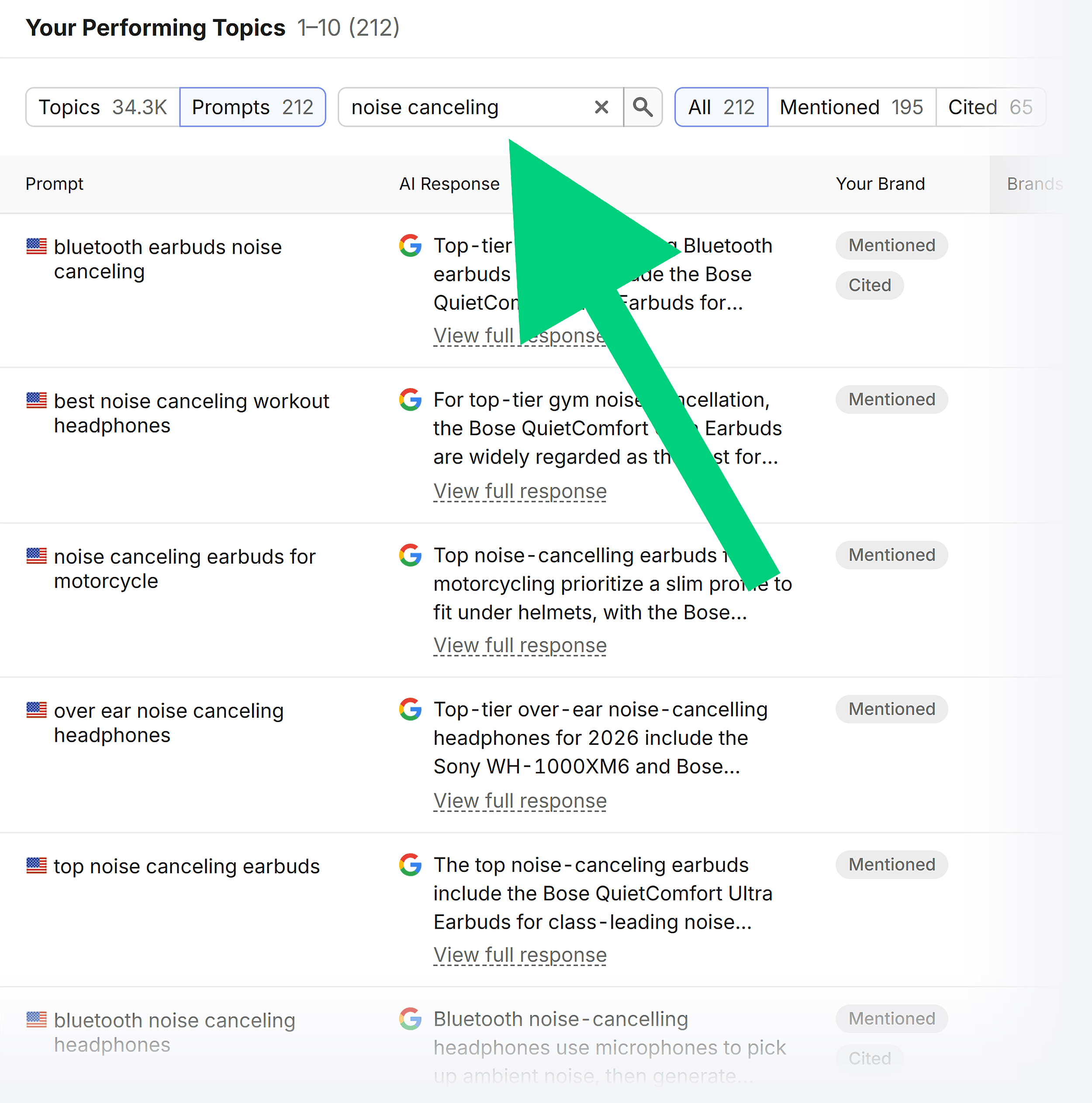
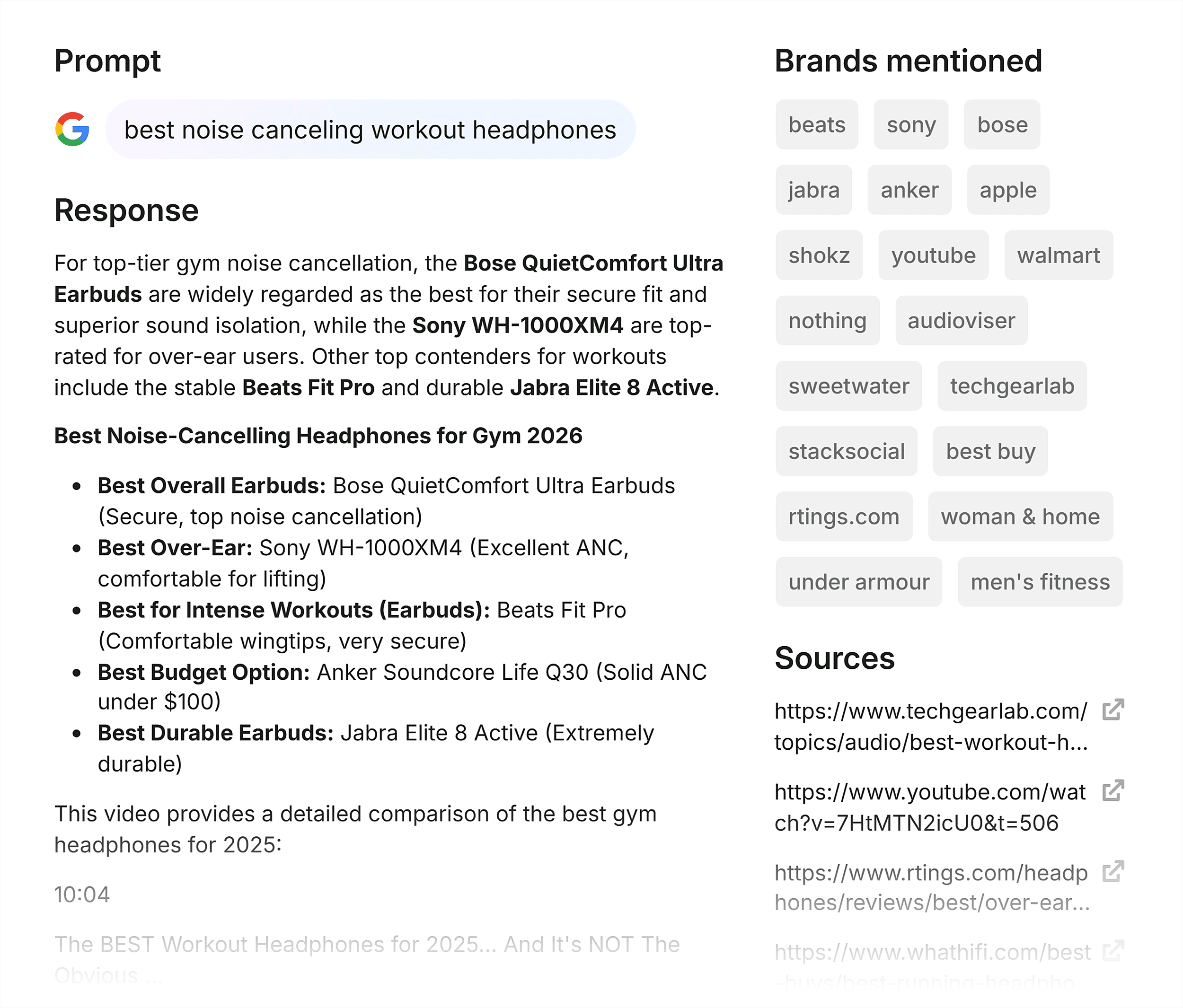
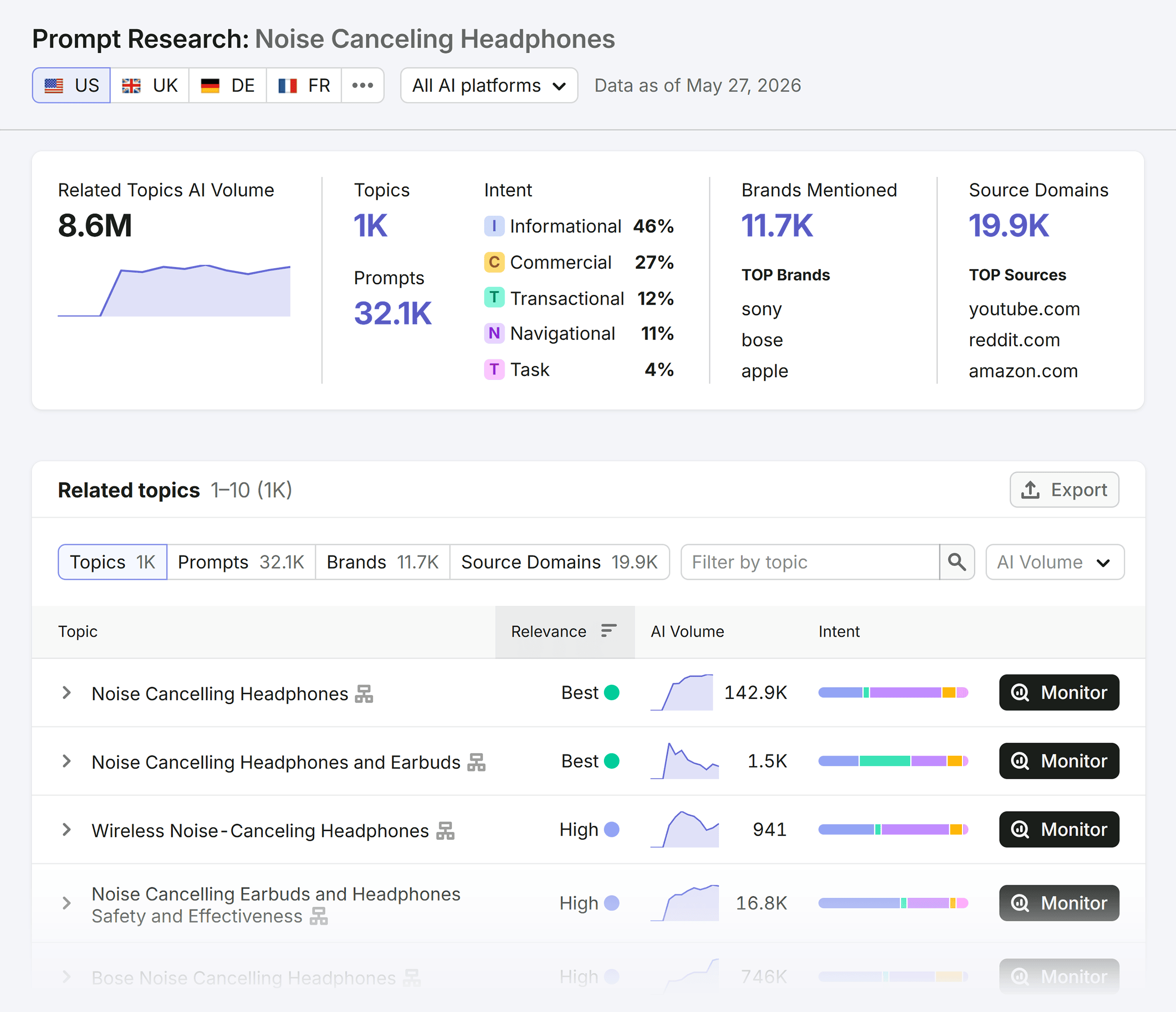
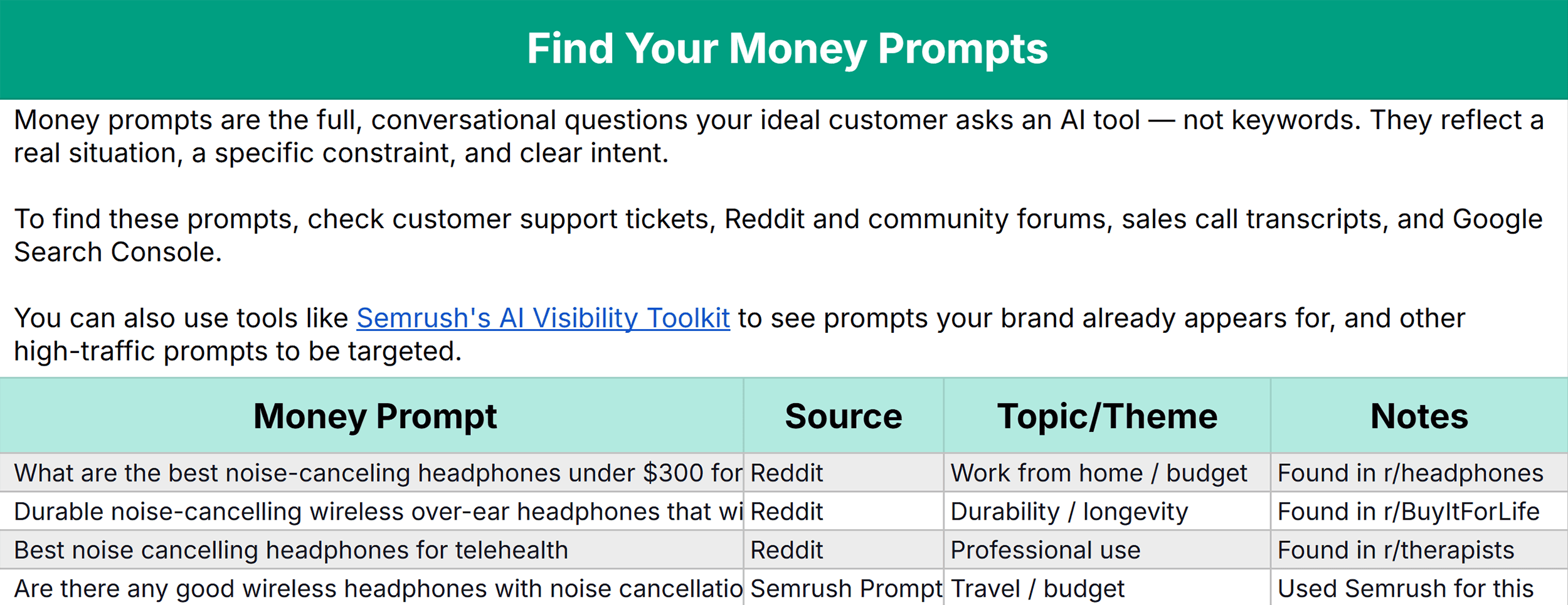
Money prompts represent the sophisticated, conversational inquiries that target audiences submit to AI platforms when seeking solutions to problems addressed by a specific product or service. Unlike traditional commercial-intent keywords, these prompts are rich with contextual constraints, specific use cases, and nuanced preferences. Identifying these prompts requires analyzing customer support transcripts, community forums like Reddit, and specialized AI visibility toolkits that track actual user queries and corresponding LLM responses across the market.
Step 2: Generate Comprehensive Fan-Out Sets
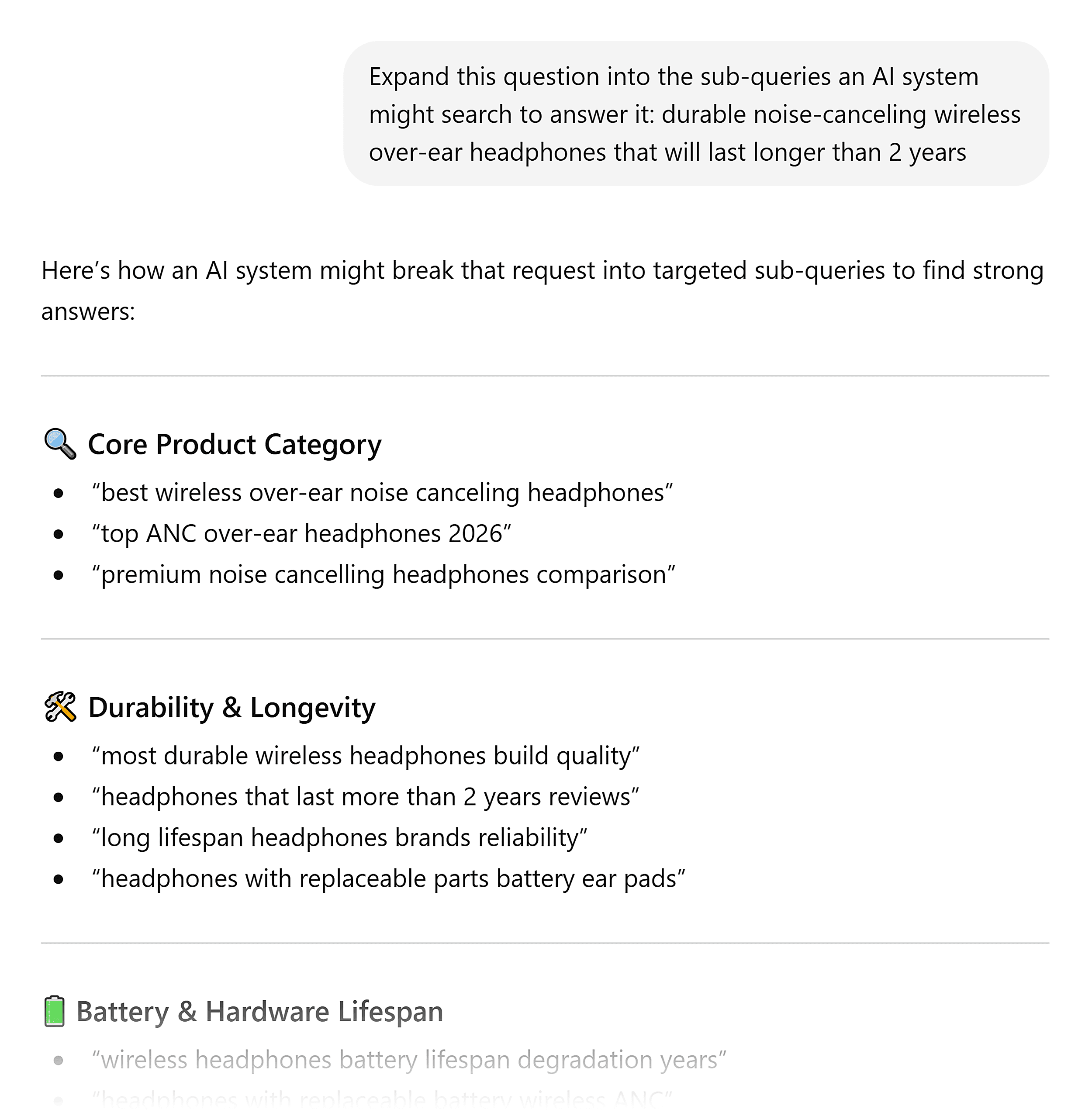
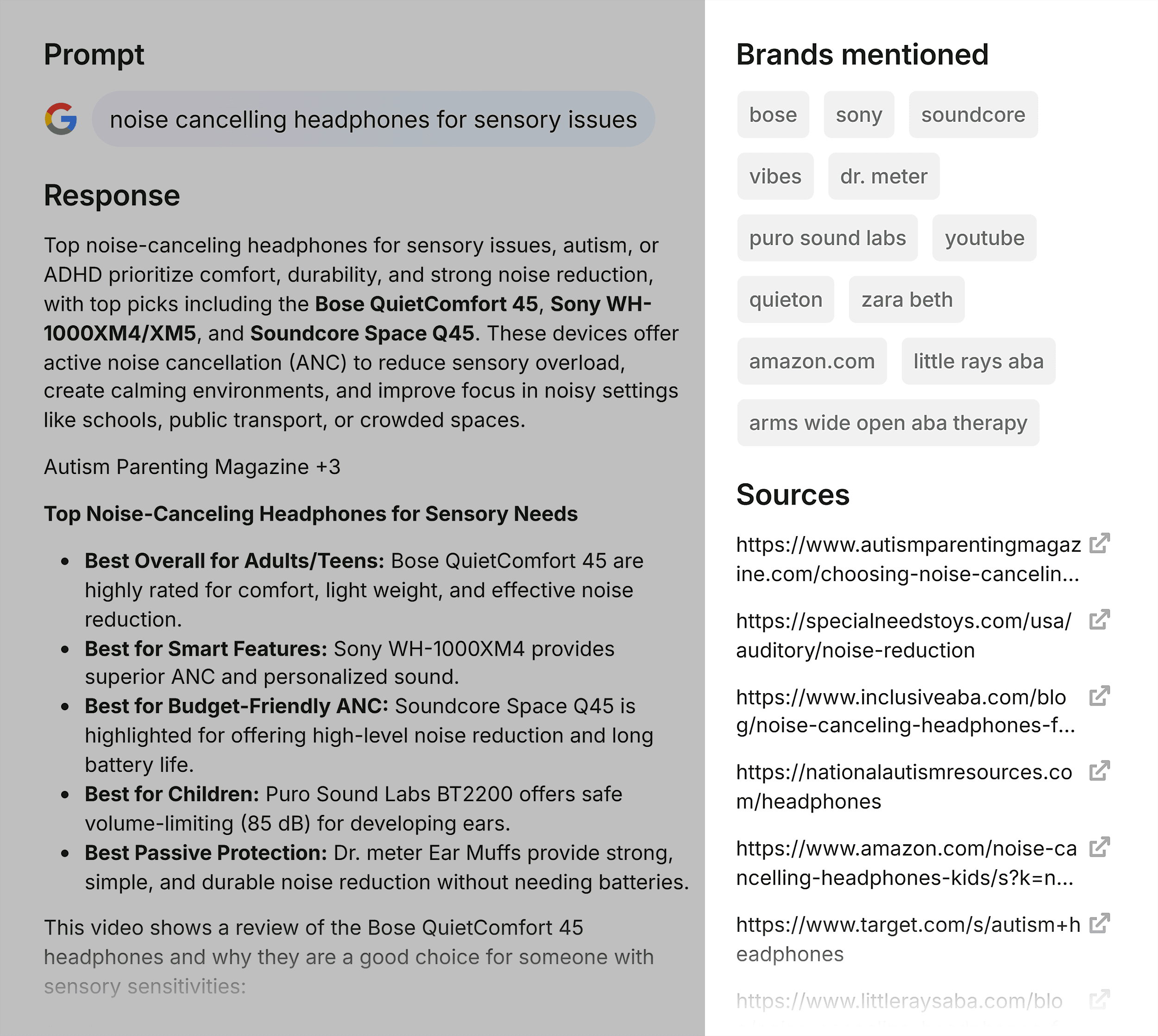
Once key money prompts are established, publishers must determine the specific sub-queries generated by AI platforms in response to those prompts. This can be accomplished manually using structured prompting templates or automated browser extensions designed to capture live LLM processing data. Categorizing these sub-queries—whether as reformulations, comparative evaluations, implicit needs, personalized constraints, or entity expansions—reveals critical content gaps that must be addressed.
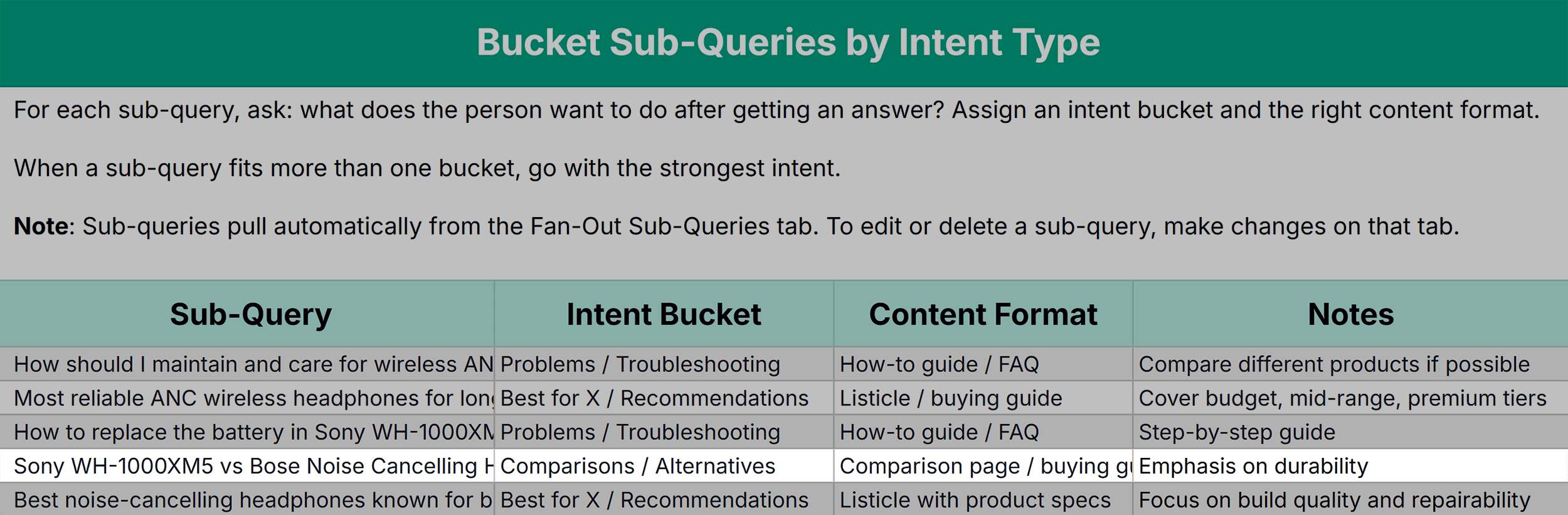
Step 3: Categorize Sub-Queries by Intent Buckets
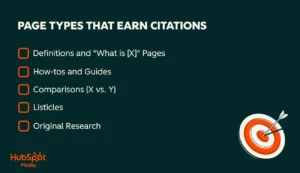
Sub-queries must be organized into distinct intent buckets, such as definitions, head-to-head comparisons, recommendations, troubleshooting guides, pricing inquiries, and social proof reviews. Aligning each intent type with the appropriate content format—such as structured comparison tables for comparative queries or comprehensive buying guides for recommendation inquiries—ensures that the published material matches the exact format preferred by retrieval algorithms.
Step 4: Conduct Rigorous Content Gap Audits
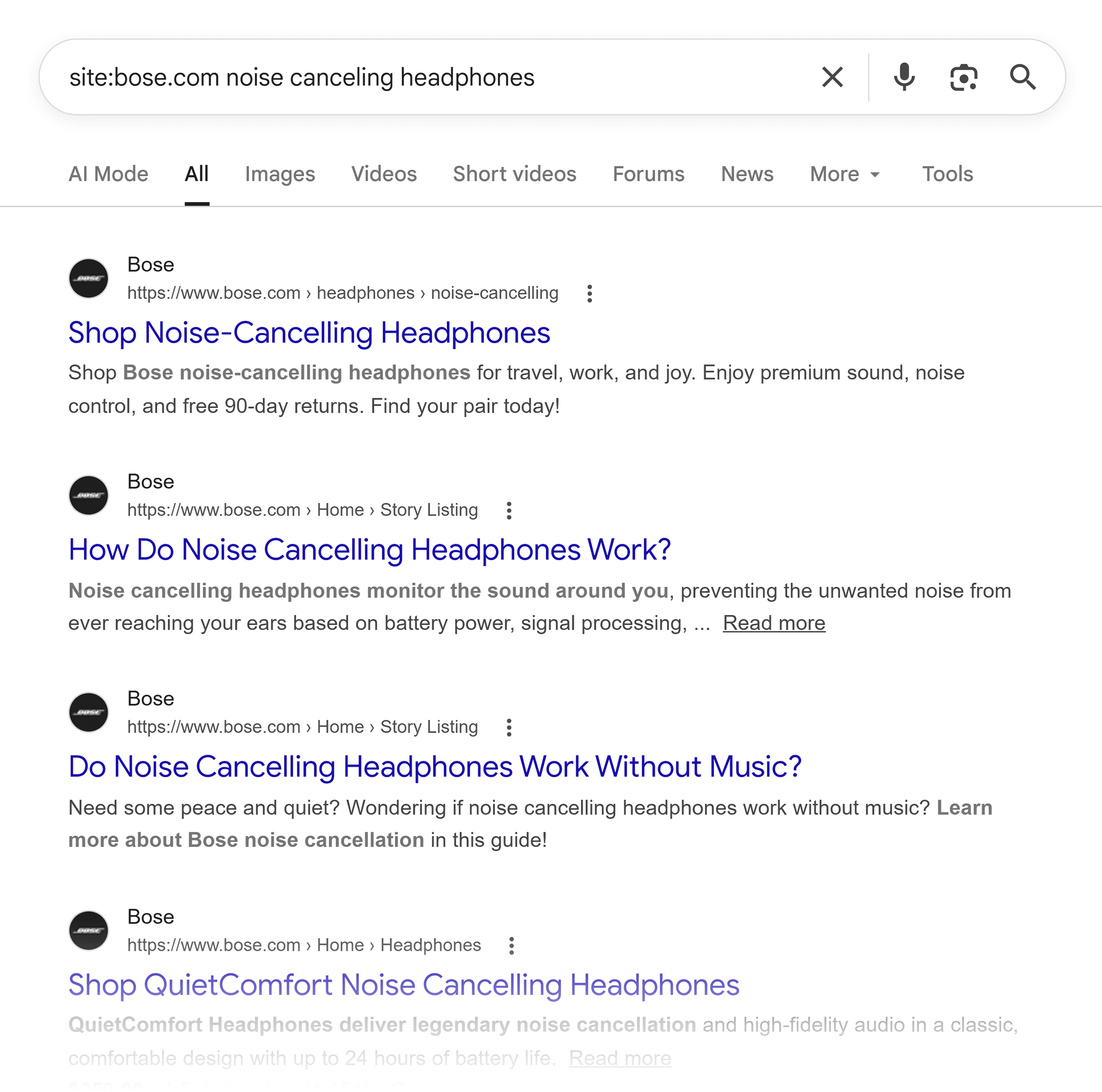
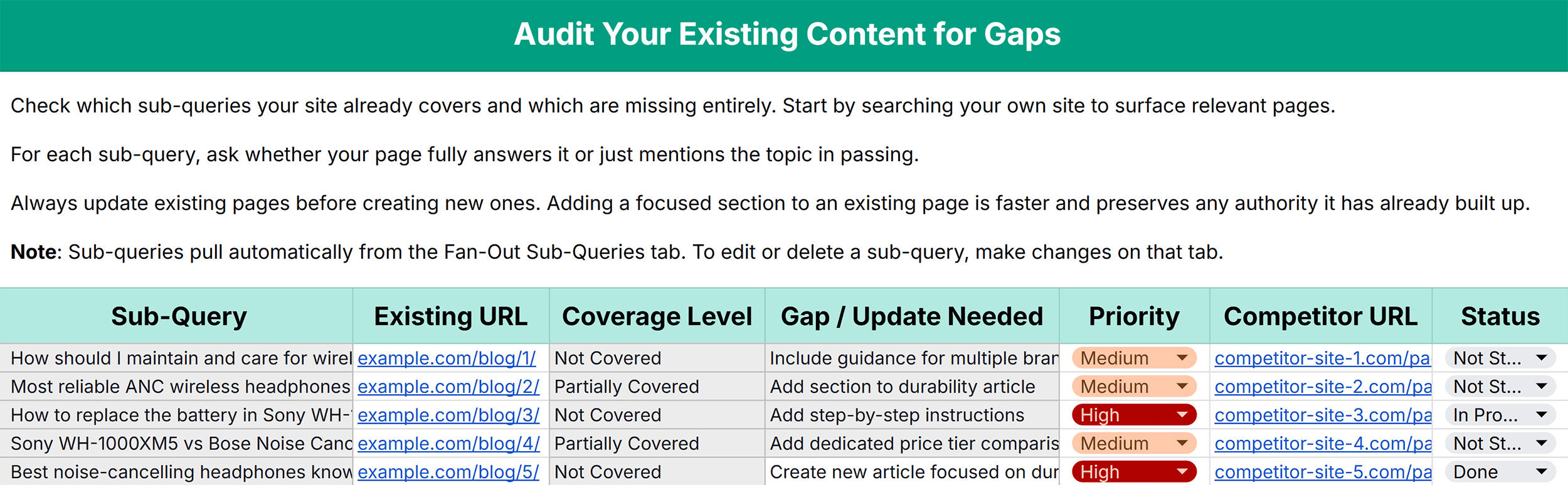
Publishers must evaluate their existing digital assets against the generated sub-query sets using targeted search operators or site audits. Content coverage is typically classified into three distinct tiers: fully covered sections that can be extracted independently, partially covered topics requiring expanded context, and complete gaps where no existing page addresses the sub-query. Identifying competitor citations during this phase highlights vulnerable areas where rivals are capturing market share.
Step 5: Structure Content for Seamless AI Extraction
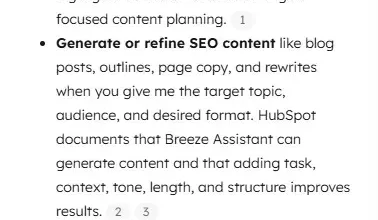
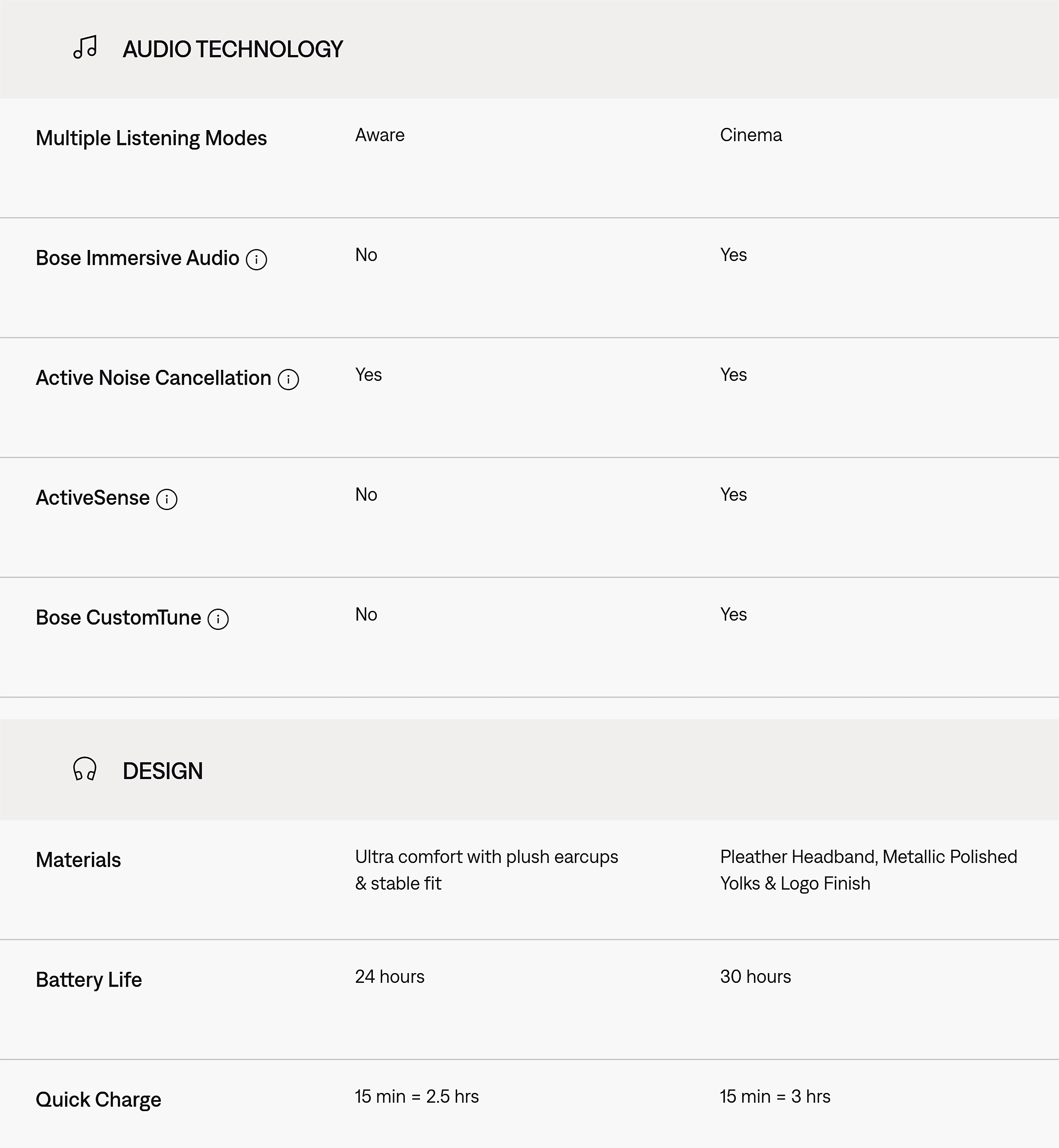
To maximize the likelihood of extraction and citation, content must be meticulously structured for machine readability. This involves front-loading primary claims, utilizing descriptive and scenario-specific subheadings, organizing technical specifications into clean comparative tables, and developing dedicated landing pages tailored to distinct user use cases. Ensuring that individual paragraphs and sections stand on their own without requiring extensive surrounding context dramatically enhances retrievability.
Step 6: Measure and Monitor AI Search Performance
The final phase involves continuous performance measurement across multiple LLM platforms. Because manual tracking across numerous sub-queries is resource-intensive, enterprises increasingly deploy automated prompt tracking and visibility scoring tools. These systems monitor shifts in brand mentions, evaluate sentiment drivers, and track competitive positioning over time, enabling organizations to refine their content strategies as search algorithms and consumer behaviors evolve.
Platform-Specific Mechanics of Query Fan-Out
While the underlying principle of query fan-out remains consistent across the AI landscape, individual platforms execute the process through distinct architectural methods.
ChatGPT relies on internal reasoning models to determine whether a query requires live web searches. For complex inquiries involving current data or comparative evaluations, the platform executes extensive behind-the-scenes web searches, drawing upon a vast network of authoritative third-party sources, editorial reviews, and user-generated forums.
Perplexity executes a dual-layer fan-out process, simultaneously evaluating conversational context and user history—such as past preferences or previous queries—alongside real-time web searches. This dynamic requires published content to remain robust, objective, and precise, as it may be surfaced across unpredictable contextual combinations.
Claude prioritizes intent clarification by engaging users with clarifying questions before initiating a response. By narrowing the scope of the inquiry upfront, Claude typically generates fewer, highly targeted sub-queries, placing a premium on content that addresses specific, well-defined use cases with exceptional depth.
Google AI Overviews and AI Mode synthesize information from Google’s extensive web index into concise summaries and conversational search panels. While AI Overviews condense information into featured-snippet-style overviews with source sidebars, AI Mode manages complex multi-part queries through advanced conversational processing. Across both Google ecosystems, optimization success depends on clear structural hierarchies, prominent placement of definitive answers, and clean semantic markup.
Implications for the Future of Digital Publishing
The emergence of query fan-out marks the definitive transition from a web optimized for static search engine crawlers to an information ecosystem governed by machine synthesis and conversational retrieval. Organizations that continue to anchor their digital strategies exclusively to traditional keyword rankings and linear funnel marketing will likely experience diminished visibility in AI-generated discovery channels. By embracing a comprehensive approach focused on granular sub-query coverage, machine-readable content structures, and rigorous performance tracking, publishers can secure sustainable authority and prominence across the rapidly expanding universe of artificial intelligence search.