The Shift from Traditional Search to LLM Visibility Tracking: Why Ranking #1 on Google is No Longer Enough


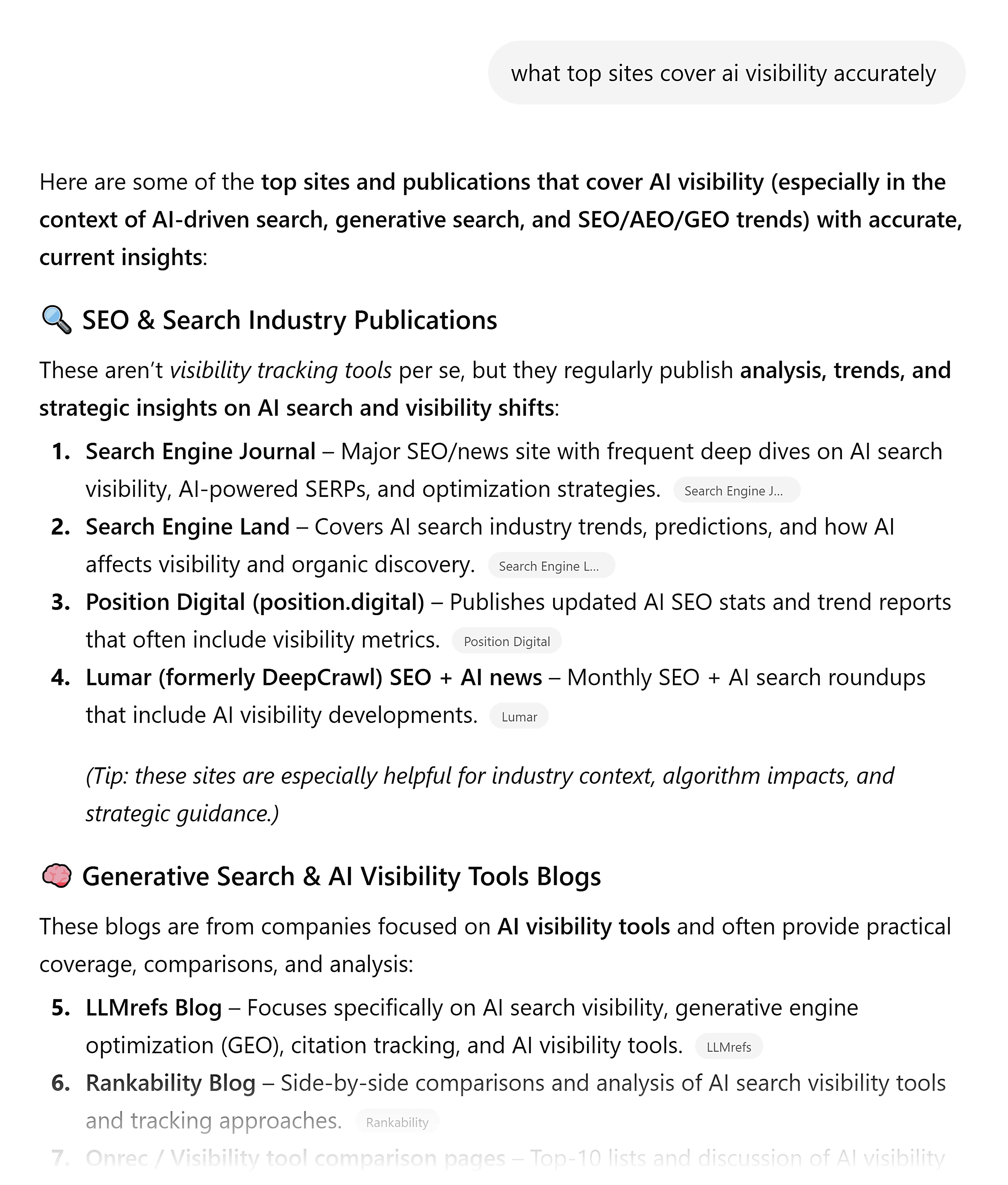
In the rapidly evolving landscape of digital marketing and search engine optimization, achieving the top spot on traditional search engine results pages (SERPs) no longer guarantees brand visibility. As consumers increasingly turn to large language models (LLMs) like OpenAI’s ChatGPT, Google Gemini, and Perplexity for product research, recommendations, and category comparisons, a new paradigm has emerged. Industry research indicates that a majority of internet users now rely on conversational AI as a primary research tool, bypassing traditional web browsing entirely. This shift has given rise to prompt tracking—also known as LLM visibility tracking—a critical methodology for modern brands seeking to understand how, where, and in what context they appear within AI-generated answers.
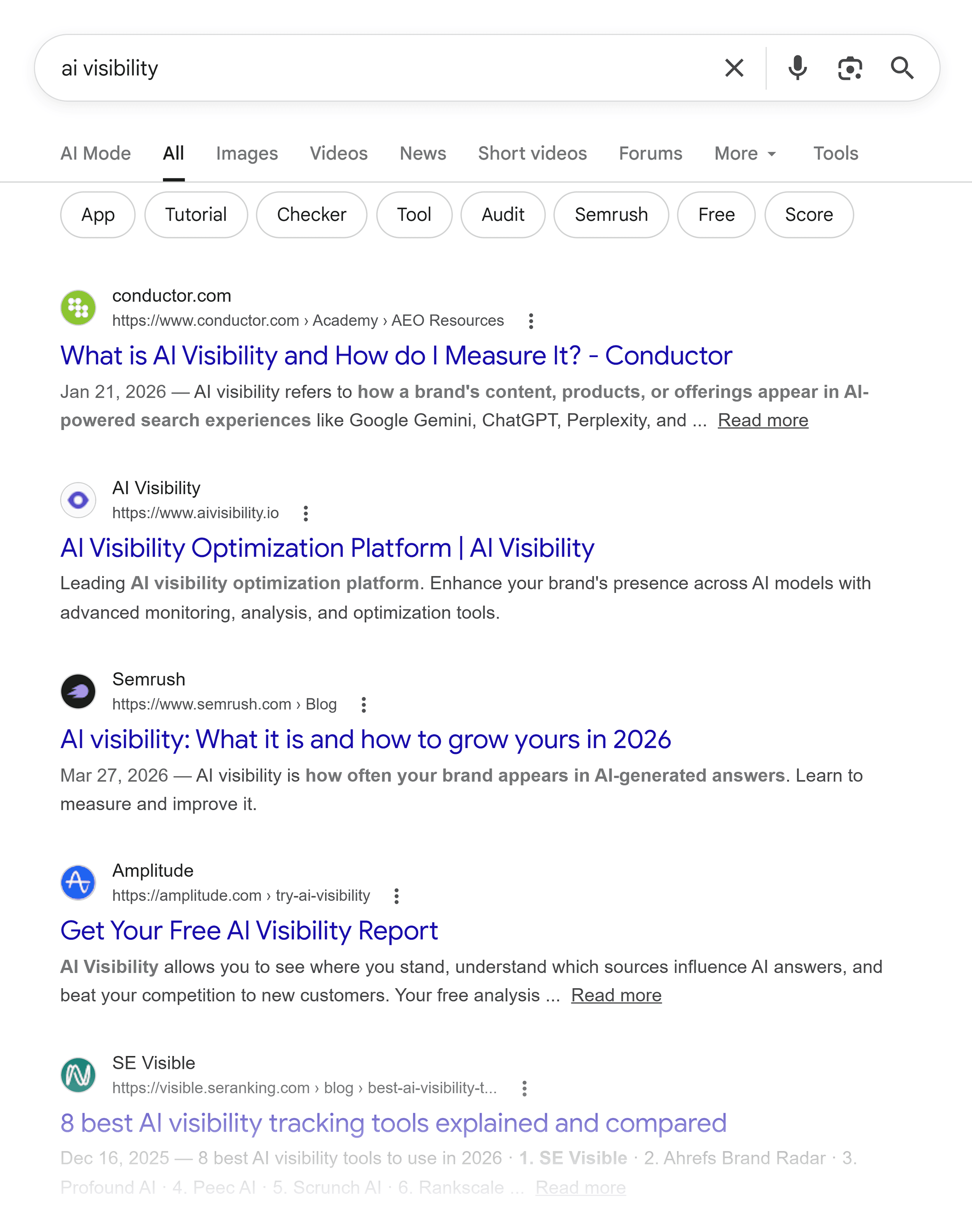
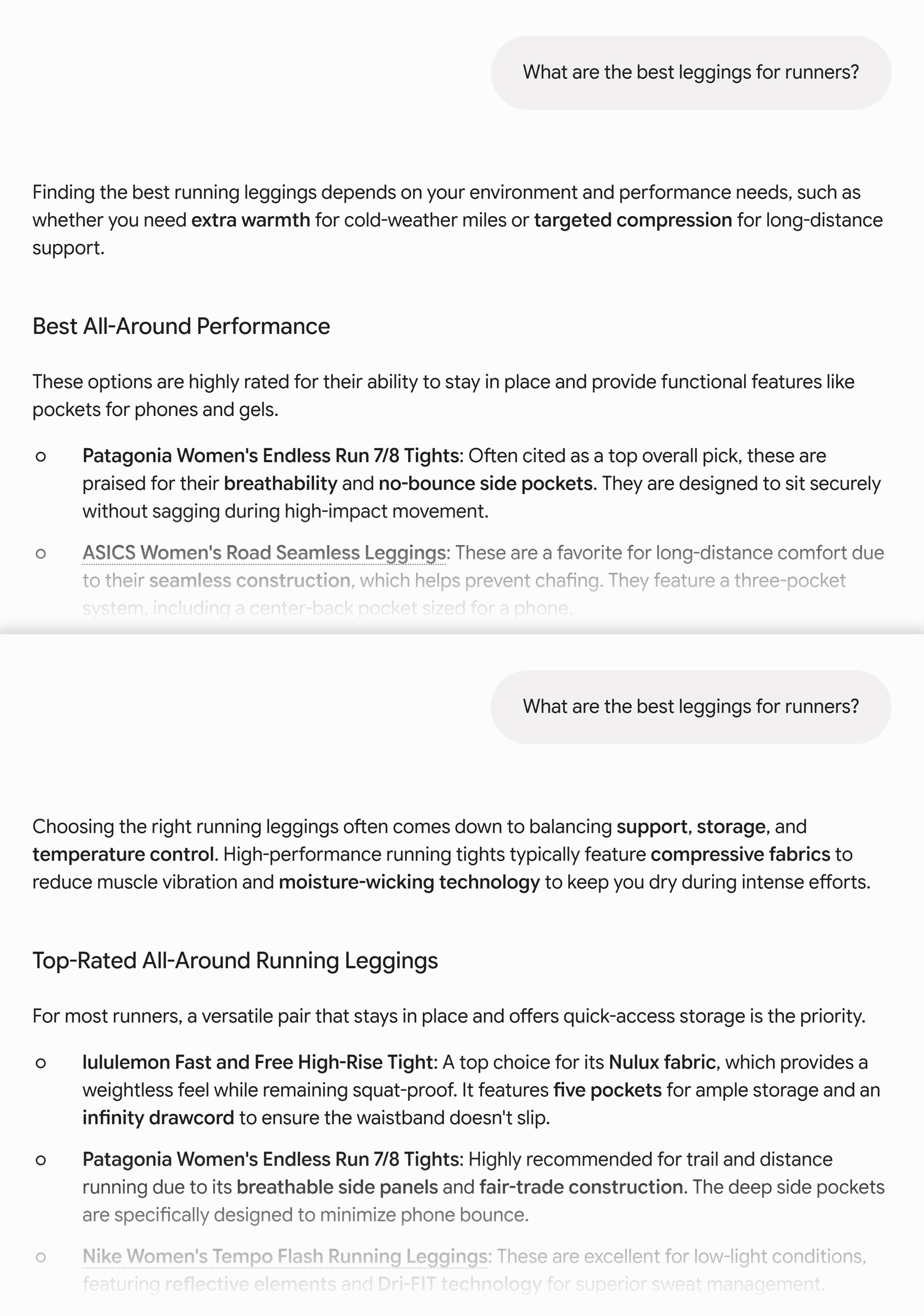
Unlike traditional SEO rank tracking, which evaluates static URLs against specific keywords on a standard SERP, prompt tracking monitors non-deterministic, dynamic outputs generated by AI systems. Because LLMs synthesize vast repositories of information to generate unique responses tailored to individual user contexts, the same prompt can yield different results across multiple queries. Consequently, digital strategists and marketing leaders are moving away from rigid position-monitoring toward directional intelligence: ensuring that their brand is consistently represented accurately and positively across various conversational prompts that drive high-value purchasing decisions.
The Imperative for Prompt Tracking in the Modern Marketing Mix
Recent adoption surveys underscore the urgency of adapting to conversational search behaviors. Data from industry analysts reveals that over half of internet users in the United States routinely utilize AI platforms for general research, with a significant percentage relying exclusively on these tools for product and service recommendations. For enterprise brands and growing businesses alike, this means prospective buyers are forming opinions about a company’s offerings long before—or even without—ever visiting the official corporate website.
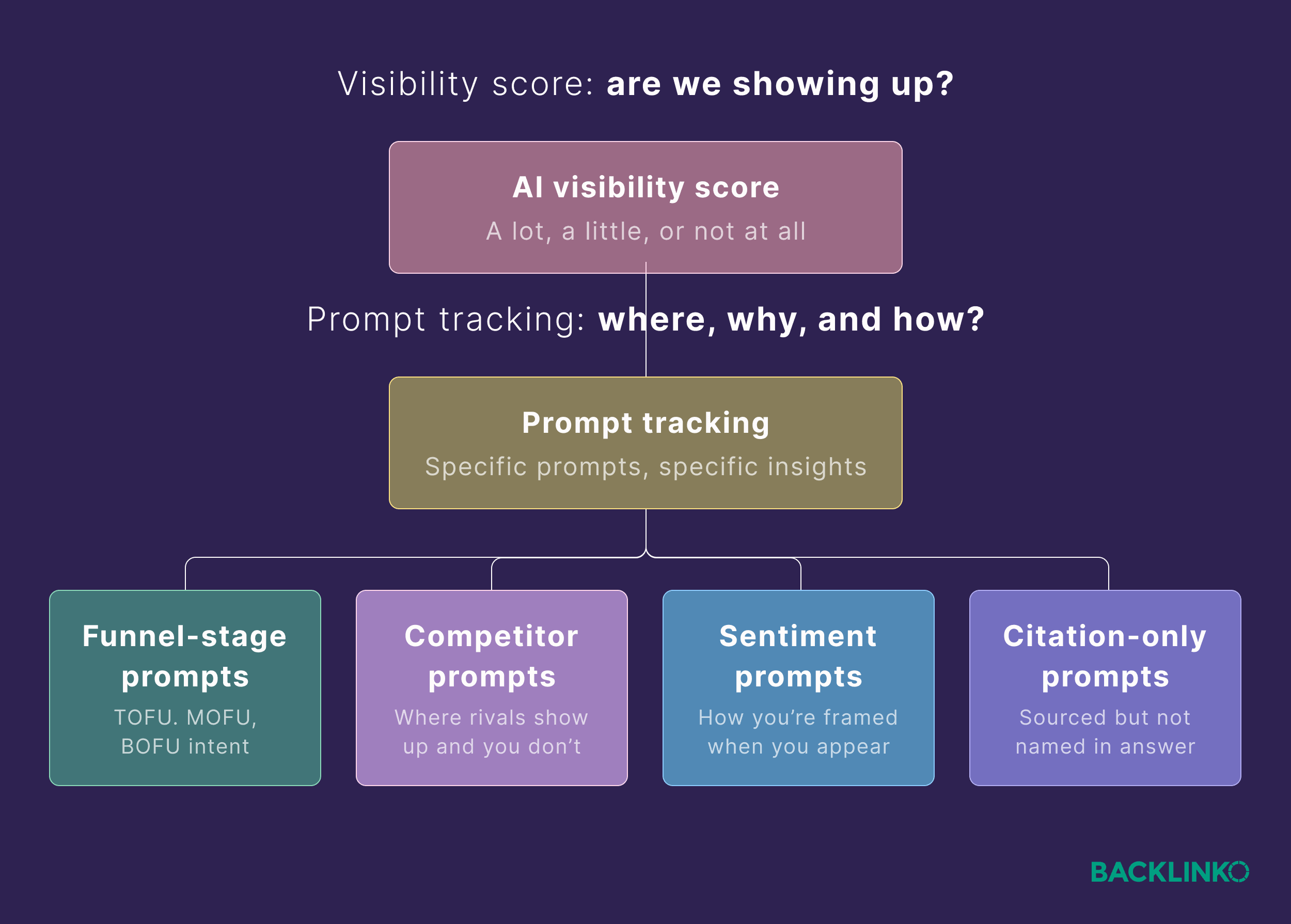
Without a systematic approach to monitoring these interactions, organizations operate in the dark, vulnerable to visibility gaps or, worse, outdated and inaccurate representations disseminated by LLMs. Prompt tracking illuminates these blind spots. By analyzing brand mentions, citations, and overall sentiment across the buying funnel—from top-of-funnel educational queries to bottom-of-funnel (BoFu) comparison prompts—marketers can pinpoint exactly which topics they dominate and where competitors hold an advantage. For instance, sales intelligence and B2B software platforms that actively track their AI visibility can align their content strategies with high-converting buyer conversations, optimizing resource allocation and safeguarding their market share against aggressive competitors.
Structuring and Executing an Effective Prompt Tracking Strategy
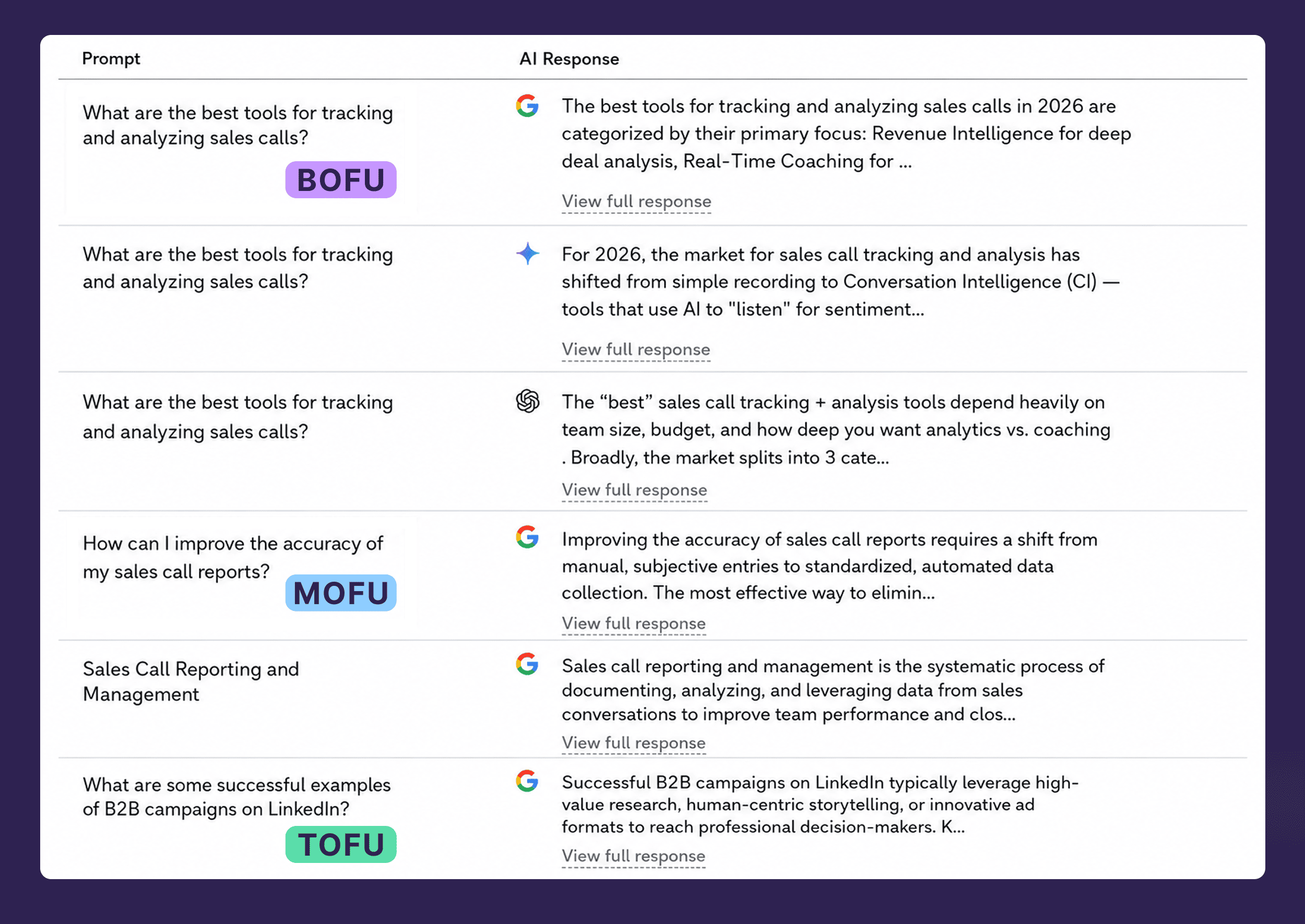
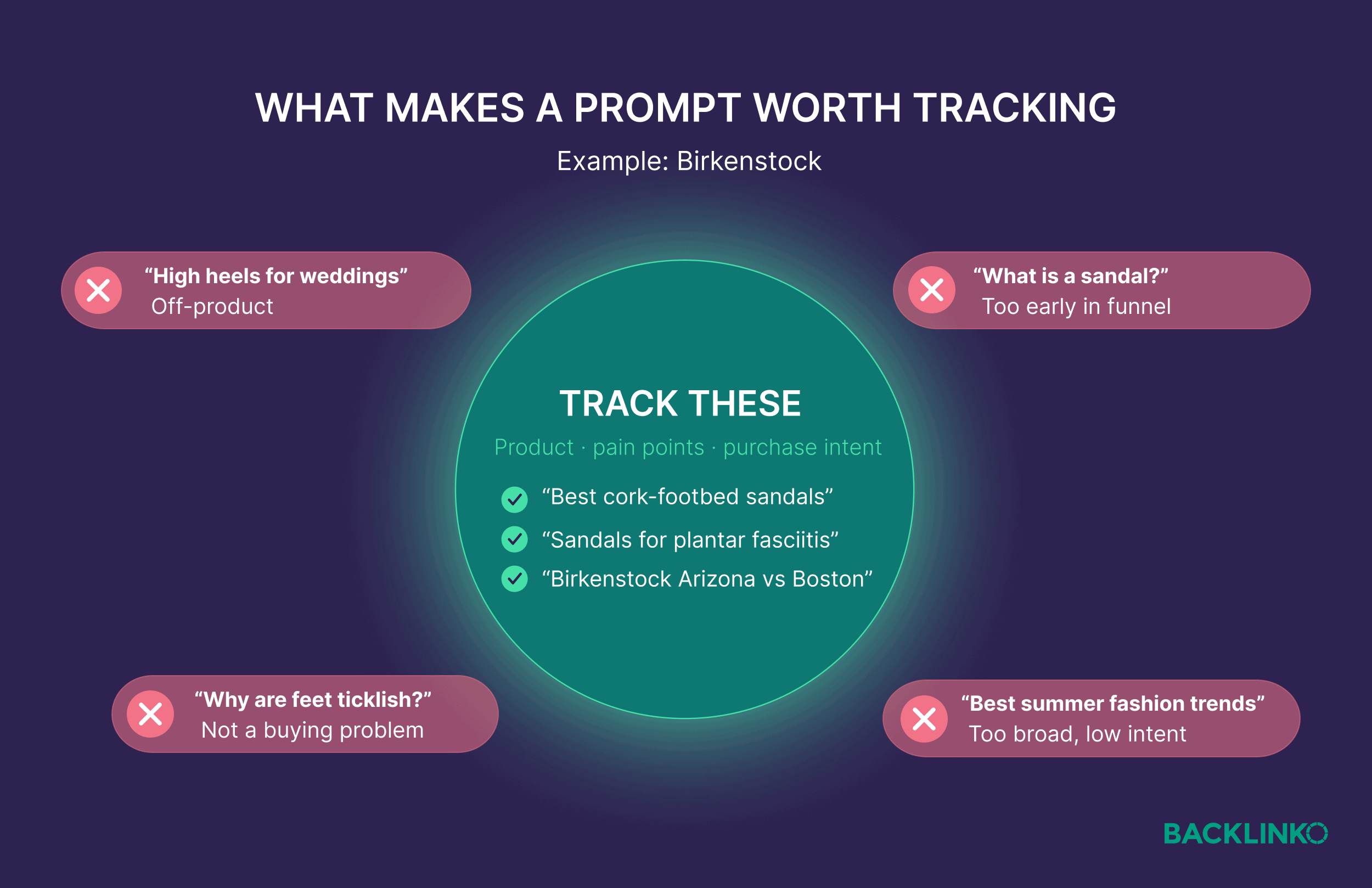
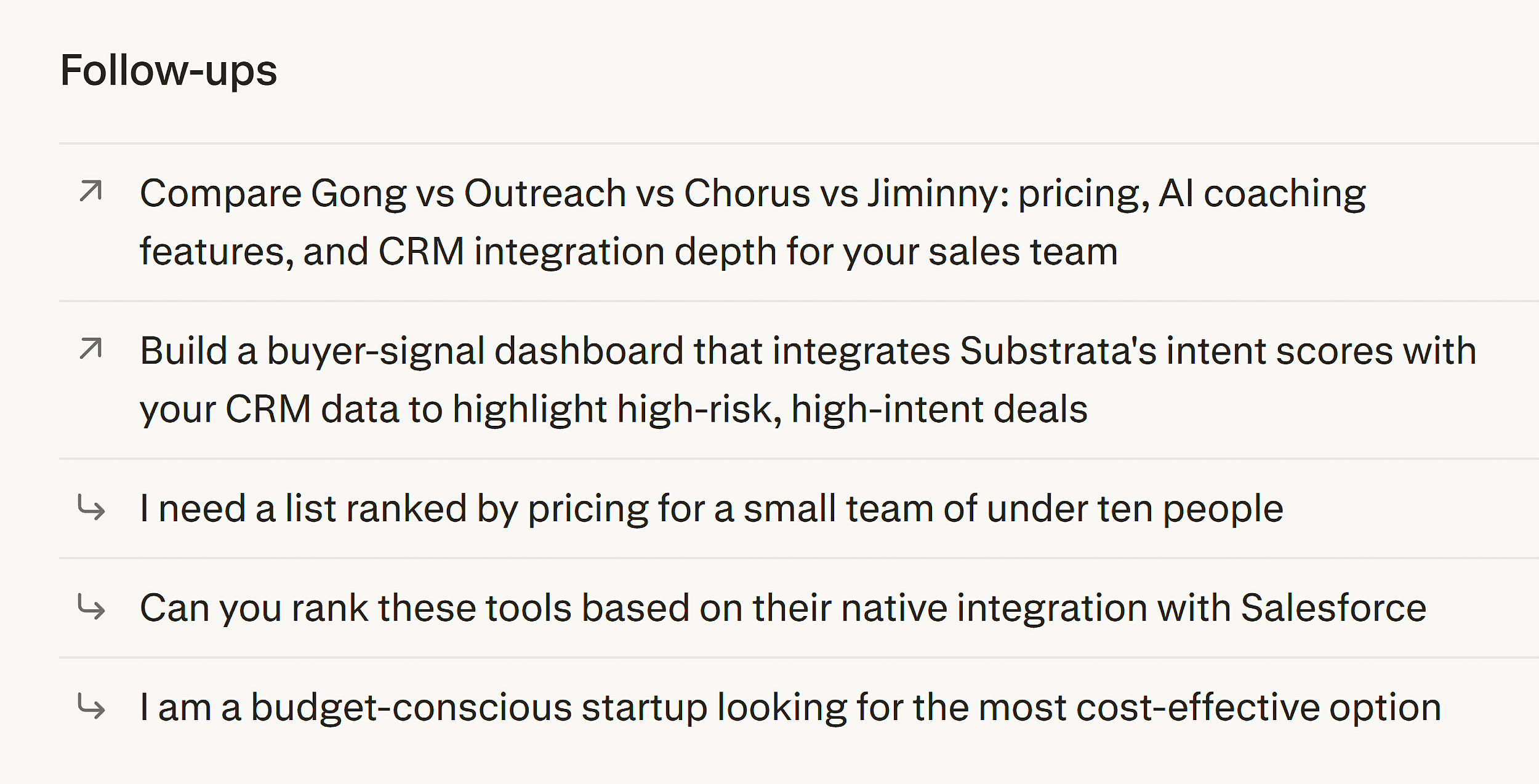
Implementing a robust prompt tracking framework requires precision, strategic focus, and consistency. Rather than attempting to monitor an unmanageable volume of generic queries, industry experts recommend curating a targeted prompt set comprising 20 to 30 core prompts divided into logical categories that reflect real-world buyer intent. These prompts generally fall into four distinct categories: evaluation prompts, comparison prompts, reputation prompts, and gap prompts.
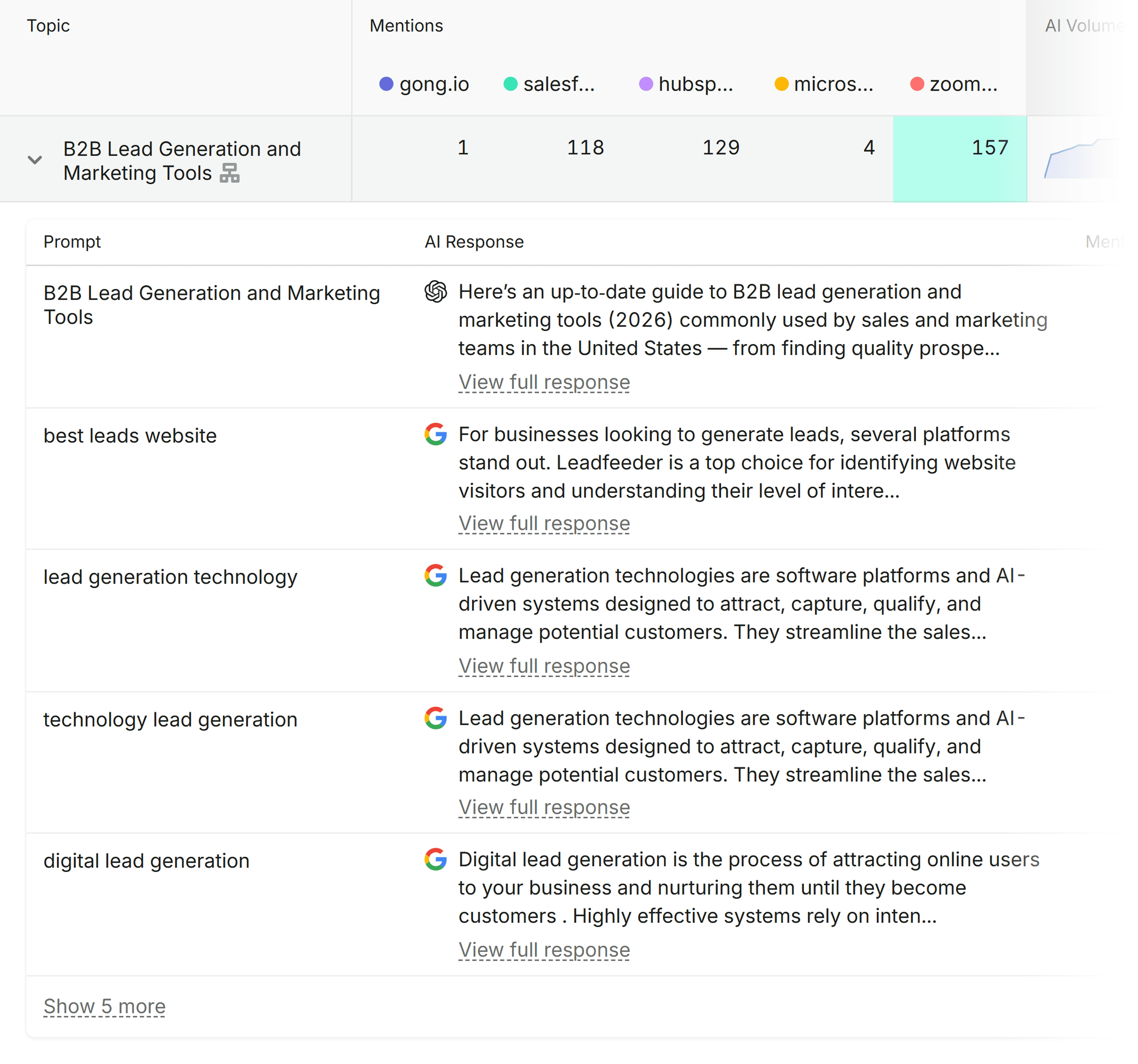
- Evaluation Prompts: Designed to capture searches where users ask AI tools to identify the best software, tools, or services for a specific task (e.g., "Best project management software for marketing teams").
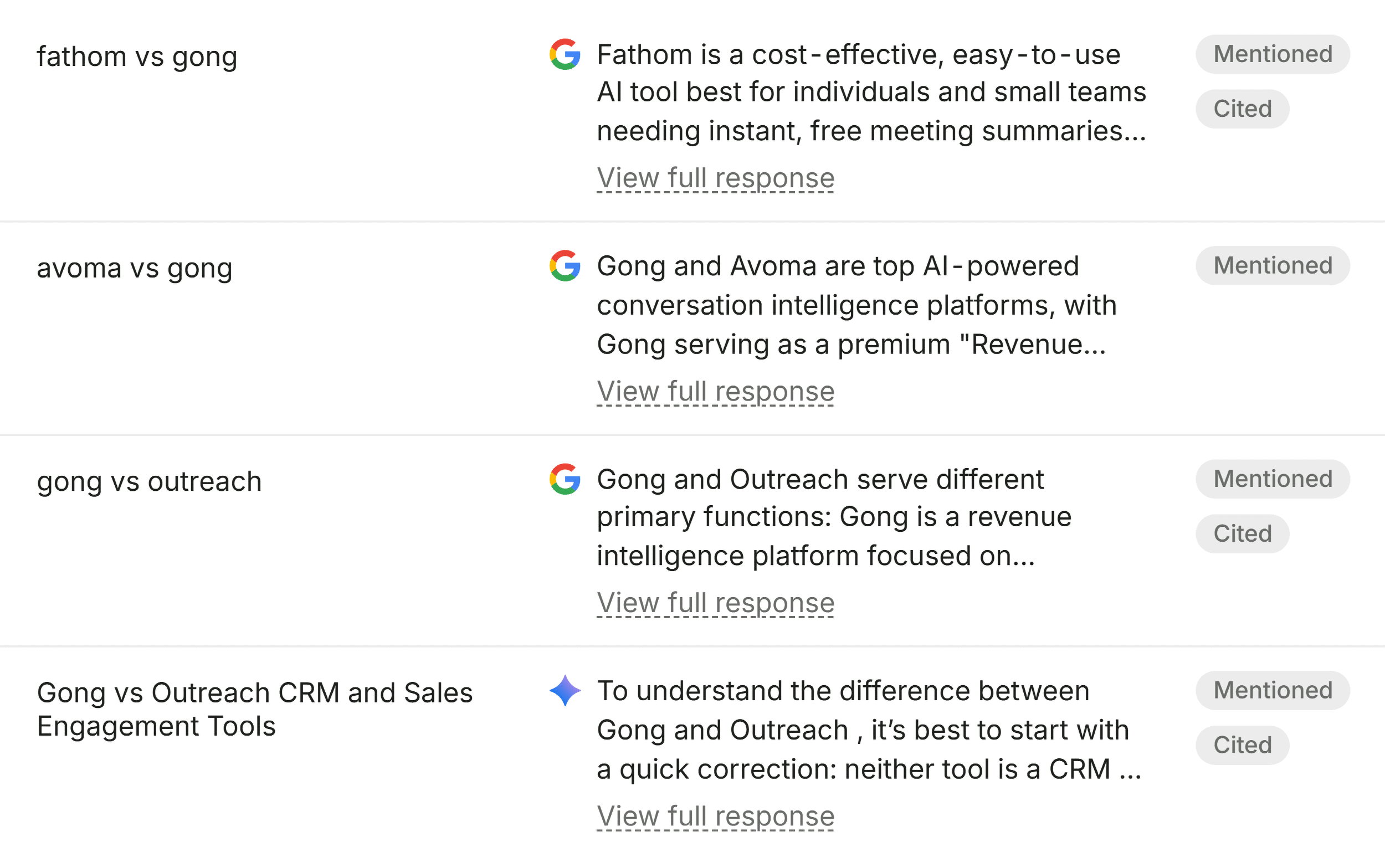
- Comparison Prompts: Focused on head-to-head evaluations between a brand and its primary competitors (e.g., "How does Brand A compare to Brand B?").
- Reputation Prompts: Aimed at uncovering sentiment, customer satisfaction, and overall market standing (e.g., "Is Brand A worth the price for enterprise teams?").
- Gap Prompts: Unexplored or underperforming categories where competitors currently hold visibility, but the brand aims to establish presence.
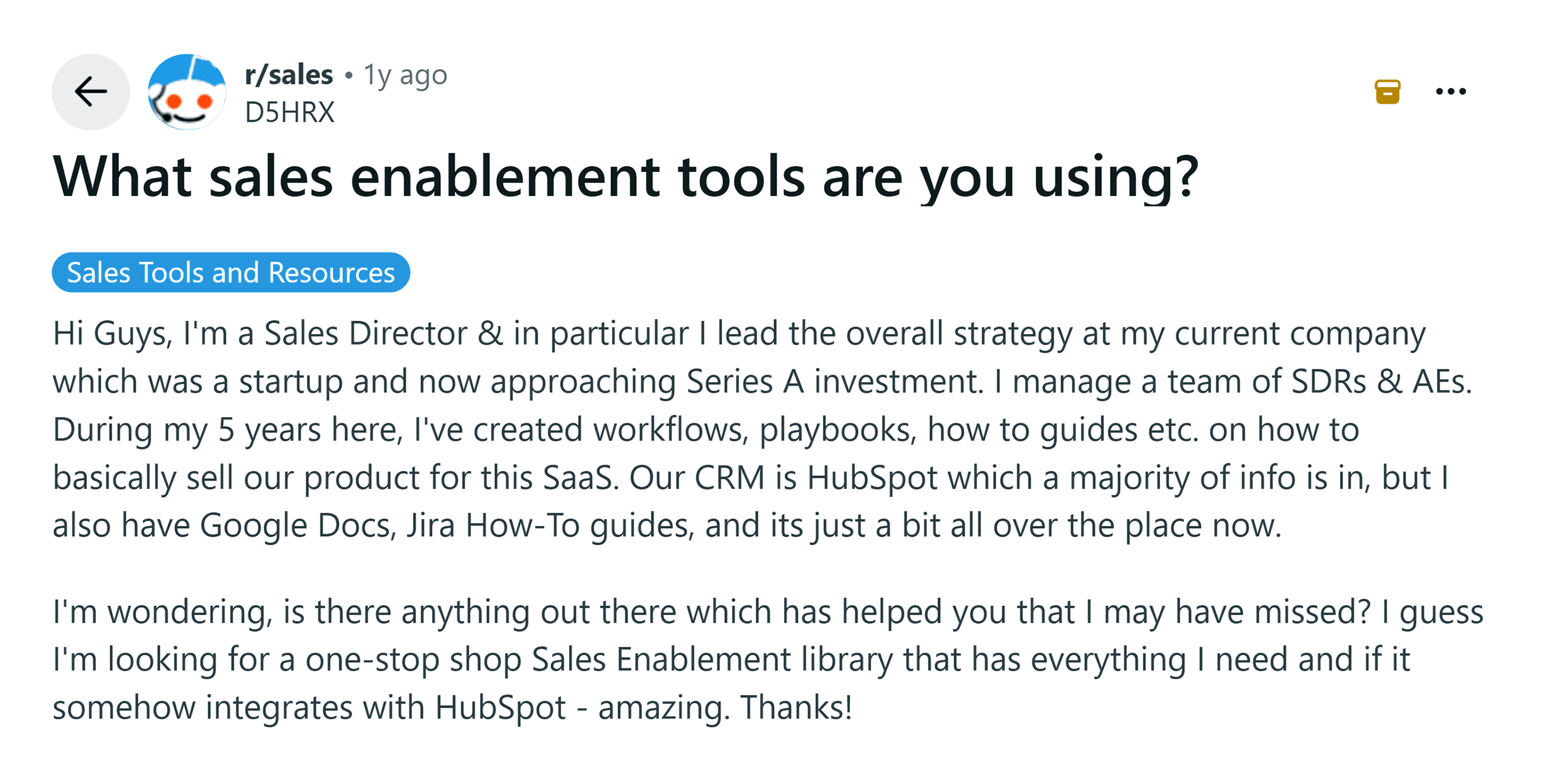
To build this framework, digital strategists often combine keyword research tools, customer feedback forums, and automated tracking platforms. By categorizing prompts by product lines, use cases, or buyer constraints—such as specific technical requirements or pricing limitations—brands can create a structured matrix that facilitates longitudinal data analysis.
The Mechanics of Monitoring: Best Practices for Data Collection
Effective prompt tracking relies on disciplined execution and regular monitoring routines. Because LLM outputs vary naturally from run to run, relying on a single snapshot of data can lead to misguided tactical pivots. Industry leaders recommend a systematic approach:
- Multi-Platform Coverage: Prompts should be evaluated across all major AI platforms, including ChatGPT, Claude, Gemini, and Perplexity, as each model utilizes distinct training data, web-crawling mechanisms, and source weighting.
- Longitudinal Analysis: Rather than reacting to weekly fluctuations, analysts advise tracking metrics over consecutive four-week periods to establish genuine performance trends rather than algorithmic anomalies.
- Competitor and Citation Logging: Tracking where competitors appear alongside the brand—and noting the third-party sources cited by the AI—provides invaluable context. Research consistently shows that a substantial majority of AI brand mentions originate from authoritative third-party publications, review platforms, and discussion forums rather than corporate web pages.
Analyzing Data Signals and Avoiding Common Pitfalls
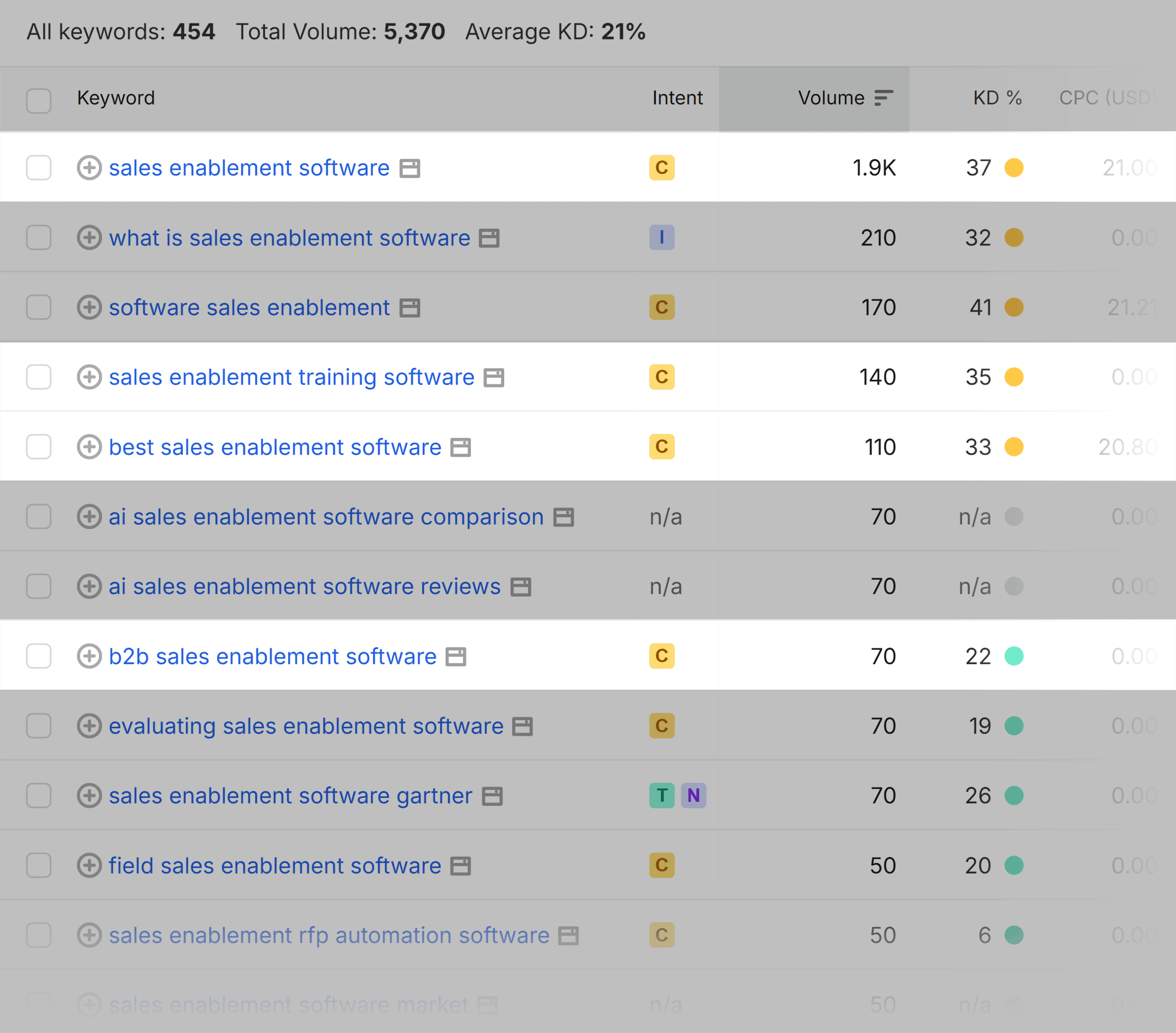
Interpreting prompt tracking data requires an analytical mindset capable of distinguishing between temporary variance and systemic shifts. When reviewing visibility dashboards, strategists look for three primary signals:
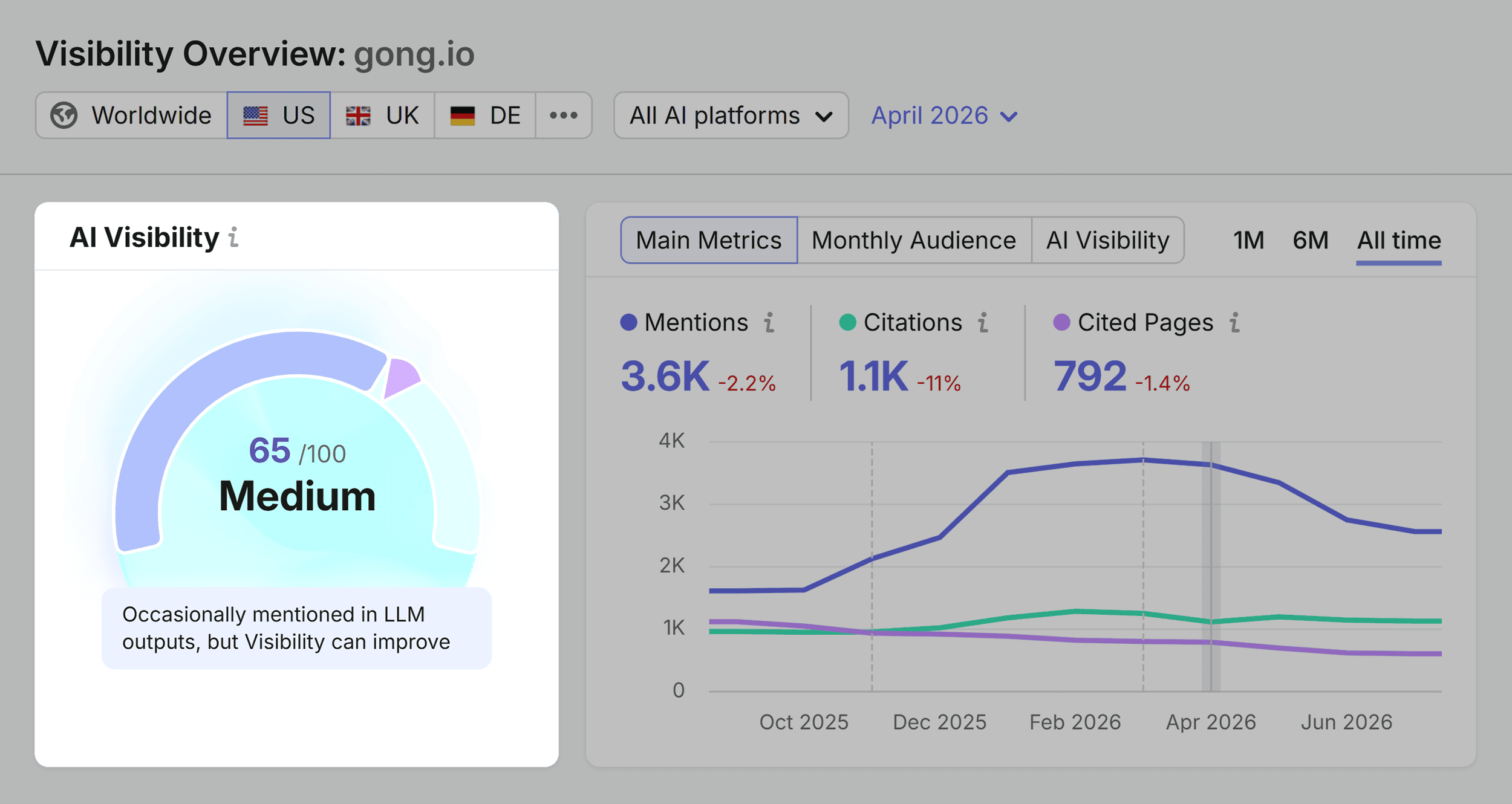
- Frequency Trends: A consistent upward trajectory in citations typically validates ongoing content and PR efforts, whereas sustained declines signal emerging competitive threats or outdated on-site resources.
- Third-Party Source Dominance: Identifying the specific external publications, review aggregators, and industry blogs that AI models repeatedly cite allows brands to focus their public relations and digital outreach efforts where they will have the highest algorithmic impact.
- The "Ghost Ranking" Phenomenon: A scenario where a brand’s content is cited in the reference panel, but the AI text recommends a competitor instead. Recognizing this pattern prompts a targeted audit of the brand’s presence on those specific third-party platforms to convert citations into direct recommendations.
Conversely, analysts must avoid common misreads, such as reacting prematurely to a single week of lower visibility or cluttering tracking sheets with broad, top-of-funnel definitional queries that do not drive conversions. Similarly, over-reliance on branded queries can skew visibility scores, masking true category performance.
Conclusion: Moving Forward with AI Visibility
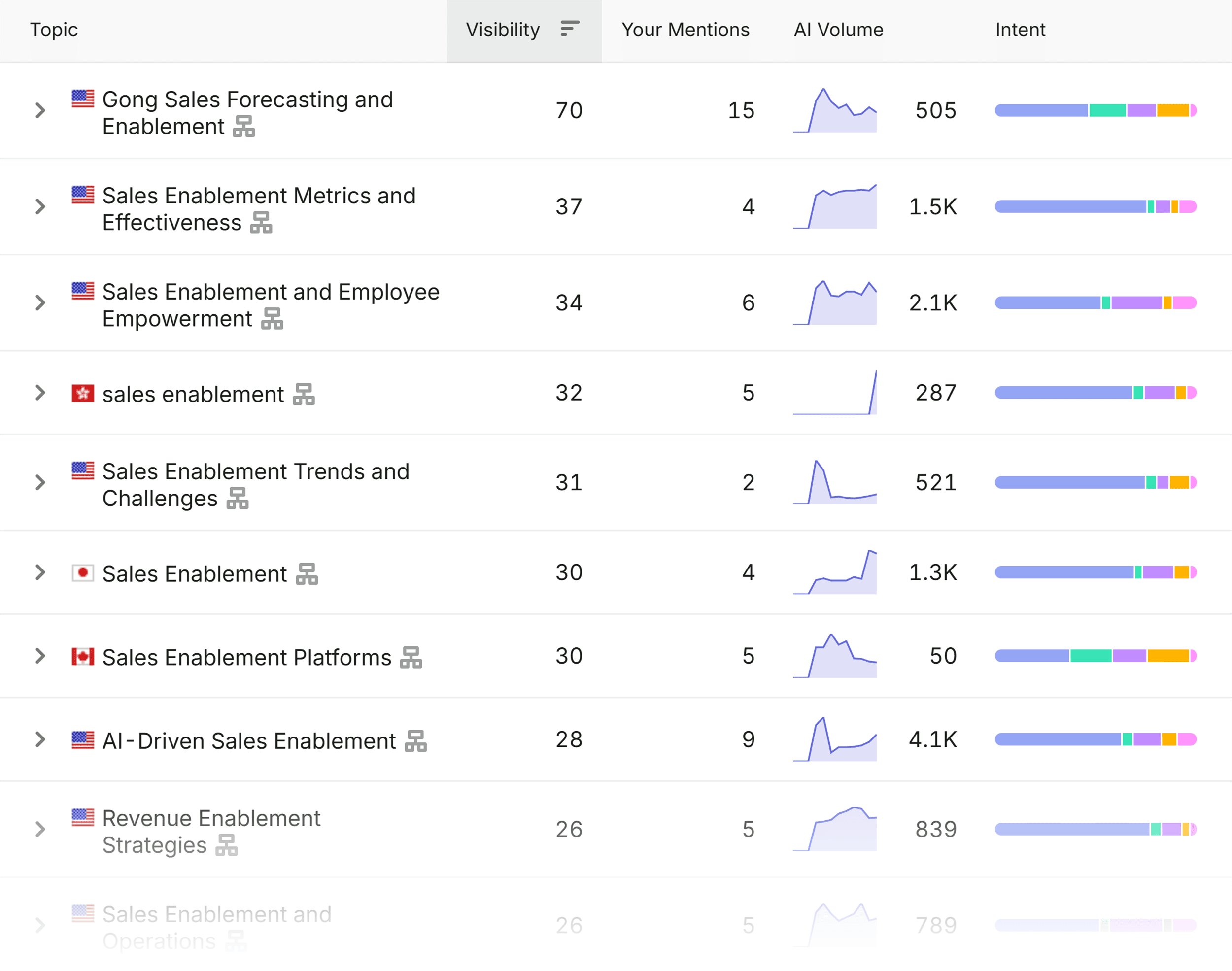
As artificial intelligence continues to reshape how information is discovered and consumed, prompt tracking has transformed from an experimental tactic into an essential component of digital strategy. By shifting focus from traditional keyword rankings to dynamic, conversational AI visibility, organizations can proactively manage their brand narrative, address informational gaps, and ensure they remain top-of-mind for modern buyers navigating the answer economy.