Google Rolls Out September Pixel Drop Featuring Enhanced Security, VIP Contact Tools, and Wearable Upgrades

Google has officially released its highly anticipated September Pixel Drop, delivering a comprehensive suite of software updates designed to improve functionality, security, and user experience across its ecosystem of Pixel smartphones, tablets, and smartwatches. As part of Google’s ongoing commitment to its "Feature Drop" cadence—which periodically infuses existing hardware with new capabilities typically reserved for upcoming flagship devices—this latest update targets some of the most requested quality-of-life improvements. Spanning global rollouts for devices dating back to the Pixel 6 generation, the update emphasizes streamlined communication, advanced scam detection, intuitive smartwatch navigation, and a surprising, nostalgia-driven entertainment partnership.
Overhauling the Pixel VIP Experience
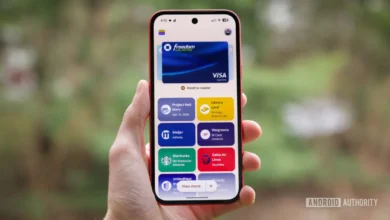
One of the standout software additions in the September Pixel Drop is the reimagined Pixel VIP contact concept. While Google has experimented with dedicated VIP contact management tools in previous software iterations, this update fundamentally transforms how users interact with their most important connections directly from the home screen.
The redesigned interface allows users to pin favorite contacts to the home screen with a streamlined, single-tap mechanism for placing calls or sending text messages. To reduce digital clutter while keeping vital information front and center, Google has introduced sophisticated notification badges. These dynamic badges instantly alert users to unread or urgent messages from their designated VIPs without requiring them to unlock the device or open individual messaging applications. Furthermore, a newly integrated floating navigation bar permits seamless swiping between multiple VIP profiles, eliminating the need to dig through buried menus or contact directories.
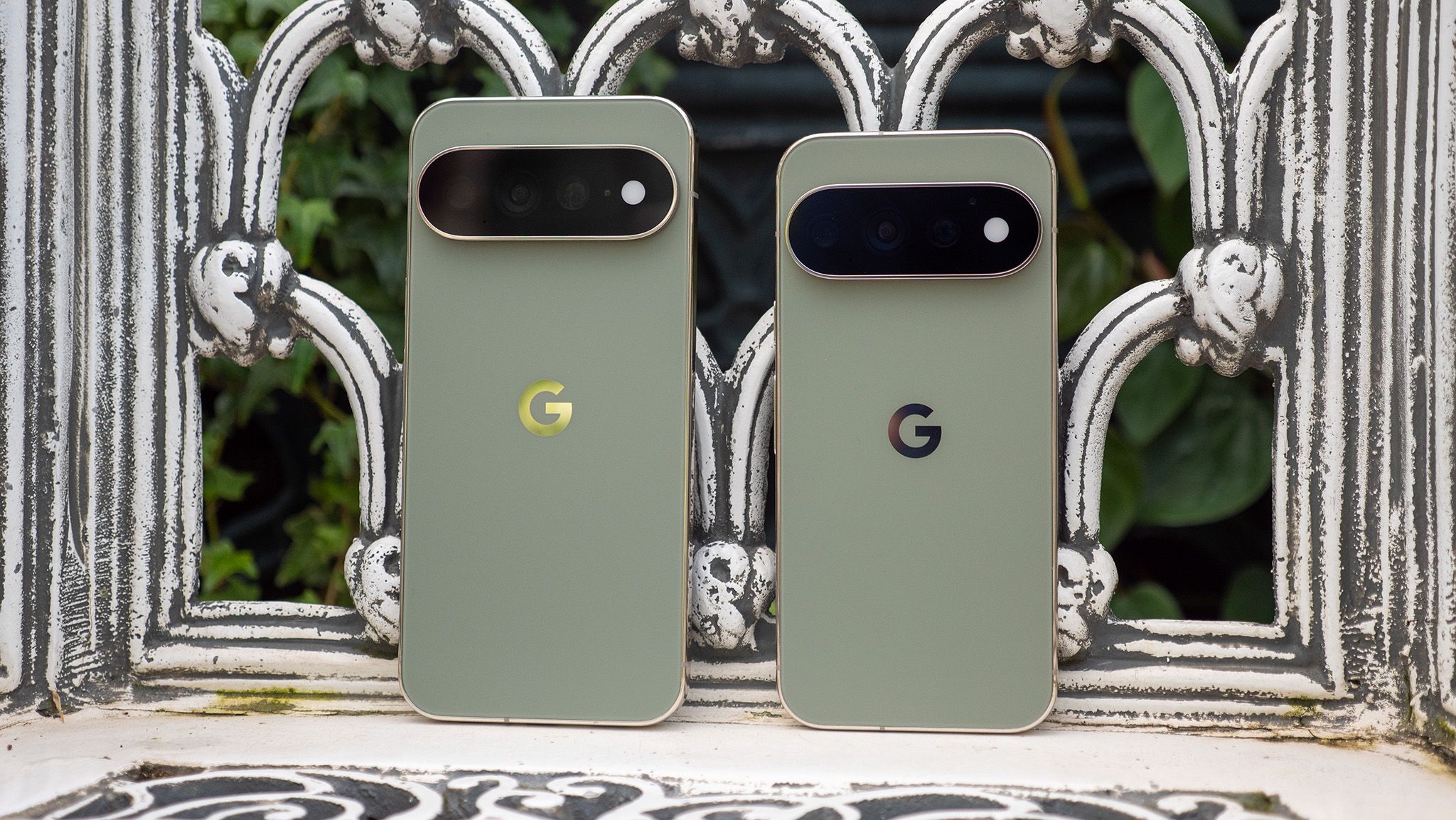
According to Google’s deployment schedule, the VIP contact home screen enhancement is rolling out globally to compatible devices, specifically supporting the Pixel 6 series and all subsequent generational flagships, provided users have updated to the latest versions of the system Contacts and Pixel VIPs applications.
Expanding Fraud Protections and Scam Detection
In an era characterized by an exponential rise in sophisticated digital fraud, smishing (SMS phishing), and voice scams, Google continues to fortify its mobile operating system with proactive security measures. The September Pixel Drop marks a significant expansion of Google’s advanced Scam Detection tools, which leverage on-device machine learning to identify and flag malicious communications in real time.
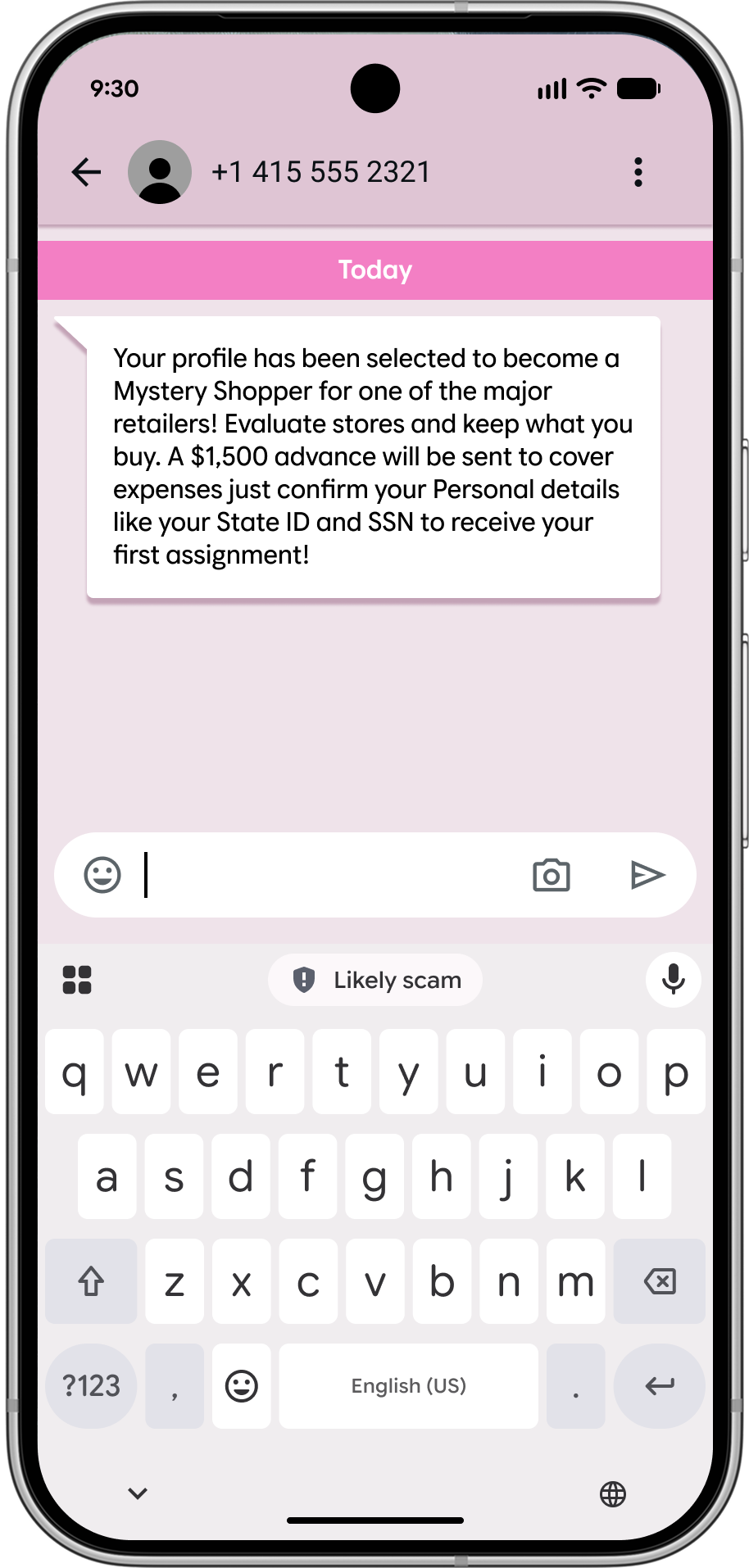
With this update, scam detection capabilities are extending to additional international regions and localized languages for chat notifications. Simultaneously, Gboard—Google’s ubiquitous virtual keyboard—has been updated to flag suspicious messages natively as the user types within supported messaging and chat applications. By analyzing linguistic patterns and known fraudulent indicators directly on the device, Gboard alerts users before they inadvertently engage with scammers or share sensitive personal information. Industry analysts note that while these security features are welcomed additions, their phased rollout means that immediate availability will depend heavily on geographic region and linguistic support, preventing a truly universal deployment on day one.
Wearable Innovations: Pixel Watch Gestures and Raise to Talk
Google’s ecosystem expansion relies heavily on seamless hardware interoperability, and the September Pixel Drop brings targeted upgrades to the Pixel Watch lineup.

Owners of the recently reviewed Pixel Watch 4 and newer models will benefit from noticeable enhancements to the "Raise to Talk" feature, which uses internal gyroscopes and machine learning to detect when the user is lifting their wrist to speak with Google Assistant. This refinement is designed to reduce false activations while speeding up response times for voice commands.
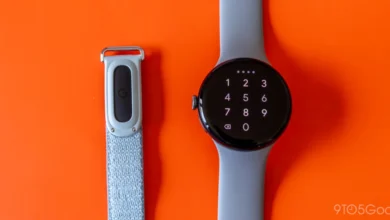
Meanwhile, users of the Pixel Watch 3 and later iterations receive a highly practical accessibility and navigation upgrade: the ability to launch and scroll through the notification tray using a simple, one-handed pinch gesture. By leveraging spatial sensors and accelerometer data, the watch registers the precise micro-movement of the user’s fingers, enabling effortless, hands-free interaction when the user’s opposite hand is occupied.
A Magical Partnership: The Harry Potter Audiobook and Customization Packs
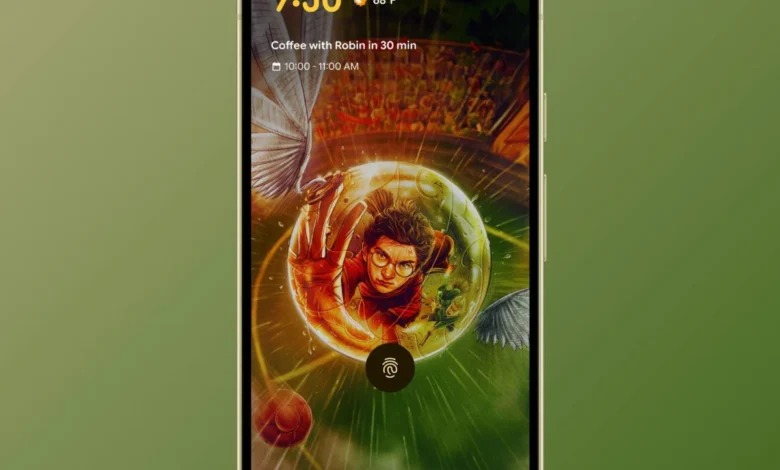
In a lighter, consumer-focused departure from enterprise-grade security and productivity tools, Google has teamed up with Warner Bros. Discovery and Audible to introduce specialized Harry Potter Audiobook Packs.
Available to eligible users through December 31, these themed packs transform the aesthetic and auditory profile of a Pixel device. Once activated, the bundles dynamically alter the smartphone’s system wallpaper, app icon designs, and notification sounds to reflect the iconic wizarding franchise. Additionally, qualifying customers will receive a complimentary two-month trial subscription to Audible, granting them immediate access to the beloved audiobook series narrated by Jim Dale or Stephen Fry. While purely cosmetic and promotional in nature, the partnership highlights Google’s increasing reliance on cross-brand lifestyle collaborations to differentiate its hardware ecosystem from competing Android manufacturers.
Background and Industry Context
Google’s Pixel Drop model has evolved significantly since its inception. Originally introduced to deliver iterative bug fixes and minor feature additions, the quarterly updates have transformed into major marketing events that directly challenge Apple’s software update strategy. By continuously refreshing older hardware—extending support down to the Pixel 6, which debuted several years ago—Google aims to bolster consumer brand loyalty and improve device longevity.
In the broader context of the smartphone market, where year-over-year hardware improvements have plateaued, software-driven feature drops have become a primary battleground for consumer retention. By bundling high-value software enhancements—ranging from vital anti-fraud infrastructure to lifestyle-oriented partnerships—Google is attempting to position the Pixel ecosystem not just as a collection of mobile devices, but as an evolving, intelligent personal assistant platform.
As the September Pixel Drop continues its phased global deployment over the coming weeks, millions of users worldwide will begin seeing these features manifest across their devices, reinforcing Google’s dual focus on digital security and personalized user convenience.