Apple promotes ‘Nido de Villanas,’ a Mexican microdrama shot on iPhone 17 Pro

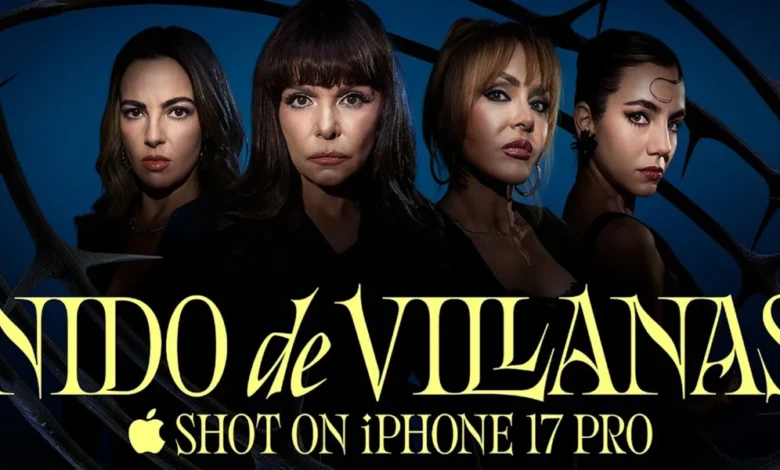
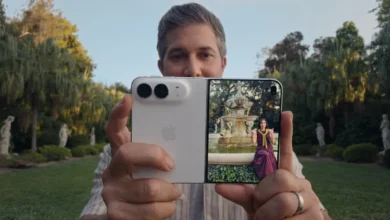
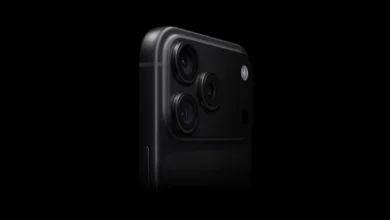
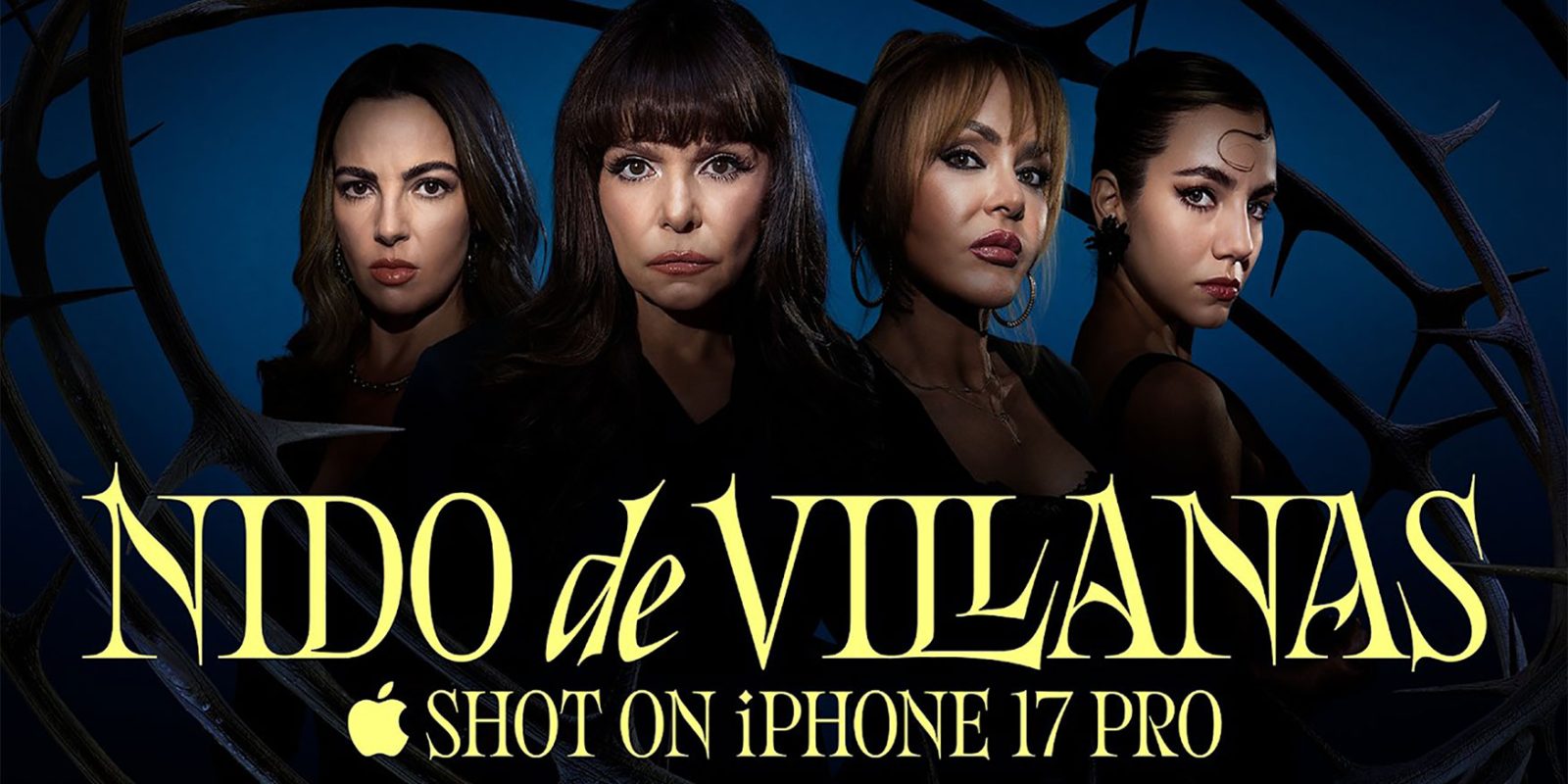
Apple Inc. has officially launched "Nido de Villanas," a groundbreaking Mexican microdrama presented as 14 distinct YouTube Shorts, marking a significant evolution in the company’s long-running "Shot on iPhone" campaign. This ambitious project, entirely captured using the cutting-edge iPhone 17 Pro, serves as both a compelling entertainment offering and a sophisticated demonstration of the smartphone’s advanced cinematic capabilities, pushing the boundaries of mobile-first content creation and consumption. The series, described as a playful parody of classic Mexican telenovelas, plunges viewers into a world of ambition, secrets, and betrayals, all while showcasing the unparalleled photographic and videographic features of Apple’s latest professional-grade smartphone.
The narrative core of "Nido de Villanas" revolves around a high-stakes familial struggle for the coveted Iturribiaga fortune. Pitched with the dramatic tagline, "Four women, one inheritance, no mercy," the microdrama promises a rollercoaster of over-the-top plot twists, heightened performances, and a rich, dramatic soundtrack characteristic of its genre inspiration. Each of the 14 episodes, concise at approximately two minutes in length, is meticulously crafted to not only advance the gripping storyline but also to prominently feature a specific technical capability of the iPhone 17 Pro. These demonstrations include the dynamic Action Mode for stable, on-the-move shots, the impressive 8x optical-quality zoom for detailed framing, sophisticated slow-motion sequences for dramatic emphasis, and precise focus adjustments that create cinematic depth of field, among other features.
The Evolution of the "Shot on iPhone" Campaign
The "Shot on iPhone" campaign, initiated by Apple in 2014, began as a simple yet effective marketing strategy to highlight the photographic prowess of its smartphones through user-submitted images. Over the years, it has transformed into a global phenomenon, evolving from showcasing amateur photography to featuring professional-grade videography and filmmaking. Early iterations of the campaign primarily focused on stunning still images captured by everyday users, fostering a sense of community and democratizing high-quality photography. The campaign quickly gained traction, appearing on billboards, in print advertisements, and across digital platforms worldwide, consistently reinforcing the message that exceptional imagery was attainable with just an iPhone.
As iPhone camera technology advanced with each successive generation, so too did the ambition of the "Shot on iPhone" initiative. By the late 2010s, Apple began commissioning renowned directors and artists to produce short films, music videos, and commercials using iPhones. Notable examples include films by figures like Steven Soderbergh ("High Flying Bird," partially shot on iPhone 8) and Lady Gaga’s "Stupid Love" music video (shot on iPhone 11 Pro). These projects served to validate the iPhone as a legitimate tool for professional content creation, challenging traditional notions that high-end production required bulky, expensive camera equipment. The campaign has consistently aimed to blur the lines between professional and consumer technology, empowering a new generation of creators and demonstrating the iPhone’s capability to deliver cinematic quality in a compact, accessible form factor. "Nido de Villanas" represents the pinnacle of this evolution, presenting a serialized drama specifically designed for modern digital consumption habits.

"Nido de Villanas": A Cultural and Technical Showcase
The choice of a Mexican telenovela parody is particularly insightful, tapping into a genre with immense cultural resonance and global appeal. Telenovelas, known for their dramatic narratives, intricate character relationships, and often exaggerated emotional displays, have captivated audiences worldwide for decades. Mexican telenovelas, in particular, hold a prominent place in this tradition, influencing storytelling across Latin America and beyond. By adopting a "tongue-in-cheek" approach, "Nido de Villanas" not only pays homage to this beloved format but also introduces an element of contemporary satire, making it accessible and engaging for a diverse, digitally native audience. The "microdrama" format, comprising 14 short episodes, is perfectly tailored for platforms like YouTube Shorts, aligning with the growing preference for bite-sized, on-demand content that can be consumed quickly and conveniently on mobile devices. This strategic choice underscores Apple’s understanding of current digital media consumption trends, where short-form video has become a dominant force, particularly among younger demographics.
The series leverages the iPhone 17 Pro’s advanced features to enhance its dramatic storytelling. The Action Mode, for instance, allows for fluid, stabilized shots even during intense chase scenes or rapid character movements, essential for maintaining the high-energy feel of a telenovela. The 8x optical-quality zoom offers directors the flexibility to capture intimate close-ups or distant establishing shots without compromising image fidelity, a crucial advantage when shooting on a compact device. Slow motion is employed to heighten emotional impact during pivotal moments, a classic cinematic technique now seamlessly integrated into mobile filmmaking. Furthermore, the precise focus adjustments enable creators to guide the viewer’s eye, isolating characters or objects to emphasize specific narrative points, mimicking the sophisticated depth of field capabilities typically associated with professional cinema cameras. While specific details of the iPhone 17 Pro’s internal hardware beyond these highlighted features remain proprietary, it can be logically inferred that the device incorporates significant advancements in sensor technology, computational photography algorithms, and possibly enhanced low-light performance and dynamic range, building upon Apple’s consistent trajectory of innovation in its Pro models. Previous iPhone Pro models have introduced features like ProRes video recording for professional post-production workflows, Cinematic Mode for automatic rack focus, and advanced sensor-shift optical image stabilization, all of which likely see further refinement and enhancement in the 17 Pro, contributing to the professional quality seen in "Nido de Villanas."
Chronology of Mobile Filmmaking and Apple’s Role
The journey towards projects like "Nido de Villanas" has been a gradual but steady progression. The first iPhone, released in 2007, featured a modest 2-megapixel camera with no video recording capabilities. However, by the iPhone 3GS in 2009, video recording was introduced, albeit in standard definition. The real turning point for mobile videography began with the iPhone 4 in 2010, which brought HD video recording, and subsequent models consistently improved resolution, frame rates, and low-light performance.
- 2014: Launch of the "Shot on iPhone" campaign, initially focusing on photography.
- Mid-2010s: iPhone cameras begin featuring advanced capabilities like slo-mo and time-lapse, paving the way for more dynamic video content.
- Late 2010s: Apple starts collaborating with professional filmmakers for "Shot on iPhone" short films and commercials, demonstrating the iPhone’s viability for professional productions. The introduction of features like 4K video recording, extended dynamic range, and improved optical image stabilization significantly elevated the cinematic potential.
- Early 2020s (leading up to iPhone 17 Pro era): Further advancements include Cinematic Mode, ProRes video recording, LiDAR scanner for enhanced autofocus and low-light performance, and significant improvements in computational photography, transforming the iPhone into a truly powerful filmmaking tool. The "Pro" line solidifies its position as a device for serious creators.
- Present (as per article’s context): The iPhone 17 Pro represents the culmination of these innovations, enabling complex productions like "Nido de Villanas" to be shot entirely on a handheld device. The decision to release "Nido de Villanas" as YouTube Shorts reflects a strategic adaptation to contemporary digital consumption habits, leveraging the platform’s massive reach and the popularity of short-form video.
Inferred Statements and Industry Reactions
While Apple has not released specific statements regarding "Nido de Villanas" beyond its promotional materials, the implications of such a project are clear. An inferred statement from an Apple spokesperson might emphasize the company’s commitment to empowering creative professionals and democratizing filmmaking. "With ‘Nido de Villanas,’ we continue to demonstrate that the most powerful camera is the one you always have with you," a hypothetical Apple representative might state. "The iPhone 17 Pro’s advanced features, combined with the ingenuity of filmmakers, are truly blurring the lines between consumer and professional tools, making cinematic storytelling accessible to everyone. This project not only entertains but also inspires, showing what’s possible when cutting-edge technology meets unbridled creativity, particularly within a culturally rich and globally resonant genre like the telenovela."
Filmmakers and directors involved in similar "Shot on iPhone" projects often speak to the unique creative freedom and portability afforded by the device. A hypothetical director of "Nido de Villanas" might comment, "Shooting ‘Nido de Villanas’ on the iPhone 17 Pro was an incredibly liberating experience. The ability to move quickly, capture shots from unique angles, and achieve professional-grade results without a bulky rig opened up new creative avenues. Features like the Action Mode and 8x optical zoom were game-changers for maintaining the dynamic visual language we envisioned for this parody. It truly challenged us to rethink traditional production methodologies and proved that compelling narratives can be delivered with remarkable quality, all from the palm of your hand."
Industry analysts are likely to view "Nido de Villanas" as a savvy marketing and product demonstration strategy. "Apple’s continued investment in high-profile ‘Shot on iPhone’ campaigns, especially with serialized content like ‘Nido de Villanas,’ serves multiple strategic purposes," notes a hypothetical tech industry analyst. "Firstly, it validates the premium pricing of their Pro models by showcasing tangible, professional-grade results. Secondly, it positions Apple as a leader in mobile technology, not just for communication, but as a legitimate tool for creative professionals across various industries, from filmmaking to social media content creation. Lastly, by targeting a genre like the telenovela and distributing on YouTube Shorts, Apple is effectively tapping into massive global audiences and aligning with the current paradigm of digital content consumption, reinforcing its ecosystem’s versatility."
Broader Impact and Implications
The release of "Nido de Villanas" carries several significant implications for the technology, entertainment, and creative industries.
-
Democratization of Filmmaking: By consistently demonstrating the professional capabilities of its iPhones, Apple continues to lower the barrier to entry for aspiring filmmakers. The ability to produce high-quality, broadcast-ready content with a device that fits in one’s pocket democratizes the filmmaking process, empowering a new generation of creators who may not have access to traditional, expensive equipment. This fosters innovation and diversity in storytelling.

-
Validation of Mobile-First Content: The choice to release "Nido de Villanas" as 14 YouTube Shorts underscores the growing legitimacy and importance of short-form, mobile-first content. This format is no longer just for user-generated content but is now a viable platform for professionally produced, narrative-driven series. This shift could inspire more studios and creators to experiment with similar formats, leading to new models of content creation and distribution.
-
Competitive Advantage for Apple: The "Shot on iPhone" campaign, bolstered by projects like "Nido de Villanas," provides Apple with a unique competitive edge in the highly saturated smartphone market. It differentiates the iPhone not merely as a communication device but as a powerful creative tool, appealing to a segment of users who prioritize advanced camera capabilities and creative expression. This narrative strengthens the brand’s premium positioning and justifies its innovation in camera technology.
-
Influence on Production Workflows: The success of iPhone-shot productions could influence traditional filmmaking workflows. While iPhones are unlikely to fully replace high-end cinema cameras for all productions, their portability, efficiency, and cost-effectiveness make them ideal for certain types of shots, independent films, documentary work, and now, serialized micro-dramas. This could lead to hybrid production models where iPhones are integrated alongside traditional equipment.
-
Future of Episodic Storytelling: "Nido de Villanas" could serve as a blueprint for the future of episodic storytelling in the digital age. The microdrama format, perfectly suited for modern attention spans and consumption habits, demonstrates that compelling narratives can be delivered effectively in short, digestible segments. This could pave the way for more experimental and innovative narrative structures designed specifically for mobile and short-form platforms.
In conclusion, "Nido de Villanas" is more than just a promotional piece for the iPhone 17 Pro; it is a cultural artifact that signifies the ongoing evolution of mobile technology, digital entertainment, and creative expression. By blending the dramatic allure of Mexican telenovelas with the cutting-edge capabilities of its latest smartphone, Apple not only delivers an engaging viewing experience but also reinforces its commitment to empowering creators and pushing the boundaries of what’s possible with a device in hand. This project solidifies the iPhone’s role as a versatile and potent tool for storytelling, further blurring the lines between professional and personal content creation and setting a new benchmark for mobile filmmaking in the digital era.