Google Wallet’s Evolution into an Indispensable Digital Hub Redefines Everyday Convenience

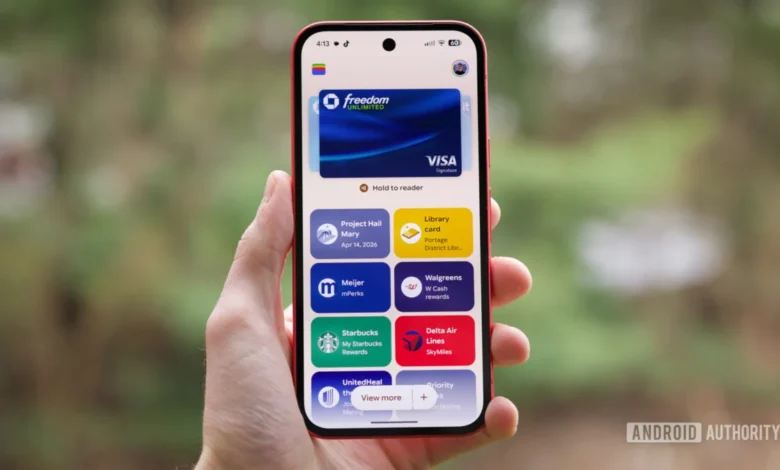
Google Wallet has transcended its initial role as a mere payment application, evolving into a multifaceted digital hub that centralizes an array of essential daily functionalities for Android users. What began as a convenient tool for contactless payments has systematically expanded its utility, now encompassing event tickets, loyalty programs, insurance cards, and transit passes, positioning itself as a cornerstone of the modern mobile experience. This strategic expansion underscores a broader industry trend towards consolidating digital identity and transactional tools into a single, secure platform, making physical wallets increasingly redundant for a growing segment of the population.
The Journey to Digital Ubiquity: Google Wallet’s Strategic Resurgence
Google’s foray into digital wallet solutions has been marked by several iterations, reflecting a dynamic adaptation to market demands and technological advancements. The original Google Wallet was launched in 2011, primarily focusing on NFC-based mobile payments. However, its initial adoption was slow, hampered by limited merchant support and bank partnerships. In 2015, Google introduced Android Pay, a more streamlined payment solution, and subsequently merged it with the existing Google Wallet in 2018 to create Google Pay. This unified platform aimed to simplify digital transactions, encompassing not only in-store payments but also online purchases, peer-to-peer money transfers, and the storage of loyalty cards.
The most recent significant shift occurred in 2022, when Google announced the re-introduction of Google Wallet, effectively bifurcating the functionalities once again. Google Pay continued to handle peer-to-peer payments and online transactions in certain markets, while Google Wallet was reinstated as the primary app for storing digital cards, passes, and tap-to-pay functionalities. This re-branding and strategic refocus highlighted Google’s intent to create a dedicated digital wallet that serves as a comprehensive repository for all personal credentials, moving beyond just financial transactions. The objective was clear: to build an ecosystem where a user’s entire physical wallet could be digitized and managed from their smartphone, offering unparalleled convenience and security. This iterative approach demonstrates Google’s long-term commitment to owning a significant share of the digital identity and transaction space, learning from past challenges to refine its offerings.
Beyond Payments: A Multifaceted Digital Ecosystem
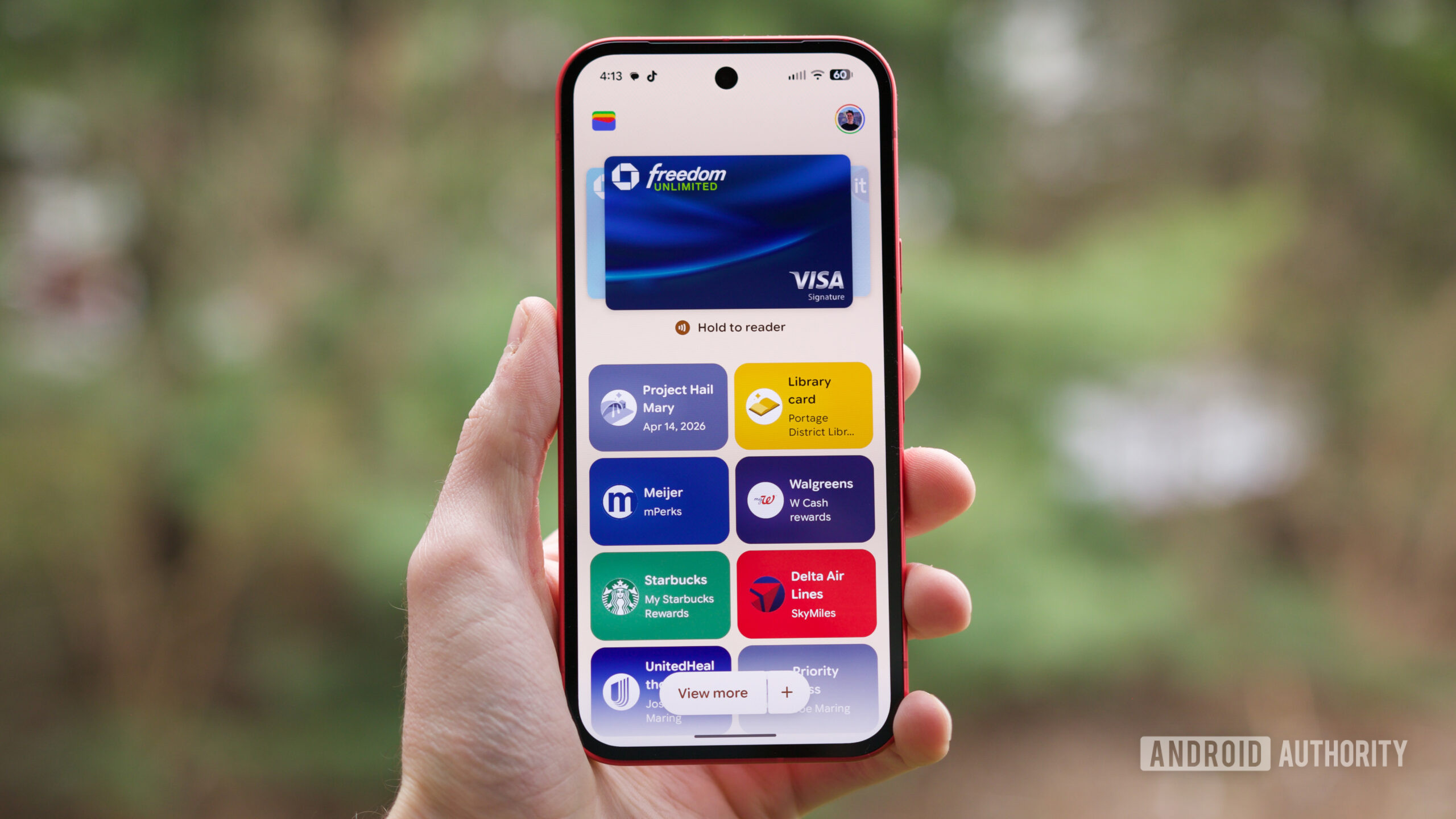
The modern Google Wallet’s success lies in its ability to seamlessly integrate diverse digital assets, making it an indispensable tool for daily life. This expansion caters to a growing user base that seeks efficiency and centralization in managing their digital footprint.
Secure and Seamless Transactions: The Core of Convenience
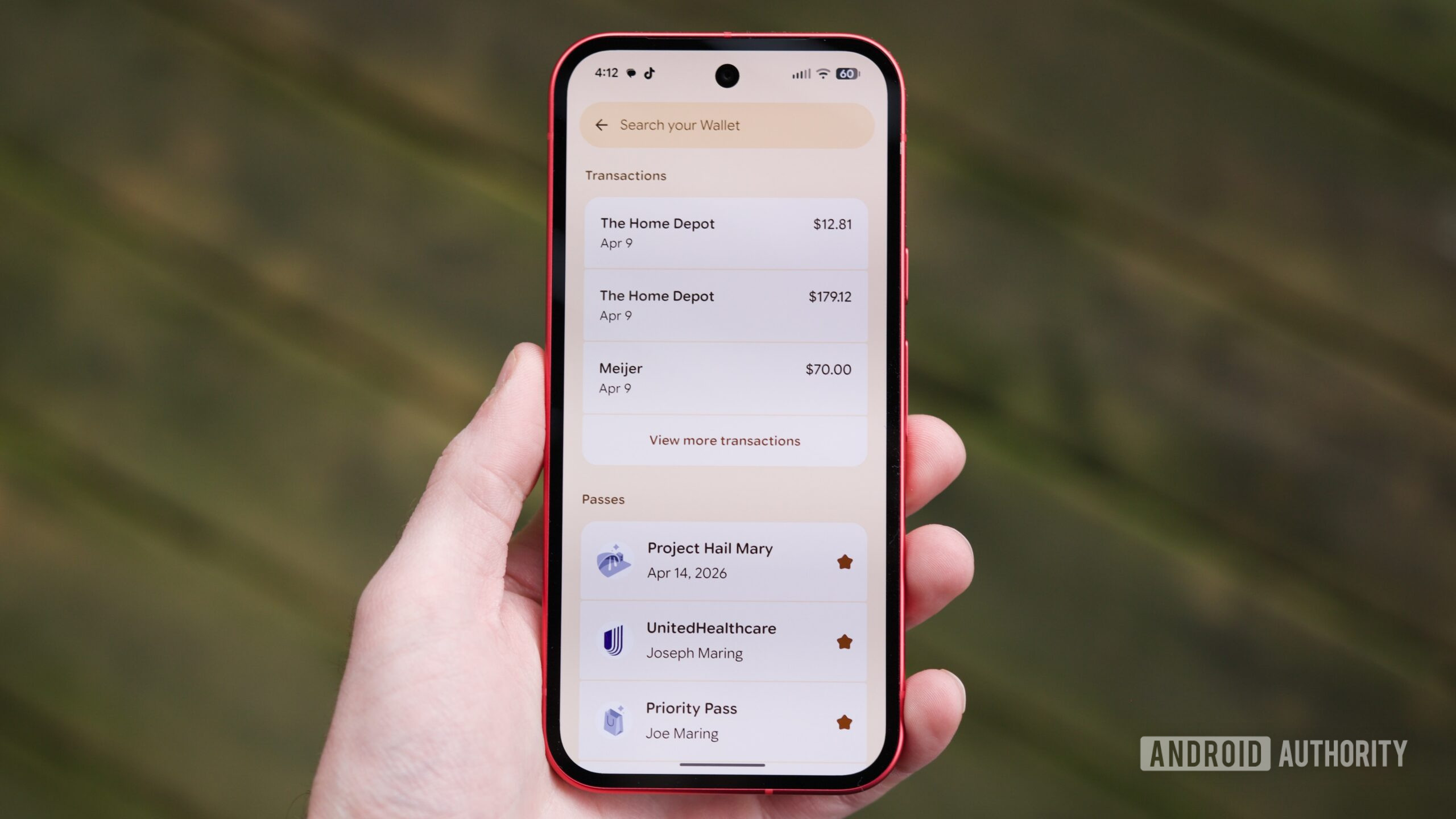
At its foundation, Google Wallet continues to excel in its payment capabilities. The ease of tap-to-pay via NFC technology has become a standard expectation in many urban environments globally. Users can link multiple debit and credit cards, including specialized ones like American Express or Wise cards, and even employer-provided meal cards. This multi-card support, coupled with the ability for cards to be shared across devices (e.g., between spouses), eliminates the logistical friction often associated with managing physical cards. Data from Statista indicates that the global mobile payment market is projected to reach over $7 trillion by 2028, with contactless payments forming a substantial portion. Google Wallet’s role in this growth is significant, offering a secure alternative to physical cards through tokenization, where actual card numbers are replaced with encrypted tokens during transactions, enhancing security against fraud. The app’s transaction history feature also provides immediate financial oversight, allowing users to track expenditures without needing to access potentially slower or more secure banking applications. This granular control and transparency over spending have been critical in winning user trust.
Revolutionizing Event and Travel Ticketing
One of Google Wallet’s increasingly powerful, yet perhaps underappreciated, features is its robust capability for managing event and travel tickets. The application allows users to scan and save QR code-based tickets from virtually any source, even if the vendor doesn’t offer direct integration. This "Add to wallet > Everything else" option leverages advanced parsing algorithms to extract critical information such as date, time, location, seat numbers, and preferred entry points. This functionality transforms a collection of disparate PDFs and emails into a neatly organized, accessible digital collection.
The benefits of this centralized ticketing system are numerous. Users gain a single point of access for all their event passes, reducing the risk of misplacing physical tickets or sifting through email archives. For travelers, Google Wallet intelligently integrates with flight and train tickets, providing real-time updates on boarding times, gate changes, trip progress, and even baggage claim information. This proactive notification system, often pushing relevant details directly to the user’s notification area, minimizes stress and enhances the travel experience. For instance, knowing the exact baggage carousel number before reaching the luggage zone exemplifies the practical utility. The global digital ticketing market, valued at approximately $28.5 billion in 2022, is projected to grow substantially, driven by the convenience and efficiency offered by platforms like Google Wallet. The platform’s ability to offer a "View on Map" option for locations directly from a ticket pass further enhances the user experience, especially when navigating unfamiliar cities for events.
Streamlining Loyalty Programs and Digital Identity
Beyond payments and tickets, Google Wallet has become a de facto digital repository for loyalty cards and other personal identification. Users can store membership cards for supermarkets, retail stores, and various service providers, ensuring that loyalty points and discounts are never missed. The convenience of quickly scanning a digital loyalty card at self-checkout terminals significantly streamlines the shopping experience, removing the need to carry a cumbersome collection of plastic cards.
Furthermore, Google Wallet is at the forefront of the digital identity movement. While still in nascent stages in many regions, the app is being developed to support digital driver’s licenses and state IDs in select U.S. states and potentially other countries. This integration promises a future where a smartphone can serve as a primary form of identification, simplifying age verification, travel, and various other interactions requiring proof of identity. The ability to store insurance cards, as mentioned in the original account, further solidifies its role as a comprehensive personal information manager, ready for quick access during medical appointments or emergencies. This move towards digital identity is a critical step in the broader digital transformation, offering enhanced security features like biometric authentication and encryption that often surpass the security of physical cards.
The Future of Urban Mobility: Transit Integration
Public transportation is another key area where Google Wallet is making significant inroads. While adoption varies by city and region, the capability to use a smartphone for transit payments offers immense convenience. Cities like London, Bologna, and Florence have successfully integrated Google Wallet into their public transport systems, allowing users to simply tap their phone at turnstiles or on buses to pay for rides. This eliminates the need to navigate ticket machines, queue up, or understand complex local ticketing systems, which can be a significant barrier for tourists and new residents alike.
Many transit authorities are also implementing "fare capping" systems, where daily or weekly charges are automatically capped at the price of a day or week pass, regardless of how many individual taps a user makes. Google Wallet seamlessly supports these systems, ensuring users always get the best possible fare without pre-purchasing specific passes. The impending integration with Paris’s extensive metro system, one of the world’s busiest, represents a major milestone, promising to further cement Google Wallet’s role in urban mobility and smart city initiatives. This convenience is not merely about payment; it’s about reducing friction in daily commutes and travel, making public transport more accessible and user-friendly.
Market Landscape and Competitive Analysis
In the competitive landscape of digital wallets, Google Wallet operates alongside major players like Apple Pay and Samsung Pay. While all three offer core contactless payment functionalities, Google Wallet distinguishes itself through its platform agnosticism (within the Android ecosystem) and its aggressive expansion into non-payment digital passes. Apple Pay, deeply integrated into the iOS ecosystem, enjoys strong adoption among iPhone users, particularly in the U.S. and Europe. Samsung Pay, leveraging its MST (Magnetic Secure Transmission) technology in older devices, offered broader merchant compatibility initially but has also shifted focus to NFC.
Google Wallet’s primary advantage lies in its pervasive presence across the vast Android device landscape. Its open approach to integrating various passes, from self-scanned QR codes to official loyalty and transit cards, gives it a broad appeal. While Apple Wallet also supports tickets, loyalty cards, and digital IDs, Google Wallet’s "Everything else" feature for custom passes offers a more flexible solution for a wider range of non-standard digital credentials. This strategic differentiation positions Google Wallet as a truly comprehensive digital wallet, rather than just a payment solution, aiming for a broader utility that captures more aspects of a user’s daily life. The global mobile payment transaction value is projected to grow at a Compound Annual Growth Rate (CAGR) of 23.3% from 2023 to 2030, indicating a robust market where comprehensive solutions like Google Wallet are well-positioned for continued expansion.
User Adoption and Merchant Integration: Challenges and Opportunities
Despite its growing capabilities, Google Wallet’s widespread adoption still faces certain challenges. Bank support for digital wallets, while expanding, is not universal, especially in emerging markets or with smaller financial institutions. The necessity of NFC-enabled payment terminals at merchants is another factor, though NFC penetration has significantly increased globally. Building user trust, particularly concerning the security of sensitive personal and financial data, remains paramount. Google addresses this through robust security protocols, including tokenization, encryption, and biometric authentication (fingerprint, face unlock).
From a merchant perspective, integrating digital wallet support offers numerous benefits, including faster transaction times, reduced handling of cash, and improved customer experience. However, the initial investment in upgrading point-of-sale (POS) systems can be a hurdle for some smaller businesses. Opportunities lie in continued education for both consumers and merchants about the benefits and security of digital wallets, as well as regulatory support for digital identity initiatives. The convenience offered by Wallet’s holistic approach is a strong driver for adoption, as users increasingly value efficiency and simplicity in their digital interactions.

Security and Privacy Considerations
Security and privacy are foundational pillars for any digital wallet. Google Wallet employs multiple layers of security to protect user data. When a credit or debit card is added, it is tokenized, meaning a unique, encrypted digital account number is created and used for transactions instead of the actual card number. This token is useless if intercepted, as it cannot be traced back to the original card details. Furthermore, transactions require user authentication, typically via a PIN, pattern, or biometric scan (fingerprint or face unlock), ensuring that only the device owner can initiate payments.
Google also emphasizes its commitment to privacy, stating that payment information is not shared with third parties for marketing purposes. While aggregated, anonymized data might be used for improving services, individual transaction details are protected. For non-payment passes like tickets or loyalty cards, the data stored is typically what is required for the specific service, and access is restricted to the user. As digital identity features like driver’s licenses become more prevalent, the security architecture will need to meet even higher standards, often involving government-grade encryption and secure element technology within the smartphone itself.
Implications for the Digital Economy and Future Trends
Google Wallet’s evolution signifies a profound shift in how individuals interact with the physical and digital world. Its comprehensive nature reduces dependency on physical cards and documents, promoting a more streamlined, digital-first lifestyle. This has significant implications for various sectors:
- Retail: Faster checkouts, personalized loyalty programs, and reduced cash handling.
- Travel and Hospitality: Seamless boarding, digital room keys, and personalized guest experiences.
- Public Services: Digital identification, easier access to government services, and enhanced urban mobility.
- Healthcare: Potential for digital health insurance cards, appointment reminders, and even secure access to health records (with appropriate regulatory frameworks).
Looking ahead, the integration of artificial intelligence could further enhance Google Wallet’s capabilities, offering predictive suggestions for loyalty programs, context-aware ticket reminders, or even dynamic transit routing based on real-time traffic. The vision of a truly smart wallet extends to incorporating digital keys for homes and vehicles, further embedding the smartphone as the central command for daily life. As regulations around digital identity mature and interoperability standards improve, Google Wallet is poised to play an even more critical role in the global transition towards a secure, convenient, and entirely digital personal ecosystem.
In conclusion, Google Wallet has demonstrably transformed from a simple payment app into an essential digital utility. Its strategic expansion into managing tickets, loyalty cards, and transit passes, underpinned by robust security and a commitment to user convenience, makes it a foundational component of the modern Android experience. As Google continues to refine and expand its capabilities, Wallet is set to further solidify its position as an indispensable tool, driving the ongoing shift towards a more integrated and digital future.