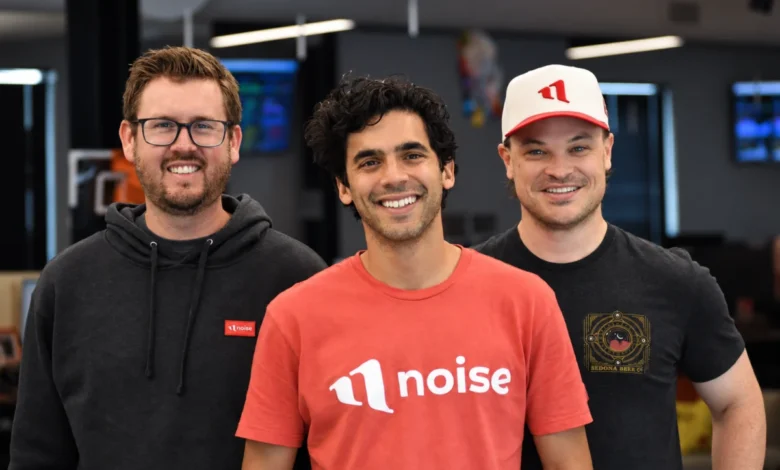
The modern digital marketing landscape is undergoing a fundamental transformation, shifting away from expensive celebrity endorsements and mega-influencers toward decentralized, performance-based user-generated content. Capitalizing on this paradigm shift, marketing platform Noise announced on Wednesday that it has secured $5.5 million in a seed funding round. The investment was led by Capital Midwest, M25, and Grishin Robotics, with additional participation from Capitalize VC and prominent tech operators, including veterans from DoorDash.
This latest financial infusion brings Noise’s total capital raised to $7.2 million since its inception. The newly acquired funds are earmarked for expanding the platform’s product capabilities, enhancing its technological infrastructure, and accelerating strategic hiring initiatives. As brands increasingly look for cost-effective ways to cut through digital noise and capture consumer attention across social media channels, platforms that automate and democratize creator marketing are emerging as critical infrastructure in the digital economy.
The Mechanics of Accessible Influencer Marketing
Founded in 2025 by Diego Kafie, Stu Feldt, and Nic Weber, Noise operates on a model designed to bypass the traditional operational hurdles of influencer marketing. Rather than requiring brands to negotiate individual contracts with high-priced, established social media personalities, Noise connects companies directly with everyday smartphone users.
Any individual can download the Noise application, regardless of their current follower count. Once onboarded, users gain access to a dashboard of campaign briefs provided by participating brands. Creators can select campaigns that align with their interests, produce content tailored for platforms such as TikTok, Instagram, Facebook, and YouTube, and submit their work through the application.
Unlike conventional influencer campaigns that rely on flat-fee sponsorships or costly retainer models, Noise utilizes a performance-driven compensation structure. Creators are paid based on the viewership their content generates. For brands, the platform eliminates the logistical friction of talent sourcing, individual relationship management, and fragmented payment processing. Companies can outline their content requirements and budgets, and Noise automates the deployment of marketing campaigns across thousands of creators simultaneously.
From Mobile Gaming Roots to a Creator Ecosystem
The genesis of Noise traces back to the founders’ previous entrepreneurial venture, a mobile gaming application called Playbite, which they spent two years developing. During the scaling phase of Playbite, Kafie, Feldt, and Weber experimented with various customer acquisition strategies before stumbling upon a highly effective, grassroots marketing model.
Faced with limited capital, the founders began recruiting regular gamers and teaching them how to produce engaging social media content that promoted the application. What started as an experimental group of five participants quickly expanded to ten, twenty-five, one hundred, and eventually thousands of community members. This decentralized army of micro-advocates flooded platforms like TikTok with daily videos highlighting mobile games and the Playbite app.
The strategy yielded explosive user acquisition growth at a fraction of the cost associated with traditional digital ad spend or high-tier influencer partnerships. Recognizing that established creators with millions of followers commanded rates that were financially prohibitive for early-stage companies, the founders realized they had uncovered a scalable blueprint. They pivoted this internal growth engine into an independent enterprise, officially launching Noise in 2025.
Tapping Into a Massive Societal Shift Toward Content Creation
Noise enters the market at a time when digital content creation has evolved from a niche hobby into a dominant career aspiration for younger generations. Recent industry studies underscore this cultural transformation, revealing that more than 57% of Generation Z and over 40% of U.S. adults overall express a desire to pursue content creation professionally.
However, breaking into the influencer economy independently has become increasingly challenging. High market saturation, algorithmic volatility, and the significant financial and time investments required to build an audience present formidable barriers to entry for aspiring creators. Noise aims to lower these barriers through structured education and accessible opportunity.
Upon joining the platform, new users are required to complete Noise creator training modules designed to teach the fundamentals of digital content production for commercial brands. Initially, these novice creators are granted access to a curated selection of entry-level campaigns. As they complete assignments, refine their skills, and demonstrate consistency, they unlock higher-paying opportunities. According to CEO Diego Kafie, the platform’s top-performing creators now earn upwards of six figures annually, while Noise monetizes the ecosystem by taking a percentage fee from the budgets brands allocate for delivered views.
Broadening Horizons with the Organic-to-Ads Initiative
Alongside its recent funding announcement, Noise has introduced its new "Organic-to-Ads" program. This feature bridges the gap between organic social media content and paid digital advertising by allowing brands to take high-performing videos generated by Noise creators and deploy them as paid advertisements across platforms like Meta and TikTok.
While creators continue to publish content organically on their personal channels, the integration of paid media spend amplifies the reach of successful creatives. This dual-pronged approach gives brands enhanced flexibility, allowing them to test organic content efficacy before committing significant capital to paid amplification.
Currently, Noise’s customer base primarily consists of mobile application developers and startups operating on lean marketing budgets. These companies are typically tasked with reaching diverse consumer segments efficiently. Kafie notes that these organizations are ideal users for the platform, as they require broad market penetration without the prohibitive overhead of traditional advertising playbooks.
Economic Implications and the Democratization of the Internet Economy
The rise of platforms like Noise—alongside competitors such as Billo and JoinBrands—highlights a broader structural evolution in digital advertising. By substituting costly celebrity endorsements with authentic, peer-to-peer recommendations from everyday consumers, brands are achieving greater content diversity and consumer trust.
Critics of automated creator platforms sometimes raise concerns regarding fair compensation, questioning whether aggregated models underpay independent talent compared to direct brand deals. Addressing these concerns, Kafie emphasizes that the platform operates on a voluntary participation model. Brands set their proposed rates, and creators retain the autonomy to accept or decline campaigns based on their valuation of the work. Furthermore, because Noise specializes in cultivating new talent rather than poaching established influencers, it acts as an entry point for individuals who might otherwise struggle to monetize their digital presence.
With 1.5 million creators currently registered on the platform, Noise’s leadership team has set its sights on expanding its technological capabilities and scaling operations to accommodate enterprises of all sizes. By democratizing the mechanics of content creation and transforming ordinary smartphone users into brand advocates, the startup is carving out a distinct niche at the intersection of the creator economy and performance marketing. As the digital advertising landscape continues to demand authenticity and cost efficiency, platforms that successfully bridge the gap between brands and everyday creators are well-positioned to shape the future of consumer engagement.