Meta Ray-Ban Display Smart Glasses One Year Later: A Milestone in Augmented Reality Hardware Stifled by an Evolving Ecosystem

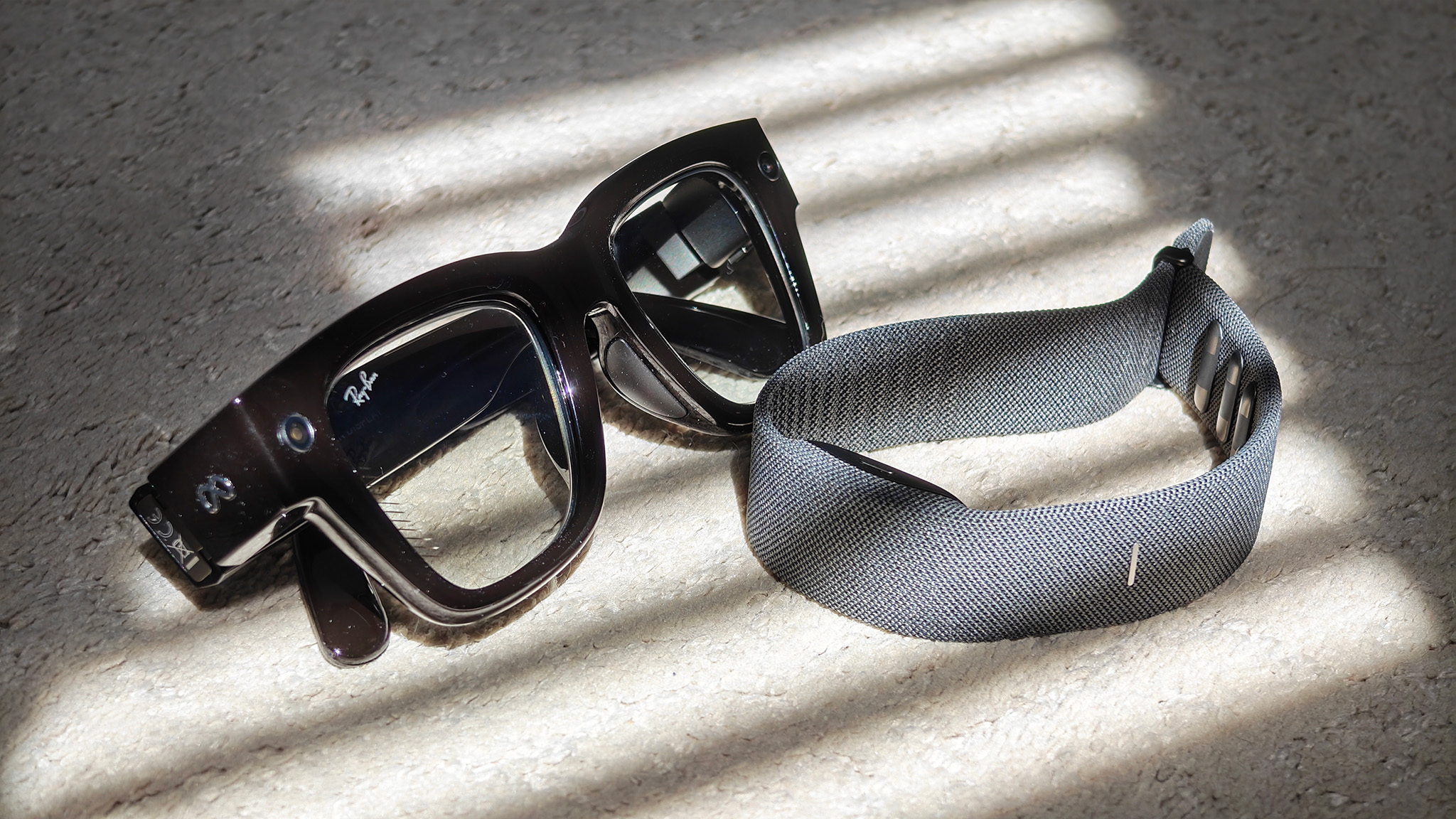
One year after their high-profile debut at Meta Connect, the Meta Ray-Ban Display smart glasses continue to represent a watershed moment for the wearable technology industry, bridging the gap between conventional eyewear and functional augmented reality (AR). Retailing at $799, these frames manage to blend the classic, thick-framed aesthetic of standard Ray-Ban sunglasses with a single full-color waveguide display embedded discretely within the right lens. Despite boasting sophisticated optics engineered by Lumus and a revolutionary input method via the accompanying Neural gesture band, the device faces ongoing hurdles regarding third-party developer adoption and software utility. While tech enthusiasts praise the hardware’s impressive leap forward, market analysts note that the current ecosystem limitations and premium price point keep it categorized as an elite early-adopter product rather than a mainstream necessity.

The Chronology of Meta’s AR Journey
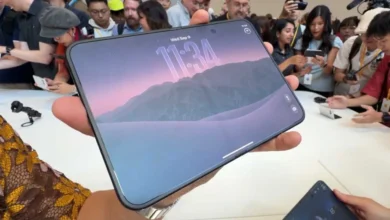
The path to the Ray-Ban Display glasses spans several years of intensive research and development within Meta’s Reality Labs division. The foundational concepts were publicly previewed two years prior when industry insiders received hands-on demonstrations of Meta’s ambitious Orion prototype. While Orion showcased a complete, untethered AR vision, it was clear that consumer-ready manufacturing constraints required pragmatic compromises.
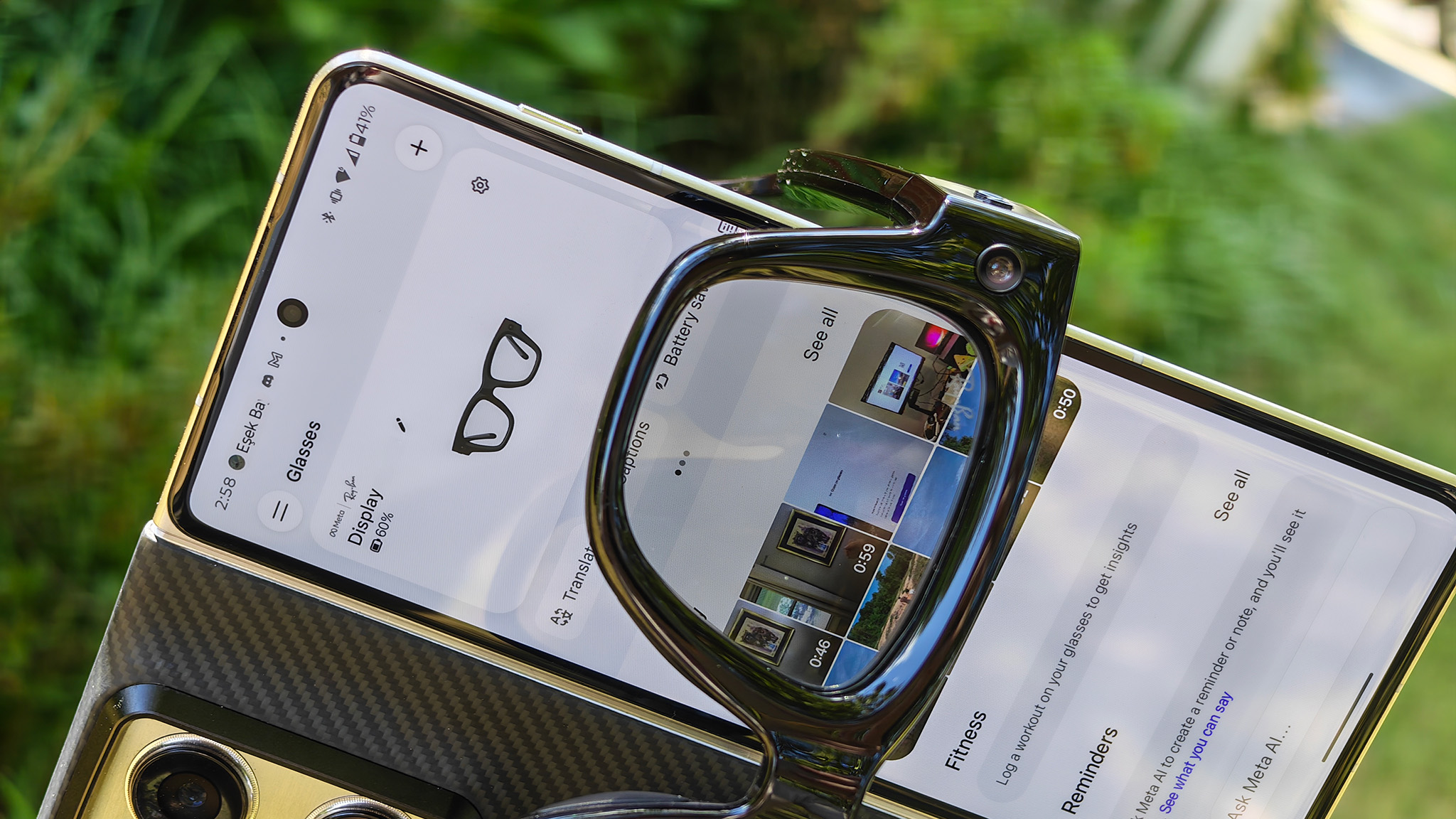
Meta capitalized on the commercial success of its non-display Ray-Ban Meta Gen 2 audio and camera glasses by introducing the Ray-Ban Display model at its September showcase. Initially launched as a pseudo-beta product, the device shipped without several heavily touted features, most notably the handwriting recognition capabilities demonstrated live on stage by Meta CEO Mark Zuckerberg. Over the subsequent twelve months, Meta deployed systematic software updates that integrated the promised handwriting features alongside experimental app support. Today, users can navigate fitness data via Strava and Garmin integration, check social feeds from Instagram and WhatsApp, and interact with a growing—though still modest—library of specialized applications.
Hardware Engineering and Optical Innovations
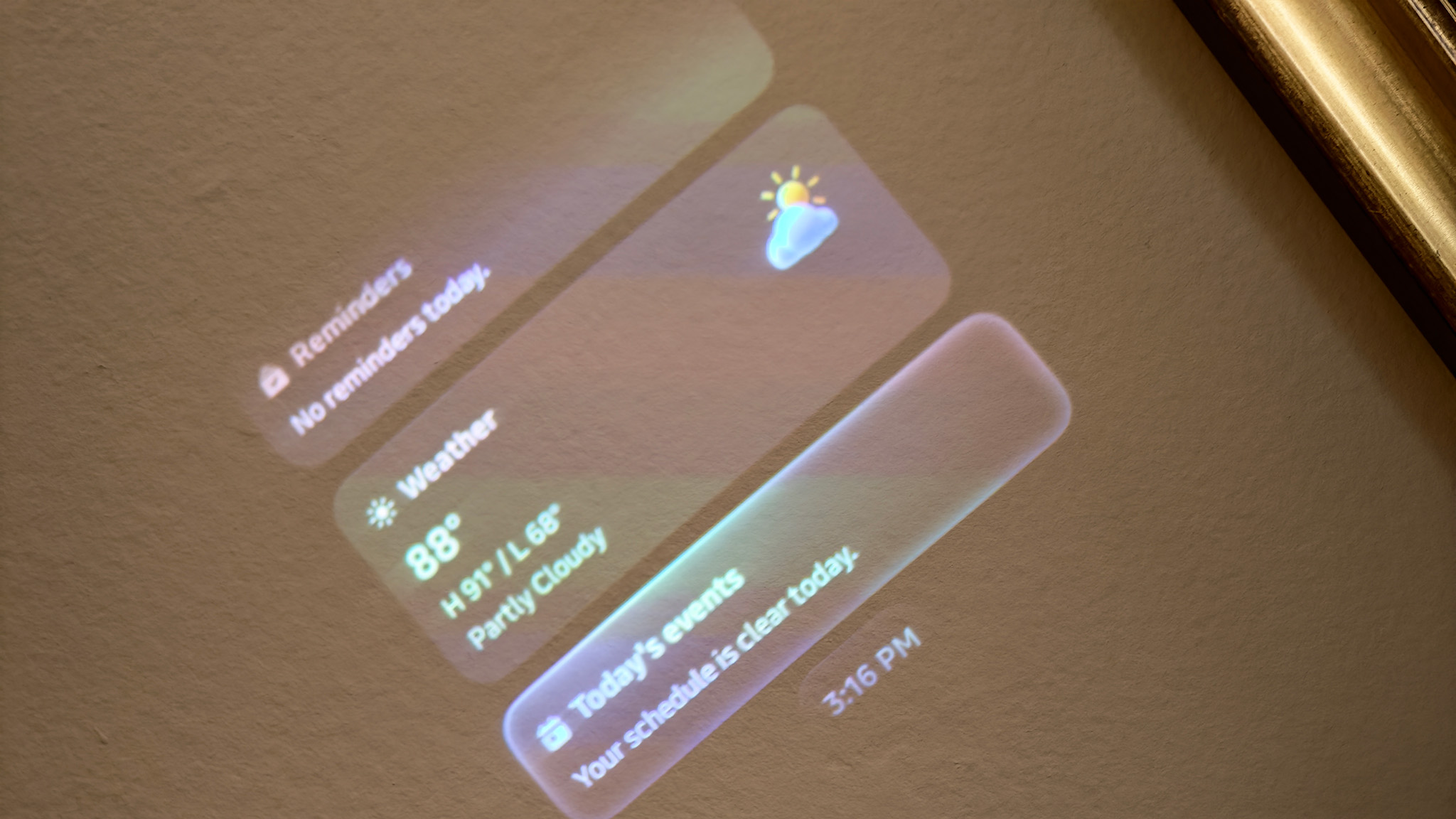
The engineering behind the Meta Ray-Ban Display revolves around balancing structural weight, power efficiency, and privacy. By limiting the full-color display to the right lens, engineers successfully mitigated battery drain and kept the frames light enough for all-day wear. Unlike competing monocular or binocular devices such as the Even Realities G2 or the MemoMind One, which frequently suffer from optical warping, chromatic aberration, or peripheral light bleed, Meta’s waveguide technology delivers exceptional clarity and brightness.
According to optics manufacturer Lumus, the underlying waveguide architecture prioritizes user privacy. Observers standing directly in front of the wearer cannot view the contents of the projected screen, even at close range. Furthermore, the built-in camera system represents a substantial upgrade over previous generations, allowing users to utilize a visual viewfinder directly in their field of view and execute optical zoom functions—capabilities entirely absent in audio-only variants.
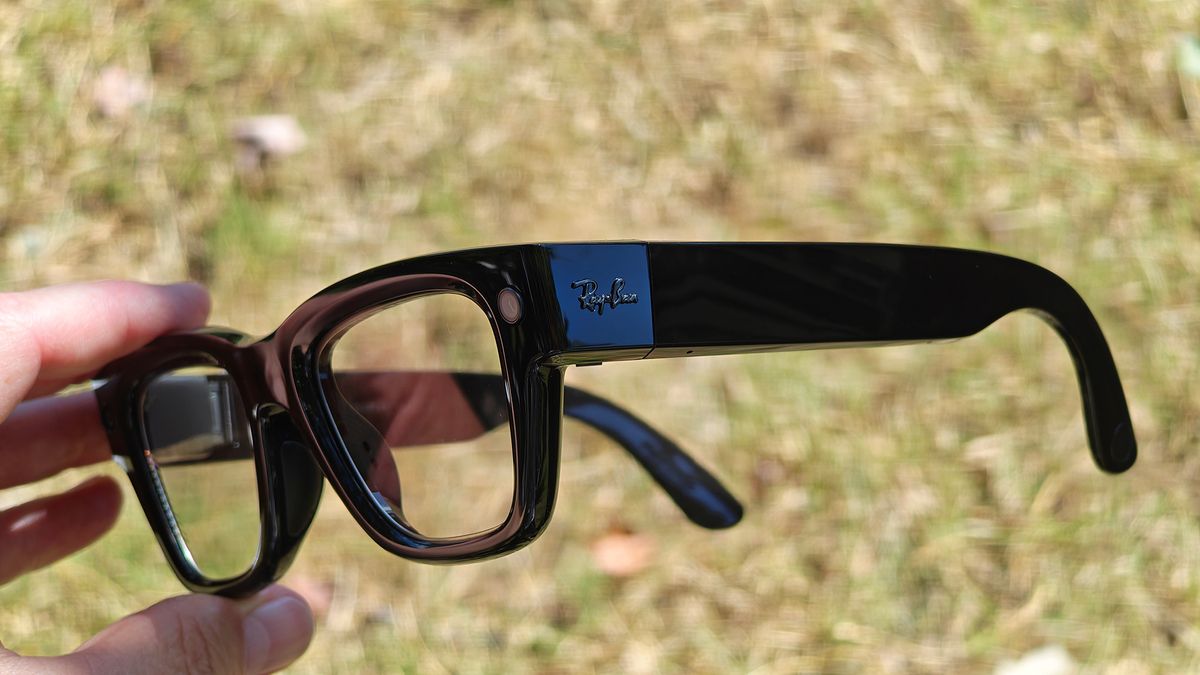
However, the monocular nature of the display introduces ergonomic challenges. Viewing complex visual content, such as continuous video feeds or lengthy text documents, can induce visual fatigue due to the asymmetry of processing visual input through only one eye. Conversely, utility tasks such as turn-by-turn navigation, real-time message reading, and media playback control demonstrate the hardware’s strengths.
The Neural Band: Paradigm Shift in Wearable Input
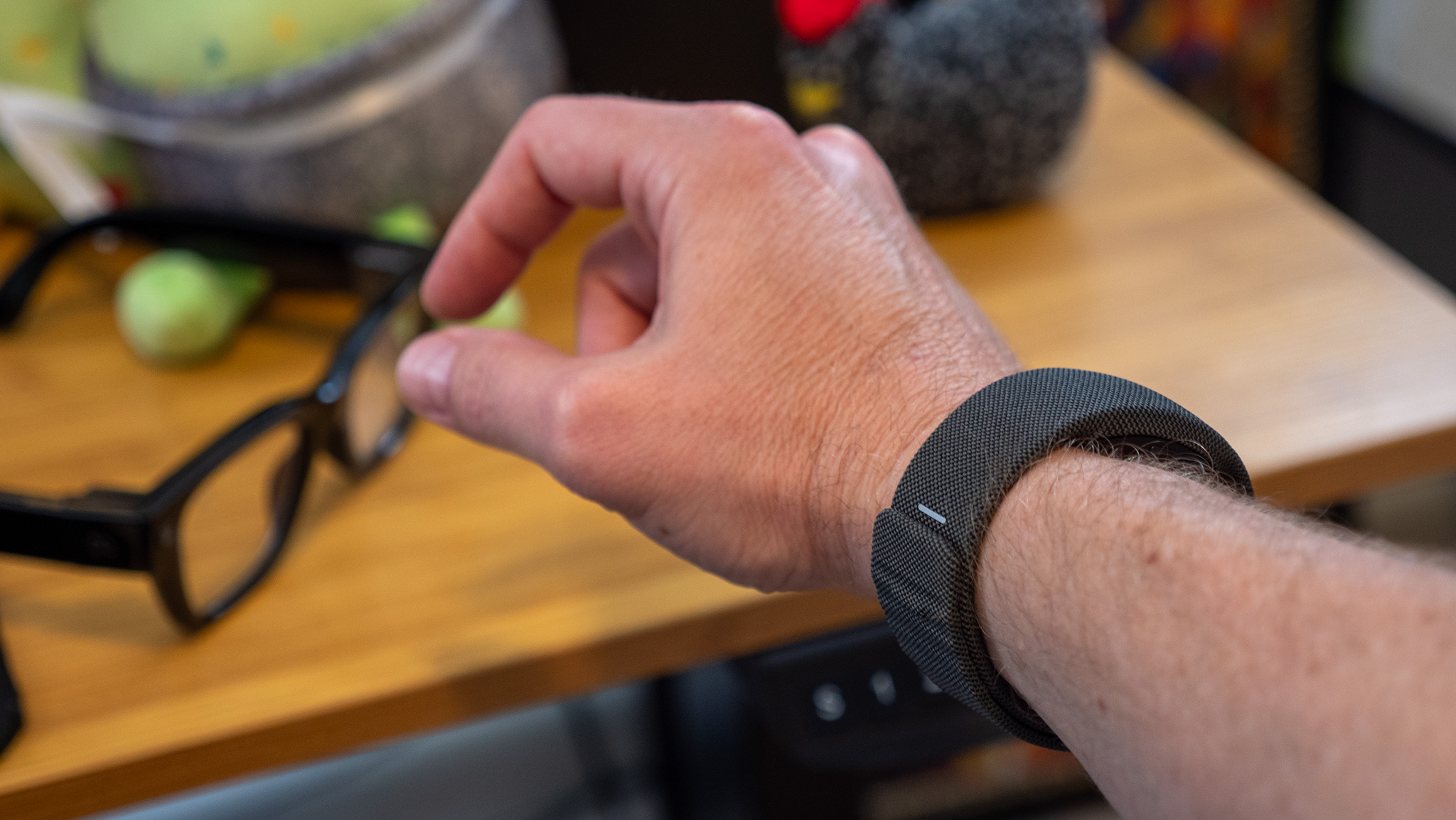
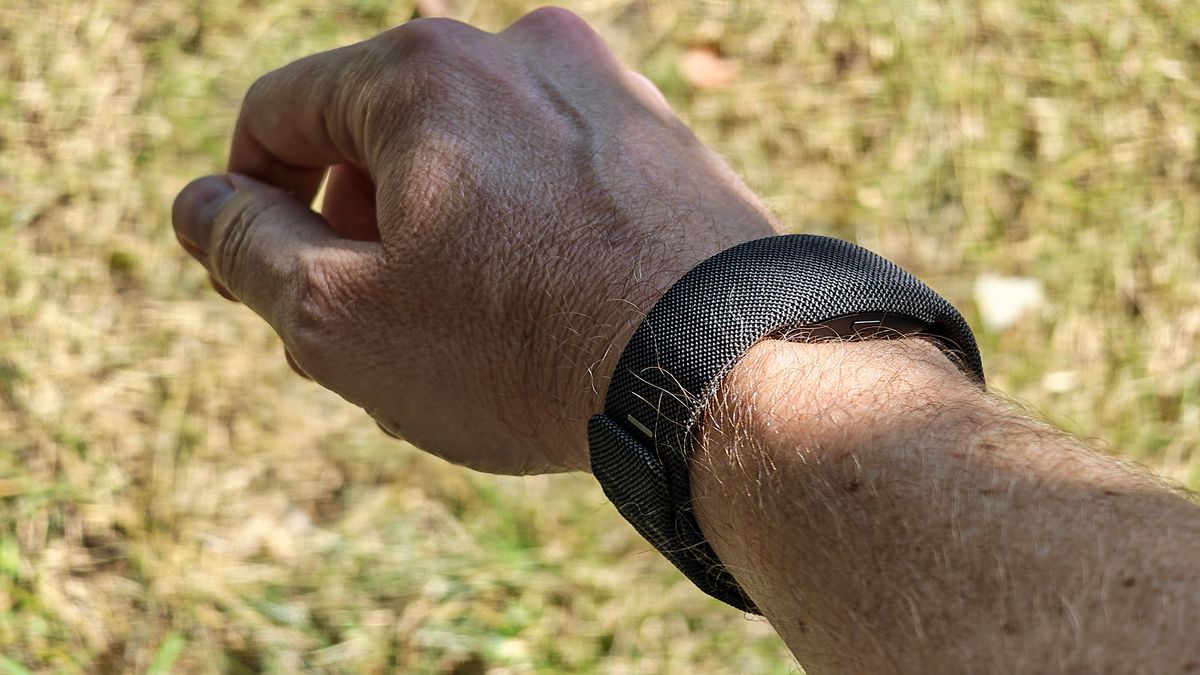
Interacting with the Ray-Ban Display relies heavily on the included Neural Band, a cloth-constructed wrist accessory that interprets neuromuscular signals and subtle muscle movements. The band effectively serves as the touchscreen equivalent for augmented reality, allowing wearers to execute precise commands through finger gestures while keeping their hands comfortably resting in their lap or pockets.
Industry analysts have lauded the haptic feedback and responsiveness of the Neural Band, noting that it eliminates the socially awkward requirement of waving hands mid-air to manipulate virtual interfaces. Tasks such as adjusting volume via a virtual dial or quietly scribbling text responses using finger movements offer a glimpse into intuitive human-computer interaction. Nevertheless, the reliance on a proprietary charging mechanism and the daily battery management routine introduce minor friction points for users accustomed to passive accessories.
Ecosystem Limitations and Developer Challenges
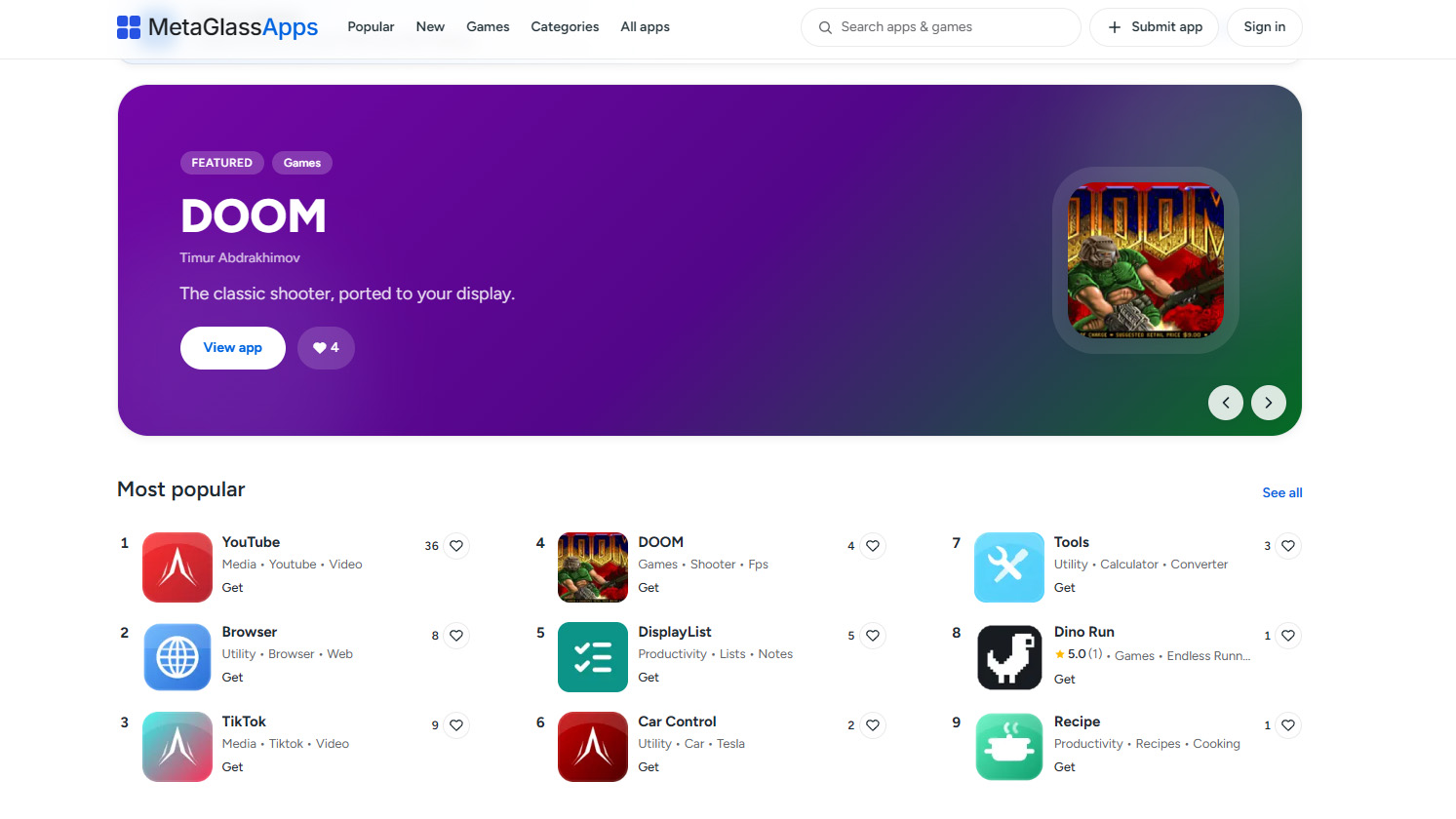
Despite the robust hardware foundation, the primary obstacle facing the Meta Ray-Ban Display lies in software and application support. One year after its commercial rollout, the device features a nascent app ecosystem comprising approximately 26 dedicated applications. Meta has encountered persistent challenges in convincing third-party software developers to build applications for its nascent 2D glass interface—a friction point reminiscent of the adoption hurdles previously faced by the Meta Quest virtual reality headset ecosystem.
Because applications require constant smartphone connectivity and must be sideloaded or accessed through experimental developer panels within the Meta AI mobile app, the overall user experience remains tailored toward power users rather than casual consumers. Industry experts point out that while Meta excels at iterating hardware and releasing consistent firmware updates, building a vibrant third-party developer marketplace remains an industry-wide hurdle for emerging wearable platforms.
Market Implications and Outlook
As the market evaluates the long-term viability of smart eyewear, the Meta Ray-Ban Display serves as an essential stepping stone. At nearly double the cost of non-display smart glasses, the hardware offers sophisticated technology that outpaces immediate consumer demand. Financial and tech analysts observe that while the device is unlikely to achieve mass-market saturation in its current iteration, it establishes a dependable blueprint for future generations of augmented reality hardware.
As upcoming iterations benefit from lighter frames, expanded battery efficiency, and broader application support, the foundational groundwork laid by the Ray-Ban Display will likely dictate industry standards. For the present, however, the device remains an impressive, high-cost technological milestone tailored strictly for early adopters and enterprise developers willing to navigate a maturing ecosystem.