Control Resonant review: Remedy turns Manhattan into a paranatural nightmare unlike anything I’ve seen

Remedy Entertainment has long established a reputation for pushing the boundaries of interactive media, blending surreal storytelling, avant-garde design, and cutting-edge technology. With the release of Control Resonant, the Finnish studio ventures back into the deeply unsettling universe of its 2019 hit, Control, translating its signature brand of "New Weird" fiction onto a much grander canvas. Scheduled for release on September 24, 2026, across PC, PlayStation 5, and Xbox Series X/S, this ambitious sequel shifts the battlefield from the confined, brutalist corridors of The Oldest House to a radically warped, apocalyptic vision of New York City’s Manhattan. Powered by Remedy’s proprietary Northlight Engine, Control Resonant presents a striking visual and narrative achievement, though certain design choices in its combat and navigation prevent it from fully realizing its immense potential.
A Familiar City Undergoing Paranatural Collapse
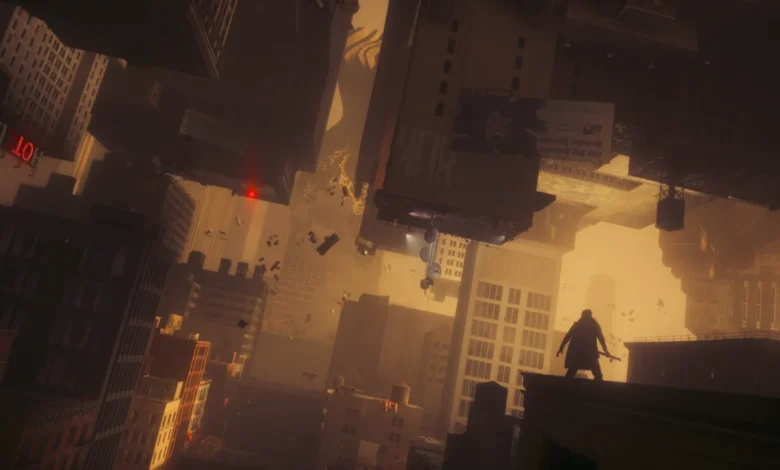
Manhattan has served as the digital sandbox for countless virtual blockbusters, yet Remedy’s interpretation of the metropolis stands entirely apart from traditional depictions. In the original Control, players navigated The Oldest House, a clandestine federal headquarters featuring impossible, Escher-esque spatial geometry. In Control Resonant, the paranatural anomaly known as The Hiss breaks containment, spilling out into the open air and systematically distorting the physical reality of New York City.
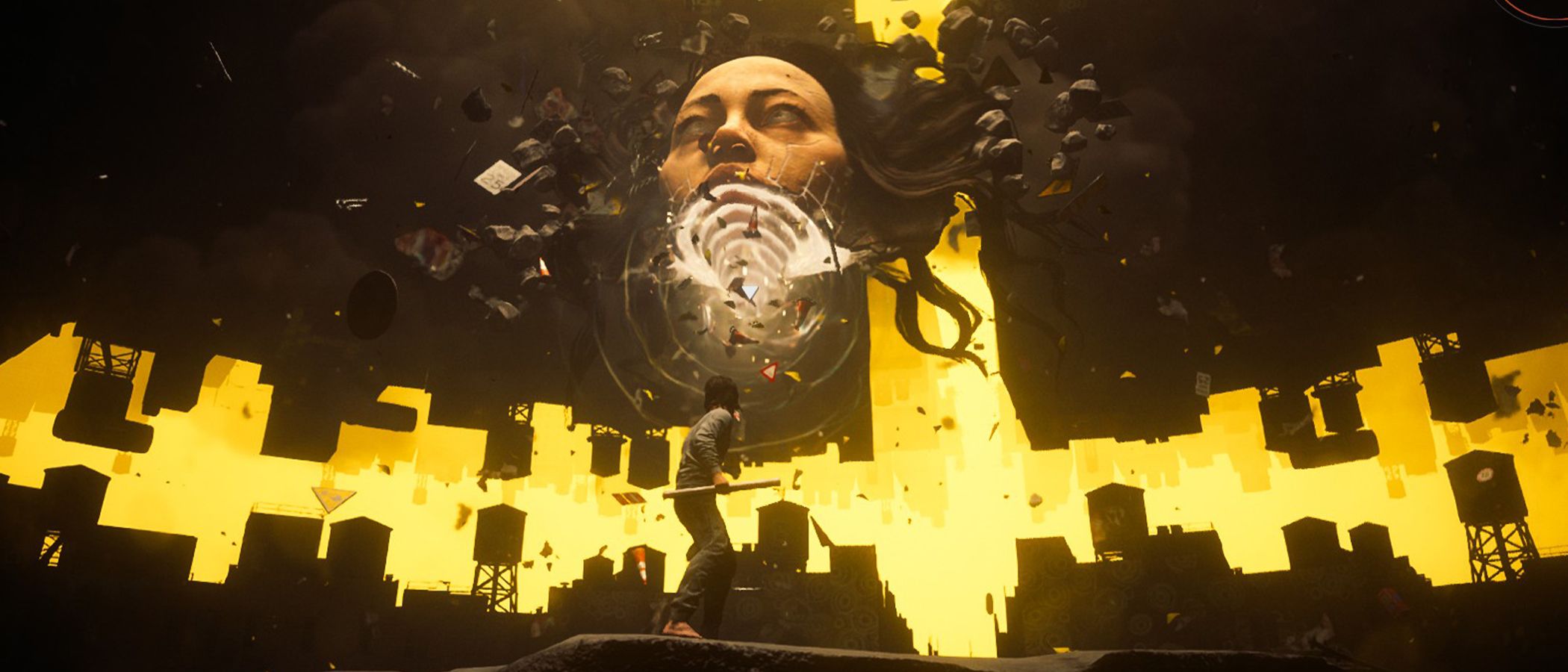
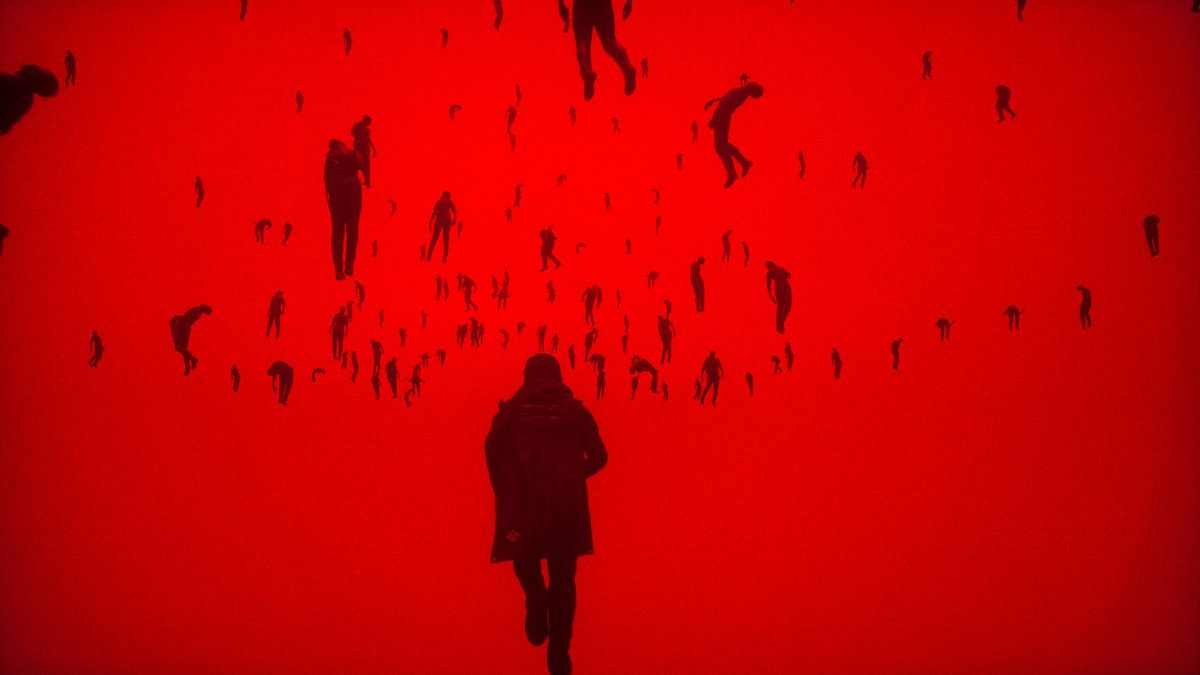
The resulting landscape is a harrowing masterpiece of environmental design. Players bear witness to dead, floating bodies suspended in mid-air, streets that abruptly buckle vertically toward the sky, and towering skyscrapers that refract into abstract geometric nothingness. Most disturbing is a phenomenon dubbed ‘patterning,’ a surreal visual manifestation that evokes the uncanny valley of generative intelligence hallucinating infinite, distorted iterations of structural forms.
Amidst this apocalyptic surrealism, Remedy retains an anchor to mundane reality. Players can peer through the windows of ravaged apartments to spot recognizable interior fixtures like lighting panels and radiators, or interact with warped advertising billboards. This juxtaposition of the hyper-familiar and the deeply incomprehensible forms the core of the game’s aesthetic identity, amplified by full path-tracing support within the Northlight Engine for players utilizing high-end hardware.
Shifting Perspectives: Stepping into the Shoes of Dylan Faden
Control Resonant marks a major narrative departure by benching Jesse Faden—the protagonist of the first game, who begins this installment missing in action—in favor of her troubled brother, Dylan. Having spent the majority of the original title confined as a victim of inhumane experimentation by the Federal Bureau of Control (FBC), Dylan brings a distinctly darker and more volatile psychological perspective to the narrative.
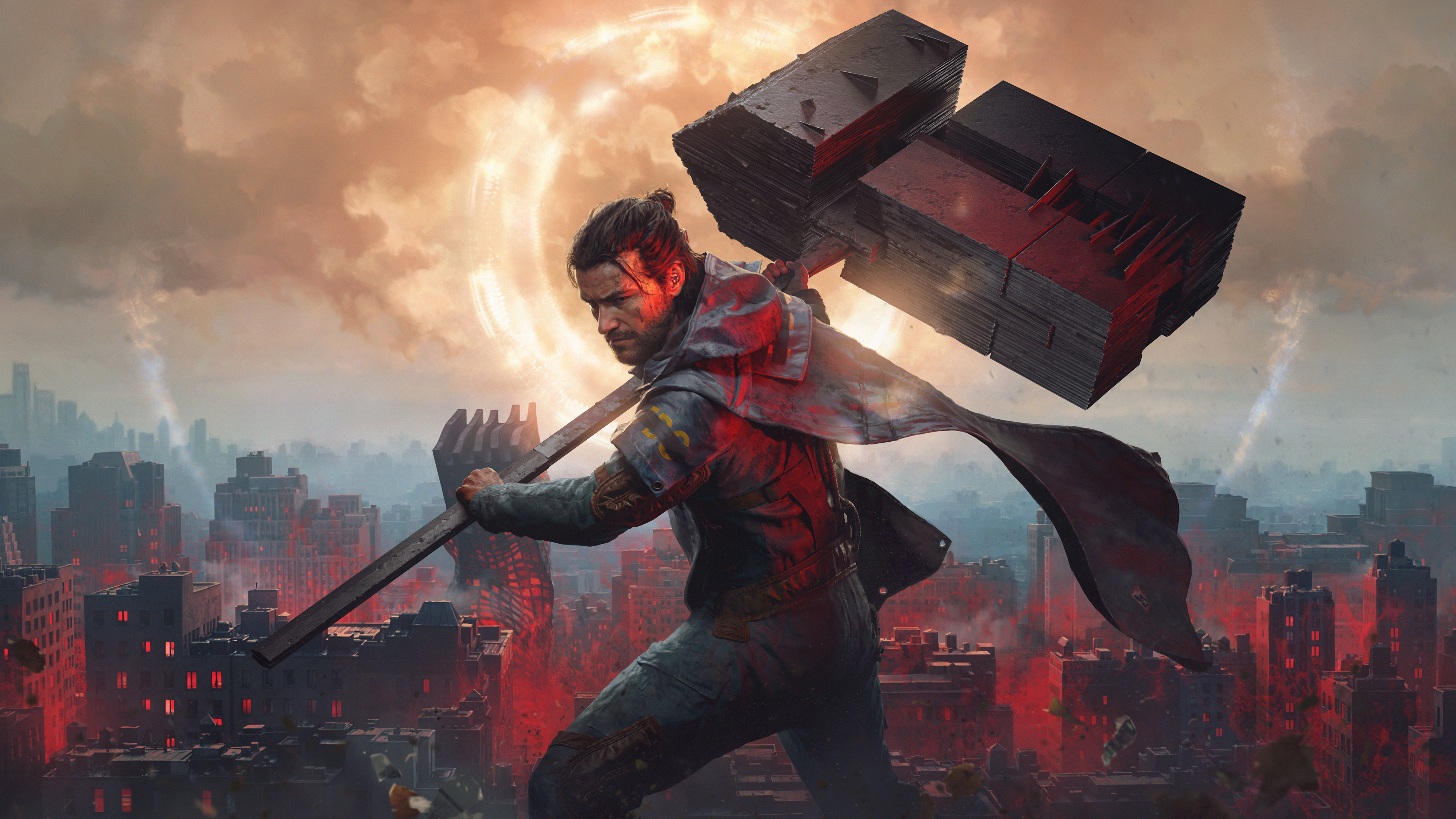
Dylan’s status as a shape-shifting entity known as the Aberrant dictates both his character arc and mechanical capabilities. Unlike Jesse, whose combat repertoire relied heavily on service weapons and telekinetic ranged attacks, Dylan utilizes fluid, morphing melee weaponry and specialized paranatural skills inherited from defeated adversaries.
Gameplay Mechanics: Combat, Traversal, and Level Design
The transition from a shooter-centric formula to a melee-focused action RPG introduces a fresh rhythm to Remedy’s combat design. Players can swap between distinct weapon configurations, such as a sweeping scythe with wide area coverage or swift twin blades optimized for critical strikes. Defeating monumental bosses—referred to as Resonants—grants cooldown-based abilities reminiscent of classic progression loops, allowing players to unleash powerful ground pounds, shields, or localized projectile bursts.
Rather than utilizing conventional, tedious menu interfaces, skill customization and testing take place within "The Gap," a stark, abstract mind palace that houses an astral combat arena. This design choice reinforces the psychological depth of the protagonist’s journey.
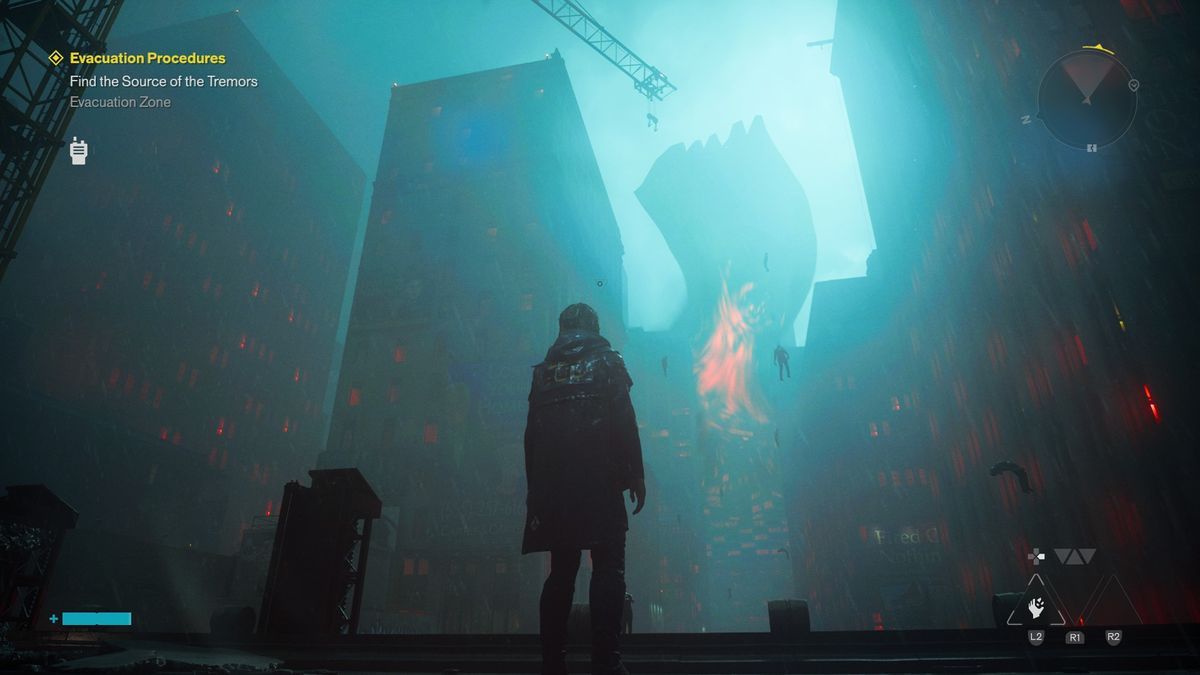
However, the game encounters friction in its structural design. Although Dylan is endowed with expansive traversal options—including double jumps, elevated boost holds, and dual air-dashes—Manhattan does not function as an open-world playground akin to titles like Marvel’s Spider-Man. Instead, the city acts as an intricate, segmented maze. Level architecture frequently restricts vertical exploration through invisible boundaries and high-walled sector gates, occasionally forcing players through repetitive navigational loops.
Compounding this issue is the game’s approach to enemy encounters. Foes frequently exhibit damage-sponge tendencies, requiring prolonged engagement that can undermine the fluidity of combat. Even with a generous suite of accessibility settings allowing players to fine-tune damage multipliers and adjust difficulty curves without sacrificing achievement progress, the underlying frequency of protracted skirmishes can cause combat fatigue.
Narrative Presentation and Multimedia Integration
True to Remedy’s signature style, Control Resonant excels in multimedia storytelling. The game features an original bespoke soundtrack featuring atmospheric needle drops and seamless integration of live-action video sequences. Notably, actor Matthew Porretta returns to reprise his role as the eccentric FBC researcher Casper Darling.
While the campaign offers memorable set-pieces—including a surprising, feature-length flashback sequence presented as a 16-bit pixel-art role-playing game inspired by classics like Earthbound—the overarching experience serves as a crucial milestone for the studio. Following the mixed critical and commercial reception of the multiplayer spinoff FBC: Firebreak, Control Resonant reaffirms Remedy’s mastery over psychological world-building and narrative-driven design.
Broader Implications and Industry Reception
Control Resonant arrives at a time when single-player narrative action games face intense scrutiny regarding production costs, pacing, and player engagement metrics. By refusing to compromise on its avant-garde artistic vision, Remedy continues to carve out a distinct space for high-concept auteur-driven projects within the AAA landscape.
While its labyrinthine navigation and demanding combat balance may alienate players seeking a more traditional, streamlined action experience, the title’s uncompromising commitment to surrealist art direction ensures it will remain a significant talking point in contemporary game design. As the studio continues to expand its interconnected universe—paving the way for future crossover projects—Control Resonant cements its status as a visually arresting, conceptually daring chapter in the ongoing evolution of Remedy Entertainment.