Meta Steps Back from Cameras with New Audio-Only Ray-Ban Smart Glasses at Connect 2026 to Combat Privacy Backlash

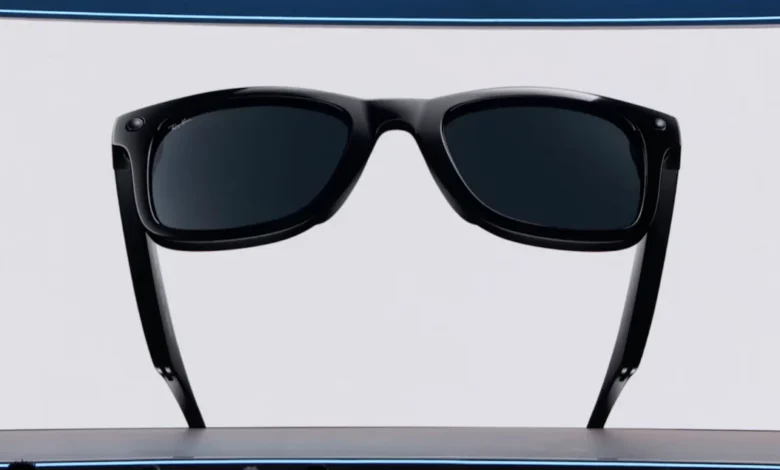
Meta Platforms has officially expanded its wearable technology portfolio by introducing its first-ever camera-free smart glasses, titled the Ray-Ban Meta Audio. Unveiled on Wednesday during the company’s annual Connect 2026 conference, the new line of eyewear represents a strategic pivot for the tech giant. By removing visual recording hardware entirely, Meta aims to address growing public anxiety, regulatory scrutiny, and reputational damage stemming from the covert recording capabilities of its predecessor devices. Designed in collaboration with eyewear titan EssilorLuxottica, the audio-centric glasses will retail starting at $349 and are scheduled to open for preorders on October 13.
The introduction of a camera-free smart glass ecosystem highlights a major tactical shift for Meta. Over the past several years, the company’s AI-powered spectacles gained widespread consumer traction but simultaneously attracted fierce criticism over privacy violations. Detractors frequently lambasted the devices—often pointing to usage trends among male early adopters—for enabling covert video recording of unsuspecting individuals in public spaces. The controversy earned the original camera-equipped wearables derogatory monikers in public discourse, forcing Meta into a defensive posture. Although the company previously attempted to mitigate privacy concerns by deploying software updates designed to disable recording functions if physical indicator lights were tampered with, the underlying social stigma and "creep factor" persisted. With the Ray-Ban Meta Audio, Meta is effectively offering a compromise: the convenience of artificial intelligence and spatial audio integration without the accompanying fear of unauthorized surveillance.
Evolution of the Hardware and Design Specifications
Without the physical constraints and space requirements of housing optical camera sensors, image signal processors, and extensive battery configurations for video capture, the Ray-Ban Meta Audio models boast a significantly slimmer profile than their camera-equipped counterparts. Weighing in at a mere 43 grams, the glasses prioritize long-term wearability and ergonomic comfort. According to specifications released by Meta, the hardware includes adjustable temple tips, swappable nose pads, and durable overextension hinges to accommodate a wide variety of facial structures and fit preferences.
The hardware is powered by an impressive battery architecture that Meta claims delivers up to 12 hours of continuous playback and communication on a single charge. When paired with the included, custom-engineered charging case, the cumulative battery life extends up to 48 hours, placing the device in direct competition with high-end wireless earbud markets, such as Apple’s Siri-powered AirPods. During his keynote address on Wednesday, Meta CEO Mark Zuckerberg emphasized the standalone utility of the audio ecosystem. "Once you get used to high-quality audio, it’s just a thing that you want all the time, right?" Zuckerberg remarked, noting that consumer testing revealed a massive demand for dedicated smart audio wearables that transcend traditional headphone form factors.
Aesthetics remain a central pillar of the EssilorLuxottica partnership. The Ray-Ban Meta Audio will launch with an extensive array of personalization choices, featuring 23 distinct color and lens combinations. Furthermore, the lineup introduces two fresh frame styles: the retro-inspired "Clubmaster" silhouette and the "Burbank," characterized by a classic, timeless rectangular geometry. Consumers requiring vision correction will also have the option to order the audio glasses with customized optical prescription lenses.
Alongside Audio: The Next Generation of Camera Glasses and Global Expansion
While the camera-free audio glasses represent a direct answer to privacy concerns, Meta has not abandoned visual capture technology. At the same time, the company announced its third-generation camera-equipped smart glasses, officially designated as the Ray-Ban Meta (Gen 3). Alongside the returning Wayfarer style, the Gen 3 lineup introduces two new frame designs: the Aviator and the Zena, the latter of which features a distinct cat-eye frame geometry tailored to diverse fashion preferences.

The Gen 3 camera glasses are equipped with a high-resolution 12-megapixel camera capable of capturing 3K Ultra HD video. Audio capture and voice recognition are enhanced by an upgraded six-microphone array, while the internal power management systems deliver up to nine hours of continuous battery life. To accelerate global cultural adoption, Meta confirmed an expanded partnership roster, bringing prominent recording artist Lisa onboard following prior successful brand collaborations with reality television star and entrepreneur Kylie Jenner. Additionally, Meta announced that its broader smart glasses lineup will experience a wider international rollout, entering new geographic markets throughout the upcoming year.
Deep Integration with Muse AI and Future Software Features
Central to all of Meta’s wearable offerings—both audio-only and camera-equipped—is the integration of the company’s newly minted personal artificial intelligence assistant, Muse. Replacing or augmenting earlier iteration frameworks, Muse serves as the primary conversational interface for wearers. Users can leverage the assistant to manage daily schedules, initiate real-time speech translations, execute phone calls, stream media, and receive contextual information directly through the open-ear speaker systems embedded within the frames.
During the Connect 2026 conference, Meta also offered a preview of upcoming software capabilities slated for rollout across the smart glasses ecosystem. Among the most notable teased updates is support for Dolby Atmos Capture, an advanced audio processing feature designed to optimize immersive sound recording. For visual capture on Gen 3 models, Meta is introducing automated frame-selection tools that evaluate multiple rapid-fire exposures to pick the single best photo, alongside granular toggles for dedicated landscape or portrait shooting modes.
Furthermore, Meta is addressing accessibility by introducing specialized hearing enhancement protocols designed to assist individuals with mild to moderate hearing loss. Software improvements will also yield more detailed, context-aware AI responses, customizable touch and voice controls, and expanded audio profiles. Addressing ongoing data security anxieties, Meta highlighted an upcoming feature suite dubbed "private processing." According to company statements, private processing utilizes advanced cryptographic and architectural safeguards designed to prevent Meta from accessing, inspecting, or storing sensitive user data captured or processed through the glasses.
Chronology of Meta’s Smart Glasses Journey
The path to the Connect 2026 announcements reflects a calculated, iterative hardware strategy spanning several years:
- September 2021: Meta and EssilorLuxottica launch their first-generation smart glasses, Ray-Ban Stories, featuring basic photo and video capture capabilities with limited AI integration.
- September 2023: Meta introduces the second-generation Ray-Ban Meta smart glasses at Connect 2023, featuring improved camera resolution, livestreaming capabilities, and early integrations of Meta AI.
- Early 2025: Public scrutiny intensifies as viral incidents and investigative reports highlight the potential for non-consensual recording in public spaces, leading to the colloquial "pervert glasses" label across social media and tech journalism.
- July 2026: Meta deploys emergency software patches and firmware updates intended to deter tampering with recording LED indicator lights, though criticism regarding passive surveillance remains robust.
- September 23, 2026: At Connect 2026, Mark Zuckerberg formally unveils the camera-free Ray-Ban Meta Audio alongside the Ray-Ban Meta (Gen 3) camera glasses, positioning the audio-only variant as a privacy-first alternative.
- October 13, 2026: Scheduled date for global consumer preorders of the Ray-Ban Meta Audio and Gen 3 hardware lines.
Market Implications and Strategic Analysis
The debut of the Ray-Ban Meta Audio glasses marks a mature acknowledgment by Meta that consumer electronics hardware cannot succeed purely on technological novelty if social friction compromises user adoption. By separating audio utility from optical recording, Meta is attempting to segment its addressable market. The $349 price point positions the audio glasses squarely against premium hearables, targeting consumers who desire seamless voice assistant integration, translation tools, and media consumption without the baggage of surveillance optics.
Industry analysts note that this diversification could significantly expand Meta’s total addressable market by appealing to professionals, students, and privacy-conscious consumers who previously boycotted the brand’s wearable portfolio. At the same time, the simultaneous rollout of the Gen 3 camera glasses demonstrates that Meta remains committed to visual computing and augmented reality stepping stones. As regulatory frameworks surrounding facial capture, biometric data collection, and public surveillance tighten globally, Meta’s pivot toward privacy-mitigated hardware formats may well establish a baseline standard for the entire smart eyewear industry moving forward.