Apple has officially released the iPhone 18 Pro, marking a pivotal moment in the company’s hardware trajectory as it navigates the final stages of the Tim Cook era. While the smartphone market has largely matured into a landscape of iterative updates, the iPhone 18 Pro represents a deliberate refinement of the "everything-and-the-kitchen-sink" philosophy that has defined Apple’s premium tier for nearly a decade. Positioned as a powerful workhorse rather than a design experiment, the device prioritizes thermal efficiency, computational photography, and internal silicon prowess over radical form-factor shifts.
The Evolution of the Pro Lineup
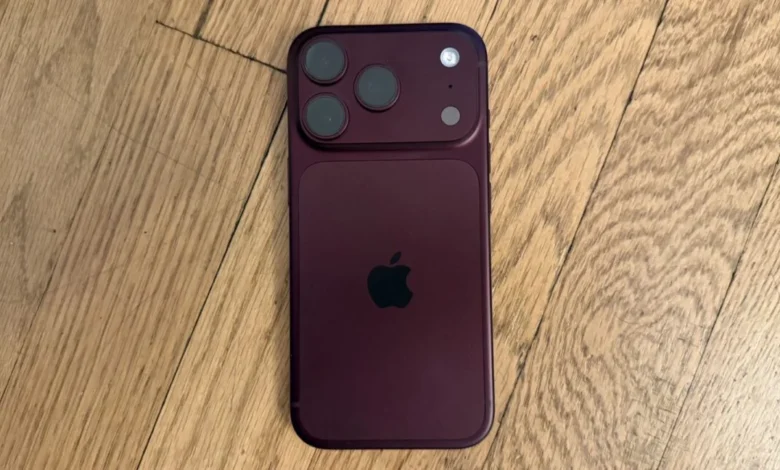
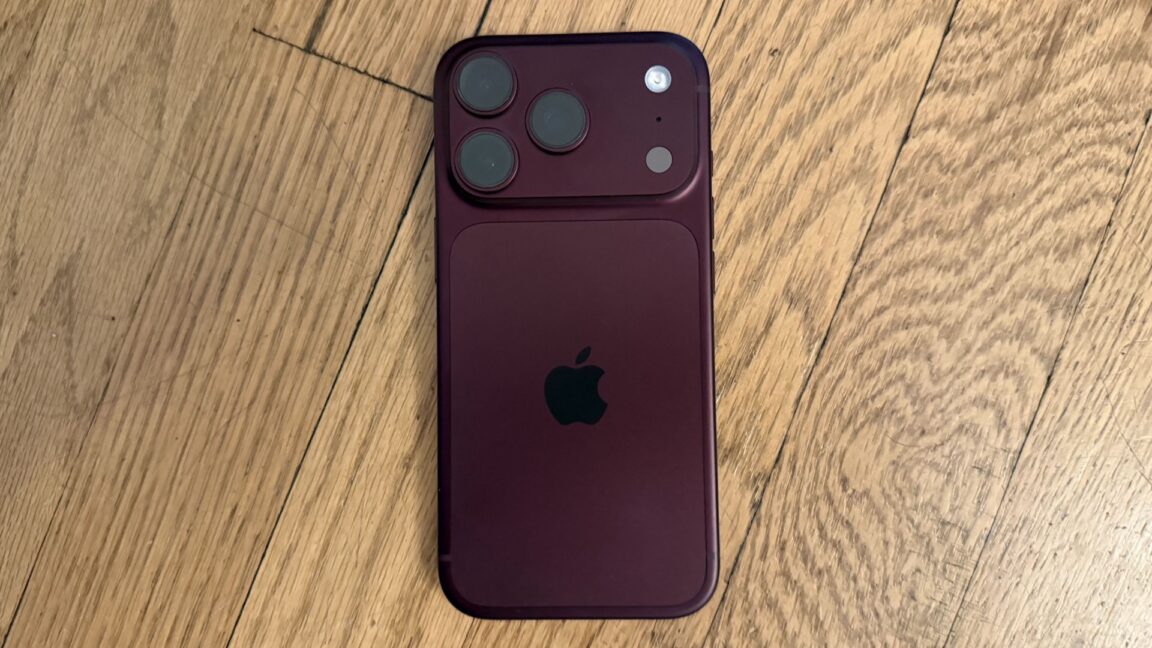
The iPhone 18 Pro arrives at a time when Apple has begun bifurcating its product strategy. While previous years saw the "Pro" models serving as the testing ground for bold new hardware, the company has recently shifted its experimental design language toward specialized products like the iPhone Air and the newly introduced iPhone Duo. Consequently, the iPhone 18 Pro retains a familiar silhouette, favoring functional, high-end materials—such as its refined titanium chassis and a new, deeper burgundy colorway—over dramatic geometric departures.
This strategic pivot allows the Pro line to occupy a stable, predictable space for power users, content creators, and enterprise clients who prioritize consistency and performance. By moving away from the "fashion-first" approach for its flagship, Apple is signaling a shift toward longevity, ensuring the device remains a reliable tool for professional workflows.
Thermal Engineering and the A20 Pro Chip
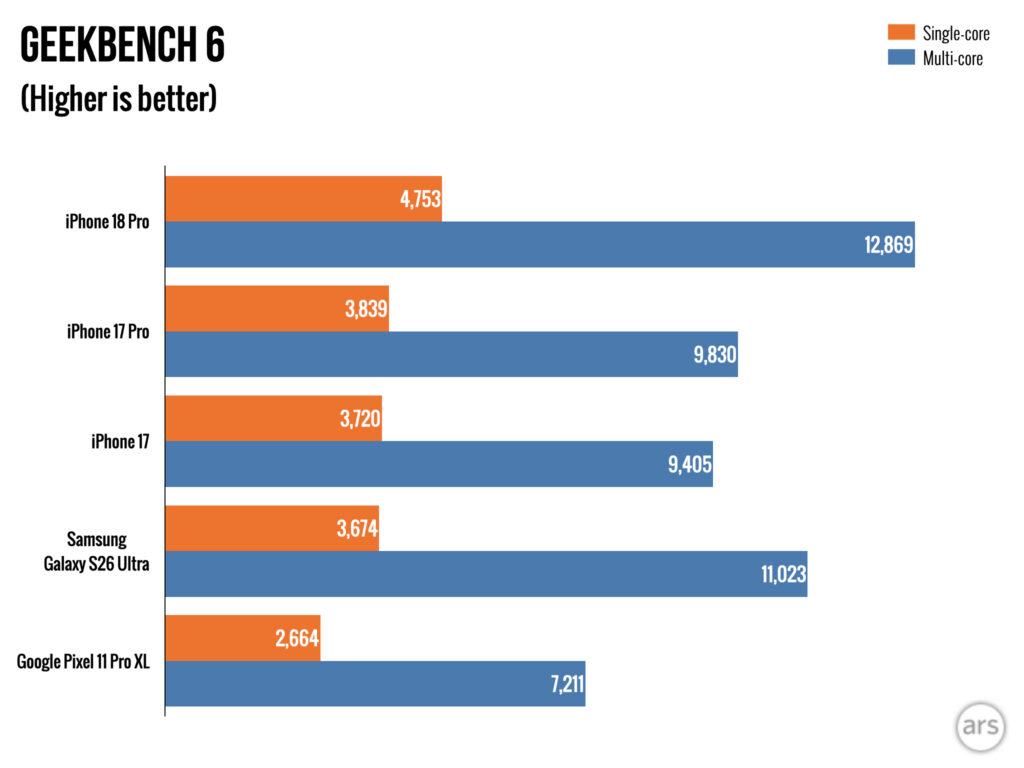
The most significant advancements in the iPhone 18 Pro occur beneath the surface, specifically concerning heat dissipation and processing power. At the heart of the device is the A20 Pro chip, manufactured on a cutting-edge 2nm process node. This transition from the 3nm architecture of the A19 Pro facilitates a more compact and energy-efficient design.
The A20 Pro features a 6-core CPU—comprising four efficiency cores and two performance cores—and a 7-core GPU enhanced with integrated Neural Accelerators. These accelerators are designed to handle the increasing demands of on-device artificial intelligence, a cornerstone of the iOS 27 ecosystem. Apple’s decision to increase memory bandwidth by 50 percent is a calculated move to "future-proof" the handset against upcoming AI workloads that require substantial data throughput.
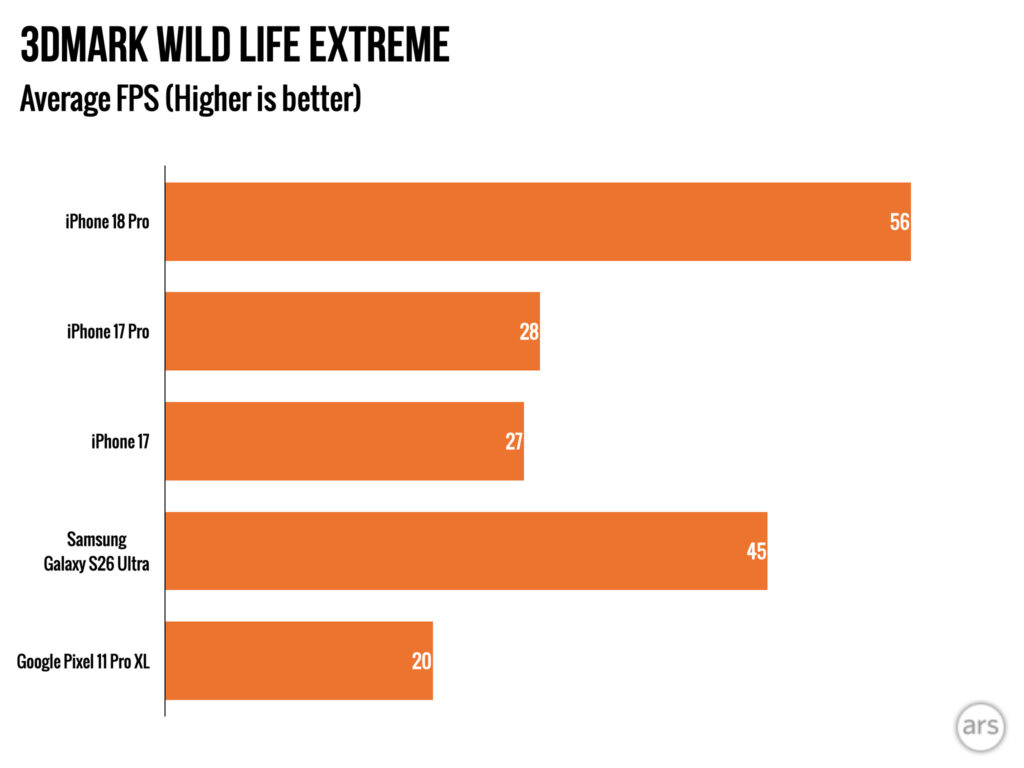
Perhaps the most critical engineering feat is the revamped thermal management system. By decoupling the System-on-a-Chip (SoC) from the memory—placing them side-by-side rather than in a stacked configuration—and significantly expanding the internal vapor chamber, Apple has addressed the common user complaint of thermal throttling. Independent testing suggests up to a 40 percent improvement in sustained performance compared to the iPhone 17 Pro, and a massive 100 percent gain over the iPhone 16 Pro. This improvement is particularly vital for users who rely on their devices for high-intensity tasks like mobile gaming, prolonged GPS usage in hot environments, and 4K video editing.
Refined Display and the Dynamic Island
The visual footprint of the iPhone 18 Pro remains consistent with its predecessors, with one notable exception: the Dynamic Island has been reduced in size. This was achieved by relocating the infrared camera to an under-display position in the top-left corner. By utilizing a specialized pixel arrangement that permits infrared light transmission while doubling local pixel brightness, Apple has successfully hidden the sensor without compromising biometric security or display fidelity.
The reduction in the Dynamic Island’s physical size has enabled enhanced software functionality. Users can now view up to three simultaneous live activities—such as transit updates, sports scores, and timer alerts—in the notification region. This expanded capability streamlines multitasking, reinforcing the Pro’s identity as a productivity-focused device.
Photographic Capabilities and User Control
In the realm of mobile photography, Apple continues its transition away from rigid computational "opinionated" processing toward user-centric control. The introduction of a variable aperture system allows for manual adjustments, a feature long requested by photography enthusiasts. While the system operates automatically for the casual "point-and-shoot" user, the granular control offered to professionals marks a departure from Apple’s historical black-box approach to image processing.
Furthermore, the integration of "Photographic Styles 3" provides a more nuanced approach to image aesthetics. By allowing users to apply texture-specific adjustments—such as film-grain emulation or skin-tone softening—before the shutter is clicked, Apple is effectively providing a native alternative to third-party editing applications. These features, combined with the carry-over of the robust triple-48MP camera array, confirm that the iPhone 18 Pro is designed to be a versatile tool for both the hobbyist and the professional cinematographer.
Battery Life and Connectivity
Battery performance remains a primary metric for flagship success, and the iPhone 18 Pro sees incremental gains. Through the combination of the A20 Pro’s improved energy efficiency and the implementation of a new proprietary C2 cellular modem, battery life for offline video playback has increased to 36 hours. The C2 modem, which operates with significantly lower energy consumption than previous Qualcomm-sourced hardware, represents a strategic push toward total vertical integration of the iPhone’s internal components. Additionally, the device now supports wireless charging up to 25W, offering faster top-ups for users invested in the MagSafe ecosystem.
Broader Implications and Market Positioning
The launch of the iPhone 18 Pro reflects a wider industry trend: the "plateauing" of the smartphone upgrade cycle. With current hardware delivering near-desktop-class performance and multi-year software support, the incentive for annual upgrades has diminished.
Industry analysts suggest that Apple’s current strategy is focused on "ecosystem retention." By providing steady, incremental improvements to thermal management, AI readiness, and user-defined camera settings, Apple is ensuring that existing users remain satisfied while providing a compelling reason for those on three- or four-year-old devices to finally migrate.
From an economic perspective, the rise in production costs associated with 2nm fabrication and advanced thermal materials has kept the price point high. Despite this, the iPhone 18 Pro maintains its market position by offering a level of reliability and integration that competitors often struggle to match. The device does not aim to dazzle with fleeting novelties; instead, it offers a "directionally perfect" experience, as described by those familiar with the company’s long-term roadmap.
Conclusion
As the industry moves into the next cycle of mobile computing, the iPhone 18 Pro stands as a testament to the success of Apple’s iterative methodology. While it may lack the speculative "wow" factor of a folding device or a radical redesign, it succeeds in the metrics that matter most to the average user: battery longevity, thermal stability, and reliable performance. For owners of the iPhone 17 Pro, the upgrade is marginal; for those carrying an iPhone 15 or earlier, the cumulative improvements in this year’s model present a clear, high-quality path forward.

In a market saturated with devices clamoring for attention through gimmicks, the iPhone 18 Pro opts for a quieter, more confident approach—a reflection of a product line that has reached a state of maturity where the focus is no longer on invention, but on the flawless execution of established essentials.