Apple integrates Google SynthID watermarking into iOS 27.2 for AI-generated and edited images

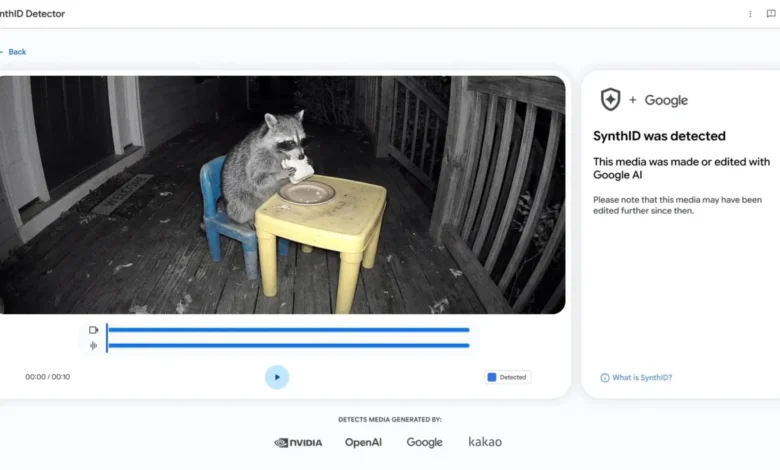
Apple has officially commenced the rollout of SynthID watermarking technology across its ecosystem, a significant milestone in the company’s ongoing efforts to enhance transparency regarding artificial intelligence in media. With the release of iOS 27.2, Apple has implemented the Google-developed identification tool into its native Photos app and Image Playground features. This deployment marks a pivotal shift in how the industry handles the verification of digital content, moving away from simple metadata—which can be easily stripped—toward robust, pixel-level digital signatures that remain embedded even after significant post-processing.
The decision to adopt SynthID was first signaled during Apple’s Worldwide Developers Conference in June 2026, where the company outlined its commitment to the Coalition for Content Provenance and Authenticity (C2PA) and broader ethical AI standards. By embedding invisible markers directly into the data of images, Apple is providing a mechanism to distinguish between organic photography and synthetic media, a capability that has become increasingly critical as generative tools become more sophisticated and widely accessible.
A Chronology of AI Transparency at Apple
The path to the current implementation in iOS 27.2 follows a structured timeline of rapid AI integration within Apple’s hardware and software stack. Since the introduction of Apple Intelligence, the company has faced mounting pressure from regulators, advocacy groups, and the creative community to establish clear boundaries for machine-generated content.
- June 2026: Apple officially announces its partnership with Google and other industry leaders to adopt SynthID, aiming to provide a standardized, cross-platform method for identifying AI-generated content.
- August 2026: Beta versions of iOS 27.1 began testing early iterations of content provenance features, though they were limited to specific internal laboratory environments.
- September 2026: The release of iOS 27.0.1 focused on critical system stability and security patches, setting the stage for the deeper integration of AI-specific security tools.
- October 19, 2026: Apple seeds the iOS 27.2 Release Candidate to developers, confirming that the SynthID integration is finalized and ready for widespread public deployment.
- October 26, 2026: iOS 27.2 reaches public availability, marking the first time consumer-grade photo editing tools include persistent, verifiable AI watermarks.
The Technical Mechanism of SynthID
Unlike traditional watermarks that overlay visible text or logos on an image, SynthID operates at the mathematical level of the image file. It functions by embedding a watermark directly into the pixel data, ensuring that the mark is imperceptible to the human eye while remaining robust enough to survive common forms of digital manipulation.
According to technical documentation provided by Google and vetted by Apple’s security teams, the watermark is designed to remain intact even if the image undergoes aggressive compression, color grading, or cropping. This durability is the primary advantage of pixel-level watermarking over Exif or IPTC metadata, which are often discarded by social media platforms during file uploads or by simple image editing software.
However, the current implementation in iOS 27.2 demonstrates a nuanced approach to when these marks are applied. Initial testing reveals that while all images generated from scratch using Image Playground receive a SynthID watermark, the application of marks to edited photos is context-dependent. Specifically, "Clean Up" tools—Apple’s generative feature for removing unwanted objects—trigger a watermark only when the edit reaches a certain threshold of complexity. Small, minor pixel adjustments may not trigger the watermark, suggesting that Apple is balancing the need for transparency with the desire to avoid over-labeling minor, non-generative photo corrections.
Practical Implications for Users and Developers
For the average consumer, the integration of SynthID is largely invisible. There is no on-device dashboard within the iOS Photos app to scan for these watermarks, nor does the operating system display a persistent "AI-generated" banner on every relevant image. Instead, detection relies on external verification. Users wishing to verify the origin of a file must upload the image to the official SynthID Detector website.
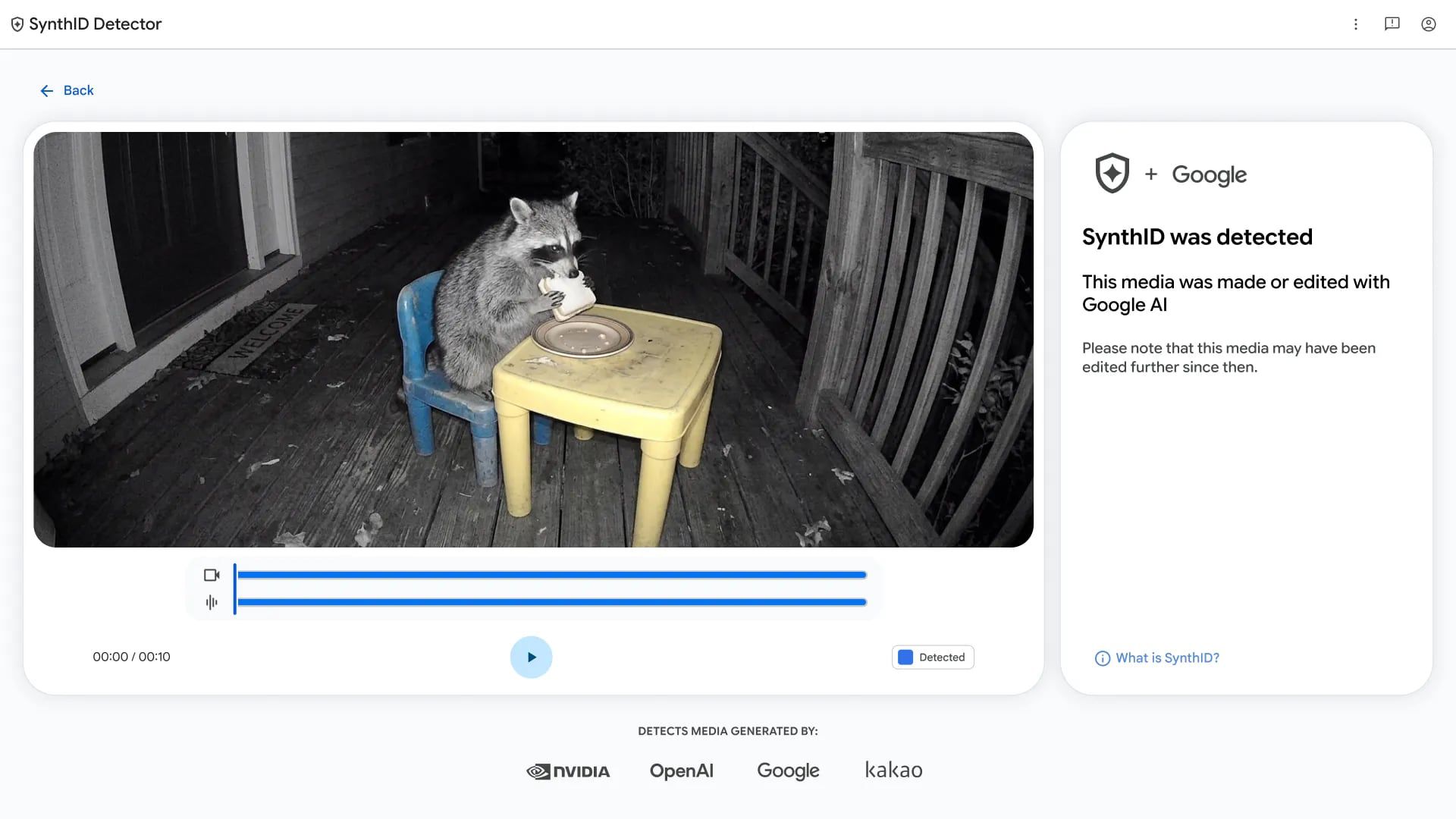
This design choice indicates that Apple views this technology as a tool for forensic analysis and institutional accountability rather than a consumer-facing aesthetic label. By utilizing a web-based detector, Apple ensures that the detection algorithms remain updated against the latest forms of content manipulation without requiring frequent iOS system updates.
For developers, the move signals a tightening of the ecosystem. As Apple standardizes these protocols, it is likely that future versions of the App Store Review Guidelines will require third-party AI developers to adopt similar provenance standards if they wish to integrate with Apple’s system-level media frameworks.
The Broader Industry Context
Apple is not acting in isolation. The adoption of SynthID is part of a broader, industry-wide trend involving major technology corporations, including Google, OpenAI, Microsoft, and Meta, all of which are members of various AI safety alliances. The goal is to create a "universal standard" for AI labeling to mitigate the risks of deepfakes and misinformation.
The challenge, however, remains the "detectability gap." While SynthID is highly effective at identifying content generated by models that incorporate the watermark, it does not currently address the vast ocean of content produced by open-source, decentralized AI models that do not adhere to these industry-standard watermarking protocols. As such, security experts argue that while SynthID is a necessary step forward, it is not a panacea for the broader societal issues surrounding AI-generated disinformation.
Analysis of Future Challenges
Looking ahead, the effectiveness of Apple’s current strategy will likely be tested by two main factors: the evolution of "watermark removal" technologies and the legal landscape of AI disclosure.
First, as the security industry knows well, every digital lock can be picked. There is already a nascent field of research dedicated to "adversarial scrubbing," where malicious actors attempt to modify pixel values just enough to degrade the SynthID watermark without ruining the image quality. Apple and Google will need to maintain a continuous, iterative cycle of updating the SynthID algorithm to stay ahead of these efforts.
Second, the legal requirement for such labeling is becoming increasingly urgent. Various legislative bodies, including the European Union under its AI Act, are moving toward mandates that require clear disclosure of synthetic content. By integrating SynthID at the OS level, Apple has effectively "future-proofed" its devices against impending regulations, positioning itself as a leader in the ethical deployment of generative technologies.
Conclusion
The arrival of SynthID in iOS 27.2 represents a sophisticated, albeit silent, evolution in digital photography. By embedding a verifiable history into the pixels themselves, Apple is helping to preserve the integrity of the digital ecosystem. While the current implementation—limited to Apple’s native tools and reliant on external detection—is only a starting point, it establishes the necessary infrastructure for a future where the provenance of every image can be questioned and, more importantly, verified. As this technology matures, it will undoubtedly become a foundational element of how we interact with, trust, and consume digital media in an era defined by artificial intelligence.