Amazon Discount Drops Quntis Monitor Light to $33 Amid Rising Demand for Home Office Ergonomics

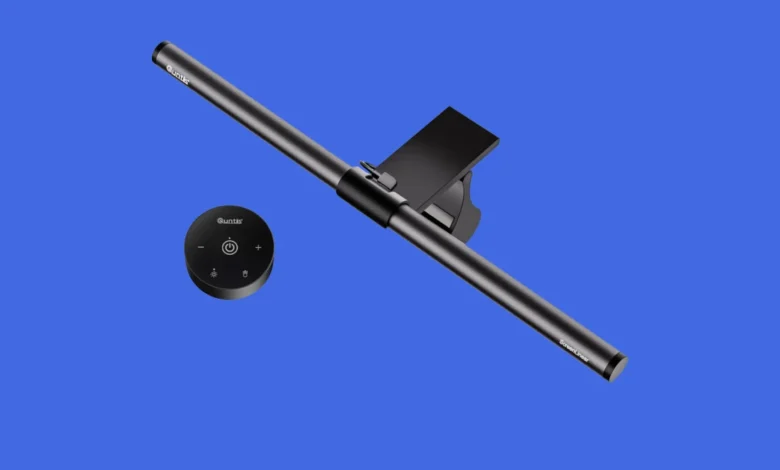
The modern remote work revolution has fundamentally transformed residential spaces, turning spare bedrooms, kitchen corners, and living rooms into permanent professional environments. However, as millions of employees transitioned to hybrid and remote schedules, a secondary health and productivity crisis emerged: poor home office lighting. Shorter winter days, particularly in northern latitudes, have amplified the psychological and physical toll of working in dimly lit environments. Addressing this widespread issue, recent market trends show a significant surge in demand for targeted desk accessories, most notably monitor light bars. Among the beneficiaries of this trend is Quntis, whose popular eye-care monitor light has seen a notable price reduction on Amazon, dropping from its standard $60 retail price down to $33.
The physiological impact of inadequate home office lighting is well-documented by ergonomists and occupational health specialists. Staring at a high-luminance computer display in a dark room creates a harsh contrast ratio that forces human eyes to work harder, leading to rapid fatigue, dryness, headaches, and general strain. This phenomenon, often exacerbated during late-night work or gaming sessions, has driven consumers to seek out ambient lighting solutions that do not consume valuable desk real estate. Monitor light bars—devices that mount directly to the top of a computer display and cast an asymmetric beam downward onto the desk surface—have emerged as the definitive hardware solution to this ergonomic challenge.
The Evolution of Workspace Ergonomics and Monitor Lighting
To understand the current popularity of devices like the Quntis monitor light bar, it is necessary to examine the evolution of workspace illumination over the past decade. Traditional desk lamps, while effective at lighting paper documents, often create unwanted glare, screen reflections, and take up considerable space on crowded desks. Under-cabinet lighting and overhead room fixtures, on the other hand, frequently fail to provide the focused task lighting required for digital professionals, writers, coders, and graphic designers.
The concept of the monitor-mounted light bar originated as a niche high-end accessory, popularized by premium brands targeting professional creators. These early iterations were often priced in the triple digits, putting them out of reach for casual users and budget-conscious remote workers. Over the past three to four years, however, manufacturing efficiencies and broader market adoption have driven down production costs. Brands like Quntis entered the market with competitively priced alternatives that democratized access to advanced eye-care technology.
By utilizing asymmetric optical design—a specialized lens and LED layout that directs light forward onto the workspace rather than backward into the screen—these devices successfully eliminate monitor glare while adequately illuminating the keyboard and documents. Furthermore, the inclusion of adjustable color temperatures allows users to shift from cool, daylight-mimicking hues during peak productivity hours to warm, amber tones in the evening, aligning with natural circadian rhythms.
Market Analysis: Pricing Trends and Promotional Strategies
The recent promotional discount bringing the Quntis monitor light down from $60 to $33 reflects broader retail strategies observed across major e-commerce platforms during transitional seasonal periods. As autumn transitions into winter, retailers frequently deploy aggressive discounting models on wellness-adjacent technology, home office equipment, and lighting products.
Industry analysts note that peripheral computer accessories experience significant sales spikes during major promotional windows, but flash sales outside traditional holiday periods serve a distinct strategic purpose. By lowering the barrier to entry for a top-rated budget peripheral, manufacturers can capture market share from consumers who might otherwise hesitate to invest in unessential workspace upgrades.
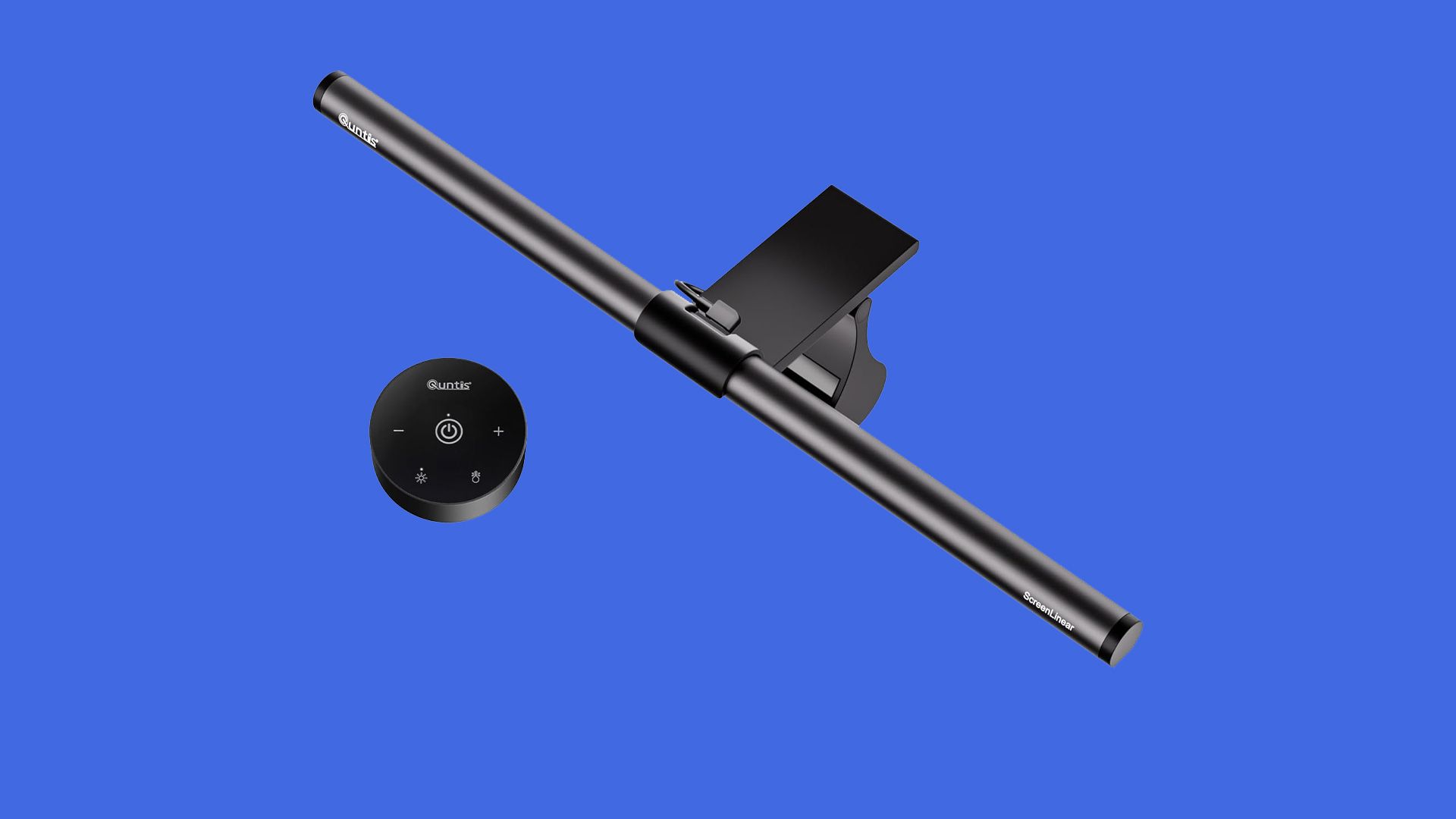
Consumer feedback and expert reviews have consistently positioned the Quntis model as a benchmark for value within the category. While premium competitors offer integrated wireless controllers, smart home connectivity, or RGB backlighting for upwards of $100, the Quntis unit focuses on core functionality: stepless dimming, adjustable color temperature, USB power delivery, and a secure mounting mechanism compatible with a wide array of flat and curved displays. At a 45% discount, the price-to-performance ratio shifts dramatically, making professional-grade desktop ergonomics accessible to a wider demographic of remote workers.
Broader Implications for Remote Work Wellness and Productivity
The sustained reliance on hybrid and remote work models has forced both employers and employees to reevaluate the definition of a healthy workspace. While initial investments focused heavily on ergonomic chairs, standing desks, and external monitors, secondary accessories addressing sensory well-being—such as ambient lighting, noise-canceling headphones, and air purifiers—are receiving increased attention from human resources departments and individual professionals alike.
Medical professionals and occupational therapists emphasize that mitigating eye strain is not merely a matter of comfort; it has direct implications for sustained daily productivity and cognitive endurance. Chronic eye fatigue can lead to involuntary squinting, poor posture as individuals lean closer to read text, and diminished focus during afternoon working hours. By introducing balanced, adjustable ambient light to the immediate field of view, devices like the Quntis monitor light help maintain visual equilibrium throughout the working day.
Moreover, the psychological dimension of seasonal light deprivation cannot be overstated. With winter months bringing reduced daylight hours, millions of remote workers face symptoms associated with seasonal affective challenges, sluggishness, and lowered mood. While a monitor light bar is not a certified medical light therapy box for clinical conditions, users frequently report an anecdotal improvement in workspace ambiance and personal morale when transitioning from a dark room to a properly illuminated desk setup.
Looking Ahead: The Future of Desktop Illumination
As the smart home and smart office ecosystems continue to converge, the future of monitor lighting will likely see further integration of automated ambient sensors. Future iterations of desk peripherals are expected to feature built-in ambient light sensors that dynamically adjust color temperature and brightness based on real-time room conditions, removing the need for manual controls.
For the present, however, standard adjustable LED light bars remain the most cost-effective and practical upgrade for the average home office. The current promotional pricing on Amazon demonstrates a maturing market where consumers no longer need to pay a premium to protect their ocular health and enhance their daily working conditions. Whether the current $33 price point will become a permanent baseline or remain a limited-time promotional offer remains to be seen, but the broader adoption of monitor lighting signals a permanent shift in how individuals curate their digital environments.
Related posts: