Anycubic Kobra X Price Reduction Signals Increasing Accessibility in the Consumer Multi-Color 3D Printing Market

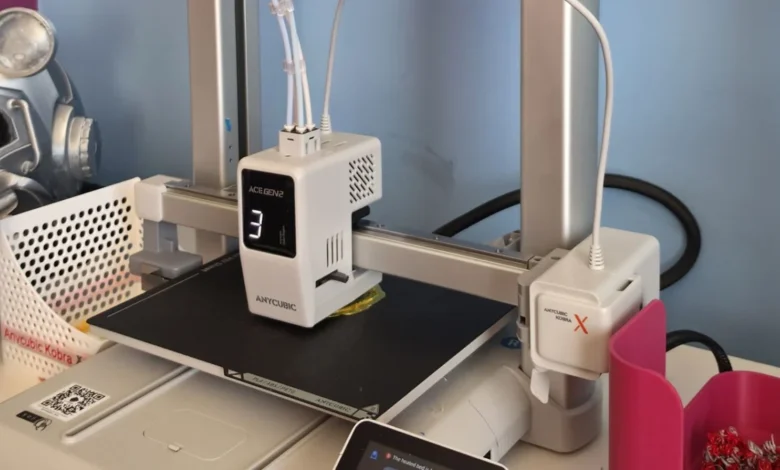
The consumer 3D printing landscape has undergone a significant transformation in recent months, moving away from complex, manual-intensive machines toward automated, user-friendly ecosystems. Leading this shift is Anycubic, a prominent manufacturer in the desktop additive manufacturing space, which has recently implemented a substantial price reduction for its Kobra X model. In the United Kingdom, the printer has reached a record-low price of £279, down from its original retail price of £359. An additional £20 discount applied at checkout brings the total cost to £259, representing a £100 total saving for consumers. Simultaneously, the company has introduced a $100 price cut for the North American market, signaling a coordinated effort to capture the entry-level multi-color printing segment.
The Kobra X occupies a unique position in the "bedslinger" category—a term used to describe FDM (Fused Deposition Modeling) printers where the build plate moves along the Y-axis. While traditional multi-color printing often requires expensive peripheral hardware, such as an Automatic Material System (AMS) or an Active Cooled Extrusion (ACE) unit, the Kobra X is marketed with 4-color compatibility designed to streamline the multi-material workflow for novice users. This price adjustment comes at a pivotal moment as the 3D printing industry faces increased competition from high-speed CoreXY models and integrated multi-filament systems.
Technical Evolution of the Anycubic Kobra Series
To understand the significance of the Kobra X price drop, one must examine the chronology of Anycubic’s product development. Since its inception in 2015, the Shenzhen-based company has focused on democratizing 3D printing technology. The original Anycubic Kobra, released several years ago, set a benchmark for budget-friendly machines by incorporating LeviQ auto-bed leveling—a feature that was previously reserved for premium industrial models.
The Kobra series evolved through several iterations, including the Kobra Go, Kobra Neo, and the high-speed Kobra 2 series. The Kobra X represents a refinement of this lineage, focusing on stability and multi-color integration. By utilizing a direct-drive extruder rather than a Bowden tube system, the Kobra X offers better control over filament retraction, which is essential for minimizing "stringing" when switching between different colored filaments.
The "bedslinger" architecture of the Kobra X, while older than the increasingly popular CoreXY designs found in professional-grade machines, remains the preferred choice for many beginners due to its mechanical simplicity. Maintenance on i3-style printers like the Kobra X is generally more straightforward, as most components are easily accessible for repairs or upgrades.
The Multi-Color Printing Revolution
For much of the last decade, 3D printing at home was largely a monochromatic affair. Users wishing to create multi-colored objects had to either pause the print manually to swap filament, use expensive dual-extruder setups, or paint the finished models by hand. The introduction of synchronized filament switching systems has fundamentally changed this dynamic.
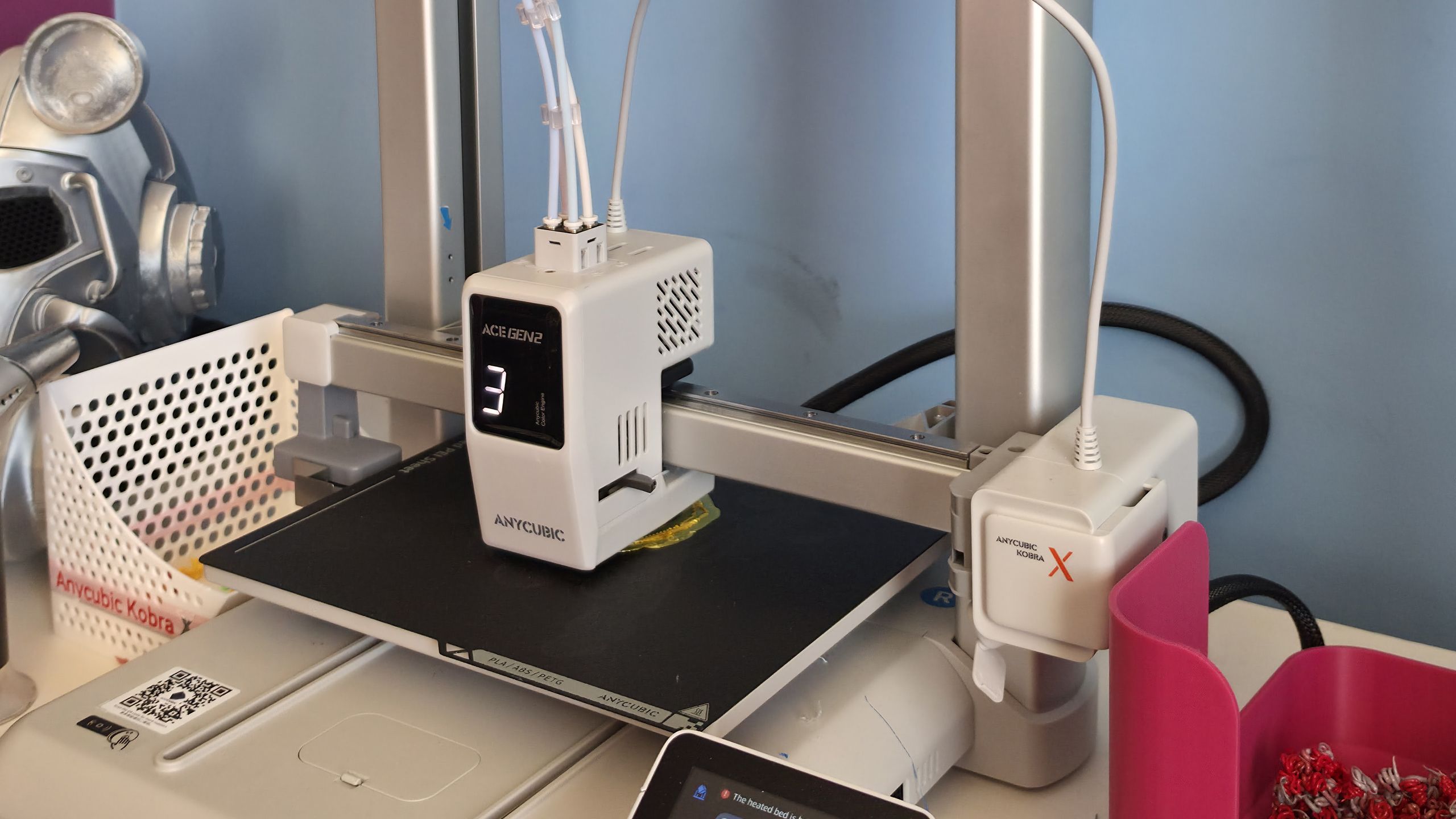
The Kobra X’s 4-color compatibility is designed to interface with multi-filament hubs that manage the loading and unloading of plastic strands during the printing process. This allows for the creation of complex prototypes, artistic models, and functional parts with distinct color coding in a single print job. Industry analysts suggest that multi-color capability is becoming a standard expectation for consumers, rather than a luxury add-on. By lowering the price of the Kobra X, Anycubic is positioning multi-color technology as a viable option for hobbyists who previously found the entry price of $500 to $800 prohibitive.
Market Analysis and Competitive Landscape
The timing of the Anycubic price reduction is likely a strategic response to the aggressive expansion of competitors like Bambu Lab and Creality. Bambu Lab’s A1 and A1 Mini series have recently disrupted the market by offering high-speed, multi-color printing with a highly polished user interface. Creality, another industry titan, has responded by updating its venerable Ender series with the V3 models, which boast significantly higher print speeds and improved automation.
By pricing the Kobra X at the £250–£280 ($300–$350) mark, Anycubic is targeting the "prosumer" gap—users who want more reliability than a bottom-tier budget printer but are not ready to invest in a $1,000 industrial workstation.
Supporting data from market research firms indicates that the global 3D printing market is projected to grow at a Compound Annual Growth Rate (CAGR) of approximately 20% through 2030. Within this growth, the "home and hobbyist" segment is expanding rapidly as software becomes more intuitive. The "barrier to entry" is no longer the hardware’s mechanical complexity, but rather the price of the ecosystem. Anycubic’s current discounting strategy suggests a move toward a "razor and blade" business model, where the hardware is sold at thin margins to encourage the long-term purchase of proprietary filaments and accessories.
Implications for the Education and Maker Sectors
The affordability of machines like the Kobra X has profound implications for STEM (Science, Technology, Engineering, and Mathematics) education. Schools and local libraries often operate on tight budgets; a £100 price drop allows these institutions to acquire multiple units for the price of one high-end machine.
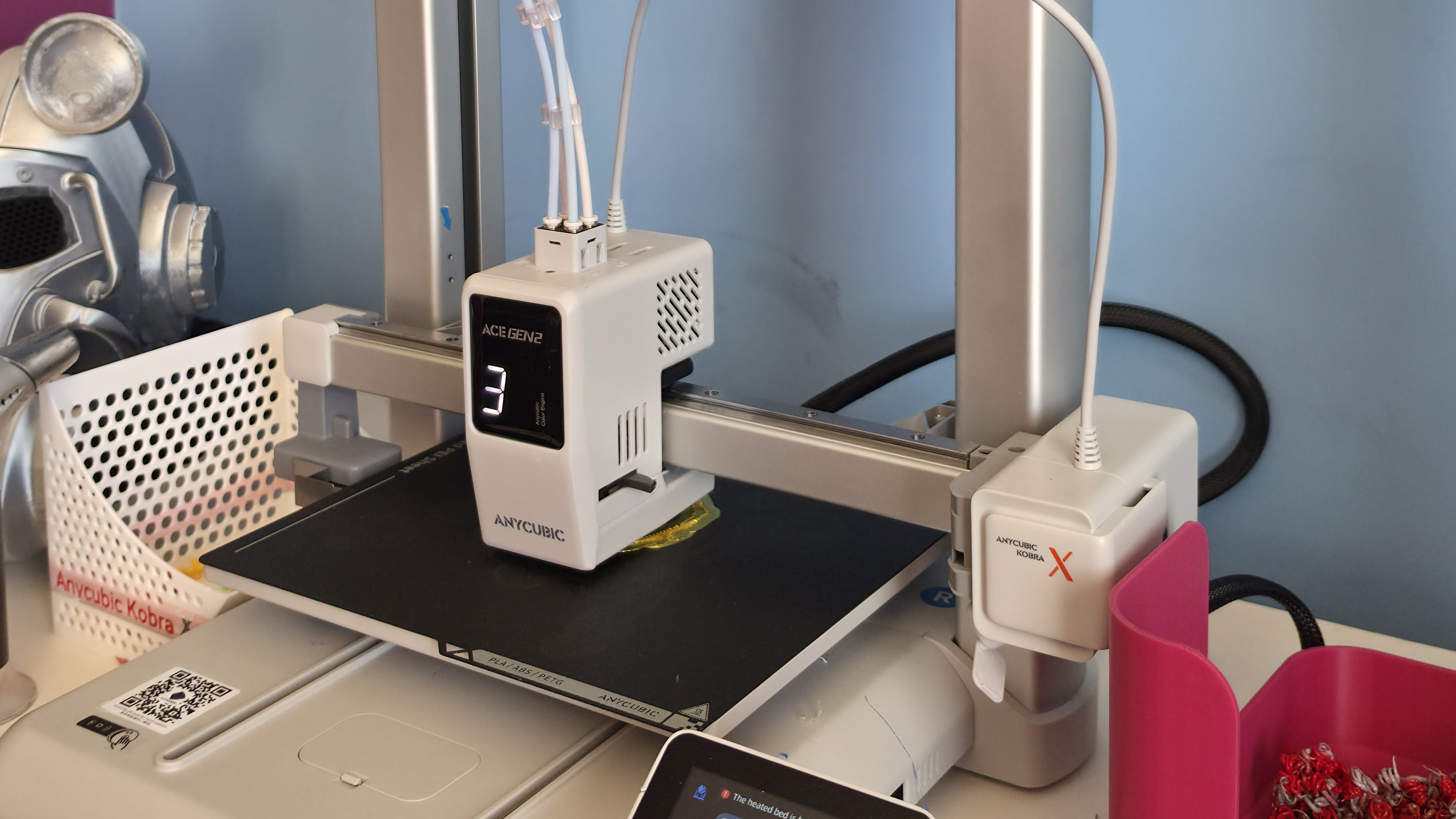
Furthermore, the Kobra X’s focus on being "beginner-friendly" reduces the technical overhead for educators. Features such as PEI spring steel build plates—which allow users to easily remove printed parts by simply bending the sheet—and automated leveling sensors minimize the downtime caused by user error. In a classroom setting, where a teacher might be managing thirty students and five printers, this level of automation is critical for the success of a 3D printing program.
Economic Context and Consumer Trends
The broader economic environment, characterized by inflation and fluctuating discretionary spending, has forced many tech companies to reconsider their pricing tiers. In the UK specifically, the cost-of-living crisis has led to a cooling of the hobbyist electronics market. Anycubic’s decision to drop the price of the Kobra X to its "lowest ever" in the UK is a calculated move to stimulate demand during a period of cautious consumer behavior.
Additionally, there is a growing trend toward "localized manufacturing." As global supply chains remain volatile, more individuals are using 3D printers to create replacement parts for household appliances, custom tools, and organizational hardware. A reliable, multi-material printer at a sub-£300 price point makes "printing it instead of buying it" a more mathematically sound proposition for the average household.
Chronology of Recent Developments in Consumer 3D Printing
- Late 2023: Major manufacturers begin integrating high-speed "Klipper-based" firmware into standard models, pushing print speeds from 50mm/s to over 250mm/s.
- Early 2024: Multi-filament systems become the primary marketing focus for Anycubic, Bambu Lab, and Creality.
- Mid-2024: Anycubic launches the Kobra 3 series with the ACE Pro unit, putting downward price pressure on earlier models like the Kobra X.
- Present: The Kobra X reaches its lowest historical price point, signaling a transition where multi-color capability moves from the "innovator" phase to the "early majority" phase of the technology adoption curve.
Future Outlook
As Anycubic clears inventory of the Kobra X through these significant discounts, industry observers expect the company to double down on its "Kobra 3" and "Photon" (resin) lines. The eventual phase-out of older bedslinger models is inevitable as CoreXY motion systems become cheaper to manufacture. However, for the next 18 to 24 months, the Kobra X is expected to remain a staple of the maker community due to its large install base and the availability of third-party parts.
The democratization of multi-color 3D printing represents a shift in the creative potential of the average user. No longer limited by the color of a single spool of plastic, makers can now produce objects that are aesthetically indistinguishable from mass-produced consumer goods. As prices continue to fall and functionality continues to rise, the 3D printer is transitioning from a niche tool for engineers into a standard appliance for the modern creative workshop.
In conclusion, the price reduction of the Anycubic Kobra X is more than a simple retail promotion; it is a reflection of a maturing industry. By making multi-color printing accessible for approximately £259, Anycubic is effectively lowering the floor for what is considered a "standard" 3D printing experience, forcing the rest of the market to follow suit or risk obsolescence in an increasingly competitive field.