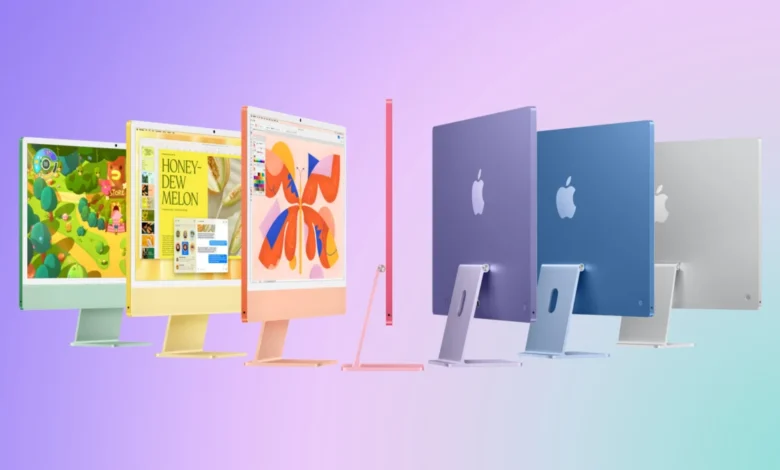
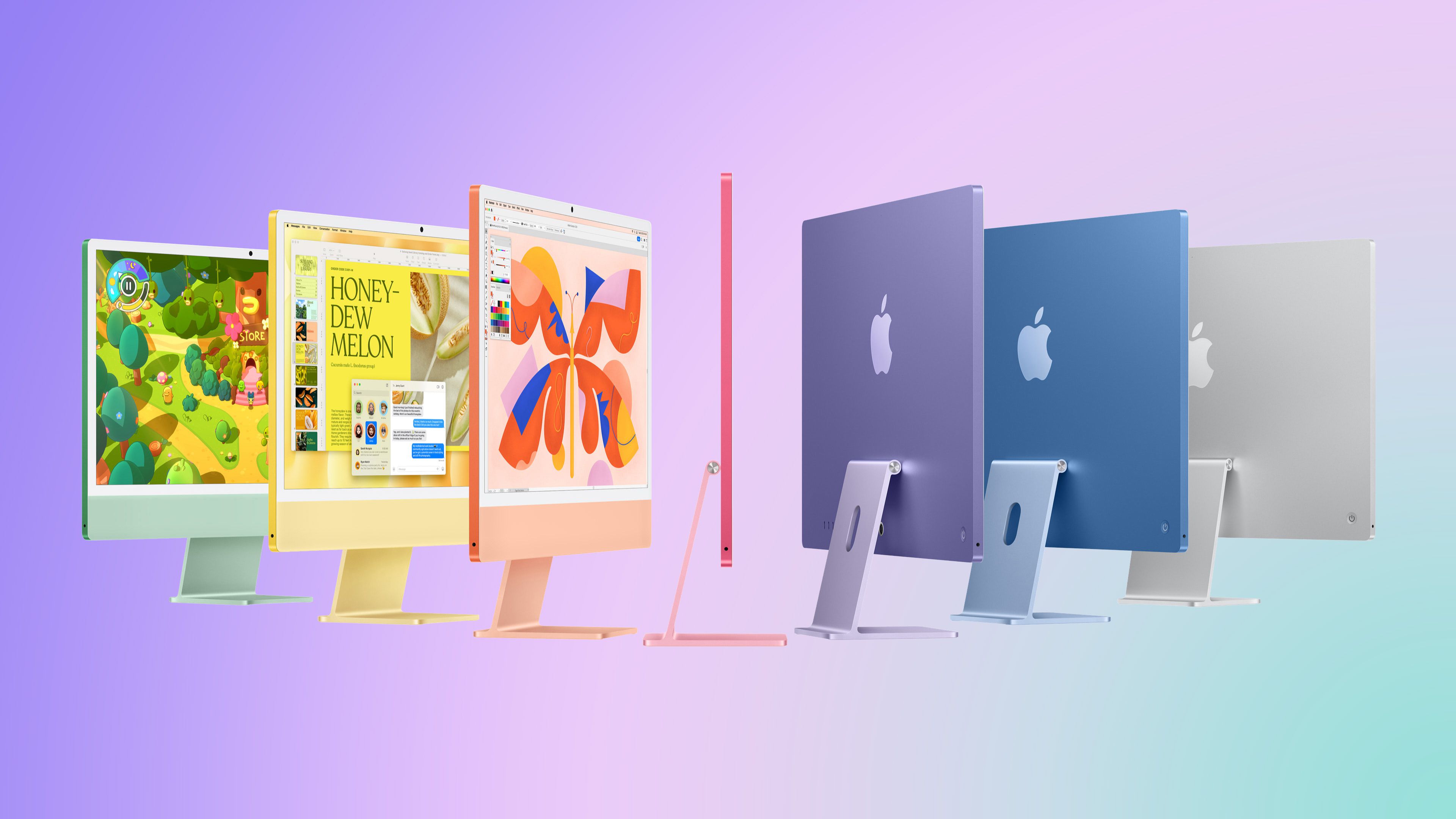
The debut of the latest Apple iMac, powered by the cutting-edge M6 silicon, has arrived with a notable lack of aesthetic surprises. Despite widespread industry anticipation fueled by credible reporting suggesting a refresh to the iconic color lineup, Apple has opted to retain the established aesthetic identity of its all-in-one desktop. Consumers looking to upgrade to the latest M6-equipped model will find themselves choosing from the same seven-color palette that has defined the iMac’s visual presence since its radical 2021 redesign.
A Consistent Aesthetic Strategy
Apple’s decision to maintain the current colorway—comprising green, yellow, orange, pink, purple, blue, and silver—highlights a calculated approach to brand consistency. The original 2021 iMac design introduced a playful, high-contrast look that departed significantly from the muted industrial grays of the previous decade. In 2024, Apple refined this approach, deepening the saturation on the rear chassis to provide a more vibrant finish, but the underlying hues remained tethered to the original launch palette.
The persistence of these colors suggests that Apple has achieved a high degree of customer satisfaction with this specific spectrum. Because the iMac includes color-matched Magic Keyboards, Magic Mice, and proprietary charging cables, the hardware serves as a cohesive lifestyle object rather than a mere computing peripheral. For many users, the color choice is a definitive part of the purchasing decision, making it a critical component of the iMac’s market appeal. By resisting the urge to rotate or expand the palette, Apple is betting on the continued popularity of its current "rainbow" aesthetic.
The Discrepancy Between Rumor and Reality
The persistence of the existing colors stands in stark contrast to expectations set earlier this year. In August 2026, Bloomberg’s Mark Gurman—a journalist with a consistent track record regarding Apple’s product pipeline—reported that consumers could expect "some new color options" for the M6 generation. This report catalyzed speculation across tech forums and design blogs, with many enthusiasts anticipating a more sophisticated, muted, or perhaps metallic-focused palette to coincide with the significant internal hardware jump to the M6 chip.
The absence of these promised additions has prompted discussions regarding Apple’s supply chain flexibility. While Apple frequently updates its accessory colors or limited-edition finishes, a total refresh of the iMac’s anodized aluminum housing involves significant logistics, including chemical bath processes and color-matching calibration for a suite of external peripherals. The decision to stick with the status quo may indicate a prioritization of manufacturing efficiency or a strategic decision to maintain the current design language for the remainder of the M6 lifecycle.
Technical Evolution: The M6 Powerhouse
While the exterior remains unchanged, the internal architecture of the new iMac represents a substantial leap in performance. The integration of the M6 chip—which was introduced to the Mac mini lineup just months prior—positions this iteration of the iMac as a high-performance machine capable of handling intensive professional workloads.
Beyond the raw processing power of the M6 silicon, Apple has introduced critical connectivity upgrades. The inclusion of the N1 networking chip marks a milestone in the iMac’s hardware evolution, bringing support for Wi-Fi 7 and Bluetooth 6. These upgrades ensure that the desktop remains future-proof, capable of leveraging the latest wireless standards for faster throughput and lower latency. Furthermore, the inclusion of a faster solid-state drive (SSD) architecture addresses a common pain point for creative professionals, offering improved read and write speeds that significantly reduce file export times and system responsiveness.
With a starting price of $1,499, the M6 iMac maintains its position in the premium consumer segment. This price point remains competitive when considering the inclusion of high-quality color-matched accessories, which would represent a significant additional cost if purchased separately.
Chronology of the 2026 iMac Launch
The rollout of the M6 iMac is part of a broader, aggressive late-year release schedule for Apple. Following a series of product announcements throughout October, the company has structured a deliberate launch calendar to maintain momentum through the holiday quarter.
- August 23, 2026: Initial reports emerge via Mark Gurman suggesting the arrival of M6-powered Macs and potential new colorways for the iMac.
- August 25, 2026: Apple officially integrates the M6 chip into the Mac mini, signaling the start of the M6 product cycle.
- October 18, 2026: Analysts confirm the likely release window for a variety of new hardware, including the M6 iMac and OLED MacBook Pro models.
- October 27, 2026: Apple officially announces the M6 iMac, confirming the hardware specifications while confirming the retention of the existing color palette.
- October 28, 2026: Official pre-orders open for the M6 iMac at 10:10 a.m. Pacific Time.
- November 6, 2026: The scheduled launch date, marking the first availability of the devices to the general public.
Broader Market Implications
The stagnation of the iMac’s color options serves as a reminder of the maturity of the current design. In the electronics industry, color is often used as a lever to drive upgrade cycles; by keeping the colors constant, Apple is signaling that the primary value proposition of the 2026 iMac is strictly internal performance.
This approach carries both benefits and risks. For the existing user base, the lack of a "new" look may decrease the incentive for those who already own a 2024 model to upgrade, unless their workflow demands the increased overhead of the M6 chip. However, for those on the 2021 or 2023 models, the upgrade offers a tangible improvement in networking and storage speed without requiring them to abandon an aesthetic they may have integrated into their home or office decor.
Moreover, the market’s focus is shifting toward Apple’s expanding ecosystem. As the company prepares for the launch of its smart home hub—rumored to feature a unique, nostalgic iMac G4-style design—the importance of the standard iMac’s appearance may take a backseat to more experimental hardware designs elsewhere in the lineup.
Analysis of the Consumer Experience
For the average consumer, the M6 iMac remains a compelling proposition. The "out-of-the-box" experience, characterized by the inclusion of peripherals that perfectly match the desktop chassis, remains unmatched by competitors. While the tech enthusiast community may express disappointment over the lack of new color choices, the vast majority of retail consumers prioritize performance and reliability.
By choosing to focus on the N1 networking chip and the M6 processing core, Apple has ensured that the iMac remains a primary workstation for a wide range of users, from students and families to independent content creators. The stability of the hardware design, combined with the jump in internal capabilities, suggests a product that is designed for longevity. As we move into the end of 2026, the M6 iMac stands as a testament to Apple’s commitment to internal hardware iteration, even when the external visual identity remains firmly rooted in its successful recent past.
As the pre-order window opens, the market will soon determine whether the lack of visual variety impacts sales. However, given the significant performance gains offered by the M6 and the integration of Wi-Fi 7, it is likely that this iMac will continue to be a staple in the Apple lineup for the foreseeable future, color options notwithstanding.