Apple Set to Unveil Groundbreaking OLED Touchscreen MacBook Pro Models at Special Pro and Tell Event

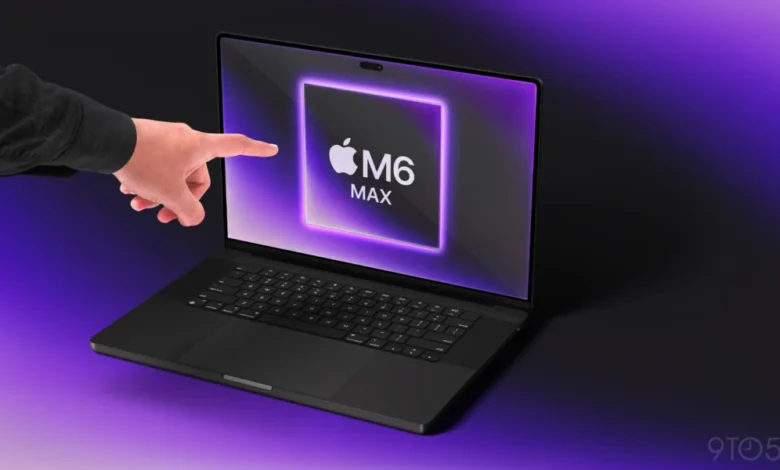
Apple Inc. is gearing up for one of its most significant hardware shifts in over a decade as it prepares to host its highly anticipated "Pro and Tell" special event. Industry insiders and supply chain analysts expect the Cupertino-based technology giant to finally bridge the long-standing gap between its mobile operating systems and desktop ecosystem by introducing the first-ever MacBook Pro models equipped with OLED touchscreens.
Ahead of the official keynote, fresh leaks and comprehensive reports from seasoned tech journalists have shed light on pricing strategies, hardware specifications, and the internal corporate decisions that led to this monumental pivot. For years, Apple executives—most notably late co-founder Steve Jobs—famously dismissed the utility of touchscreens on traditional laptops, arguing that vertical touch interfaces lead to arm fatigue and poor ergonomics. However, shifting consumer expectations, advancements in display technology, and evolving industry standards have ultimately forced a change in corporate philosophy.
The forthcoming MacBook Pro lineup represents a massive engineering and marketing overhaul. Beyond the inclusion of touch-sensitive panels, the new machines are slated to feature vibrant OLED display technology, the implementation of Apple’s signature Dynamic Island, a dramatically thinned chassis, and a specialized hinge mechanism designed to withstand physical interaction without destabilizing the screen. As consumers and investors look toward tomorrow’s announcements, the computing world stands on the brink of a new design paradigm.
A Look Back at the Evolution of Apple’s Touch Strategy
To understand the magnitude of tomorrow’s anticipated announcement, it is necessary to examine the historical trajectory of Apple’s product design philosophy. When Apple introduced the iPad and eventually iOS-driven tablets, the company maintained a strict boundary between touch-first mobile devices and cursor-driven macOS computers. While competitors in the Windows ecosystem rapidly adopted touchscreens, convertibles, and hybrid laptops throughout the 2010s, Apple staunchly defended the traditional trackpad-and-keyboard configuration for Macs.
The closest Apple ever came to bridging this gap was the introduction of the Touch Bar in 2016, a secondary OLED strip situated above the keyboard that replaced traditional function keys. While the Touch Bar offered contextual shortcuts for various applications, it received a mixed reception from professional users and developers. Many consumers found it gimmicky, and it failed to replicate the intuitive nature of a full touchscreen display. Apple eventually phased out the Touch Bar in subsequent MacBook Pro redesigns, returning to physical function keys much to the relief of power users.
Internally, however, the landscape was changing. According to recent reports detailing the genesis of the touchscreen MacBook Pro project, the initiative received the green light approximately four years ago. CEO Tim Cook reportedly intervened after reviewing customer feedback and market trends, succinctly instructing his hardware teams to move forward with development. John Ternus, Apple’s senior vice president of Hardware Engineering, spearheaded the effort. Sources indicate that Ternus championed the view that touchscreens had evolved from a novel luxury into an absolute industry standard—often referred to in tech circles as "table stakes"—meaning Apple risked falling behind competitors if it continued to ignore the technology.
Pricing Strategy and Market Positioning
One of the most heavily discussed aspects of the upcoming release is the expected retail pricing. Apple has never positioned its Pro-tier laptops as budget-friendly, but the inclusion of OLED touchscreen technology is projected to push hardware costs to unprecedented heights for mainstream consumer laptops.
Industry reporting indicates that Apple has discussed a baseline price of $2,899 for the 14-inch MacBook Pro model configured with the M5 Pro chip. If Apple maintains its traditional pricing delta—typically a $400 markup for increased screen real estate—the larger 16-inch variant is expected to command a starting price of at least $3,399. To put these figures into historical perspective, a $2,899 starting price for the 14-inch model would eclipse the record set in 2006 when Apple charged $2,799 for its classic 17-inch MacBook Pro variant. Furthermore, when compared against the baseline prices of the existing M5 Pro MacBook Pro configurations prior to mid-year price adjustments, the new touchscreen iterations represent a staggering premium increase of at least $700 over a span of just four months.
Crucially, market analysts note that Apple does not intend to sunset its existing non-touch inventory immediately. Reports confirm that retail stores remain heavily stocked with current-generation 14-inch (previously priced around $2,499) and 16-inch ($2,999) non-touch MacBook Pros. Apple plans to keep these conventional clamshell models in the active lineup, allowing them to serve as a slightly more accessible entry point into the Pro tier. Consequently, the new OLED touchscreen models will occupy the absolute pinnacle of Apple’s portable computing hierarchy. Consumers who desire the latest architectural and ergonomic redesigns will be compelled to absorb the substantial price premium, whether they intend to utilize the touch interface or not.
Engineering Marvels: Redesign, Cooling, and Hardware Specs
The introduction of touchscreens to macOS hardware required profound structural re-engineering. Designing a display that responds accurately to fingertip pressure without wobbling or shifting backward under force required entirely new mechanical solutions.
According to leaked technical details, Apple engineers developed a completely redesigned hinge system. This proprietary hinge is specifically engineered to provide firm resistance when the user interacts directly with the glass panel, ensuring stability during typing, drawing, or swiping gestures. In tandem with the structural changes, the overall physical profile of the laptop has been significantly refined. The new MacBook Pro models will feature noticeably thinner bezels, a reduction in overall thickness, and a substantially lighter body weight compared to their predecessors.
Thermal management presented another formidable challenge for the engineering team. Integrating advanced OLED panels and high-performance processing chips within a thinner chassis demands exceptional cooling efficiency. To resolve this, Apple has reworked the internal cooling architecture. The newly designed thermal system cleverly routes airflow directly through the newly engineered hinge structure, optimizing ventilation while simultaneously shedding unnecessary grammage to achieve a lighter device overall.
In addition to the display and chassis updates, the hardware is expected to incorporate the visual hallmark of Apple’s recent mobile and desktop designs: the Dynamic Island. While the Dynamic Island has served primarily as a software-hardware interface for notifications and live activities on iPhones, its integration into the MacBook Pro bezel suggests new paradigms for system status indicators, webcam housing, and interactive notifications within macOS.
Launch Timeline and Availability

The logistical rollout for the new hardware is slated to move at a rapid pace. Following tomorrow’s special "Pro and Tell" event, Apple is expected to open official preorders for the OLED touchscreen MacBook Pro models on Wednesday, October 28.
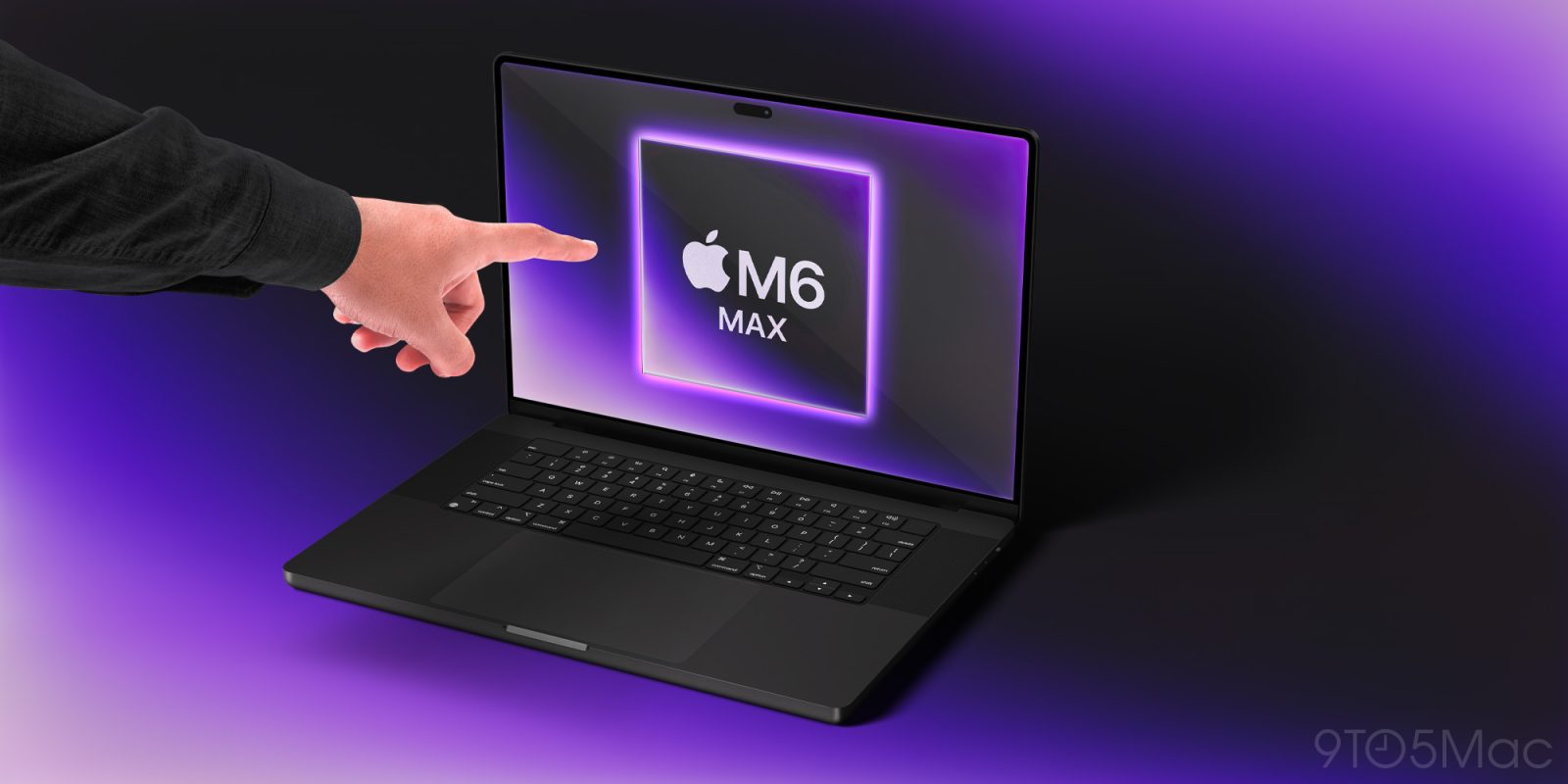
Customer shipments and in-store retail availability are projected to commence as early as November 6. This rapid turnaround aligns with Apple’s traditional product release cadence, ensuring that the new flagship devices reach consumers ahead of the critical year-end holiday shopping season. Additionally, the touchscreen MacBook Pros will debut alongside other anticipated hardware announcements, including new M6-powered Mac configurations, signaling a comprehensive autumn refresh across Apple’s entire desktop and laptop ecosystem.
Broader Industry Impact and Strategic Implications
The pivot toward touch-enabled macOS hardware carries profound implications for the personal computer industry. For over a decade, software developers have maintained distinct design guidelines for iOS/iPadOS applications—which rely on touch targets, spatial awareness, and direct manipulation—and macOS applications, which are optimized for precise cursor movements, multi-window multitasking, and keyboard shortcuts.
By introducing touchscreens to the MacBook Pro line, Apple is implicitly encouraging developers to build more cohesive, cross-platform experiences. While macOS will undoubtedly remain fundamentally tailored to keyboard and trackpad input, the ability to interact directly with native Mac applications could transform workflows in creative industries such as digital illustration, video editing, music production, and UI/UX design.
Furthermore, Apple’s entry into the OLED touch-laptop market places direct pressure on incumbent PC manufacturers. While brands like Dell, HP, and Lenovo have offered Windows-based OLED touch laptops for years, Apple’s entry brings mainstream validation and intense marketing power to the form factor. This could spur a new wave of competitive innovation across the high-end computing sector, forcing rivals to elevate their display quality, build materials, and processor efficiency.
As the tech industry tunes in to tomorrow’s broadcast, all eyes will be on Cupertino to see how Apple presents this strategic evolution. Whether professional users embrace the touchscreen interface or view it as an expensive luxury, the launch marks a definitive turning point in the history of the Mac.