The Rise of Kleinification: How an H3 Podcast Cheating Scandal Fueled a Viral AI Meme Wave

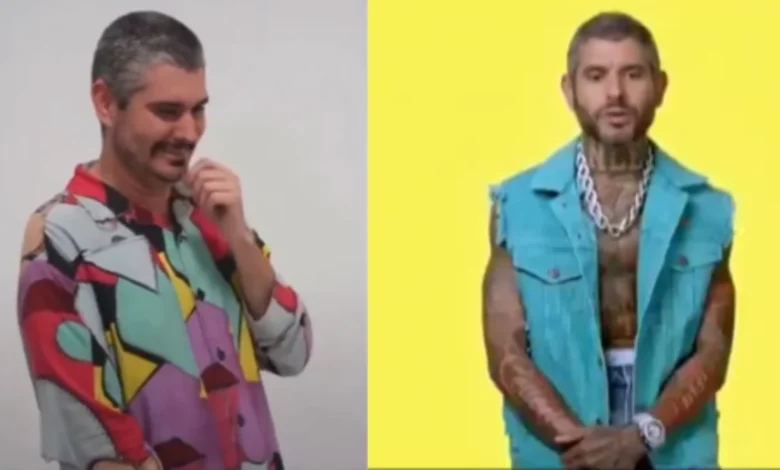
The digital landscape has once again demonstrated its capacity to rapidly synthesize real-world controversy into absurd, algorithmically driven humor. In late October 2026, the internet and social media platforms experienced a massive surge in synthetic media trends colloquially dubbed "Kleinification" or "Ethan Klein AI Edits." This phenomenon centers on the deployment of advanced artificial intelligence video generation and face-swapping tools to insert Ethan Klein, the prominent media personality and former host of the H3 Podcast, into a diverse array of viral clips, television segments, and interviews. These digital creations directly reference a major personal scandal that shook the digital creator economy in October 2026, involving allegations of infidelity and a subsequent corporate and personal fallout.
While utilizing AI to satirize public figures is not a new phenomenon—most notably seen in the "Kirkification" trend following the death of political commentator Charlie Kirk—the scale, speed, and thematic consistency of the Kleinification trend highlight an evolving intersection between modern scandal reporting and generative AI subculture. As platforms like X (formerly Twitter), TikTok, and YouTube continue to lower the barrier for high-fidelity face-swapping and video manipulation, public humiliations are increasingly memorialized not just in text and standard reaction videos, but through surreal, hyper-personalized algorithmic parodies.
Background Context of the October 2026 Controversy
The genesis of the Kleinification trend lies in a dramatic public disclosure made on October 23rd, 2026. Hila Klein, Ethan Klein’s long-time spouse, co-host of the H3 Podcast, and business partner, took to Instagram to publish a detailed and emotionally charged statement. In the post, she revealed that Ethan had been engaged in an extramarital affair spanning approximately six months.
The revelation sent immediate shockwaves through the YouTube community and the dedicated fan base of the H3 Podcast. Within hours, online sleuths and community members began speculating on the identity of the other individual involved in the affair. Rumors quickly concentrated on Tamara Joseph, a production crew member associated with the H3 Podcast. These speculations gained substantial traction after observant users noted sudden shifts in social media connectivity among the show’s staff, most notably Hila Klein unfollowing Joseph across multiple platforms.
Faced with mounting public pressure, intense media scrutiny, and the profound personal fallout of the revelation, Ethan Klein announced his immediate departure from the H3 Podcast. The sudden exit of the primary host effectively paralyzed one of YouTube’s most enduring and high-profile long-form talk and comedy programs, leaving millions of subscribers and digital media analysts to parse the sudden collapse of a foundational internet media brand. The magnitude of the fall—transitioning from a multi-person production powerhouse to an abrupt cessation of operations—created a massive vacuum in the online news cycle, which was quickly filled by user-generated satire.
Chronology of the Viral AI Meme Wave
The transformation of a deeply personal marital crisis into a widespread internet meme occurred with astonishing rapidity. The timeline of the viral wave underscores the velocity at which modern digital communities process and weaponize generative technology.
On October 23rd, 2026, the initial announcement by Hila Klein went viral, triggering widespread media coverage and intense discussions across Reddit, X, and TikTok. Users dissected every line of Hila’s statement, framing the betrayal within the context of the couple’s two-decade history together and their public persona as a tight-knit family and business unit.
By October 25th, the first major wave of generative AI parodies emerged. An X user operating under the handle @CalloutsX published an AI-generated video that utilized face-swapping technology to replace participants on a popular dating show format with likenesses of Ethan Klein and Tamara Joseph. The clip resonated instantly within algorithmic feeds, accumulating over 1,400 likes and crossing the 2.5 million views threshold within four days of publication. The momentum was further amplified when prominent secondary accounts, such as user @aubtonomy, reposted the synthetic video, driving an additional 22,000 likes and exposing the trend to a broader audience outside the immediate H3 Podcast fandom.
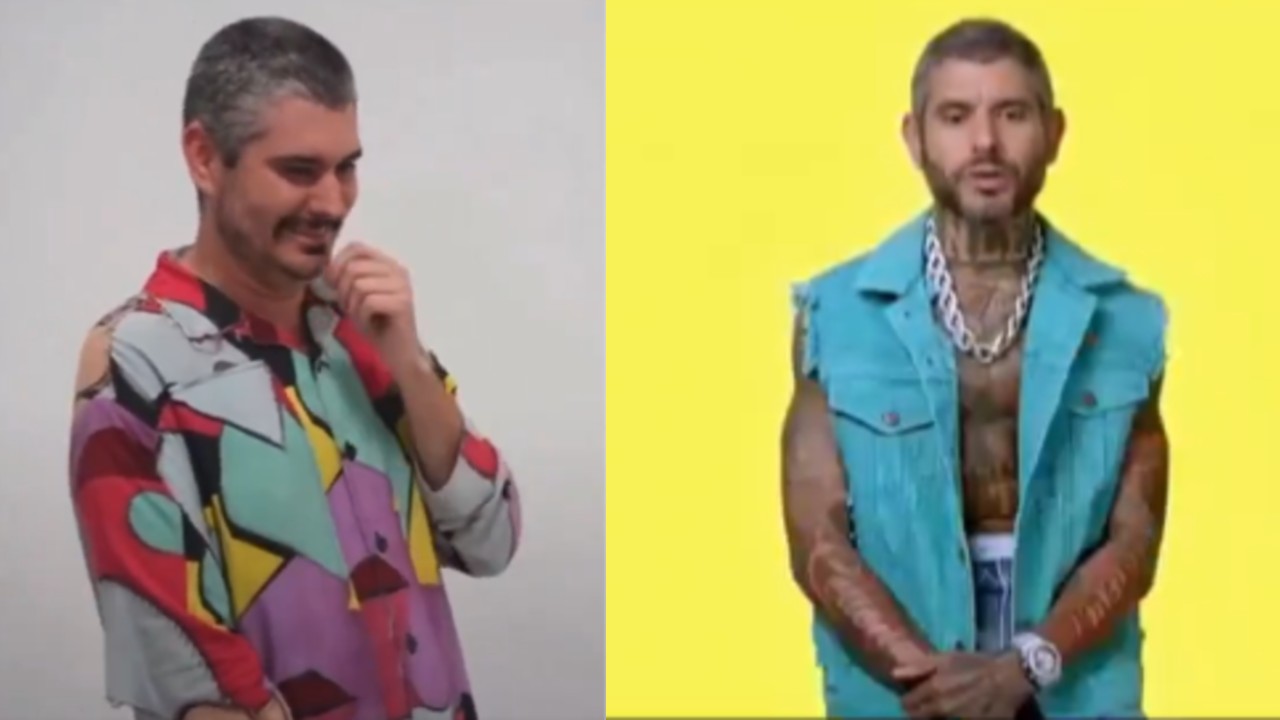
As the weekend progressed, creators on multiple platforms began experimenting with different contexts for the face-swapped media. On October 25th, X user @realchittalker shared an AI edit that superimposed Ethan Klein’s face onto rapper NLE Choppa during a well-known Genius Verified lyric breakdown interview. The juxtaposition of a corporate and podcasting personality within the hyper-stylized framework of a hip-hop lyric analysis video drew over 2,300 likes in four days, demonstrating the comedic flexibility of the format.
Simultaneously, the trend migrated heavily onto TikTok, a platform uniquely optimized for rapid short-form video consumption and algorithmic loops. On October 26th, TikTok creator @gmcnews published an AI video compilation featuring synthesized representations of Ethan, Hila, and Tamara. The video amassed over 260,000 views in just three days. Capitalizing on the rapid engagement, the same creator published a subsequent edit on October 28th, which surpassed 333,000 views within twenty-four hours. This iteration was subsequently reposted to X by user @blggesthater, accompanied by commentary highlighting the surreal nature of the trend for those involved in the real-world controversy. This cross-platform syndication generated an additional 33,000 likes in a single day, cementing Kleinification as a dominant digital culture talking point of the week.
Technical Analysis and Public Reception
The rapid deployment of Kleinification edits highlights the current state of generative AI tools accessible to everyday internet users. Platforms capable of high-resolution face-swapping, voice modulation, and neural video generation have evolved to the point where amateur creators can produce convincing, albeit uncanny, pastiches within minutes of a major news event breaking.
The public reception to the trend has been sharply divided, reflecting broader cultural debates surrounding parasocial relationships, digital ethics, and the limits of internet humor. Supporters of the trend argue that the memes serve as a coping mechanism or a form of cathartic satire directed at public figures who have spent years broadcasting their private lives for profit. From this perspective, the use of AI to place Ethan Klein into absurd, embarrassing, or completely disconnected scenarios functions as a contemporary digital public pillory—a direct descendant of traditional political cartoons and celebrity gossip caricature.
Conversely, critics and ethics watchdogs have raised concerns regarding the psychological impact of generative media on individuals undergoing real-world trauma. The ability for bad actors or casual internet users to synthesize endless variations of a scandal victimizes not only the primary subjects of the controversy, such as Hila Klein, but also peripheral figures who may or may not have sought public exposure. The phenomenon forces participants of a broken marriage and dissolved business partnership to navigate an online ecosystem where their private pain is continuously looped, remixed, and monetized through algorithmic engagement loops.
Broader Implications for Digital Media and Generative AI
The emergence of Kleinification and comparable trends points toward a troubling and complex future for online reputation management and the coverage of public scandals. As generative video and image models become more sophisticated, the latency between a real-world event and its synthetic satirical adaptation is shrinking to near-zero.
For digital creators and media organizations, this trend signals a paradigm shift in how audience fallout manifests. Historically, public relations crises were managed through formal statements, apologies, or temporary retirements from the public eye. Today, creators must contend with an immutable digital shadow cast by artificial intelligence—one where their likeness can be hijacked by anonymous users to participate in infinite, un-deletable narrative loops across decentralized platforms.
Furthermore, the comparison between Kleinification and historical meme formats, such as the aforementioned "Kirkification" trend, illustrates a maturation in how digital natives process grief, shock, and corporate collapse. Rather than relying solely on text-based commentary or static image macros, internet subcultures now possess a full suite of synthetic media tools capable of generating custom narrative scenarios on demand.
As regulatory bodies, social media platforms, and legal experts continue to grapple with the ethical boundaries of deepfakes and non-consensual likeness manipulation, phenomena like the Ethan Klein AI edits serve as a persistent stress test for the digital age. They expose the fine line between free expression through satire and the psychological toll of living in an era where anyone’s likeness can be instantaneously weaponized for algorithmic entertainment.
Related posts: