Apple Breaks Its Own Taboo: Unveiling the Touchscreen MacBook Pro with PROLED XDR Display in Los Angeles

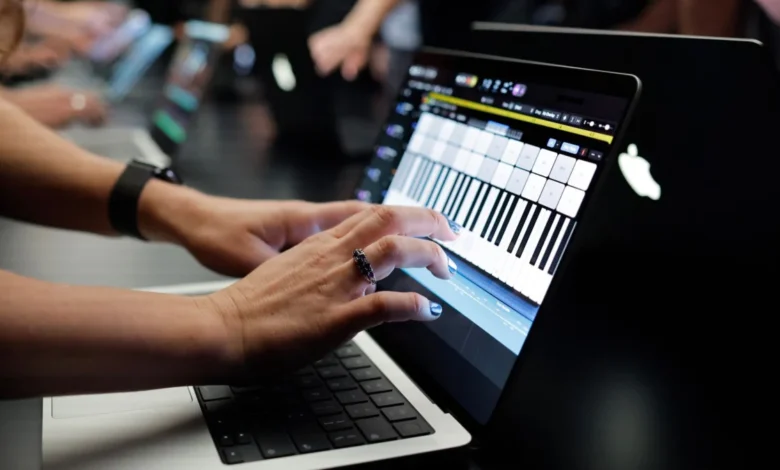
Apple Inc. has officially crossed a design threshold that many industry analysts once considered permanently closed, introducing the first-ever touchscreen MacBook Pro during a high-profile hardware event in Los Angeles. Led by Apple executives, including John Ternus, the company showcased the newly minted MacBook Pro equipped with a proprietary PROLED XDR display and native touch functionality. This launch represents a monumental strategic pivot for the Cupertino-based tech giant, reversing a long-standing company philosophy regarding human-computer interaction on desktop and laptop form factors.
The announcement immediately reignited industry-wide discussions surrounding the late Apple co-founder Steve Jobs’s famous 2010 denunciation of vertical touch surfaces. At the time, Jobs vehemently argued that vertical touchscreens were ergonomically unsustainable, asserting that users would experience rapid physical fatigue and strain after extended periods of interacting with an upright display. For more than a decade, Apple strictly maintained this design philosophy, separating its product ecosystem into touch-first mobile devices—such as the iPad and iPhone—and cursor-driven traditional computing platforms like macOS.
However, the debut of the MacBook Pro with PROLED XDR Display signals a pragmatic evolution in Apple’s engineering mindset. Rather than positioning touch as a mandatory, core paradigm shift that supersedes traditional input methods, Apple has framed the capability as a supplementary, highly polished layer designed to enhance professional workflows.
Chronology of a Paradigm Shift: From Jobs to the Modern Mac
To understand the magnitude of this release, one must examine the timeline of Apple’s stance on touch-enabled personal computers.
In June 2010, during a quarterly earnings call and subsequent product announcements, Steve Jobs delivered his definitive critique of touch-enabled notebooks. "Touch surfaces don’t want to be vertical," Jobs declared, outlining a vision of ergonomics that prioritized the horizontal trackpad and physical keyboard. For thirteen years following Jobs’s passing, successive executive teams—including CEO Tim Cook and senior software and hardware engineering leads—upheld this principle, repeatedly rebuffing consumer and media queries regarding a potential touchscreen Mac. Apple engineers instead poured resources into refining the trackpad, eventually introducing Force Touch technology, and expanding the capabilities of iPadOS to bridge the gap between tablets and laptops.
Rumors regarding internal testing of touchscreen Macs began circulating in earnest around late 2022 and 2023, as supply chain analysts reported that Apple engineers were actively prototyping OLED-based touch panels for potential inclusion in future MacBook Pro models. The culmination of these multi-year development efforts materialized in Los Angeles, where Apple finally lifted the veil on a device that harmonizes traditional macOS precision with modern capacitive touch technology.
Hardware and Software Integration: The PROLED XDR Display
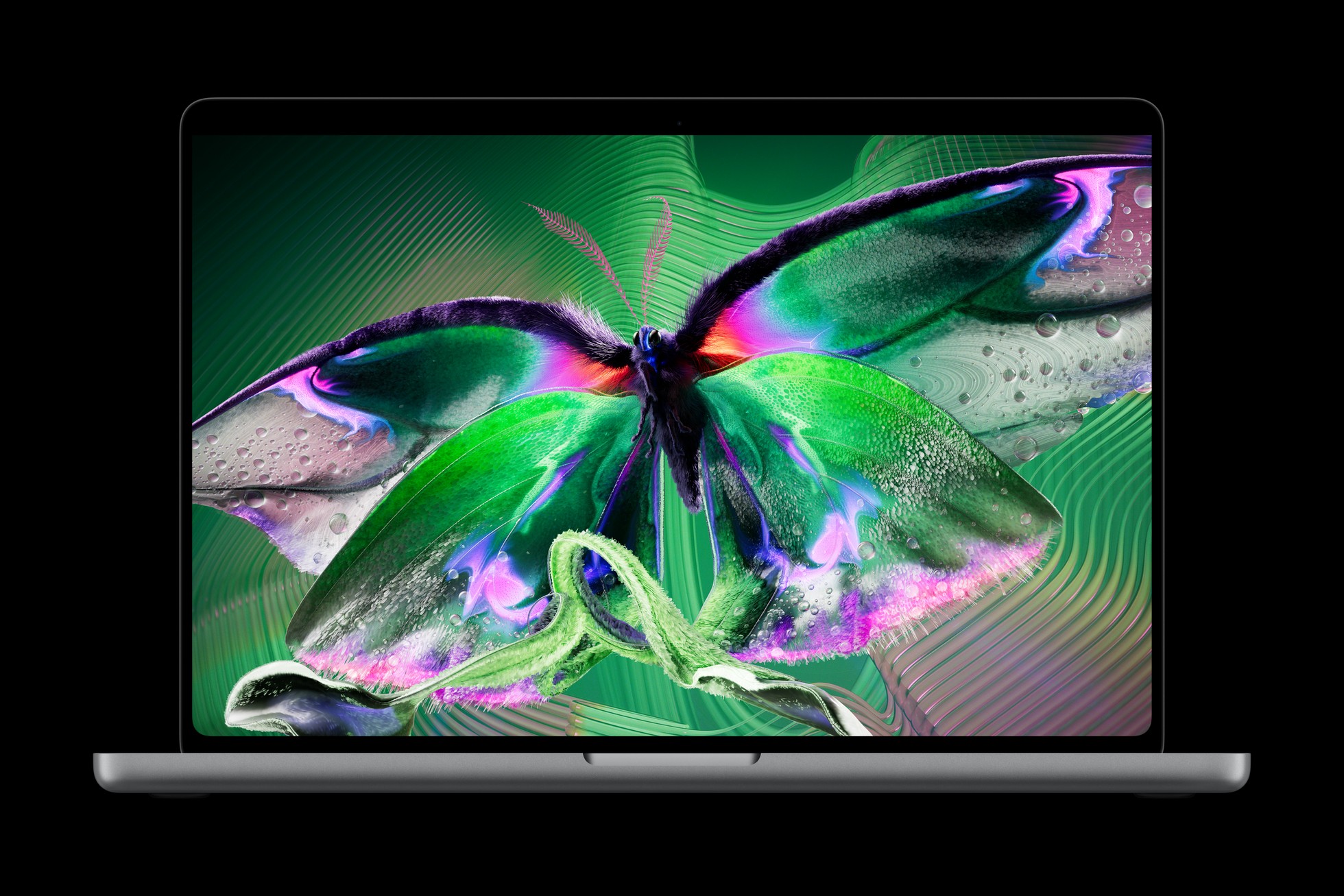
The defining centerpiece of the new laptop is its PROLED XDR display, a moniker that continues Apple’s tradition of proprietary brand nomenclature. Observers at the launch event noted that the display panel delivers exceptional brightness, deep contrast ratios, and precise color calibration tailored for creative professionals, photographers, and video editors.
Crucially, the integration of touch input required a comprehensive overhaul of both hardware reinforcement and software ergonomics. Industry testers at the Los Angeles launch event reported that Apple reinforced the laptop’s display hinges to mitigate physical screen wobble—a common engineering challenge when applying force to an upright laptop panel. While some minor screen rebound remains perceptible during aggressive physical interactions, the mechanical stability represents a significant improvement over generic aftermarket solutions or early proof-of-concept Windows laptops.
On the software side, macOS has been subtly adapted to accommodate touch without compromising its window-management fidelity. Rather than forcing a mobile-style interface onto a desktop environment, Apple implemented micro-adjustments within the operating system. For instance, standard window controls—such as the close, minimize, and expand buttons—dynamically enlarge the moment a user’s finger approaches the display, mitigating the inherent precision issues of working with a vertical glass interface.
Professional Utility and Creative Workflows
Initial hands-on evaluations indicate that the touchscreen functionality serves specific, high-value niches within professional workflows rather than demanding a complete behavioral overhaul from the user.
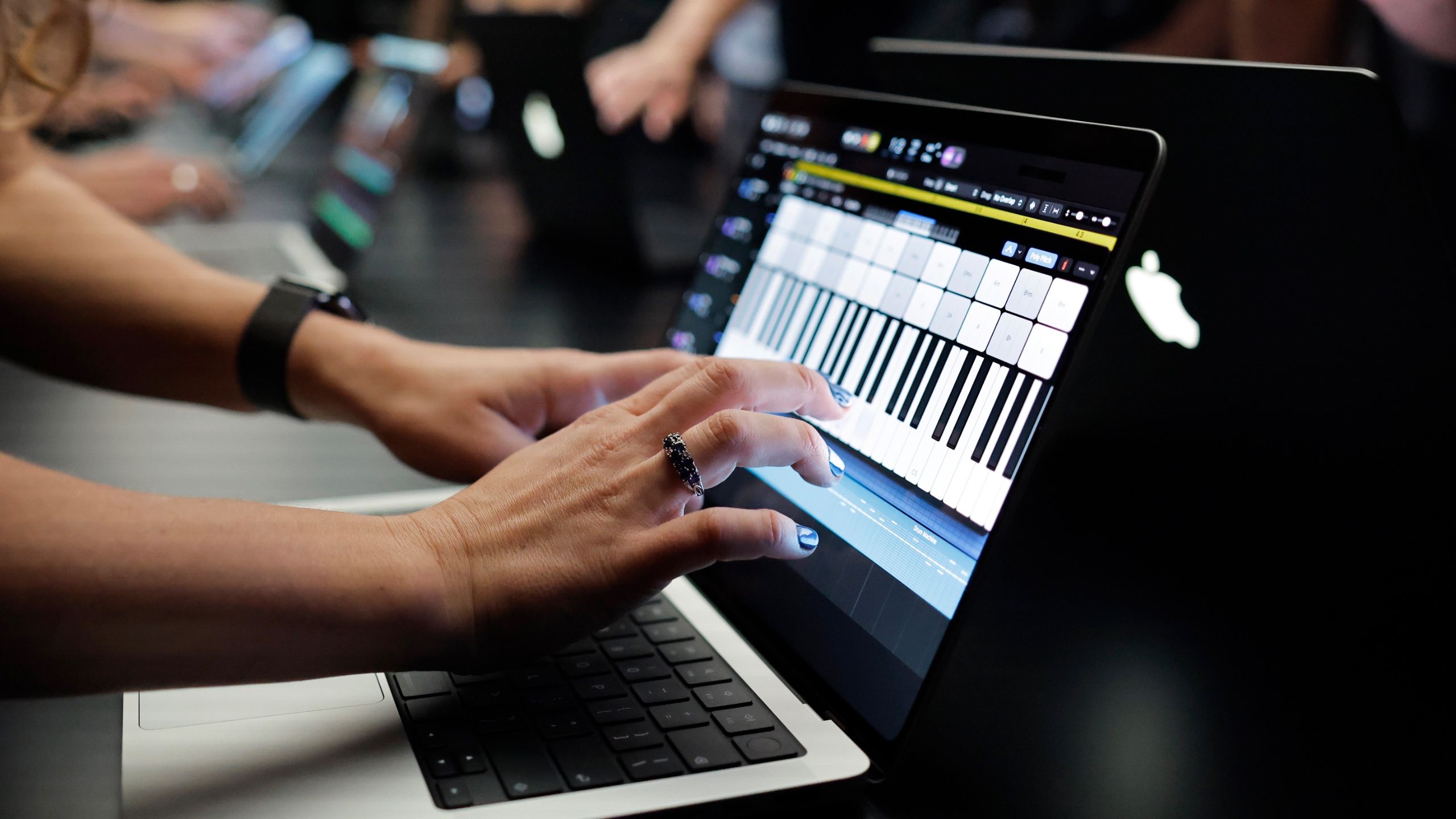
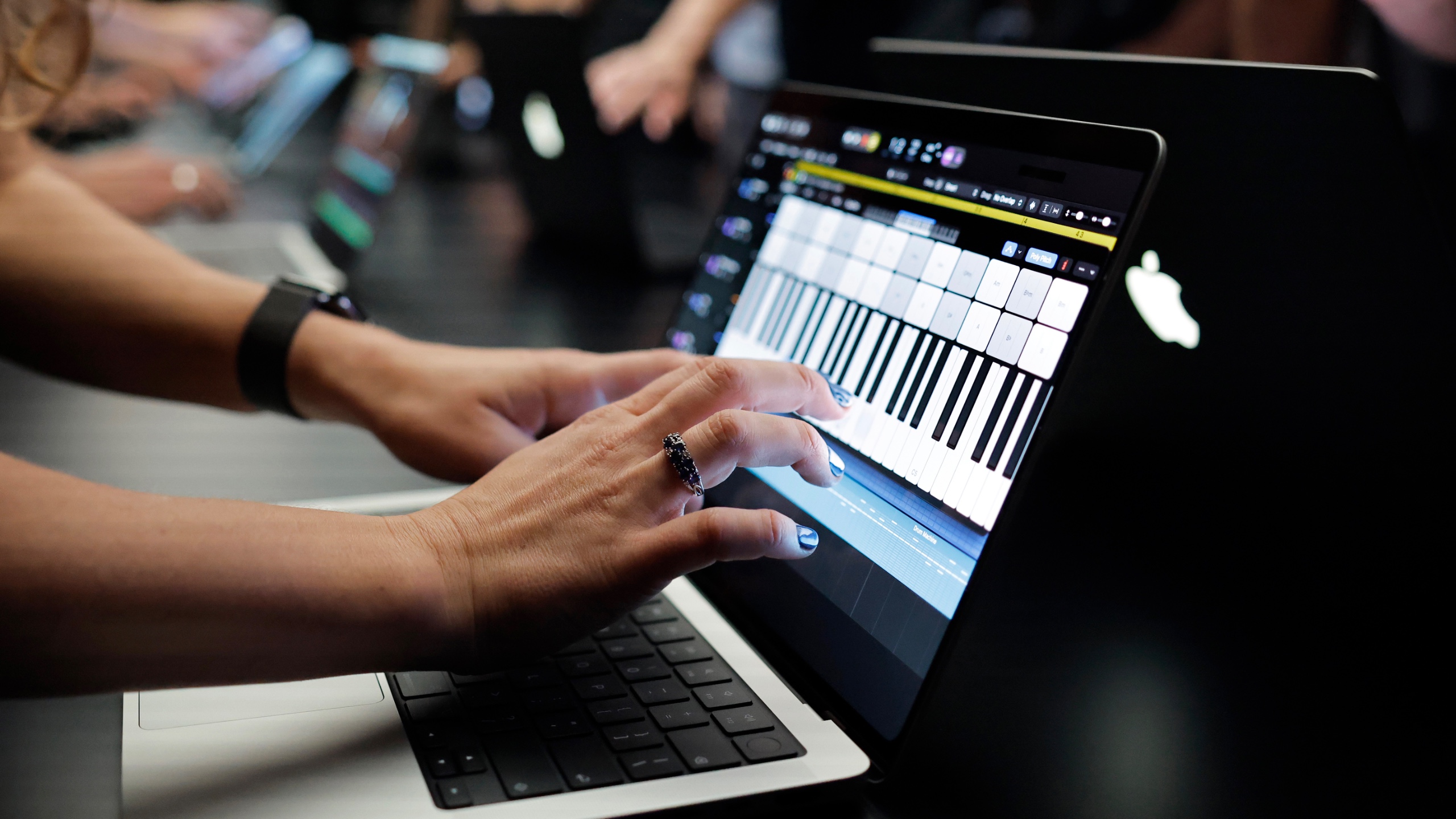
Creative professionals working within Apple’s native software ecosystem stand to benefit the most from the new input method. During demonstrations, users were able to seamlessly scrub through complex video timelines in Final Project Pro, manipulate virtual musical instruments and audio mixing boards within Logic Pro, and execute fluid pinch-to-zoom gestures across high-resolution image libraries and cartographical software.
Despite these additions, Apple’s marketing and presentation strategy made it explicitly clear that the MacBook Pro remains a cursor-and-keyboard-first device. The trackpad and keyboard continue to be the primary tools for heavy text input and precision editing, while touch operates as a secondary, highly intuitive layer of convenience. This nuanced positioning has helped quell early skepticism from purists who feared the introduction of touch might dilute the efficiency of macOS.
Market Impact, Pricing, and Availability
The introduction of the touchscreen MacBook Pro arrives at a critical juncture for the global personal computer market, which has experienced fluctuating demand following the post-pandemic hardware boom. By integrating touch into its flagship professional line, Apple aims to capture creative users who have long debated between the tactile versatility of Microsoft Windows-based 2in1 convertibles and the raw computational performance of Apple Silicon.
Industry analysts suggest that by avoiding overly aggressive branding around the touch feature—choosing instead to highlight the broader suite of performance enhancements and the PROLED XDR display—Apple has successfully mitigated the risk of alienating traditional pro users.
Pre-orders for the MacBook Pro with PROLED XDR Display are officially open globally, with base configurations starting at $2,899 USD. Initial shipping dates and broader retail availability are scheduled to commence in the coming weeks, setting the stage for what will undoubtedly be one of the most heavily scrutinized hardware rollouts in Apple’s recent history. As developers begin optimizing third-party applications for touch-enabled macOS, the true long-term impact of this historical design reversal will become clearer across studios, offices, and creative agencies worldwide.