Nagi and Pokke: The Tokyo Goats Hired by Japan Rail to Tackle Urban Overgrowth Capture Global Social Media Sensation

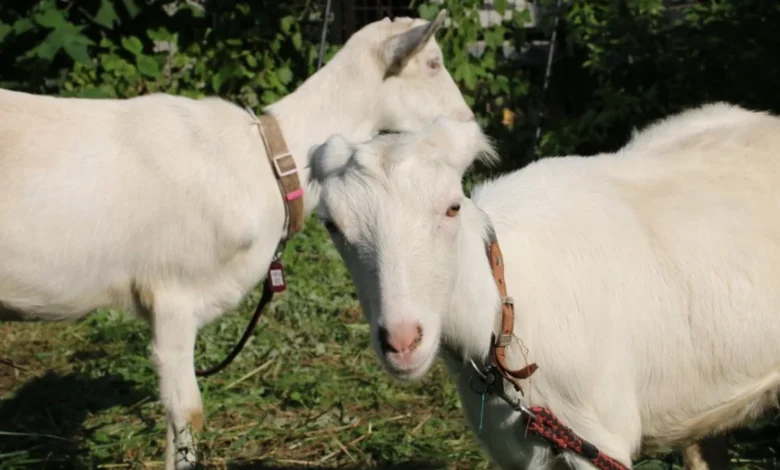
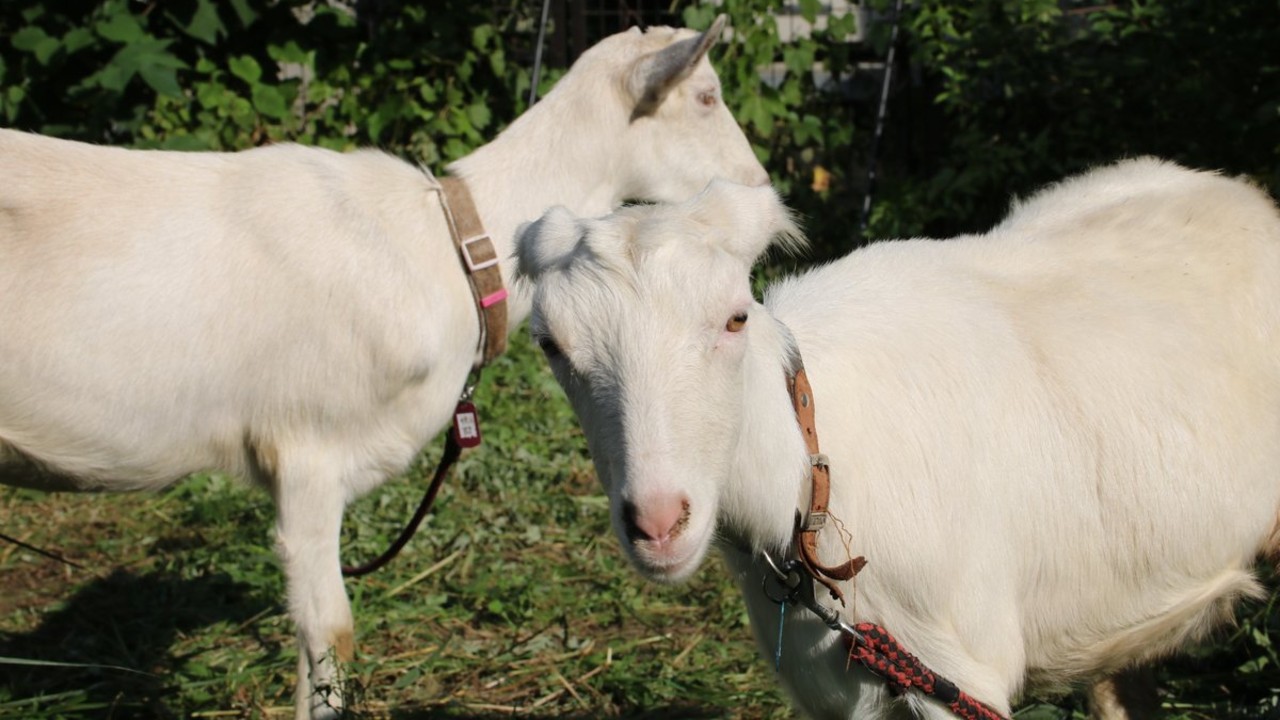
Nagi and Pokke have become an unexpected internet phenomenon after being deployed by Japan Rail to manage overgrown vegetation near a railway station in Yotsuya, a bustling commercial and residential district situated within Shinjuku, Tokyo. What began as a practical, eco-friendly municipal vegetation control measure quickly escalated into a viral digital sensation, captivating millions of social media users worldwide and turning the pair of working livestock into local celebrities.
Main Facts of the Initiative
The deployment of Nagi and Pokke represents a growing trend among urban transit authorities seeking sustainable, low-emission alternatives to traditional landscaping methods. Japan Rail, one of the country’s largest and most prominent railway operators, opted to utilize live goats rather than heavy machinery, chemical weed killers, or manual labor crews to clear a densely overgrown lot adjacent to the Yotsuya station tracks.
Goats are increasingly recognized worldwide for "targeted grazing" initiatives—a sustainable practice where herbivores are deployed to clear invasive weeds, brush, and tall grasses. This method offers several distinct advantages in densely populated urban environments like Tokyo:
- Noise Reduction: Unlike motorized lawnmowers or brush cutters, grazing goats operate silently, minimizing disruption to nearby residents, businesses, and rail passengers.
- Environmental Sustainability: The approach eliminates the need for fossil fuels and chemical herbicides, aligning with corporate green initiatives and reducing the carbon footprint of routine maintenance.
- Steep Terrain Navigation: Goats are naturally agile climbers capable of grazing efficiently on uneven embankments, slopes, and railway-adjacent lots that might pose safety hazards for human work crews.
Chronology and Viral Spread
The story first gained mainstream traction on October 20, 2026, when a local observer shared news of the unconventional railway workers on the social media platform X (formerly Twitter). The initial post, published by the user @fuuuukatsu, documented the presence of the two goats grazing diligently beside the tracks. The post resonated immediately with domestic audiences, accumulating over 15,000 likes within its first three days online and triggering a cascade of digital engagement.
As photographs and short video clips of Nagi and Pokke circulated across various social media ecosystems, international interest surged. On October 22, 2026, X user @ren_Nevermind posted an expanded video capturing the goats in action, highlighting their unexpected local celebrity status. The post noted that local kindergarten children had begun gathering near the fence to cheer for the animals, affectionately chanting "Nagi-san!" and "Pokke-san!"
The narrative gained further momentum on October 23, 2026, when the popular Instagram media page ghantaa shared the story with its vast global audience, garnering thousands of additional likes in under twenty-four hours. Users across X, Instagram, and Reddit began producing celebratory memes, fan art, and humorous commentary elevating Nagi and Pokke to the unofficial mascot status of Japan Rail’s maintenance division.
Supporting Data and Public Reception
While exact administrative details regarding Nagi and Pokke’s employment contracts—such as their daily forage quotas or housing arrangements—remain lighthearted internet lore, the public response underscores a deep cultural appreciation for whimsical, wholesome urban interventions.
Urban planning analysts note that public transit systems in Japan have a long-standing history of integrating animal ambassadors and mascot culture into daily operations. From stationmaster cats like the famous late Tama at Kishi Station in Wakayama Prefecture to various regional tourism mascots (yuru-chara), Japanese infrastructure projects frequently leverage charming, community-oriented figures to humanize corporate entities and foster positive public relations.
In the case of Nagi and Pokke, the physical presence of the animals transformed a mundane, overlooked patch of urban blight into a community focal point. Commuters passing through Yotsuya station frequently paused during their daily transit routines to observe the animals, while online commentators praised Japan Rail for implementing a charming solution to a routine logistical challenge.
Official Responses and Community Impact
Although Japan Rail has maintained a primarily operational focus regarding the project, local media reports indicate that the initiative has exceeded initial expectations regarding vegetation clearance rates. The goats have successfully consumed dense layers of seasonal grass and weeds, proving that biological weed management can be both economically viable and culturally engaging.
Local merchants and residents in Yotsuya have likewise reported a positive atmosphere surrounding the site. The presence of Nagi and Pokke has drawn curious sightseers to the neighborhood, providing an unexpected boost in local foot traffic. Educational groups and parents with young children have utilized the grazing site as an impromptu petting zoo alternative, teaching youth about sustainable agriculture and animal-assisted land management in an unexpected urban setting.
Broader Implications and Future Outlook
The viral success of Nagi and Pokke highlights the evolving intersection between municipal infrastructure maintenance and digital social media culture. In an era dominated by rapid news cycles and often contentious online discourse, wholesome stories involving animals provide a universal point of connection for global internet users.
Furthermore, the operational success of Japan Rail’s pilot project may encourage other metropolitan transit networks worldwide to reconsider traditional landscaping models. As cities face increasing pressure to adopt environmentally sustainable practices while engaging positively with local communities, the deployment of grazing animals offers a compelling blueprint for modern urban maintenance.
Whether Nagi and Pokke will receive contract renewals for future grazing seasons or transition into permanent honorary mascots for Japan Rail remains to be seen. However, their brief tenure in Shinjuku has firmly cemented their legacy in contemporary internet culture as symbols of efficient, eco-friendly, and undeniably charming public service.