Samsung Achieves FDA and MFDS Clearance to Roll Out Advanced Sleep Apnea Detection for Galaxy Ring and Galaxy Watch Ecosystem

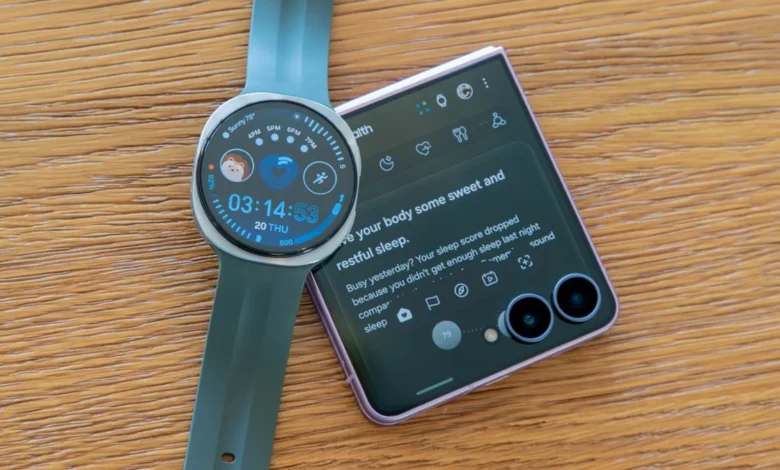
Samsung Electronics has officially secured regulatory clearances from the United States Food and Drug Administration (FDA) and South Korea’s Ministry of Food and Drug Safety (MFDS) for its upgraded sleep apnea detection software. The announcement, made public on November 3, establishes Samsung as a pioneer in digital health technology, marking the Galaxy Ring as the first smart ring in the world equipped with integrated sleep apnea risk-detection capabilities.
This regulatory milestone represents the culmination of a multi-year effort by the technology giant to bring advanced medical-grade monitoring tools to consumer wearables. By expanding its preventative healthcare suite across both its smart ring and smartwatch portfolios, Samsung is positioning its ecosystem as an essential tool for proactive health management, allowing millions of users to monitor critical physiological indicators from the comfort of their homes.
Upgraded Software and Enhanced Insights
The newly cleared sleep apnea detection feature introduces a deeper level of analytical insight compared to previous iterations. According to official disclosures from Samsung, users tracking their sleep via the Samsung Health app will now receive detailed data regarding the severity of breathing disruptions experienced during the night. Rather than providing a simple binary warning, the upgraded system aims to quantify the frequency and intensity of interruptions in airflow, giving users a more comprehensive picture of their nocturnal breathing patterns before they consult a medical professional.
To generate these insights, the system requires a relatively brief baseline period. Users wearing the Galaxy Ring or a compatible smartwatch need only complete two nights of monitoring within a 10-day window. Following this initial period, detailed sleep apnea risk assessments populate directly within the Samsung Health application interface.
The feature is rolling out immediately to users of the Galaxy Watch 9 and the Galaxy Ring running Wear OS 7 or higher. Additionally, owners of the Galaxy Watch 7 and Galaxy Watch 8 are eligible for the feature; however, these devices require a forthcoming software update. Samsung has yet to announce a precise release date for the rollout on those legacy models, leaving users to anticipate an impending over-the-air patch.
The Long Regulatory Journey
The path toward consumer availability for Samsung’s sleep apnea feature has been marked by rigorous regulatory hurdles and distinct regional timelines. The initiative began to take shape in late 2023 when South Korea’s MFDS granted initial approval for sleep apnea detection software on select Samsung Galaxy Watch models. This domestic approval laid the groundwork for a broader international strategy, though bringing the software to Western markets required navigating the stringent evaluation processes of the U.S. FDA.
U.S. consumers faced an extended wait as the FDA reviewed the clinical efficacy and safety of the wearable monitoring tools, eventually granting clearance in 2024. The breakthrough was initially highlighted during Samsung’s high-profile Galaxy Unpacked keynote over the summer, where company executives revealed that the capability would soon extend beyond traditional smartwatches and into the form factor of the newly introduced Galaxy Ring. Promising a rollout for the fall, Samsung met its target window with the November deployment, cementing the wearable’s status as a unique entry in the digital health landscape.
Understanding Sleep Apnea: A Silent Threat
Sleep apnea is a serious, potentially life-threatening sleep disorder characterized by repeated pauses in breathing throughout the night. The most common form, obstructive sleep apnea (OSA), occurs when the muscles in the back of the throat relax intermittently, blocking the airway during sleep.
Medical experts note that untreated sleep apnea can lead to a cascade of severe long-term health complications, including hypertension, cardiovascular disease, stroke, type 2 diabetes, and chronic daytime fatigue. Because the disorder occurs exclusively during sleep, many individuals remain entirely unaware that they suffer from it, attributing their chronic tiredness to stress or poor sleep hygiene.
By integrating detection algorithms into everyday accessories like rings and watches, technology companies aim to bridge the diagnostic gap. Millions of individuals live with undiagnosed sleep conditions; passive monitoring via consumer electronics offers a low-barrier screening method that can prompt formal clinical diagnoses and timely medical interventions.
Industry Implications and the Rise of Preventative Wearables
Samsung’s latest software rollout underscores a broader industry shift toward preventative digital health. Over the past several years, the market for wearable technology has evolved rapidly from basic fitness tracking—such as step-counting and calorie-burning estimates—to sophisticated clinical-grade health monitoring. Features such as electrocardiograms (ECGs), blood pressure monitoring, irregular heart rhythm notifications, and blood-oxygen saturation tracking have increasingly become standard expectations for flagship smartwatches.
However, the introduction of medical-grade software into a smart ring represents a significant engineering achievement. Designing sensors capable of capturing accurate photoplethysmography (PPG) data—which measures blood volume changes through light absorption—within the compact, lightweight chassis of a ring presents unique challenges in power management, sensor placement, and algorithmic accuracy.
By successfully clearing regulatory bodies for both a smartwatch and a smart ring, Samsung has demonstrated that alternative form factors can meet the rigorous precision standards required for medical software clearances. This development is expected to intensify competition within the wearable technology sector, as rival manufacturers race to secure similar regulatory approvals for their own compact health-tracking devices.
Future Outlook for Samsung’s Health Ecosystem
As preventative care features continue to expand across Samsung’s device portfolio, the company is signaling its intent to transform personal electronics into active participants in healthcare delivery. The integration of sleep apnea detection is unlikely to be an isolated feature; industry analysts anticipate that future software updates will introduce additional diagnostic and monitoring capabilities as algorithms mature and regulatory frameworks adapt to the fast-paced evolution of consumer technology.
For now, healthcare professionals advise that while wearable-derived insights are valuable for early screening and risk awareness, they do not replace formal clinical diagnoses. Patients identified by their Galaxy Ring or Galaxy Watch as exhibiting signs of sleep apnea are encouraged to share their Samsung Health data with sleep specialists or primary care physicians for comprehensive evaluation and treatment planning. As the update reaches users globally, the true impact of Samsung’s latest software deployment will be measured by its ability to guide individuals toward necessary medical care and improve overall health outcomes on a population scale.