The Last Dance TikTok Trend and Animation Phenomenon Captivates Global Fandoms in Late 2026

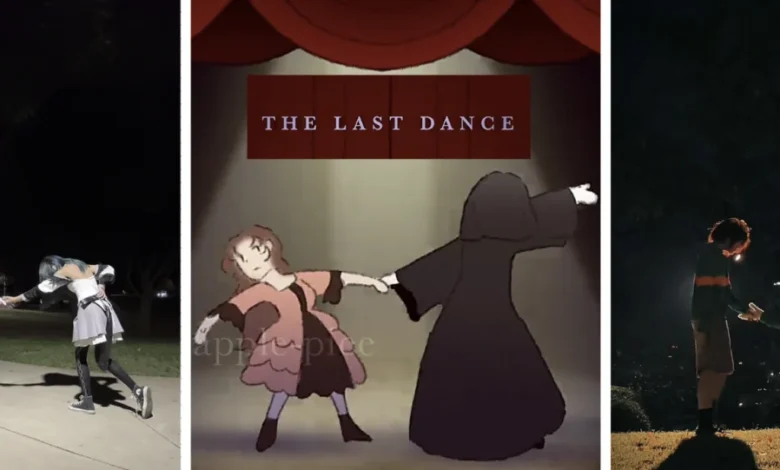
The digital culture landscape of late 2026 has witnessed the rapid, organic ascendance of a viral multimedia phenomenon known colloquially as the "Last Dance Trend." Characterized by synchronized, elegant choreography performed to a distinctive musical arrangement, this trend has successfully bridged the gap between digital animation communities and live-action creator spaces. Spanning platforms such as TikTok, YouTube, and SoundCloud, the movement centers on emotional resonance, frequently depicting metaphorical final farewells, tragic partings, and significant character transformations. Far from following the typical trajectory of centralized, algorithmically pushed dance challenges, the Last Dance trend evolved through grassroots collaboration, shared animation templates, and fan-made localized interpretations that have collectively amassed tens of millions of views.
Origins and Musical Foundation
The foundational element of the trend traces back to the unexpected resurgence of a lesser-known track titled "fpd ff7 botsu 8," composed by the prominent Vocaloid producer Maretu. Originally uploaded to SoundCloud on September 19, 2014, the instrumental piece remained a deep cut within niche electronic and Vocaloid circles for over a decade. However, the modern iteration of the audio gained significant momentum on July 20, 2026, when YouTube user @InNirvanna reuploaded the full-length version of the track. This archival upload steadily accumulated over 516,800 views across approximately 15 weeks, signaling a renewed public appetite for Maretu’s signature compositional style.
As the audio circulated among fan communities, it acquired the descriptive moniker "The Last Dance." The track’s melancholic yet driving rhythm soon attracted the attention of vocal cover artists and lyricists. A pivotal moment for the trend’s virality occurred on October 6, 2026, when TikTok creator @vinn.mp4 published a video incorporating the Maretu track paired with English-language lyrics penned by fellow creators, notably @chocoeclairr0. This initial TikTok video struck a chord with the platform’s user base, rocketing to 3.3 million views and 480,300 likes within four weeks. Capitalizing on this digital momentum, the creator subsequently released an official extended version of the cover to YouTube on October 29, 2026, which quickly pulled in additional thousands of views and solidified the audio’s permanent place in contemporary internet culture.
The Evolution of the Animation Meme Format
Parallel to the musical covers, the visual component of the Last Dance trend established itself as a premier example of an internet "animation meme." These memes traditionally rely on a standardized template or looping background that allows individual animators to insert their own original characters or fandom pairings into a pre-established choreography routine.
The structural blueprint for the animation trend was catalyzed by TikTok user @amy_yayxd on August 28, 2026. By sharing an animated background template specifically designed for Maretu’s "fpd ff7 botsu 8," @amy_yayxd provided the open-source infrastructure needed for other creators to build upon. The post resonated deeply with digital artists, amassing 6.8 million views and 863,100 likes in slightly over two months.
Shortly thereafter, on September 21, 2026, another vital asset was introduced when TikTok user @1sampokoskifan published a dedicated movement template breaking down the dance choreography step-by-step. This base framework garnered nearly 878,100 views, effectively lowering the barrier to entry for novice animators. Consequently, digital artists across various fandoms began rendering their preferred characters executing the synchronized routine. The thematic undertones of the dance—portraying an elegant, melancholic final moment between two entities—made it an ideal vehicle for romantic angst, tragic storytelling, and character farewells. Fandoms ranging from classic theatrical properties to contemporary video games rapidly adopted the format to visualize complex emotional narratives for their respective ships and character duos.
Expansion into Live-Action Cosplay and Creator Interpretations
While the animation community provided the initial artistic depth, the trend simultaneously spilled over into live-action video creation. Real-world content creators, friends, romantic partners, and particularly cosplayers began filming themselves performing the choreography either in pairs or as solo routines interacting with digital or imagined counterparts.
Early live-action iterations demonstrated the sheer versatility of the choreography. On September 29, 2026, TikTok user @yotwintsaccountistuff published a solo rendition of the dance titled "With my favorite ghost," which became an early viral benchmark for the live-action format by pulling in 8.6 million views and 1.4 million likes over five weeks.
Cosplay communities quickly integrated the Last Dance trend into their convention repertoires and online showcases. On September 26, 2026, TikTok user @dentedbedframe shared a video featuring a cosplay interpretation of characters from the indie gaming phenomena Undertale and Deltarune, securing 1.8 million views. This was followed closely on October 21, 2026, by @homuralvrrr, who portrayed characters Madoka Kaname and Homura Akemi from the acclaimed anime series Puella Magi Madoka Magica, capturing over 529,000 views. Additional live-action adaptations surfaced across diverse subcultures, including interpretations inspired by Witch Hat Atelier and formal military-themed aesthetic videos, such as a widely circulated submission by user @prikitu29 on October 24, 2026, which earned 1.9 million views.
Chronological Timeline of Key Milestones
To understand the rapid trajectory of the Last Dance phenomenon, digital historians and culture analysts point to several distinct chronological markers that define its lifecycle through late 2026:
- September 19, 2014: Vocaloid producer Maretu originally uploads "fpd ff7 botsu 8" to SoundCloud, laying the distant groundwork for the future trend.
- July 20, 2026: YouTube user @InNirvanna reuploads the full-length version of the track, initiating its modern rediscovery.
- August 28, 2026: TikTok user @amy_yayxd publishes the foundational animation background template, which eventually accumulates 6.8 million views.
- September 9, 2026: TikTok user @red.apple.piee releases a high-profile Phantom of the Opera fan animation utilizing the template, driving millions of new viewers to the trend.
- September 21, 2026: TikTok user @1sampokoskifan shares a dance movement base template, facilitating wider participation among novice animators.
- September 26 to October 6, 2026: Live-action cosplay videos (featuring properties like Undertale) and vocal cover uploads (spearheaded by @vinn.mp4) achieve explosive multi-million-view virality.
- October 29, 2026: The official extended English-language cover is deployed to YouTube, cementing the audio’s permanent crossover appeal.
Sociological Implications and Cultural Impact
The success of the Last Dance trend offers a compelling case study in modern participatory culture and the decentralized nature of internet virality. Unlike corporate-sponsored marketing campaigns or standardized corporate dance challenges designed for maximum commercial reach, the Last Dance movement grew organically from the intersection of underground electronic music, independent digital artistry, and niche pop-culture fandoms.
Analysts note that the absence of a single, definitive corporate creator or rigid copyright enforcement allowed the meme to evolve democratically. Creators felt empowered to remix, reinterpret, and localize the content to fit their specific storytelling needs. Whether expressed through frame-by-frame digital animation or physical cosplay performances captured on mobile devices, the trend fulfilled a psychological need for creative expression centered around themes of closure, emotional intensity, and shared artistic community.
Furthermore, the phenomenon underscores the enduring power of Vocaloid and electronic music subcultures to inject retrospective material into the contemporary mainstream. By unearthing a twelve-year-old composition by Maretu and reframing it through a modern lens, digital creators demonstrated how collective fan curation can effectively resurrect and redefine archival media for entirely new generations of internet users. As the trend continues to diversify across global platforms, it stands as a defining digital culture milestone of the late 2026 landscape.