Apple TV and HomePod mini Refresh Expected by End of 2026 Alongside New Mac and iPad Hardware

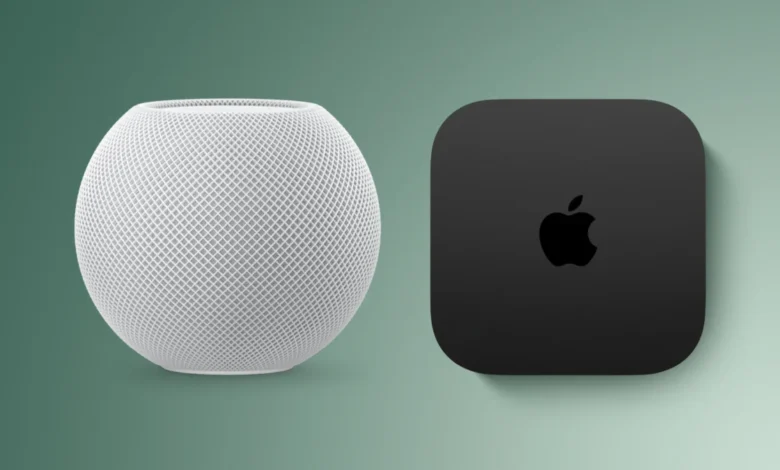
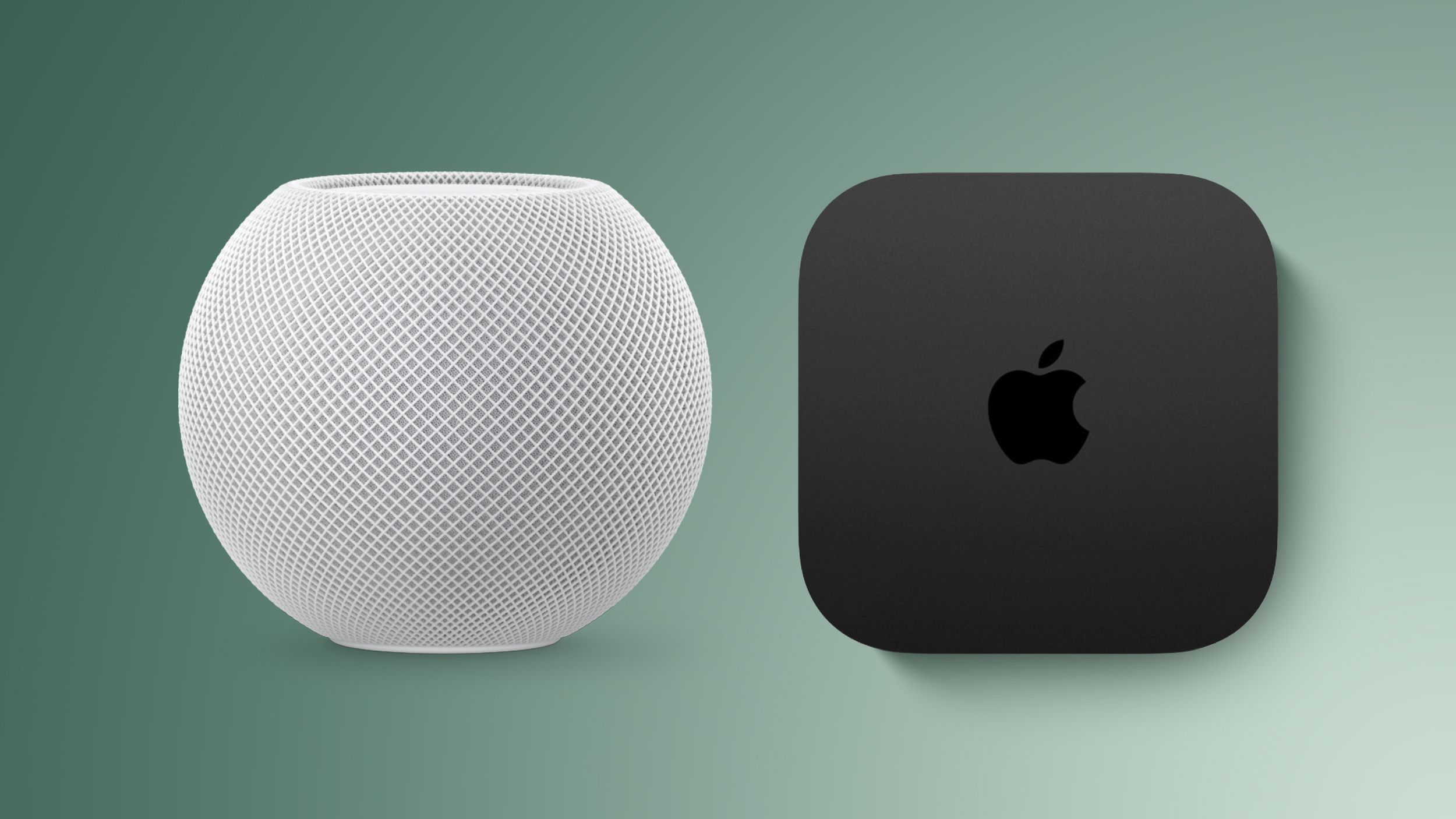
The persistent cycle of speculation surrounding Apple’s smart home ecosystem appears to be reaching a long-awaited conclusion. According to the latest insights from Bloomberg’s Mark Gurman, Apple is finalizing the development of refreshed Apple TV and HomePod mini models, both of which are slated for release before the end of the 2026 calendar year. These updates are expected to serve as cornerstones for Apple’s renewed focus on artificial intelligence, integrating advanced Siri capabilities directly into the home hardware suite.
For years, rumors regarding a significant overhaul of Apple’s living room and audio hardware have permeated the industry. While the core functionality of the Apple TV 4K and the HomePod mini has remained stable, the rapid acceleration of generative AI has necessitated a hardware shift. The inclusion of enhanced Siri support suggests that Apple is positioning these devices to act as more robust conduits for its AI services, potentially offloading complex processing tasks to local hardware or serving as more responsive hubs for the HomeKit ecosystem.
A Robust Roadmap for Late 2026
The refresh of the Apple TV and HomePod mini does not exist in a vacuum; it is part of a broader, aggressive product rollout schedule that Apple is executing for the final quarter of 2026. Industry analysts note that Apple frequently utilizes October as a secondary launch window to capture holiday momentum, following the high-profile September events that typically focus on the iPhone and Apple Watch lineups.
In addition to the home hardware, the following devices are anticipated to round out Apple’s end-of-year portfolio:
- 14-inch MacBook Pro: An entry-level iteration powered by the next-generation M6 silicon. This update is expected to focus on power efficiency and AI-optimized core performance.
- iMac Refresh: A corresponding update to the iMac line, also featuring the M6 chip, marking a significant step forward in desktop computing performance for the standard consumer tier.
- OLED iPad mini: A highly anticipated display upgrade for the compact tablet, bringing the superior contrast ratios and energy efficiency of OLED technology to the smaller form factor.
- The Apple Home Hub: A new, standalone device category intended to centralize home automation, likely serving as the physical nexus for the smart home initiatives announced at previous developer conferences.
The Chronology of the "Always-Coming" Devices
The journey to these specific hardware updates has been a marathon of leaks and internal shifts. The Apple TV, which has long been praised for its interface but criticized for a lack of significant hardware evolution, has seen several iterations since its inception. However, the current cycle of rumors began in earnest in 2024, when reports first suggested that Apple was looking to merge the functionality of a smart speaker, a streaming box, and a FaceTime camera into a single, cohesive unit.
By 2025, the focus shifted from a radical redesign to a more iterative approach: upgrading the processor to handle local AI tasks. This strategy aligns with Apple’s "Privacy-First" AI philosophy, which prioritizes on-device processing over cloud reliance. The HomePod mini, in particular, has remained largely unchanged since its 2020 debut, save for minor color additions and software-based refinements to its U1 ultra-wideband chip functionality. The 2026 update will represent the first time the mini model receives a substantial internal architectural overhaul designed specifically to accommodate the hardware requirements of modern voice-processing AI.
Supporting Data and Technical Context
To understand the necessity of these updates, one must look at the technical requirements of modern AI models. Current Apple Silicon, such as the M-series chips found in existing Macs and iPads, provides the Neural Engine capacity necessary for large language model (LLM) inference. By bringing the M6 architecture to the entry-level Mac lineup and likely incorporating advanced coprocessors into the Apple TV and HomePod hardware, Apple is creating a standardized hardware floor.
Market data indicates that while the smart home sector has seen significant competition from Google and Amazon, Apple’s ecosystem lock-in remains strong among its user base. However, the lack of a modern, AI-capable hub has been a noted point of friction. By integrating the M-series architecture into the home, Apple aims to increase the "attach rate" of its services, including Apple Music, Apple TV+, and advanced smart home security features.
Broader Implications for the Smart Home Industry
The transition to AI-integrated home hardware has profound implications for user privacy and data security. Unlike competitors that rely heavily on cloud-based processing for voice commands, Apple’s emphasis on on-device intelligence for the upcoming Apple TV and HomePod mini suggests a continued differentiation strategy. By ensuring that the device itself performs the heavy lifting, Apple maintains its marketing edge as the "privacy-focused" choice in the smart home market.
Furthermore, the introduction of a new "Home Hub" could signal a shift in how users interact with their environments. If the hub is designed to be more than just a relay—perhaps acting as an intelligent agent that proactively manages lighting, temperature, and security based on user behavior patterns—it could redefine the utility of the smart home. This move would mirror the industry’s broader trend toward "ambient computing," where technology recedes into the background, becoming invisible yet highly responsive.
Market Reaction and Analyst Outlook
While Apple has maintained its standard silence regarding unreleased products, the market reaction to these leaks has been largely positive. Wall Street analysts view the expansion of the M6-powered ecosystem as a way to sustain the growth of the Mac and iPad divisions, which are currently facing a saturated market. By positioning the Apple TV and HomePod mini as essential AI peripherals, the company creates a compelling reason for consumers to upgrade older, perfectly functional, but "AI-deficient" hardware.
The potential launch of the "iPhone Duo," the company’s first foldable smartphone, earlier in September also creates a halo effect for the brand. As consumers become accustomed to higher price points and more sophisticated form factors, the expectation for high-end, AI-enabled smart home devices becomes more realistic. If the iPhone Duo sets a precedent for premium innovation, the updated Apple TV and HomePod mini are positioned to be the affordable entry points into that same high-tech ecosystem.
Looking Toward the Future
As October approaches, the focus for many industry observers will be on whether Apple can finally clear the "rumor backlog" that has defined the last few years. The constant cycle of "coming soon" has, at times, led to consumer fatigue. However, the convergence of new silicon (M6) and new software (AI-native Siri) creates a unique moment in the product life cycle.
The hardware mentioned in this report—from the entry-level MacBook Pro to the foldable iPhone Duo and the smart home hub—represents a comprehensive refresh of the Apple brand. If successful, this period will be remembered not for the individual products themselves, but for the moment Apple successfully transitioned its entire hardware ecosystem to an AI-first framework. The wait for these devices may have been lengthy, but the strategic necessity of their release is clearer now than it has ever been. With the global smart home market projected to continue its double-digit growth through the end of the decade, these moves by Apple are not merely iterative; they are foundational to the company’s vision for the next decade of personal and home computing.