The Shifting Landscape of Modern Commerce: Top Marketing Trends Reshaping the E-Commerce Industry

The global marketing ecosystem, intrinsically linked to the relentless evolution of the e-commerce sector, is undergoing a profound structural transformation. As consumer habits shift toward digital-first, highly interactive experiences, brands are forced to rethink how they allocate budgets, design campaigns, and engage target audiences. Industry analyses indicate that global digital ad spending continues to climb past historic highs, crossing the $600 billion threshold as businesses strive to meet consumers on the right channels at the exact moment of intent. Both organic and paid acquisition strategies now require substantial investments of time, advanced analytics, and financial capital. This comprehensive market overview examines five defining trends reshaping digital marketing and e-commerce acquisition strategies for the upcoming period.
The Evolution of Consumer Behavior and Digital Ad Spend
Over the past decade, consumer interaction has fundamentally migrated toward social media platforms and dynamic video formats. Traditional banner advertisements and broad demographic targeting no longer yield the high return on investment (ROI) they once did. Modern consumers—particularly Millennials and Generation Z—expect seamless, highly relevant digital interactions that respect their time and align with their personal values.
According to recent economic reports from digital marketing associations, organizations allocating over 40% of their marketing budgets to precision-targeted online channels experience a 25% higher customer retention rate compared to those relying on legacy methods. This shift has necessitated a move away from generalized mass-market campaigns toward sophisticated, data-driven frameworks. To maintain a competitive edge, marketing executives are increasingly integrating emerging technologies, ethical frameworks, and immersive media into their core acquisition funnels.
1. Responsible Artificial Intelligence: Ethics and Transparency in Automation
The integration of artificial intelligence into marketing operations is no longer optional; however, the manner in which AI is deployed has come under intense scrutiny. Responsible artificial intelligence has emerged as a cornerstone trend, demanding that brands use AI technologies ethically, transparently, and with acute social awareness.
As regulatory bodies worldwide tighten data privacy laws—such as the European Union’s Artificial Intelligence Act and ongoing updates to GDPR—marketers must ensure that their algorithms do not perpetuate bias or invade consumer privacy. Responsible AI practices involve clear disclosures when consumers are interacting with chatbots, strict adherence to consent-based data collection, and algorithmic transparency. Industry analysts point out that brands adopting transparent AI policies build higher levels of consumer trust, which directly correlates with long-term brand loyalty. Conversely, companies caught misusing consumer data or deploying opaque automated profiling face severe reputational damage and regulatory penalties.
2. Sustainability as a Core Digital Strategy
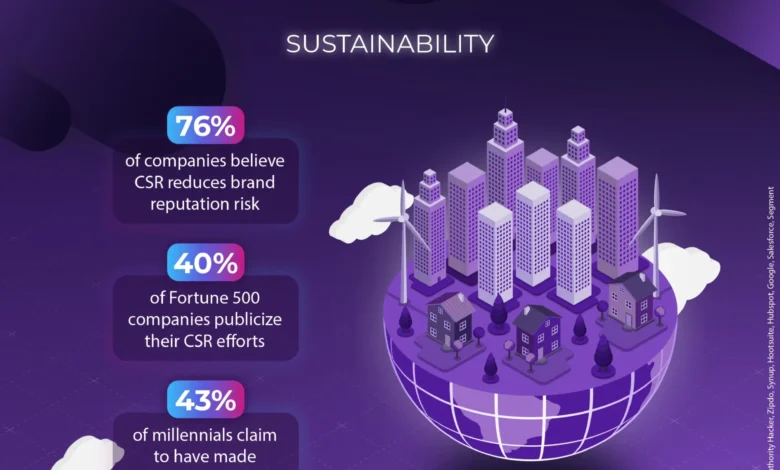
Environmental consciousness has transitioned from a niche corporate social responsibility (CSR) initiative to a primary driver of consumer purchasing decisions. In the digital marketing sphere, sustainability must be authentically woven into every touchpoint of the brand journey, rather than treated as a superficial messaging tactic.
Communicating Sustainable Products and Services
Brands are utilizing company blogs, social media channels, and targeted video advertisements to spotlight eco-friendly product lines. To avoid accusations of "greenwashing," modern marketing campaigns increasingly rely on verified data and certified environmental standards. This transparency appeals directly to eco-conscious buyers who actively research a brand’s ecological footprint before making a purchase.

Engagement, Education, and Influencer Partnerships
Social media platforms serve as powerful catalysts for environmental awareness. Organizations are moving beyond simple product promotions to publish educational content regarding circular economies, recycling programs, and carbon-neutral shipping. Furthermore, influencer marketing has adapted; brands are partnering with micro-influencers specializing in sustainability and zero-waste lifestyles to cultivate authentic communities of practice.
Technological Traceability and Personalization
To substantiate sustainability claims, forward-thinking enterprises are integrating blockchain technology into their supply chains. Blockchain provides immutable tracking, allowing consumers to scan a product code and view its entire journey from raw material sourcing to final delivery. Additionally, customer data platforms (CDPs) enable brands to personalize sustainability messaging, offering eco-friendly alternatives to buyers based on their historical purchase patterns and stated preferences.
3. Conversational Search and Semantic Optimization
The mechanics of how users discover products and information online have shifted dramatically with the proliferation of voice-activated search and smart assistants. Queries are no longer restricted to fragmented strings of keywords typed into search engines; instead, consumers use natural, conversational language.
Voice search, powered by virtual assistants such as Apple’s Siri, Amazon’s Alexa, and Google Assistant, requires marketers to adopt semantic search optimization. This strategy focuses on intent and contextual meaning rather than exact-match keywords. Content must be structured to answer complete questions that mirror everyday human speech.

From an e-commerce perspective, the rise of conversational search changes the discovery phase of the consumer journey. When a user asks a smart speaker to recommend the "best durable running shoes for wet weather," the algorithm pulls from optimized, structured data markup rather than traditional ranking factors. Brands that fail to adapt their SEO and content strategies to accommodate semantic search risk losing significant organic visibility in an increasingly voice-driven marketplace.
4. The Dominance of Short-Form and Immersive Video Content
Video content remains the undisputed king of digital engagement, yet the formats driving conversions have polarized into two distinct extremes: ultra-short social clips and highly immersive, interactive experiences.
Short-Form Social Video
Platforms such as TikTok, Instagram Reels, and YouTube Shorts have conditioned audiences to consume content in a matter of seconds. For businesses, capturing attention within the first three seconds is paramount. Successful campaigns utilize fast-paced editing, native platform aesthetics, humor, and compelling storytelling. Rather than traditional hard-sell commercials, brands are leveraging user-generated content (UGC) and short product demonstrations to build immediate rapport and drive impulse purchases.
Immersive and Interactive Media
Concurrently, immersive technologies like Augmented Reality (AR), Virtual Reality (VR), and 360-degree video are redefining online retail. In sectors such as fashion, beauty, and home furnishings, AR allows consumers to virtually try on apparel, test makeup shades, or visualize furniture in their living rooms via their mobile devices. Industry data indicates that e-commerce sites incorporating AR try-on features experience a notable reduction in product return rates, alongside a measurable increase in conversion rates, as consumers feel more confident in their purchasing decisions.

5. Hyper-Personalization Through Advanced Data Analytics
Hyper-personalization represents the absolute frontier of customer-centric marketing. Moving far beyond basic email segmentation—such as addressing a customer by their first name—hyper-personalization uses machine learning algorithms to synthesize vast quantities of real-time data, predicting consumer needs before the consumer even articulates them.
By analyzing browsing history, past purchase behavior, geolocation, time of day, and even in-app interactions, AI engines can dynamically alter website layouts, product recommendations, and promotional offers for every individual visitor. For example, a returning e-commerce customer might see a homepage curated entirely around their preferred brands, sizes, and price points, complete with a personalized loyalty reward expiring within 24 hours.
While hyper-personalization yields exceptional engagement and sales metrics, it walks a fine line with consumer privacy. Industry leaders emphasize that successful hyper-personalization must rely on zero-party and first-party data—information willingly and knowingly shared by the consumer. Maintaining this delicate balance between tailored relevance and privacy respect is critical for sustaining consumer trust.
Broader Implications and Strategic Outlook
As these five trends—responsible AI, sustainability, conversational search, video innovation, and hyper-personalization—converge, the operational demands on marketing teams are heavier than ever. Meeting these challenges requires cross-functional collaboration between data scientists, creative directors, and sustainability officers.

Market analysts project that companies failing to adapt to these technological and behavioral shifts over the next 24 to 36 years will experience diminished market share. Conversely, enterprises that embrace ethical automation, transparent environmental practices, and frictionless digital experiences will be best positioned to capture the loyalty of the modern consumer. Ultimately, the future of marketing belongs to brands that view technology not merely as a tool for selling products, but as a medium for building genuine, value-driven relationships with their audience.