8 Secrets to Crafting Blog Post Titles That Will Set the Internet Ablaze


The digital landscape has evolved into an attention-based economy where the primary currency is the user’s click. As content production reaches unprecedented volumes—with millions of blog posts published daily—the title of an article has transitioned from a mere label to a critical strategic asset. Industry analysis consistently demonstrates that the efficacy of a headline determines whether content achieves viral reach or remains effectively invisible within the archives of a website. In the contemporary digital newsroom, the title functions as the initial and often singular touchpoint for potential readers across search engines, social media platforms, and syndication feeds.
The Anatomy of High-Performing Headlines
Marketing research and click-through rate (CTR) data suggest that the decision-making process for a reader often takes less than two seconds. During this interval, the headline must convey sufficient value to warrant further engagement. Advertising pioneer David Ogilvy famously posited that the sole purpose of a headline is to induce the reader to consume the first sentence of the body copy. In the modern context, this objective remains the cornerstone of content strategy. A headline that fails to pique curiosity or articulate a clear value proposition renders even the most meticulously researched content effectively useless.
Chronology and Evolution of Digital Copywriting
The shift toward strategic headline crafting began in earnest during the early 2000s, coinciding with the rise of the blogging era. Initially, content creators focused on chronological archives, but as search engine algorithms began prioritizing keyword relevance and user engagement metrics, the need for optimized titling emerged. By 2008, industry leaders began codifying the techniques used in traditional print advertising for the digital medium. Over the last fifteen years, these methodologies have been refined through A/B testing and big data analytics, shifting from intuition-based writing to data-driven content marketing.

Strategic Frameworks for Headline Optimization
To maximize engagement, content strategists utilize a variety of psychological and structural frameworks. These are not merely stylistic choices but evidence-based strategies designed to capture specific audience segments.
1. Benefit-Driven Communication
The most effective headlines often address an immediate need or solve a specific problem. By clearly stating the outcome of the content—such as "How to" guides or instructional listicles—authors establish an expectation of value. Data from search engine optimization (SEO) studies indicates that titles containing "How to" or numerical lists consistently outperform abstract or cryptic headlines because they reduce the cognitive load for the user, signaling exactly what they will gain from the click.
2. The Power of Personalization
The integration of direct address—specifically the use of the word "you"—serves to bridge the gap between mass-market publishing and individual reader experience. By framing a headline as a personal solution or a direct challenge, publishers can increase engagement by fostering a sense of relevance. This technique shifts the focus from the author’s perspective to the reader’s unique circumstances.
3. Strategic Keyword Placement
Search Engine Optimization remains a primary driver of organic traffic. Integrating high-volume search terms into a headline is essential for discovery. However, the placement of these keywords is equally critical. Modern SEO best practices dictate that keywords should appear as close to the beginning of the title as possible. This ensures that in truncated search results—where character limits often cut off titles after 60 to 65 characters—the essential query remains visible to the user.

4. The Role of Power Words and Emotional Triggers
Copywriters frequently employ "power words"—terms that elicit strong emotional or psychological responses. Words such as "stunning," "essential," "proven," or "exclusive" act as cognitive triggers. However, data analysis warns of the "skepticism threshold." While these words can spike initial CTRs, an over-reliance on hyperbolic language can lead to high bounce rates if the content fails to fulfill the promise of the headline. Modern editorial standards now emphasize a balance between persuasive power and factual accuracy to maintain brand credibility.
Empirical Data and Reader Behavior
Statistical analysis of user behavior reveals that headlines utilizing numerical lists—often referred to as "listicles"—achieve higher shares on social platforms than long-form descriptive titles. This phenomenon is attributed to the "promise of brevity" and the structural ease with which the brain processes categorized information. Furthermore, titles that frame a question have been shown to increase comment section activity by nearly 30%, as they solicit an immediate cognitive response from the reader.
Addressing Controversial and Polarizing Content
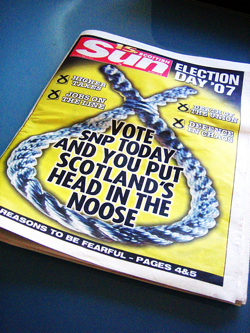
The use of controversy as a engagement driver is a high-risk, high-reward strategy. While titles that suggest a debate or challenge conventional wisdom tend to garner higher initial engagement, they also correlate with higher levels of audience scrutiny. Journalistic integrity requires that such headlines be strictly backed by the content itself. Misleading a reader with a controversial title that does not align with the body copy is a leading cause of audience attrition and damage to long-term site authority.
The Impact of Structural Nuances
Beyond word choice, the mechanical structure of a title significantly influences readability. Industry consensus among digital editors suggests that keeping titles short—ideally under 70 characters—is essential for both mobile readability and search engine indexing. Additionally, a subtle trend has emerged regarding the exclusion of periods (full stops) in headlines. While largely a stylistic choice, many digital copywriters argue that eliminating terminal punctuation maintains a "flow" that encourages the reader to continue directly into the introductory paragraph.
Broader Implications for Content Strategy
The discipline of crafting effective headlines is a reflection of the broader shift in how information is consumed in the 21st century. As the barrier to entry for content creation continues to lower, the premium on "editorial packaging" has skyrocketed. Organizations that fail to invest time in the iterative process of title optimization effectively diminish the return on their content production investment.
Professional content teams now routinely allocate time for "title testing"—a process where multiple variations of a headline are drafted and evaluated against key performance indicators (KPIs) before a final version is selected. This methodology reflects a shift away from artistic whim toward a systematic, metrics-oriented approach.
Final Considerations for Modern Publishers
Ultimately, the headline serves as the bridge between a potential reader’s intent and the publisher’s output. Whether through the promise of a tangible benefit, the provocation of a question, or the strategic use of high-intent keywords, the objective remains constant: to provide a clear, compelling reason for the reader to engage. As artificial intelligence and machine learning begin to influence content discovery, the human element—the ability to understand, empathize, and intrigue—will remain the most significant differentiator in creating content that resonates.
For the contemporary creator, the takeaway is clear: the title is not the end of the writing process; it is the most crucial, high-stakes beginning. By treating every headline as an opportunity to demonstrate value, publishers can ensure that their most important work reaches its intended audience, rather than being lost in the vast, unread archives of the digital expanse.