Director Rian Johnson’s Chromagraph Camera App Bridges the Gap Between Smartphone Convenience and Cinematic Aesthetic

The ongoing evolution of mobile photography has long been defined by a fundamental tension: the convenience of pocket-sized point-and-shoot technology versus the deliberate, nuanced artistry of dedicated cinema cameras. While modern smartphone manufacturers boast increasingly sophisticated camera hardware—capable of capturing immense detail, wide dynamic ranges, and uncompressed RAW files—the out-of-the-box software processing often leaves professional creators and discerning photographers unsatisfied. Apple’s native iPhone camera application, for instance, has frequently faced criticism for heavy-handed computational photography techniques that can yield oversharpened, overly smooth, and aggressively HDR-processed images.
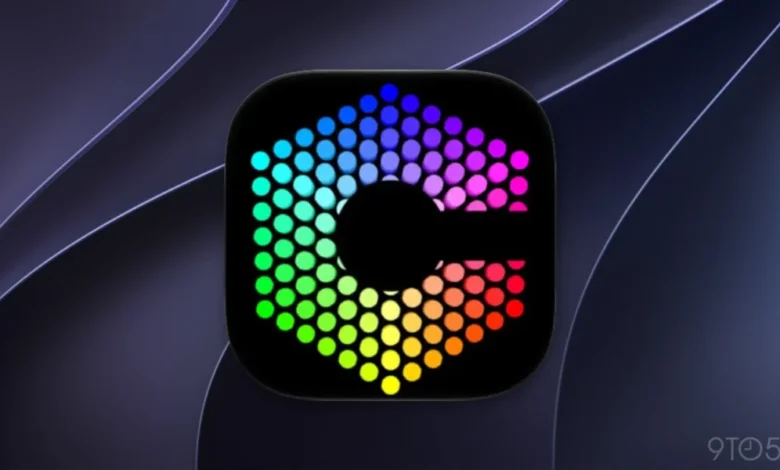
To address these persistent aesthetic shortcomings, acclaimed filmmaker Rian Johnson—known for visually distinct features such as Knives Out, Glass Onion, and Brick—surprised the technology and photography communities by launching Chromagraph Camera, a specialized iOS application designed to fundamentally rethink how smartphone imagery is rendered. Available on the App Store for a premium price of $12.99, the application seeks to bypass the traditional algorithmic traps of standard mobile photography, offering users a streamlined, friction-free mechanism for capturing images that emulate a natural, cinematic look without requiring cumbersome manual parameter adjustments or exhaustive post-processing workflows.
The Limitations of Native Computational Photography and Recent Hardware Iterations
For years, mobile photography enthusiasts have grappled with the dichotomy between raw hardware potential and software defaults. When captured in RAW format and manually developed using professional desktop suites, modern iPhone sensors are demonstrably capable of producing remarkably rich, organic photographs. However, the default processing pipeline employed by Apple’s stock camera application routinely applies aggressive noise reduction, local contrast enhancement, and multi-frame stacking that can strip images of their natural texture, substituting an artificial digital sheen in their place.
Apple has occasionally attempted to cater to users seeking a more tactile, analog aesthetic. With the release of the iPhone 18 Pro and the iPhone Duo, the technology giant introduced a native film texture and grain option intended to replicate the organic imperfections of traditional celluloid film stock. While the feature was welcomed by many as a step in the right direction, user reception has been mixed. On certain hardware configurations, such as the iPhone 18 Pro, the effect proved reasonably balanced, yet on other models like the iPhone Duo, the film emulation has been described by critics as overly exaggerated and heavy-handed.
Furthermore, third-party software solutions designed to bridge this gap—such as Adobe’s Project Indigo—have historically struggled with practical workflow limitations. While such applications frequently succeed in delivering sophisticated color science and texture profiles, they often demand extensive background processing time. This computational overhead can introduce severe inconveniences, including application crashes, thermal throttling, and the occasional loss of freshly captured frames when the operating system terminates background tasks to conserve system resources.

Chronology of the Release and Initial Market Reception
The development and deployment of Chromagraph Camera represent a significant intersection between Hollywood filmmaking expertise and consumer-facing software engineering. Rian Johnson, who has frequently documented his appreciation for analog film and distinct visual framing, conceptualized the application to solve a personal frustration with existing mobile tools.
Following a surprise announcement in late October 2026, Chromagraph Camera was quietly deployed to the iOS App Store, immediately drawing attention from tech journalists, mobile photographers, and filmmakers alike. Priced at $12.99, the application positioned itself at the higher end of the consumer utility market, challenging the industry norm where camera applications either rely on subscription models or remain free-to-play with gated features.
Early adopters and beta testers quickly took to social media platforms, including X (formerly Twitter) and Bluesky, to share unedited samples captured straight from the application. The prevailing sentiment among early users highlighted the app’s ability to operate as a true "point-and-shoot" utility. Unlike professional manual camera applications that require the user to meticulously dial in shutter speeds, ISO limits, white balance, and exposure compensation before capturing a fleeting moment, Chromagraph Camera focuses heavily on superior algorithmic defaults. The software processes images at the point of capture to instantly deliver a balanced, film-adjacent color palette and texture, thereby eliminating the need for subsequent mobile editing sessions.
Analysis of Implications for the Mobile Imaging Ecosystem
The arrival of developer-led, niche camera utilities like Chromagraph points toward a broader paradigm shift within the mobile imaging ecosystem. As hardware advancements—such as multi-periscope lenses, larger sensor sizes, and variable apertures—begin to plateau in terms of consumer-perceptible leaps, software differentiation has become the primary battleground for smartphone manufacturers and independent developers.
For Apple, the success of specialized applications like Chromagraph serves as both validation and constructive critique. It demonstrates a clear, monetizable consumer demand for alternative aesthetic processing profiles that deviate from the hyper-realistic, ultra-sharp standard favored by mainstream manufacturers. While computational photography remains essential for achieving high low-light performance and wide dynamic ranges in challenging environments, the rigid enforcement of a single corporate "look" alienates a vocal subset of users who prioritize artistic expression and analog nostalgia over clinical perfection.

Moreover, the willingness of consumers to pay a direct, upfront fee of $12.99 for a specialized camera utility challenges the prevailing subscription fatigue in the software market. It suggests that users are increasingly willing to invest in perpetual-license tools that solve specific creative friction points without locking them into recurring monthly or annual financial commitments.
Broader Industry Context and Future Outlook
As mobile sensors continue to absorb more data and neural engines become increasingly adept at real-time image processing, the boundary between professional cinema production and mobile capture will continue to blur. Directors and cinematographers are increasingly turning to iPhones as B-cameras, crash cameras, or even primary capture devices for feature-length projects—most notably demonstrated by films shot entirely on iOS devices in recent years.
However, the adoption of smartphones in professional and semi-professional pipelines has always been bottlenecked by software interpretation. If tools like Chromagraph Camera succeed in establishing a reliable, frictionless bridge between raw hardware capture and cinematic aesthetics, it could force major technology companies to re-evaluate their default imaging pipelines. Apple, Google, and Samsung may soon find themselves compelled to offer granular, developer-backed profile management within their native operating systems, allowing users to choose their preferred rendering engine at the system level rather than relying on disparate third-party applications.
Ultimately, Rian Johnson’s foray into iOS software development underscores a growing industry consensus: the future of digital photography is not merely about capturing more light or resolving finer microscopic details, but about rendering those details in a manner that resonates with human visual culture. By prioritizing immediate, aesthetically pleasing defaults over raw computational muscle, Chromagraph Camera offers a compelling glimpse into a more intentional, artistic future for mobile image-making.