TikTok has long since evolved from a nascent platform for dance trends and lip-syncing into a powerhouse engine for global product discovery, search, and social commerce. With an advertising reach exceeding 1.59 billion users worldwide, brands can no longer afford to treat the application as an experimental afterthought. As digital marketing budgets shift to meet consumer habits, U.S. users continue to dedicate an average of 44 hours per month to the platform. This sustained engagement has cemented the app’s status as a critical node in the modern digital ecosystem, on track to generate over $17 billion in U.S. advertising revenue alone.

Navigating this dynamic space requires a comprehensive understanding of setup procedures, algorithmic nuances, influencer partnerships, advertising frameworks, and performance analytics. For modern marketing teams, success on the platform relies on balancing organic creativity with data-driven paid strategies, all while maintaining the agility to adapt to evolving regulatory landscapes and consumer expectations.

The Evolution and Strategic Importance of TikTok Marketing
TikTok marketing encompasses a wide range of tactics designed to promote a brand, product, or service directly to an intensely engaged user base. While early adoption was driven primarily by brand awareness and top-of-funnel reach, the introduction of native features like TikTok Shop and TikTok Search has transformed the application into a transactional environment. Users increasingly open the app not just for entertainment, but with explicit intent to discover, research, and purchase goods.
Data indicates that the demographic profile of the platform has matured significantly. While Gen Z remains a foundational and highly loyal user base—with approximately one-third of the audience falling between the ages of 18 and 24—the average age of active users has shifted toward the 25-to-34 bracket. Furthermore, roughly 37% of all U.S. adults now utilize the platform, granting enterprises direct access to Millennials and older demographics who possess substantial purchasing power.
When compared to alternative short-form video channels like Instagram Reels and YouTube Shorts, TikTok maintains a unique advantage through its robust in-app commerce infrastructure and advanced keyword-bidding search capabilities. Marketers are finding that campaigns built natively for TikTok often yield a lower cost-per-acquisition compared to legacy search and social channels, making a strong case for budget allocation among corporate stakeholders.
Regulatory Continuity and Multi-Channel Portability
As TikTok approaches the mid-point of the decade, its operational landscape remains subject to ongoing policy discussions, particularly regarding ownership and data governance requirements in key markets such as the United States. Despite regulatory scrutiny, the platform continues to operate as an essential commercial hub for global brands.
To mitigate risk while capitalizing on the platform’s reach, digital strategists are increasingly adopting a multi-channel portability model. By designing vertical video assets that can seamlessly cross-deploy across TikTok, Instagram Reels, and YouTube Shorts without requiring costly reshoots, organizations insulate themselves against platform-specific disruptions. Centralized social management platforms—such as Hootsuite Social OS—allow teams to schedule and distribute content across multiple networks from a single dashboard, turning distribution shifts into simple operational decisions rather than massive structural overhauls.
Establishing a Professional Presence: Business Accounts and Optimization
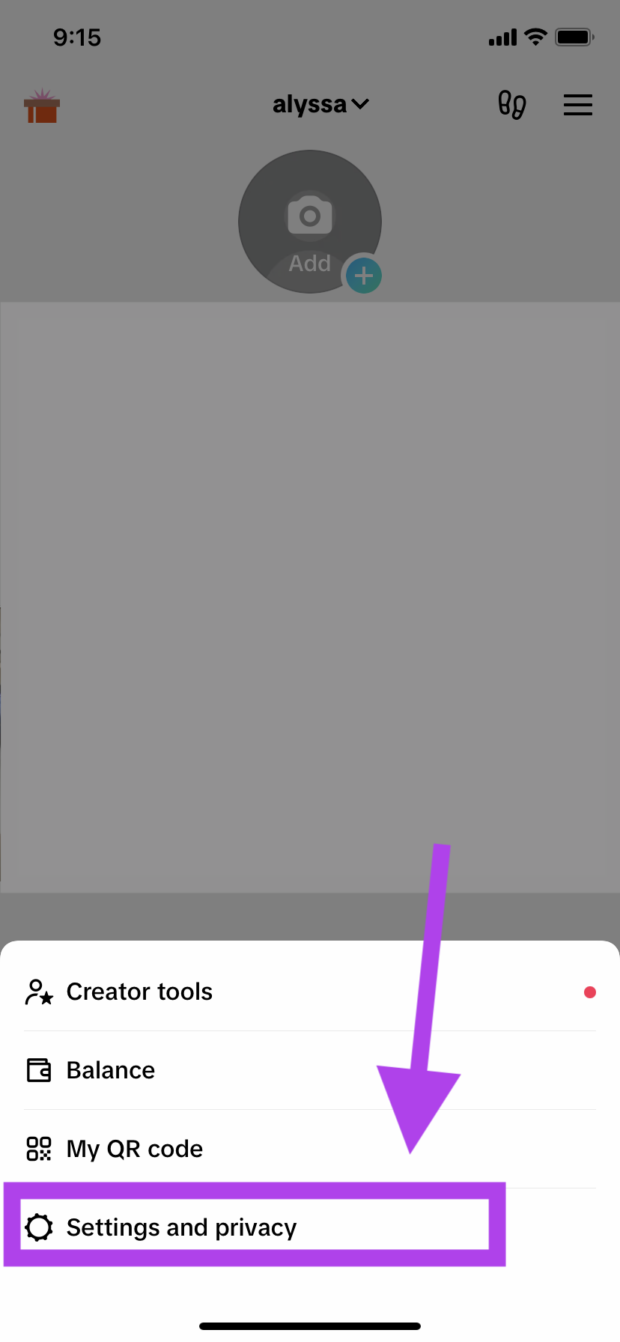
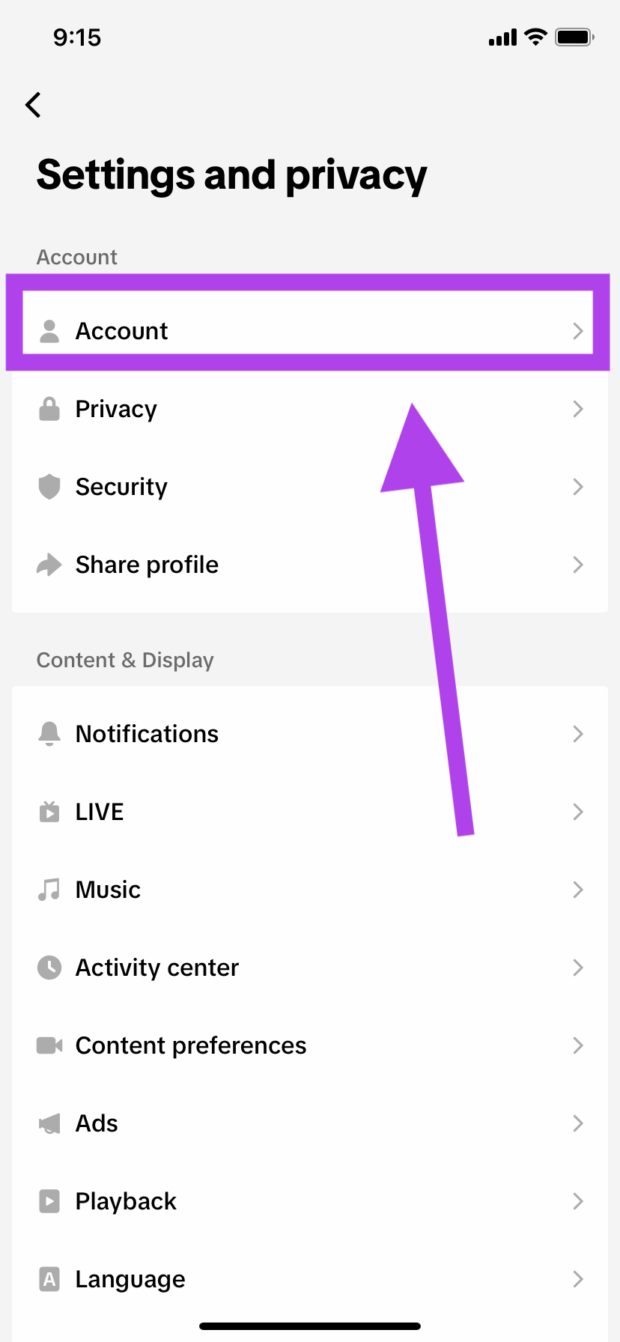
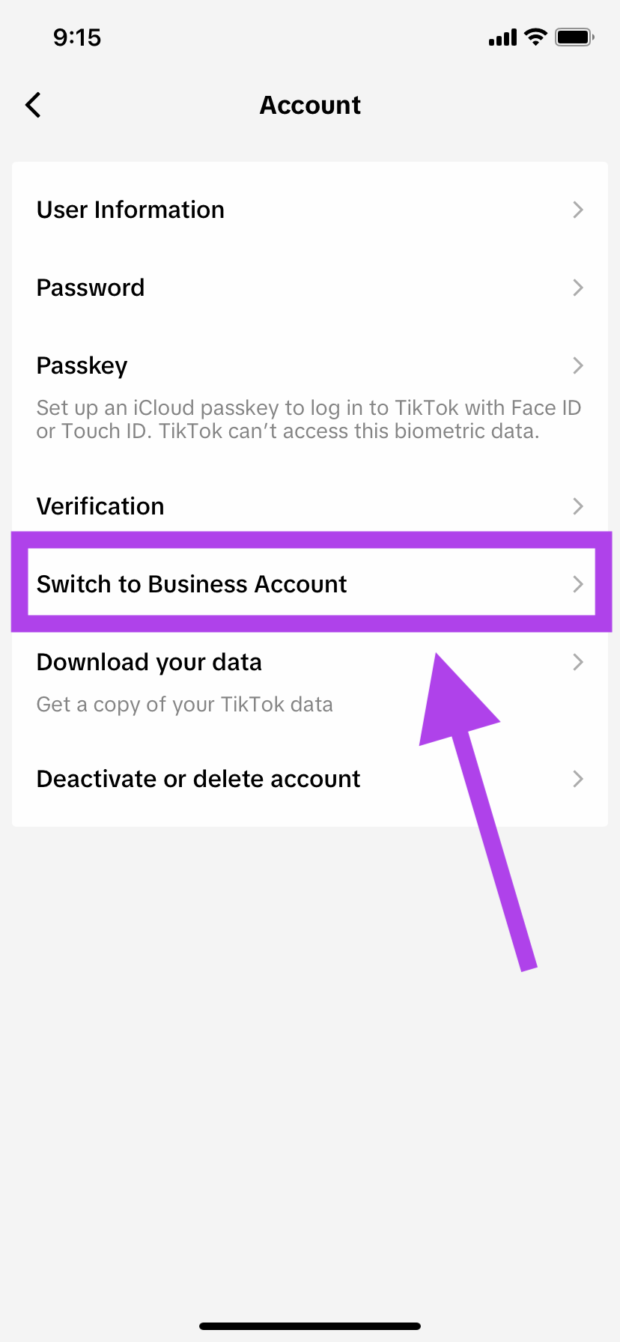
Transitioning from a personal profile to a TikTok Business Account is a prerequisite for any serious marketing initiative. This free upgrade unlocks a suite of tools unavailable to standard users, including advanced analytics, the Business Creative Hub, access to the Commercial Music Library, custom calls to action, and automated direct message responses.
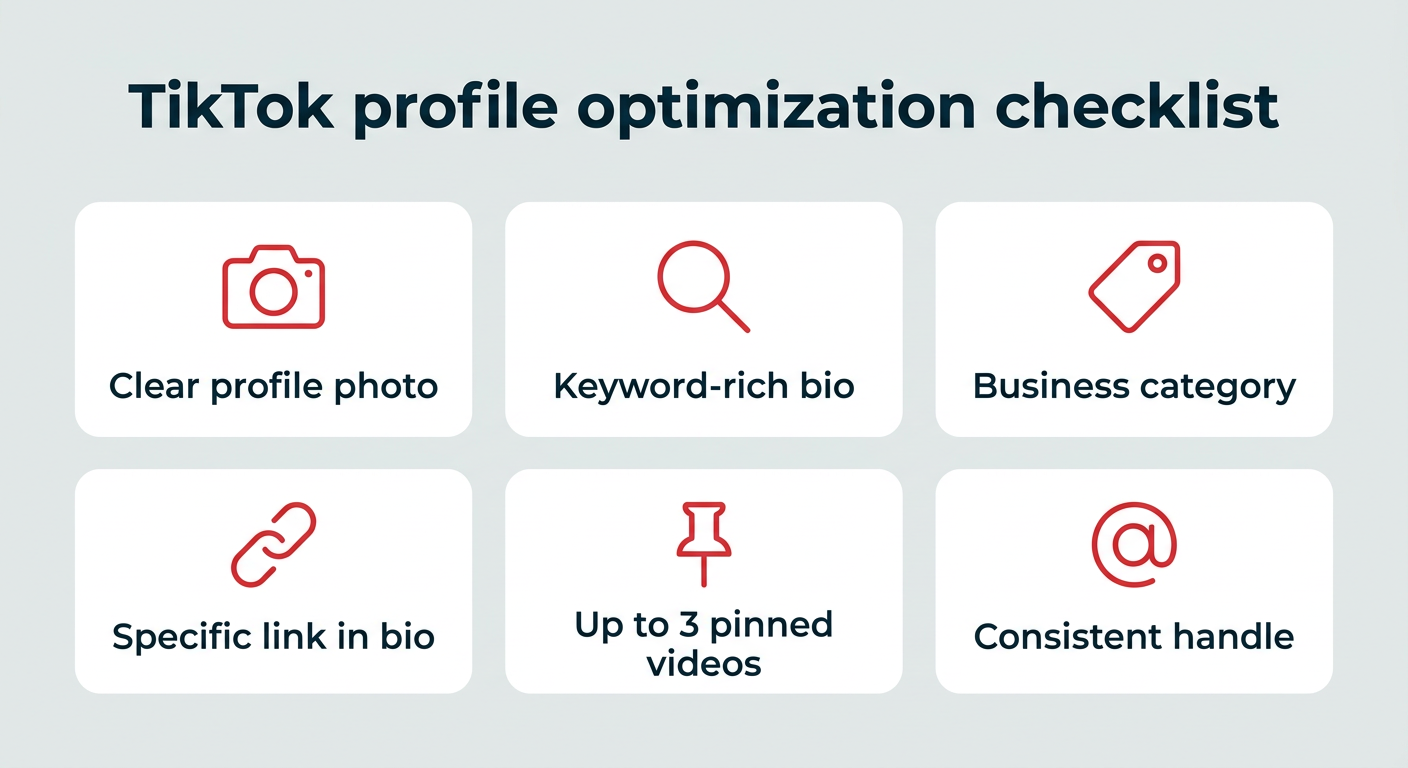
Profile optimization acts as the digital storefront for incoming traffic. Because user profiles are indexed directly by TikTok’s internal search engine, meticulous attention to detail is required. Brands must ensure their handle, display name, and bio incorporate high-intent keywords relevant to their industry. A clear call to action accompanied by a strategic link-in-bio tool directs engaged viewers away from the application and toward corporate websites, e-commerce checkouts, or lead generation landing pages.
Constructing an Eight-Step TikTok Marketing Strategy
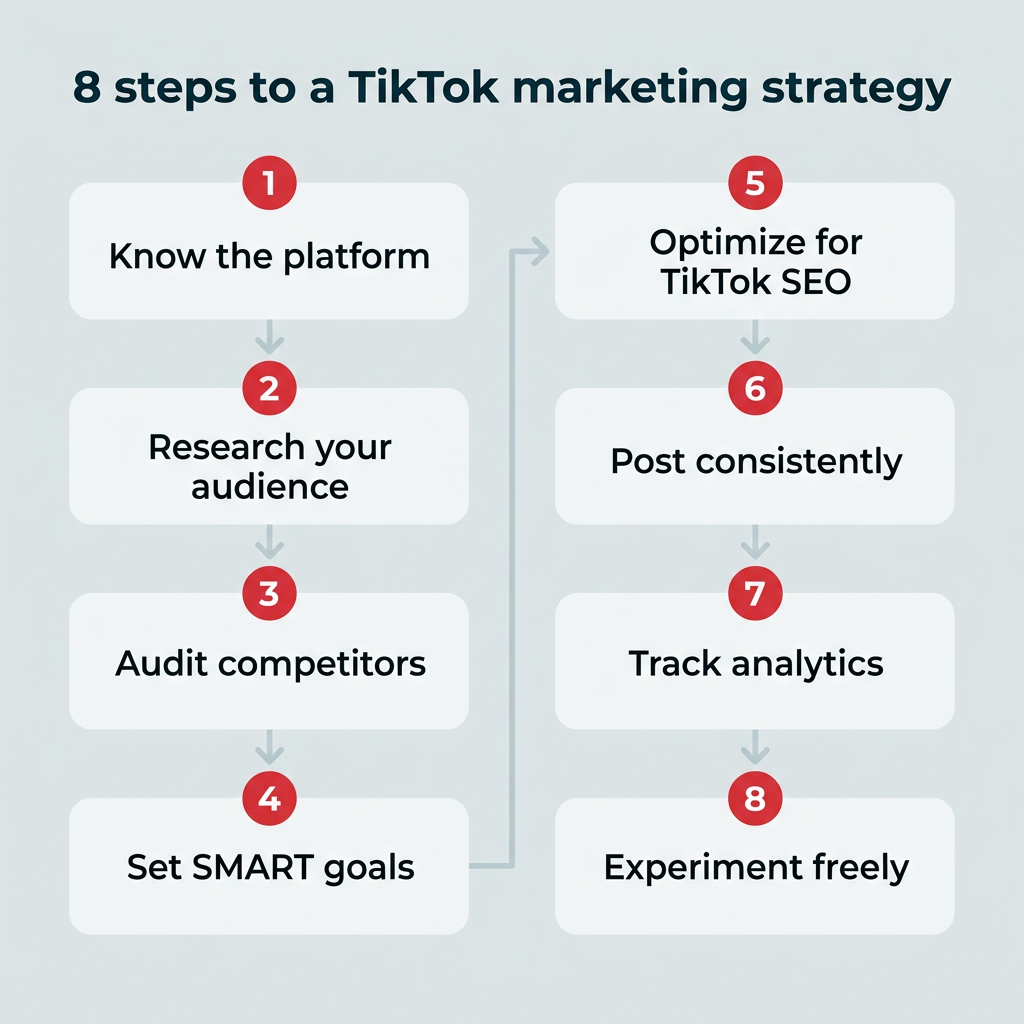
A successful campaign on the platform relies on a repeatable, structured framework. Enterprise teams typically implement an eight-step methodology to align creative output with broader corporate goals:
- Platform Familiarization: Teams must immerse themselves in the application to understand native editing styles, emerging audio trends, and algorithmic shifts by leveraging resources like the TikTok Business Learning Center.
- Audience Research: Analyzing demographic data and audience behavior ensures content aligns with consumer intent, particularly when targeting Millennials and Gen Z segments.
- Competitive Audits: Evaluating competitor performance through frameworks such as SWOT analysis helps identify market gaps and benchmark organic or paid visibility.
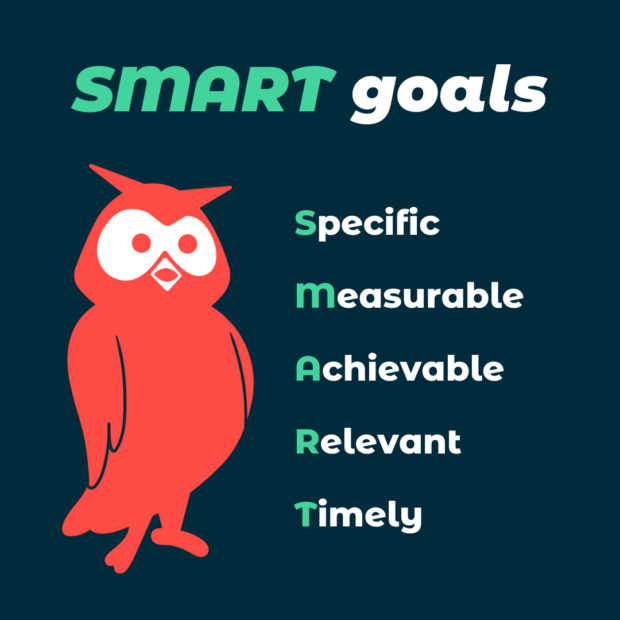
- Goal Alignment: Establishing S.M.A.R.T. (Specific, Measurable, Attainable, Relevant, Timely) goals—such as increasing TikTok-driven web traffic by a specific percentage—ensures accountability.
- Search Engine Optimization: Weaving relevant keywords into captions, on-screen text, and spoken dialogue capitalizes on the nearly half of consumers who use TikTok as a primary search engine.
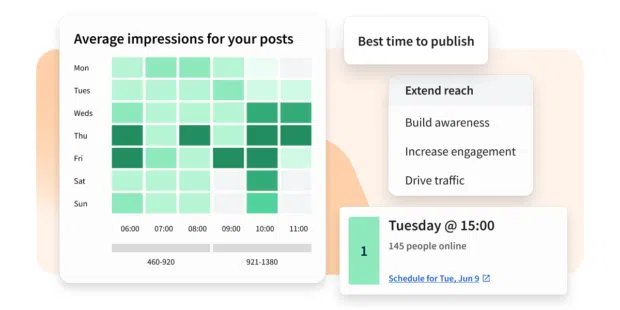
- Consistent Scheduling: Maintaining a regular posting cadence—typically recommended between three to five times per week—keeps content favored by the algorithm. Optimal posting windows, such as Thursday mornings and Saturday midday, maximize initial visibility.
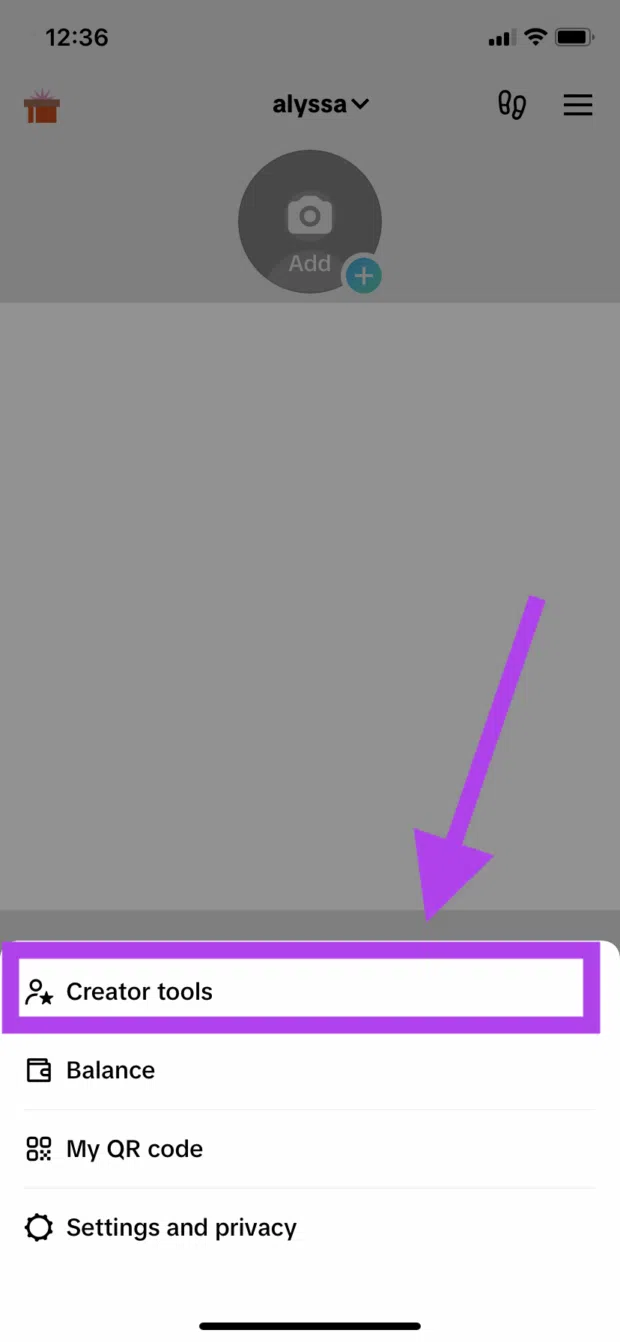
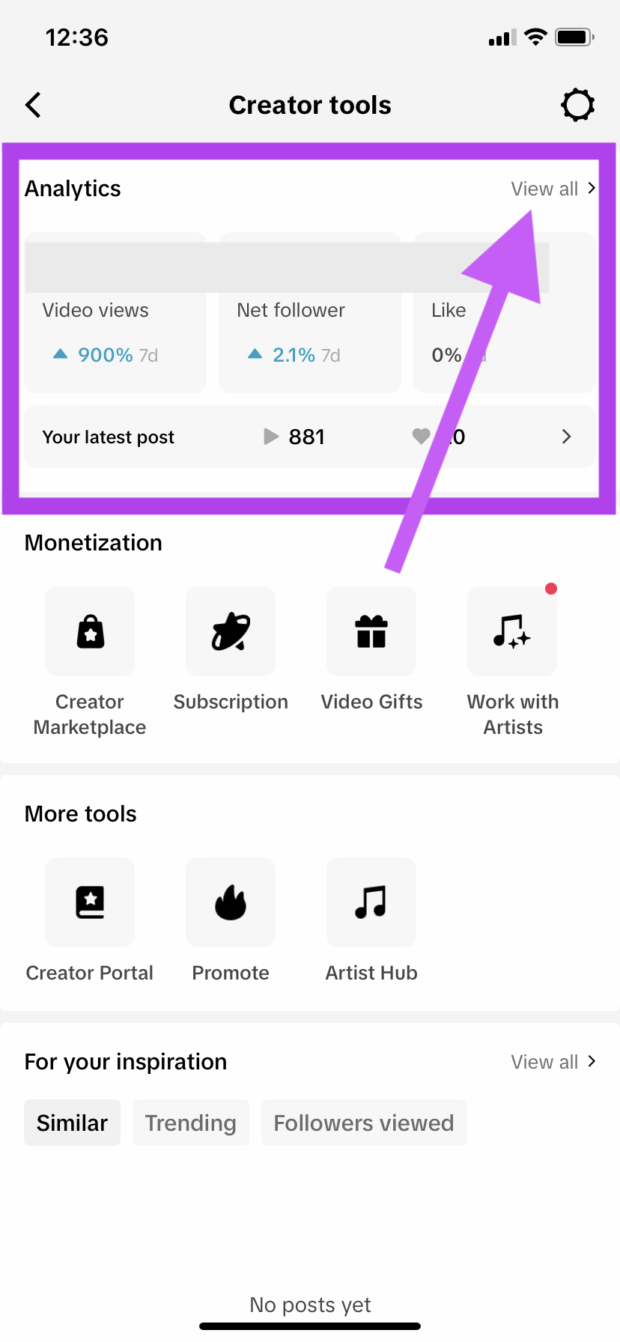
- Performance Tracking: Utilizing native analytics alongside enterprise dashboards allows marketers to calculate precise return on investment (ROI) by comparing generated leads and sales against invested capital.
- Controlled Experimentation: Allocating space for live streams, meme integration, and rapid-response content prevents campaigns from becoming overly rigid and unauthentic.
Influencer Marketing and the Rise of Affiliate Commerce
Collaborations with content creators remain one of the most effective ways to build instant trust with an audience. Unlike traditional endorsements, successful TikTok influencer marketing blends seamlessly into a creator’s organic style, whether through subtle product placement or explicit tutorial integration.
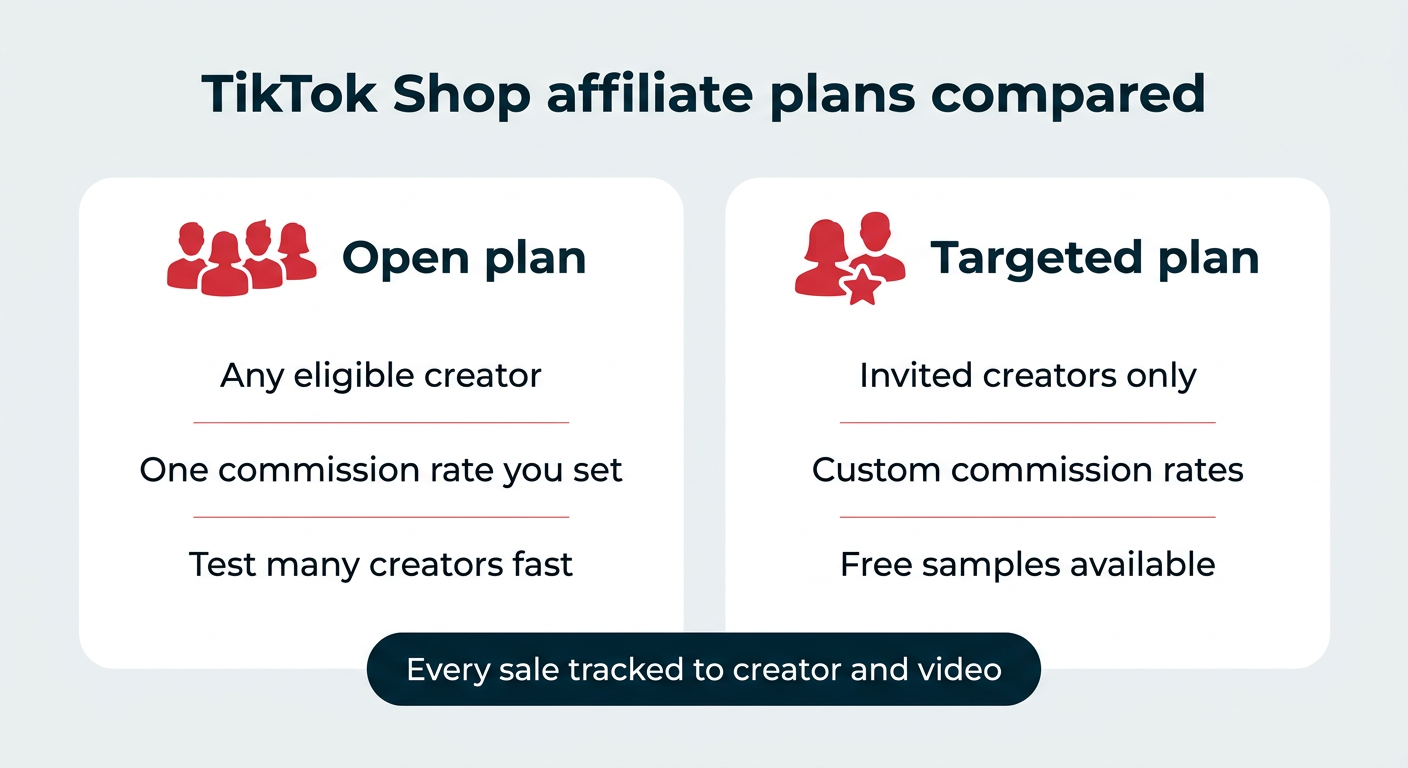
Beyond traditional flat-rate sponsorships, brands are increasingly utilizing performance-based affiliate marketing via TikTok Shop. In this ecosystem, brands list products in the official affiliate marketplace, and creators earn transparent commissions on every trackable sale generated through their videos. Companies can establish open plans accessible to any eligible creator or deploy targeted plans offering custom commission rates and product samples. This model allows brands to test numerous micro-influencers before committing major budgets to top-tier personalities.
Navigating Advertising Formats and Budgetary Requirements
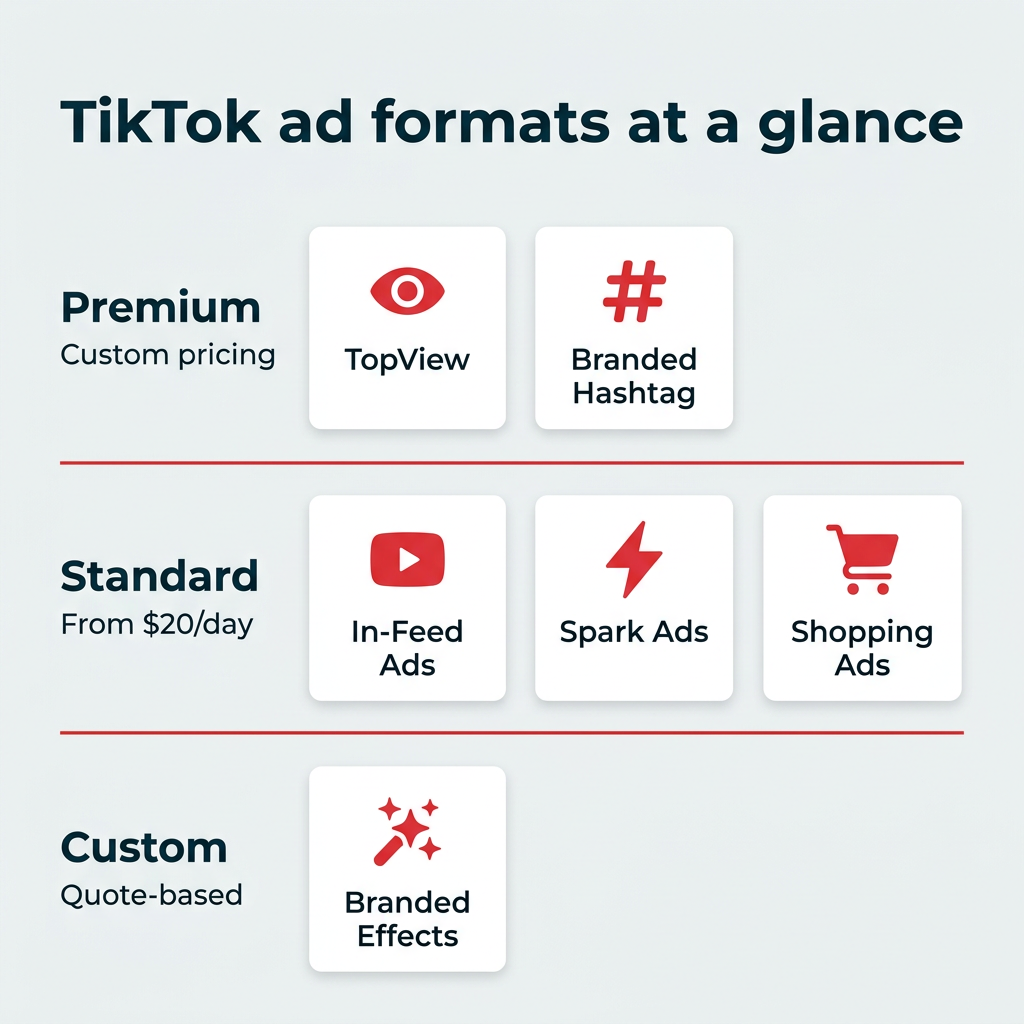
For brands seeking to scale beyond organic reach, TikTok Ads Manager offers a diverse portfolio of paid formats tailored to specific campaign objectives:
- In-Feed Ads: Native video placements within the For You feed designed to drive traffic and web conversions, with minimum daily budgets starting at $20 for ad groups and $50 for campaigns.
- TopView Ads: Premium, full-screen video placements displayed immediately upon opening the application, ideal for major product launches.
- Branded Hashtag Challenges and Effects: Interactive campaigns that invite user participation and user-generated content (UGC) creation through custom filters and branded hashtags.
- Spark Ads: Sponsored boosts applied to existing organic posts—whether from the brand’s profile or a partner creator—maximizing the authenticity of high-performing content.
- Shopping Ads and Search Ads: Product-focused placements and keyword-targeted search results designed to capture high-intent consumer demand directly within the app’s discovery features.
Measuring Success and Avoiding Pitfalls
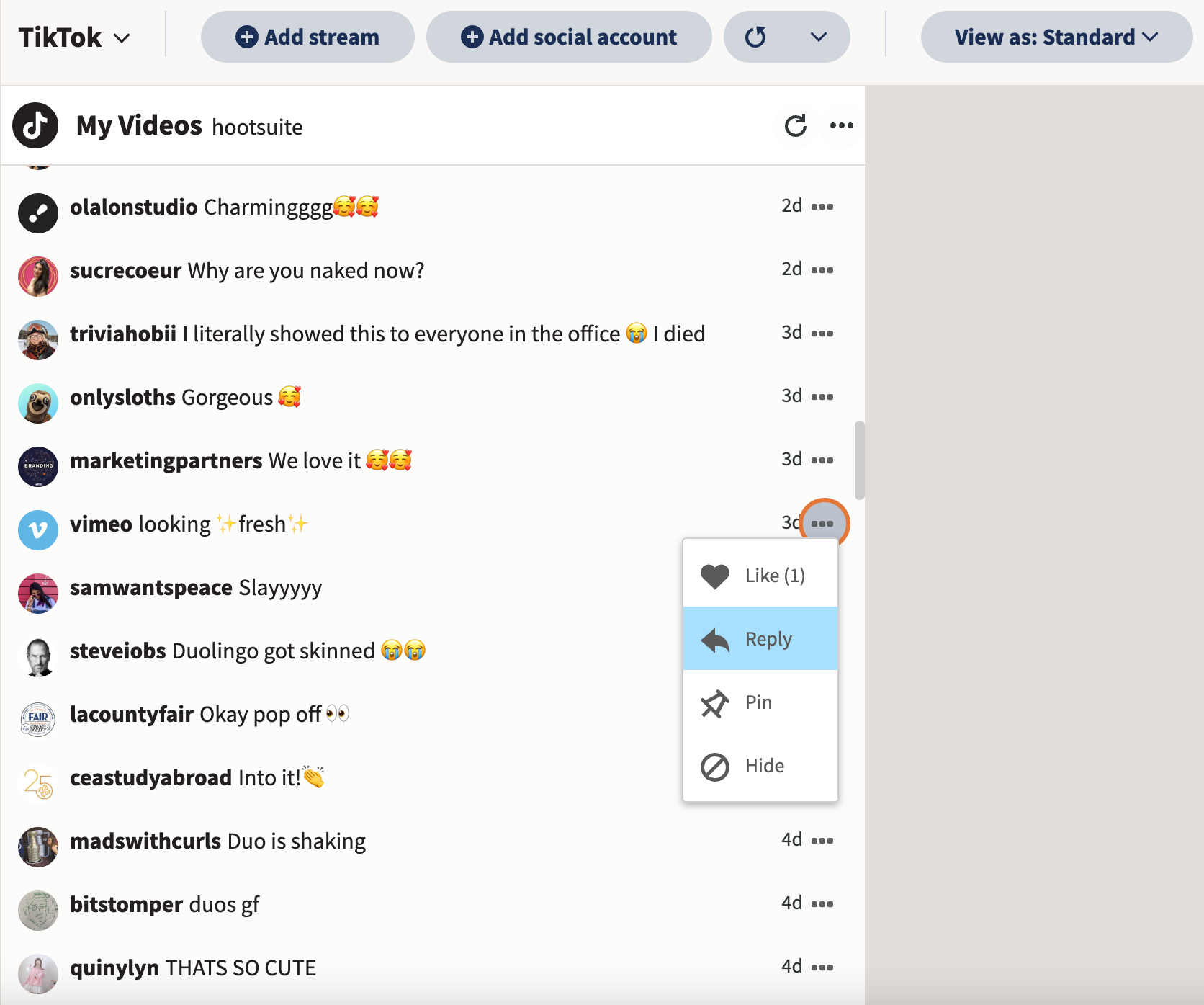
Evaluating the true impact of TikTok marketing requires moving beyond vanity metrics like total views. Modern marketing teams closely monitor engagement rates, save frequencies, click-through rates, and conversion metrics. By integrating platform analytics with centralized management systems, organizations can accurately calculate ROI and defend marketing expenditures to executive leadership.
Common pitfalls often derail otherwise promising campaigns. Brands that treat TikTok as a repository for traditional, highly polished television commercials frequently experience low engagement. The platform rewards native storytelling, rapid-fire hooks within the first three seconds of a video, and active participation in community dialogue. Ignoring comment sections, posting inconsistently, and failing to optimize for internal platform search are additional missteps that hinder organic growth.

Ultimately, mastering TikTok in 2026 requires an operational balance: maintaining rigorous strategic discipline in scheduling and analytics while preserving the creative flexibility necessary to resonate with a culture that values authenticity above corporate polish.