Apple Secures Critical Victory in Masimo Patent Dispute Over Apple Watch Blood Oxygen Feature

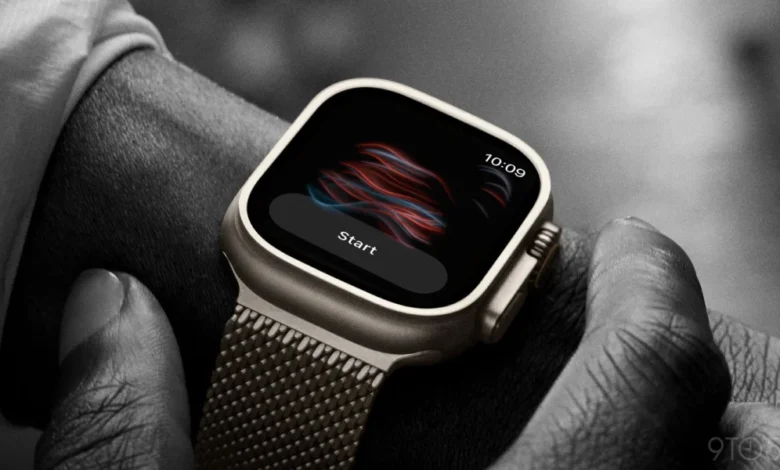
Apple has achieved a significant legal triumph in its protracted patent dispute with health technology firm Masimo concerning the blood oxygen monitoring capabilities integrated into the Apple Watch. This latest decision by the International Trade Commission (ITC) effectively rejects Masimo’s efforts to reinstate an import ban on Apple’s flagship wearable devices, marking a pivotal moment in a closely watched intellectual property battle. The ruling clears the path for Apple to continue offering its redesigned blood oxygen feature to consumers in the United States, underscoring the complexities and high stakes of innovation in the rapidly evolving health technology sector.
The Genesis of a High-Stakes Legal Battle
The contentious legal saga between Apple and Masimo began several years ago, centered on allegations of patent infringement related to the pulse oximetry technology used in the Apple Watch. Masimo, a global leader in non-invasive patient monitoring technologies for hospitals and healthcare providers, accused Apple of poaching its employees and illicitly acquiring its proprietary sensor technology for the Apple Watch’s blood oxygen feature. Masimo’s core business revolves around advanced signal processing and sensor technologies, particularly in pulse oximetry, which measures blood oxygen saturation levels (SpO2). The company’s long-standing expertise in this field led it to assert that Apple’s implementation infringed upon its patented inventions.
For Apple, the integration of health monitoring features into the Apple Watch has been a cornerstone of its product strategy, transforming the device from a mere smartwatch into a powerful health and wellness companion. The blood oxygen sensor, introduced with the Apple Watch Series 6 in September 2020, was touted as a crucial addition, offering users insights into their respiratory and overall health. This feature allows users to measure their SpO2 levels on demand and track trends over time, providing data that can be indicative of underlying health conditions or changes in fitness levels. The ability to monitor blood oxygen levels gained particular prominence during the COVID-19 pandemic, as low SpO2 was recognized as a potential early indicator of severe illness. The feature’s inclusion underscored Apple’s ambition to position the Apple Watch as a leading personal health device, capable of providing actionable health insights beyond traditional fitness tracking.
Masimo’s legal offensive commenced in January 2020 with a lawsuit alleging patent infringement and trade secret misappropriation. This was followed by a complaint filed with the U.S. International Trade Commission, an independent federal agency responsible for investigating unfair trade practices, including those involving patent infringement. The ITC’s role is particularly significant because it has the authority to issue exclusion orders (import bans) on products found to infringe U.S. patents, offering a powerful remedy that can significantly disrupt global supply chains and market access.

A Legal Gauntlet: The ITC’s Role and Rulings
The ITC proceedings proved to be a protracted and intricate affair. Following an extensive investigation, an Administrative Law Judge (ALJ) initially found that Apple had infringed on certain Masimo patents. This finding was subsequently affirmed by the full Commission in October 2023. The ITC then issued a limited exclusion order (LEO), which prohibited the import and sale of Apple Watch models found to infringe Masimo’s patents, specifically the Apple Watch Series 9 and Apple Watch Ultra 2, as well as earlier models containing the disputed blood oxygen feature.
This decision sent shockwaves through the technology industry and among consumers. In compliance with the ITC’s order, and to avoid a blanket import ban that would impact its crucial holiday sales period, Apple took the extraordinary step of temporarily halting sales of the Apple Watch Series 9 and Apple Watch Ultra 2 in the U.S. in December 2023. This move highlighted the immediate and severe impact of ITC rulings. While the ban was briefly paused by a federal appeals court, it was later reinstated, forcing Apple to continue exploring its options. The sales halt was a stark reminder of the power of intellectual property rights and the potential for legal disputes to disrupt even the largest global corporations. The temporary suspension of sales was a significant logistical and public relations challenge for Apple, particularly given the popularity of the Apple Watch, which commands a dominant share of the global smartwatch market, estimated at over 30%. Annual Apple Watch sales figures are not publicly disclosed by Apple, but analysts estimate tens of millions of units are sold worldwide each year, with a substantial portion in the U.S. market.
Apple’s Redesign and Its Validation
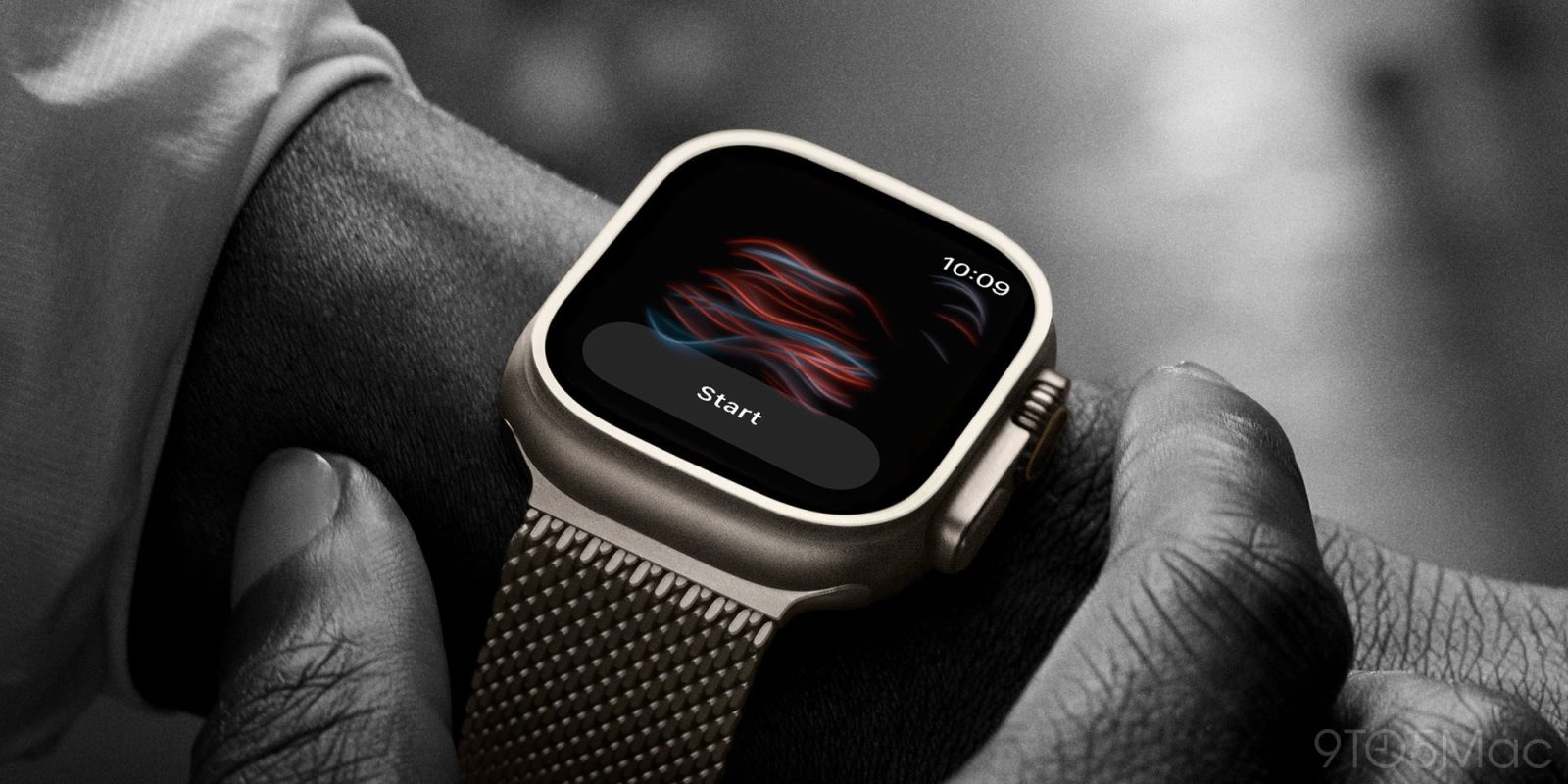
In response to the ITC’s exclusion order, Apple embarked on a rapid and substantial redesign of its blood oxygen monitoring feature. The goal was to develop a version that would fall outside the scope of Masimo’s patents and the existing ban. This involved re-engineering aspects of the technology, with reports indicating that the redesigned version shifted a greater portion of the processing of collected data to the paired iPhone, rather than solely relying on the on-device processing within the Apple Watch itself. This strategic modification aimed to differentiate Apple’s implementation sufficiently to circumvent the infringement claims.
Once the redesigned Apple Watches were ready, Apple sought approval from U.S. Customs and Border Protection (CBP) to confirm that these updated devices no longer infringed Masimo’s patents and could therefore be imported and sold in the U.S. The CBP ultimately approved Apple’s redesigned watches, concluding that they did not infringe the Masimo patents cited in the exclusion order. This approval allowed Apple to resume sales of the Apple Watch Series 9 and Apple Watch Ultra 2 with the blood oxygen feature enabled in the U.S. market, much to the relief of the company and its customers.
Predictably, Masimo strongly contested this decision. The company filed petitions arguing that Apple’s redesigned feature still fell within the scope of the existing exclusion order, and simultaneously challenged the CBP’s determination. This led to a new round of proceedings before the ITC, specifically an enforcement proceeding to determine whether the redesigned products continued to violate the initial ban.
The Final Decision: ITC Declines Review
The recent decisions leading to today’s outcome began to unfold in March 2026. An Administrative Law Judge (ALJ) in the enforcement proceeding issued an Enforcement Initial Determination (EID) on March 18, 2026. This EID ultimately concluded that "the accused redesigned products did not infringe the asserted claims of the Asserted Patents." This was a crucial preliminary victory for Apple, signaling that its engineering efforts had been successful in addressing the infringement concerns.
Following the ALJ’s ruling, both Masimo and Apple filed petitions for Commission review of the EID on March 25, 2026, as is standard practice in such proceedings. On March 30, 2026, both parties submitted their responses to these petitions. The final and decisive step in this stage of the legal battle arrived today when the full International Trade Commission announced its determination "not to review the EID."
The ITC’s decision effectively means that the Commission concurred with the ALJ’s finding of non-infringement regarding Apple’s redesigned blood oxygen feature. The official statement from the ITC clarified: "This combined proceeding is hereby terminated in its entirety with the conclusion that the accused redesigned products do not infringe the Asserted Patents, and therefore, they should not be excluded pursuant to the terms of the LEO."
This ruling is a definitive victory for Apple, at least at the ITC level. It puts an end to Masimo’s immediate efforts to reinstate the import ban on the redesigned Apple Watch models and affirms Apple’s ability to sell these devices with the blood oxygen monitoring feature active in the U.S.
Reactions from the Parties
Apple immediately issued a statement expressing its satisfaction with the outcome. In a message to 9to5Mac, the company stated: "We thank the ITC for its decision, which ensures we can continue to offer this important health feature to our users. For more than six years, Masimo has waged a relentless legal campaign against Apple, and nearly all of its claims have been rejected. We will always defend our innovations, and remain focused on what we do best: delivering the best products and services in the world for our users."

The statement further emphasized Apple’s commitment to health innovation, highlighting its pleasure in continuing to offer the redesigned Blood Oxygen feature alongside other critical health functionalities such as the ECG app, and notifications for hypertension and irregular rhythms. Apple underscored the extensive research and development efforts its teams have dedicated to creating and delivering health, wellness, and safety features across its product ecosystem, with a steadfast focus on user privacy. This comprehensive suite of health features positions the Apple Watch as a critical tool for personal health management, reflecting Apple’s long-term vision for its wearable technology.
While Masimo has not yet released an official statement regarding this specific decision, it is highly probable that the company will express disappointment. Given their persistent legal actions and strong assertions of patent infringement, Masimo is likely to consider its remaining legal avenues. The most probable next step for Masimo would be to appeal the ITC’s decision to the U.S. Court of Appeals for the Federal Circuit, which has jurisdiction over patent appeals. Such an appeal would prolong the legal dispute, but it would also face a high bar for overturning the ITC’s findings, particularly given the detailed administrative process and the ITC’s specialized expertise in trade and patent matters.
Broader Implications for Apple and the Wearables Market
This ITC ruling carries significant implications for Apple, the broader wearables market, and the landscape of patent litigation in the technology sector. For Apple, the immediate benefit is the stability of its product offerings in a crucial market. The ability to continue selling the Apple Watch with the blood oxygen feature intact ensures that a key selling point and health capability remains available to U.S. consumers. This is vital for maintaining the Apple Watch’s competitive edge against rivals like Samsung, Google (Fitbit), and Garmin, all of whom offer various health monitoring features.
The outcome also validates Apple’s strategy of investing heavily in its own research and development to create and, if necessary, re-engineer technologies to avoid patent infringement. It demonstrates that a substantial redesign effort, combined with robust legal arguments, can successfully navigate complex intellectual property challenges. This approach, while costly and time-consuming, has proven effective in safeguarding Apple’s product roadmap and market access.
For the wearables market, the decision reinforces the trend of increasingly sophisticated health features becoming standard in consumer devices. Blood oxygen monitoring, once primarily found in clinical settings, is now a widely expected capability in premium smartwatches. This legal clarity could encourage further innovation in health tech, as companies gain a better understanding of the boundaries of existing patents and the pathways for developing new, non-infringing solutions. The incident also highlights the intense competition and the importance of intellectual property in differentiating products and protecting market share.

The case also serves as a critical precedent in patent law, particularly concerning "workarounds" or redesigned products in response to infringement findings. It underscores the judiciary’s willingness to evaluate the technical merits of such redesigns and to validate them if they genuinely avoid the scope of the original patents. This could influence how other technology companies approach patent disputes and product development in areas with dense patent thickets. The cost of such litigation, both in financial terms and in diversion of resources, is immense, estimated to be in the hundreds of millions for both parties combined over several years. This underscores the strategic importance of IP to technology giants.
The Future of Health Monitoring on Wearables
Looking ahead, the resolution of this specific dispute allows Apple to focus on its next generation of health innovations for the Apple Watch. Rumors and patent filings suggest Apple is exploring advanced health features such as non-invasive blood glucose monitoring, blood pressure measurement, and enhanced sleep tracking. These features, if successfully implemented, would further cement the Apple Watch’s position as a leading personal health device, blurring the lines between consumer electronics and medical-grade monitoring tools.
The regulatory environment for such advanced health features is also evolving. As consumer wearables incorporate more sophisticated medical-grade sensors, they increasingly come under the scrutiny of health regulatory bodies like the FDA. Apple has historically pursued FDA clearance for certain features, like the ECG app, to ensure accuracy and build trust. This dual challenge of navigating patent law and regulatory approval will continue to shape the development and market introduction of future health technologies.
Conclusion and Outlook
Apple’s victory at the ITC marks a significant milestone in its ongoing legal battle with Masimo. By declining to review the Administrative Law Judge’s finding, the Commission has effectively closed this chapter of the dispute, affirming that Apple’s redesigned blood oxygen feature does not infringe Masimo’s patents. This decision allows Apple to maintain its competitive position in the lucrative wearables market and continue its ambitious pursuit of integrating advanced health features into its products.
While Masimo retains the option to appeal the decision to the Federal Circuit, the immediate impact is a clear win for Apple. This outcome not only safeguards a key feature of the Apple Watch but also provides valuable insights into the strategies companies employ to navigate complex patent landscapes in the fast-paced world of health technology. As the digital health revolution continues, the interplay between innovation, intellectual property, and legal challenges will remain a defining characteristic of the industry.