Apple Store Goes Down Ahead Of Let Loose Ipad Event

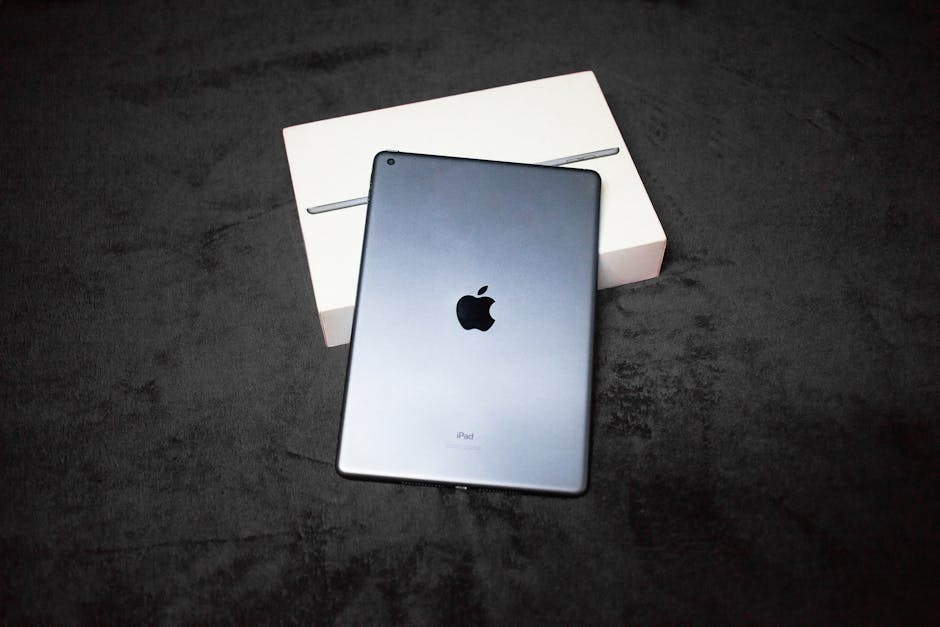
Apple Store Goes Down Ahead of Let Loose iPad Event: What It Means and What to Expect
The Apple Store, a digital retail front that underpins billions in sales and serves as the primary gateway for customers to purchase the company’s latest devices and accessories, experienced a significant outage just hours before Apple’s highly anticipated "Let Loose" iPad event on May 7, 2024. This unexpected downtime, affecting not only the online storefront but also the Apple Store app, immediately sparked speculation and concern within the tech community and among eager consumers. Such widespread system failures, especially preceding a major product announcement, are rarely coincidental and often point to preparations for significant operational shifts, software updates, or, most importantly, the imminent rollout of new hardware.
The timing of the Apple Store’s unavailability is a critical indicator. Apple’s infrastructure is meticulously managed, with maintenance windows typically scheduled during off-peak hours or communicated well in advance. An unplanned, global shutdown of its primary sales channel, mere hours before a keynote presentation designed to generate immense public interest and, consequently, sales, strongly suggests a deliberate action. This deliberate action is almost certainly related to the "Let Loose" event itself. Retailers, especially those dealing in high-demand, premium electronics like Apple, routinely take their online stores offline to prepare for new product launches. This process involves updating product pages, adjusting pricing, configuring inventory management systems, and ensuring the seamless integration of new product SKUs into their checkout and order fulfillment pipelines. The absence of the Apple Store signifies that the backend systems are being populated with the details of the new iPads, accessories, and potentially even new software or service bundles that will be unveiled during the event.
This outage also serves as a de facto marketing tool, albeit an unintentional one. The sudden disappearance of the Apple Store from the digital landscape generates buzz. Tech journalists, bloggers, and social media influencers immediately begin reporting on the downtime, dissecting its potential causes. This coverage amplifies the anticipation for the "Let Loose" event, creating a sense of urgency and excitement around what Apple is about to reveal. Consumers, seeing the store offline, are naturally drawn to news outlets and social media to understand why and what new products might be the reason for the disruption. It’s a modern-day equivalent of a store putting up “Closed for Inventory” signs, but on a global, digital scale, with the added mystique of an impending reveal.
The technical implications of the Apple Store going down are multifaceted. For Apple, it represents a moment of controlled vulnerability. While system stability is paramount, these planned downtimes are a necessary evil to ensure a smooth launch. The process involves deploying new code, updating databases, and synchronizing inventory across multiple regions and distribution centers. Any glitches during this phase could lead to significant financial losses and reputational damage if the store remains inaccessible for an extended period after the event. Therefore, Apple’s engineering teams are working under immense pressure to ensure that once the "Let Loose" event concludes and the store is brought back online, the new products are immediately available for pre-order or purchase without any technical hitches. This also includes ensuring the website can handle the anticipated surge in traffic. Apple’s servers are famously robust, designed to withstand massive load, but even they can be strained by an immediate influx of millions of users attempting to purchase newly released, highly sought-after devices.
From a consumer perspective, the downtime creates a palpable sense of anticipation. For those eagerly awaiting new iPad models, the inaccessible store signifies that the wait is almost over. It fuels speculation about the specific devices that will be launched. Given Apple’s product development cycles and recent rumors, it is highly probable that the "Let Loose" event will focus on a refreshed iPad lineup. This could include updated iPad Pro models, likely featuring Apple’s next-generation M-series chips (perhaps the M3 or even an early M4 variant), improved OLED displays for enhanced contrast and brightness, and potentially new design elements. The iPad Air is also a strong candidate for an update, possibly incorporating larger screen sizes and a chip upgrade to bring it closer to Pro model performance while maintaining a more accessible price point. Less likely, but not impossible, are updates to the base iPad or iPad Mini, though these tend to receive less frequent overhauls.
The specific phrasing of the "Let Loose" event invitation also offers clues. "Let Loose" suggests freedom, creativity, and perhaps a more powerful, uninhibited user experience. This aligns perfectly with the potential advancements in iPad Pro models, which are increasingly positioned as laptop replacements for creative professionals and power users. Enhanced processing power, improved display technology, and new Apple Pencil and Magic Keyboard accessories could all contribute to this narrative of unleashing potential. The downtime of the Apple Store is a prelude to the unveiling of these very tools that will "let loose" user creativity and productivity.
Beyond hardware, the "Let Loose" event could also see software enhancements tailored to the iPad. With the ongoing evolution of iPadOS, Apple might introduce new features or optimizations specifically designed to leverage the power of the updated hardware. This could include more robust multitasking capabilities, improved integration with macOS, or specialized creative applications that take full advantage of the iPad’s touch-first interface and stylus input. The Apple Store outage, in this context, is also about preparing to sell not just devices, but an entire ecosystem of hardware, software, and services designed to work in harmony.
The economic implications of such an outage, even if brief and planned, are significant. Apple generates billions of dollars in revenue through its online store. Any extended downtime could translate into lost sales. However, the strategic advantage of a synchronized product launch, where all sales channels and marketing efforts are aligned for maximum impact, often outweighs the short-term revenue disruption. The days and weeks following a major Apple product launch are typically characterized by extremely high sales volumes. By taking the store down beforehand, Apple ensures that when it comes back online, the purchase process for the new products is as seamless and efficient as possible, maximizing conversion rates and customer satisfaction for the most critical sales period.
Furthermore, the Apple Store downtime is a clear signal to competitors. It announces to the market that a major product announcement is imminent, forcing other tech companies to recalibrate their own product launch strategies and marketing efforts. It sets the pace of the industry and often dictates the narrative for the coming months in the consumer electronics space. The anticipation generated by the outage and the subsequent event ensures that Apple remains at the forefront of consumer attention, a crucial element in maintaining its market dominance.
The process of bringing the Apple Store back online after such an event is a carefully orchestrated operation. Apple will likely deploy a phased rollout, gradually bringing different regional storefronts and specific product categories back online. This helps to manage server load and allows for last-minute checks and balances. The event itself will serve as the primary trigger for the store’s full restoration, with the most anticipated new products becoming available for purchase immediately after their on-stage reveal. The immediate availability of new products, facilitated by the prior downtime, is a hallmark of Apple’s launch strategy, designed to capitalize on peak consumer interest.
SEO considerations are paramount for any discussion surrounding Apple’s product launches and store operations. Keywords such as "Apple Store down," "iPad event," "Let Loose," "Apple outage," "new iPad," "iPad Pro," "iPad Air," "Apple M3 chip," "OLED iPad," and "iPad release date" are highly searched terms. By incorporating these naturally within a comprehensive article that explains the "why" and "what" of the situation, the content can rank effectively in search engine results pages. The intention is to capture users actively searching for information about the Apple Store’s status and the upcoming "Let Loose" event, providing them with valuable insights and context.
In conclusion, the Apple Store’s temporary unavailability ahead of the "Let Loose" iPad event is not an anomaly but a strategic maneuver. It is a necessary step in the meticulous preparation for launching new, highly anticipated products. The downtime signifies the backend work of updating product listings, inventory, and sales systems. Simultaneously, it fuels public anticipation and generates widespread media attention, amplifying the impact of the event. For consumers, it’s the final countdown to experiencing Apple’s latest innovations, particularly in the iPad category, where advancements in processing power, display technology, and software are expected to further blur the lines between tablets and traditional computers, truly allowing users to "Let Loose" their creative and productive potential. The seamless restoration of the Apple Store, coupled with the immediate availability of new devices, will be the ultimate test of Apple’s operational prowess, ensuring that this period of digital silence culminates in a thunderous wave of sales and customer satisfaction.


