Biden Offers Support For Indigenous Nations To Compete Under Collective Flag In 2028 Olympics
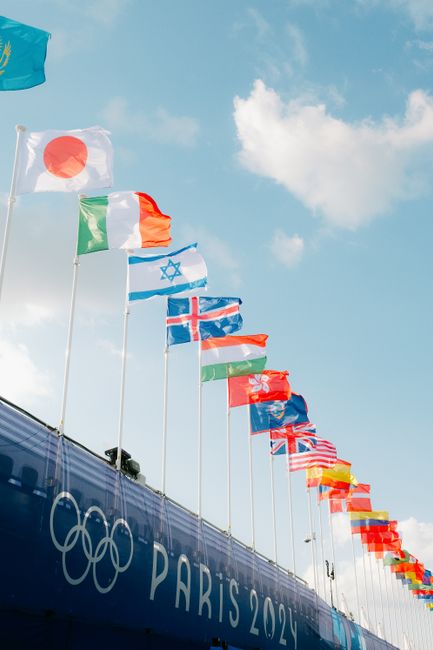
Biden Offers Support for Indigenous Nations to Compete Under Collective Flag in 2028 Olympics
President Joe Biden’s administration has signaled a groundbreaking shift in recognition and support for Indigenous peoples on the global stage, with a specific focus on enabling Indigenous nations to compete collectively under their own banner at the 2028 Los Angeles Olympic Games. This initiative represents a significant departure from traditional Olympic participation models, which have historically confined athletes to representing existing nation-states. The potential for Indigenous nations to form a unified team, drawing athletes from diverse tribal communities across North America and potentially beyond, is a powerful statement of self-determination and cultural affirmation. The announcement, while still in its preliminary stages, has ignited considerable enthusiasm within Indigenous communities and among advocates for Indigenous rights, who see it as a crucial step towards greater visibility and empowerment. The logistical, political, and cultural considerations surrounding such a venture are immense, but the prospect of Indigenous athletes standing shoulder-to-shoulder, representing their shared heritage rather than solely their nation-state affiliations, offers a compelling vision for the future of international sport.
The genesis of this initiative lies in a deepening understanding within the Biden administration of the historical marginalization and underrepresentation of Indigenous peoples in international forums. The Olympics, as a pinnacle of global athletic achievement and cultural exchange, presents a unique opportunity to rectify this historical imbalance. By supporting a collective Indigenous team, the U.S. government is not only acknowledging the distinct identities and sovereign status of Indigenous nations but also actively facilitating their participation in a globally recognized event on their own terms. This moves beyond mere symbolic gestures, aiming to create tangible pathways for Indigenous athletes to showcase their talents and cultural resilience on a platform that has, for too long, overlooked their contributions. The 2028 Los Angeles Games are strategically positioned as a focal point for this endeavor, leveraging the significant Indigenous presence and heritage in California and the broader West Coast. This geographical proximity offers a unique advantage in fostering collaboration and logistical support.
The implications of Indigenous nations competing under a collective flag are far-reaching. Firstly, it offers a powerful platform for the assertion of Indigenous sovereignty and distinct national identities. In a world often characterized by assimilationist pressures, the ability for Indigenous peoples to represent themselves as distinct political and cultural entities on the Olympic stage is a profound act of self-determination. It allows for the showcasing of a rich tapestry of Indigenous cultures, traditions, and athletic prowess that has often been subsumed or ignored within the narratives of dominant nation-states. This collective representation can foster a sense of shared identity and solidarity among disparate Indigenous communities, transcending geographical boundaries and historical divisions. It provides a visible reminder of the enduring strength and resilience of Indigenous peoples, their ancient athletic traditions, and their contemporary contributions to the world of sport.
Furthermore, the initiative has the potential to address historical injustices and the ongoing legacy of colonialism. For centuries, Indigenous athletes have often been forced to choose between representing the nations that colonized them or foregoing the opportunity to compete on an international stage. The establishment of a collective Indigenous Olympic team dismantles this problematic dichotomy, offering a more inclusive and equitable pathway. It signifies a commitment to recognizing and honoring Indigenous peoples as distinct peoples with inherent rights, including the right to self-determination and cultural expression. The narrative surrounding Indigenous participation will shift from one of assimilation to one of affirmation, celebrating the diversity and richness of Indigenous cultures and histories through the universal language of sport.
The logistical and organizational challenges of establishing a collective Indigenous Olympic team are substantial and require careful consideration. This includes developing a unified governance structure that respects the sovereignty of individual Indigenous nations while ensuring cohesive decision-making. Defining eligibility criteria for athletes, establishing a selection process, and securing necessary funding for training, travel, and equipment will be critical. The formation of a representative body, potentially involving delegates from various Indigenous nations and sports organizations, will be paramount to navigate these complexities. Collaboration with existing Olympic committees and international sporting federations will also be essential to ensure recognition and seamless integration into the Olympic framework. The U.S. Olympic and Paralympic Committee (USOPC) will undoubtedly play a pivotal role in facilitating this process, working in conjunction with Indigenous leadership.
The cultural aspect of a collective Indigenous team is perhaps its most compelling element. Beyond the athletic competition, this initiative offers an unparalleled opportunity for cultural exchange and education. Indigenous athletes would carry with them the stories, traditions, and artistic expressions of their peoples, sharing them with a global audience. The opening and closing ceremonies, as well as the broader Olympic village experience, would become vibrant showcases of Indigenous heritage. This could involve traditional performances, art exhibitions, and educational dialogues, fostering greater understanding and appreciation of Indigenous cultures among non-Indigenous populations. Such cultural immersion can help to dismantle stereotypes and promote a more nuanced and respectful understanding of Indigenous peoples and their contributions to the global community. The "collective flag" itself would likely be a powerful symbol, perhaps incorporating elements that represent the diversity of Indigenous nations.
The economic implications of this initiative are also noteworthy. A collective Indigenous Olympic team could stimulate economic development within Indigenous communities through increased tourism, cultural tourism, and the promotion of Indigenous-owned businesses and enterprises. The global visibility afforded by the Olympics can create new markets for Indigenous art, crafts, and sustainable products. Furthermore, the investment in athlete development and training programs can create educational and employment opportunities for Indigenous youth, fostering a pipeline of talent and leadership within these communities. The economic benefits extend beyond direct participation, creating a ripple effect that can strengthen Indigenous economies and promote self-sufficiency.
The Biden administration’s commitment to this initiative, as evidenced by President Biden’s offer of support, signals a significant policy shift and a recognition of the importance of Indigenous rights in foreign policy and international relations. This is not merely a sporting endeavor; it is a political and social statement about the recognition of Indigenous peoples as distinct and sovereign entities on the world stage. The long-term vision is to create a lasting legacy of Indigenous empowerment and visibility that extends far beyond the 2028 Olympic Games. This could pave the way for future opportunities for Indigenous nations to participate in other international forums and events, further solidifying their place in the global community.
The SEO potential of this narrative is substantial. Keywords such as "Indigenous Olympics," "Native American Olympics," "2028 Los Angeles Olympics," "Indigenous sovereignty," "Indigenous rights," "collective Indigenous flag," "Biden Indigenous support," and "Native American athletes" will be crucial for attracting relevant audiences. The story taps into themes of cultural identity, empowerment, and historical recognition, which resonate deeply with a broad spectrum of internet users. Optimizing content for these keywords, along with the use of compelling headlines and descriptive meta tags, will be essential for maximizing reach and engagement.
The path to a collective Indigenous Olympic team for 2028 is undoubtedly complex, fraught with historical baggage and requiring immense dedication and collaboration. However, the prospect of Indigenous nations uniting under their own banner, proudly representing their heritage and athletic prowess on the world’s grandest stage, is a powerful and inspiring vision. President Biden’s support marks a critical turning point, signaling a commitment to a more inclusive and equitable future for Indigenous peoples in the realm of international sport and beyond. The journey ahead will demand thoughtful planning, unwavering commitment from all stakeholders, and a deep respect for the diverse sovereign nations that comprise the Indigenous peoples of North America. The potential rewards, in terms of cultural affirmation, political empowerment, and global recognition, are immense, making this initiative a truly historic undertaking. The "collective flag" will not just represent athletes; it will symbolize generations of resilience, enduring spirit, and the unwavering pursuit of self-determination. The world will be watching, and learning, as this groundbreaking chapter in Olympic history unfolds.


