Tesla Preparing to Wind Down Cybertruck Production at Texas Gigafactory by Mid-2027 to Make Way for Cybercab Robotaxis

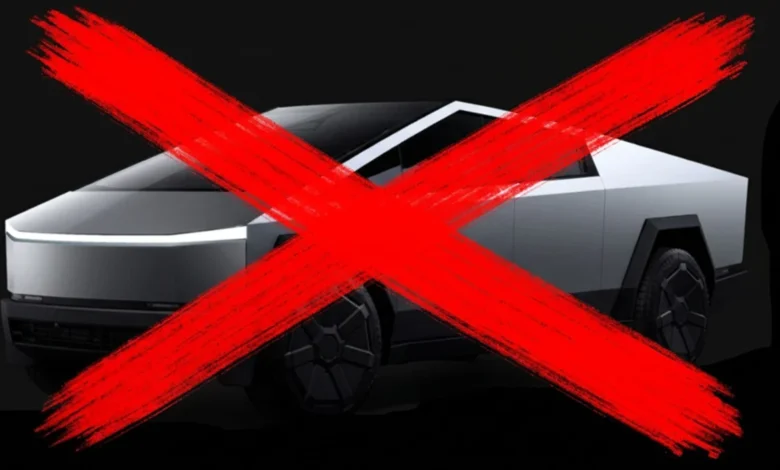
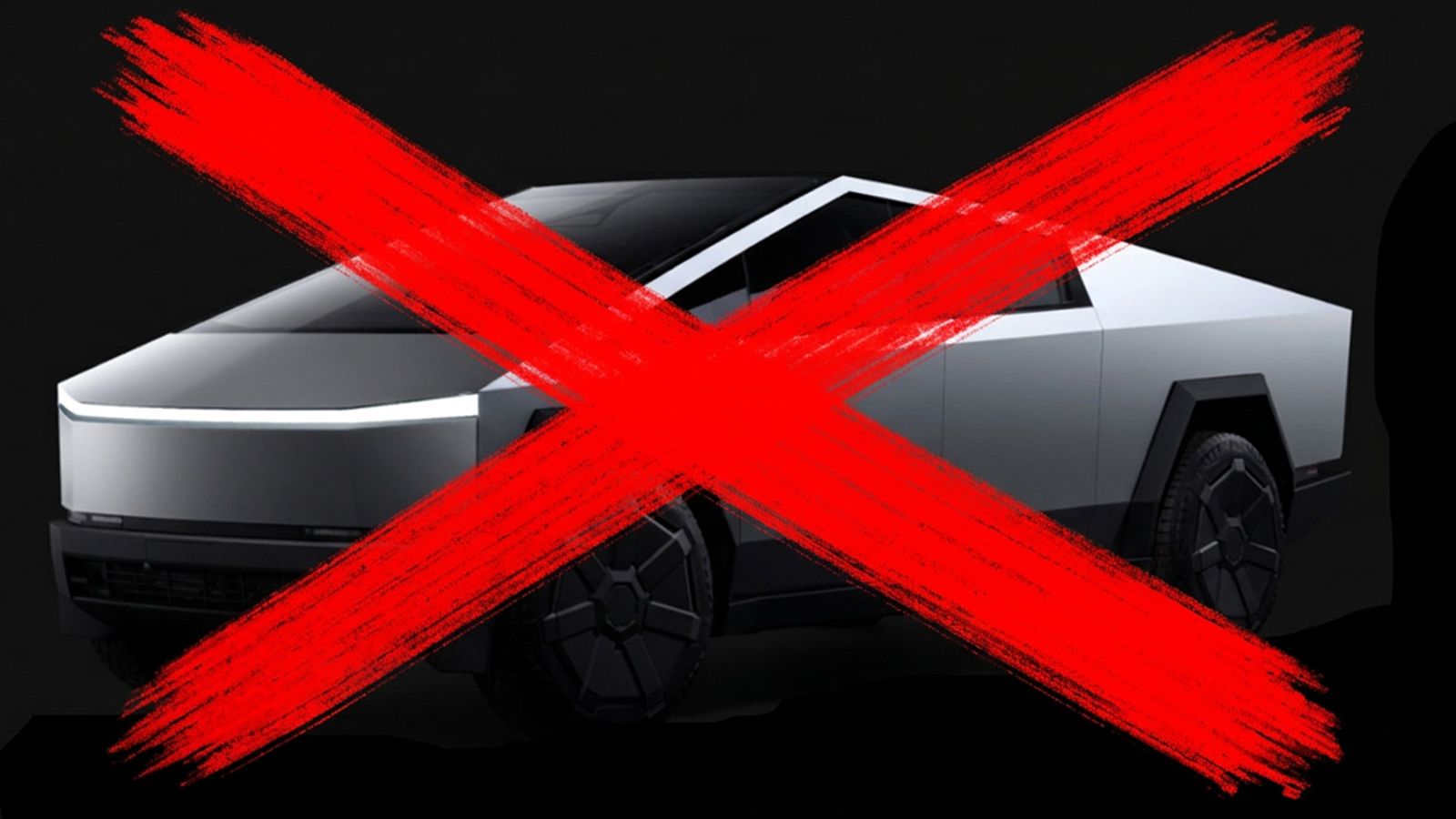
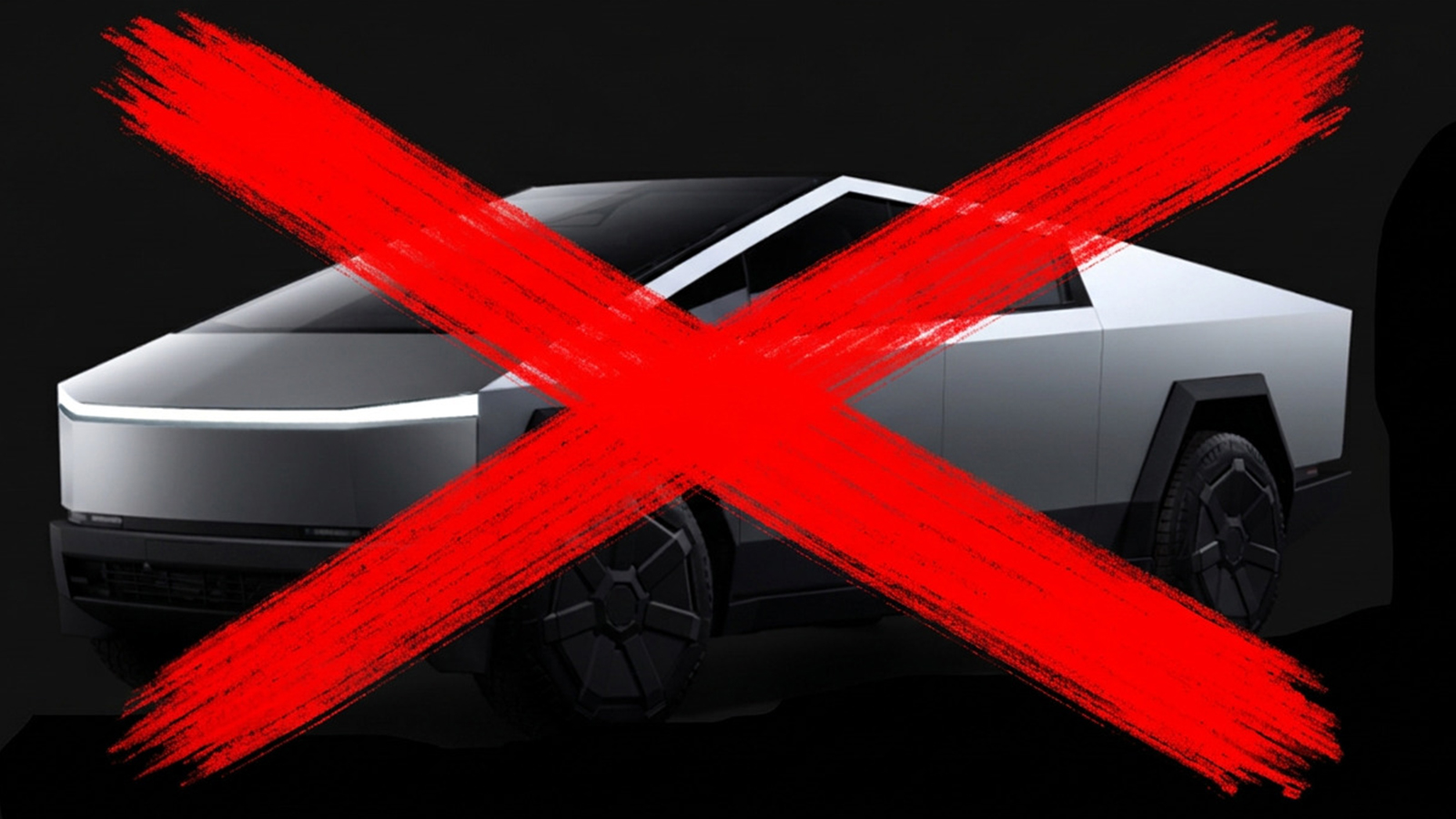
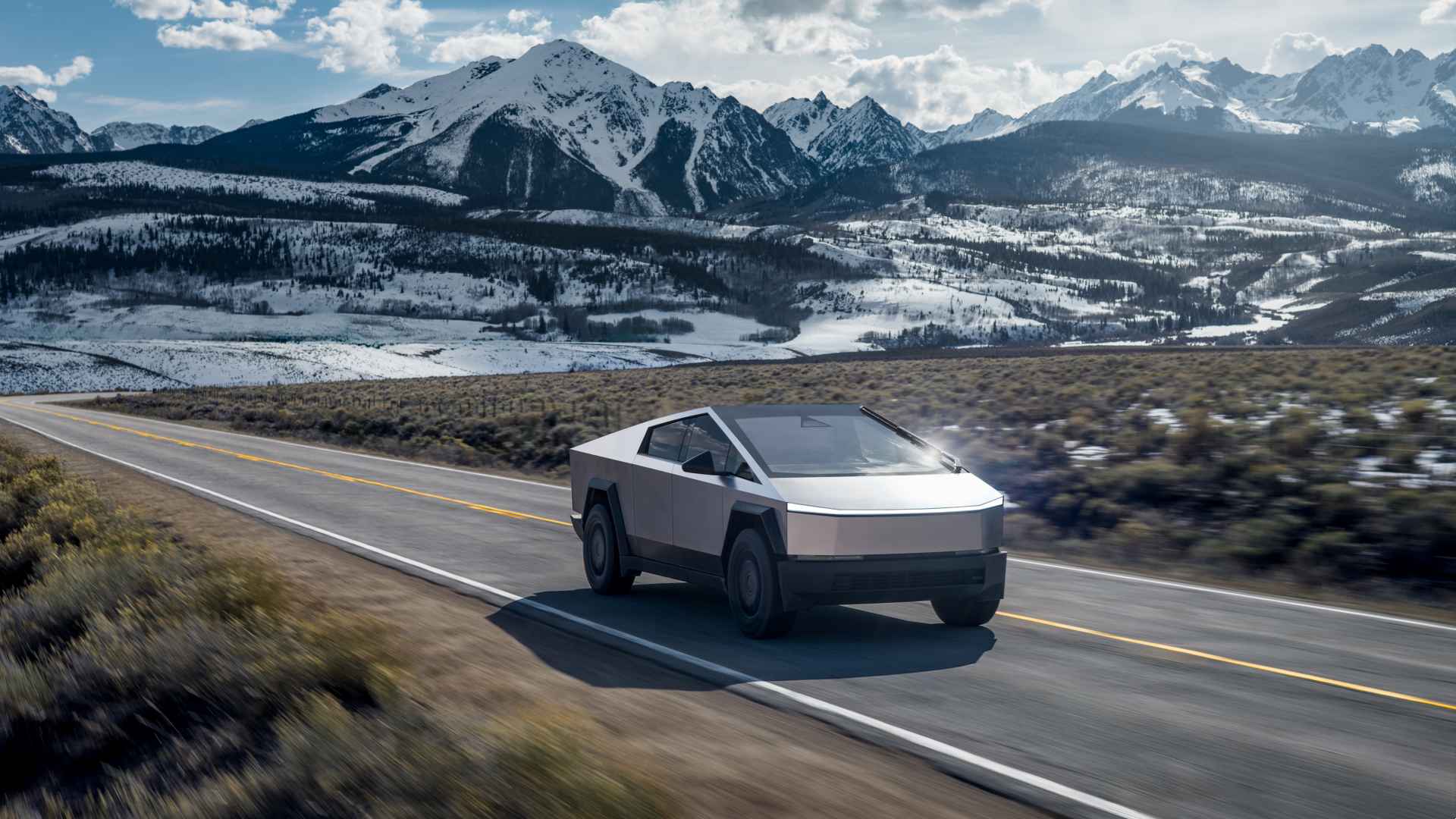
Tesla is reportedly preparing to wind down manufacturing of its controversial Cybertruck at the Texas Gigafactory around the middle of 2027. The strategic pivot will reallocate critical production lines to accommodate the scaling of the company’s upcoming autonomous Cybercab robotaxis. This shift marks a major turning point for one of the most polarizing and heavily scrutinized automotive design experiments of the twenty-first century, concluding an era defined by bold engineering claims, persistent production hurdles, and sharp public divisions.
While Tesla Chief Executive Officer Elon Musk has not formally stated that the Cybertruck is being permanently discontinued worldwide, industry analysts note that the Texas Gigafactory remains the sole production facility equipped to handle the vehicle’s highly specialized manufacturing processes and stainless-steel architecture. Consequently, scaling back operations at this plant signals the winding down of the vehicle’s primary commercial footprint.
A Chronology of Ambition and Friction
The trajectory of the Cybertruck has been unconventional since its high-profile unveiling in November 2019. Musk initially pitched the vehicle as a radical departure from traditional pickup truck design, promising an ultra-tough, exoskeleton-based EV constructed from cold-rolled stainless steel.
The unveiling event immediately entered automotive lore. During a live demonstration of the vehicle’s purported indestructible nature, Tesla’s chief designer, Franz von Holzhausen, hurled a heavy metal ball at the armored glass windows, causing them to fracture visibly. Despite the initial setback, pre-orders surged into the hundreds of thousands over the following weeks, fueled by internet speculation, meme culture, and fervent brand loyalty.
However, translating the angular, low-poly concept into a street-legal, mass-producible consumer vehicle proved exceptionally difficult. The initial 2019 rollout timeline was pushed back repeatedly due to supply chain disruptions, engineering adjustments, and the complex manufacturing demands of forming thick stainless-steel body panels. By the time deliveries officially commenced in late 2023, the vehicle’s final specifications and retail pricing diverged significantly from the original targets announced years prior.
Production Figures and Market Realities
Initial projections from Tesla management once floated a target of up to 250,000 Cybertruck units produced annually. However, consumer adoption faced substantial friction. According to market data from Kelley Blue Book cited by Reuters, Tesla sold approximately 20,237 Cybertrucks in the United States during 2025, representing a 48% decline compared to the previous year.
Several factors contributed to the cooling demand:
- Regulatory Hurdles: The heavy, rigid, and sharp-edged stainless-steel exterior failed to meet pedestrian safety standards in international markets, particularly in Europe, effectively restricting its commercial viability to North America.
- Practical Utility Concerns: Early owners and automotive reviewers frequently highlighted practical limitations, including issues with towing range, off-road maneuverability in muddy environments, and real-world efficiency compared to traditional internal combustion and standard EV trucks.
- Quality Control and Recalls: The vehicle experienced a series of high-profile recalls and quality issues. Incidents involving detached exterior body panels, accelerator pedal assembly failures, and water leaks undermined consumer confidence in a vehicle marketed as an industrial-grade utility truck.
The Evolution of Design and Engineering Missteps
From an industrial design perspective, the Cybertruck challenged conventional automotive aesthetics. Its distinct silhouette inspired widespread debate among designers, ranging from architectural critiques to viral internet parodies. Yet, the challenges extended beyond visual styling into fundamental product engineering.
Leaked internal documents and engineering reports that emerged between 2023 and 2025 pointed to persistent difficulties with braking calibration, suspension handling, cabin noise insulation, and weatherproofing. Furthermore, mechanical recalls—most notably a voluntary recall involving an adhesive issue that could cause the accelerator pedal to dislodge—highlighted the risks of prioritizing avant-garde aesthetics over rigorous, traditional automotive validation processes.
Industry analysts have noted that while the Cybertruck successfully generated immense brand visibility and captured the cultural zeitgeist, it ultimately served as a cautionary tale regarding the limits of unconventional manufacturing. The decision to use unpainted, folded stainless steel eliminated traditional stamping and painting processes used by legacy automakers, but it introduced unique finishing, welding, and structural integrity challenges that proved costly to scale.
Strategic Reorientation Toward Autonomous Mobility
The decision to repurpose the Texas Gigafactory production lines highlights a broader corporate transition within Tesla. The company is actively shifting capital, engineering talent, and manufacturing capacity away from consumer-focused specialty vehicles and toward autonomous artificial intelligence systems, robotics, and commercial fleet solutions.
The primary beneficiary of this realignment will be the Cybercab, a dedicated two-seat autonomous vehicle designed specifically for ride-hailing networks without traditional steering wheels or pedals. Tesla views autonomous robotaxis as a cornerstone of its long-term financial model, projecting that software-driven services will offset softening demand in the traditional consumer passenger car market.
However, early observers have noted that the development of the Cybercab is already encountering its own scrutiny regarding design choices and regulatory approvals for fully driverless operation. Whether Tesla applies the operational lessons learned from the Cybertruck’s manufacturing struggles to its autonomous fleet remains a critical question for investors and industry observers.
Broader Implications for the Automotive Sector
The eventual winding down of the Cybertruck program closes a fascinating chapter in modern automotive history. It demonstrates both the power of disruptive design to capture public imagination and the unforgiving economic realities of mass-producing specialized vehicles that diverge from standard safety, utility, and manufacturing parameters.
As Tesla transitions its flagship facility toward autonomous transport, the legacy of the Cybertruck will likely be viewed as a high-stakes experiment—one that pushed the boundaries of material science and corporate marketing, yet ultimately collided with the practical demands of the everyday consumer market.
Related posts: