As Apple prepares for the public release of iOS 27 on Monday, September 14, 2026, the company has officially confirmed that two highly anticipated features—advanced intelligent message suggestions and automated password remediation—will be absent from the initial launch. Despite their inclusion in the developer and public beta cycles throughout the summer, Apple has opted to delay these tools to ensure further stability and refinement, according to updates posted on its official iOS 27, iPadOS 27, and macOS Golden Gate product pages.
This decision marks a strategic pivot for the Cupertino-based tech giant as it balances the pressure of an aggressive annual software release schedule with the growing complexity of integrating Apple Intelligence across its ecosystem. While the core operating system remains on track for its Monday debut, the absence of these features highlights the ongoing challenge of perfecting sophisticated AI-driven tools before they reach the hands of hundreds of millions of global users.
The Scope of the Delay: Messages and Security
The two features affected by this delay represent significant advancements in user convenience and platform security. The first, an intelligent suggestion engine for the Messages app, utilizes Apple Intelligence to analyze the semantic context of ongoing conversations. By identifying requests for actions—such as a prompt to share a photograph, schedule a calendar appointment, or initiate a task—the system would have proactively suggested relevant app shortcuts or automated responses. The feature was designed to reduce the friction of toggling between applications, acting as an integrated assistant that anticipates user intent.
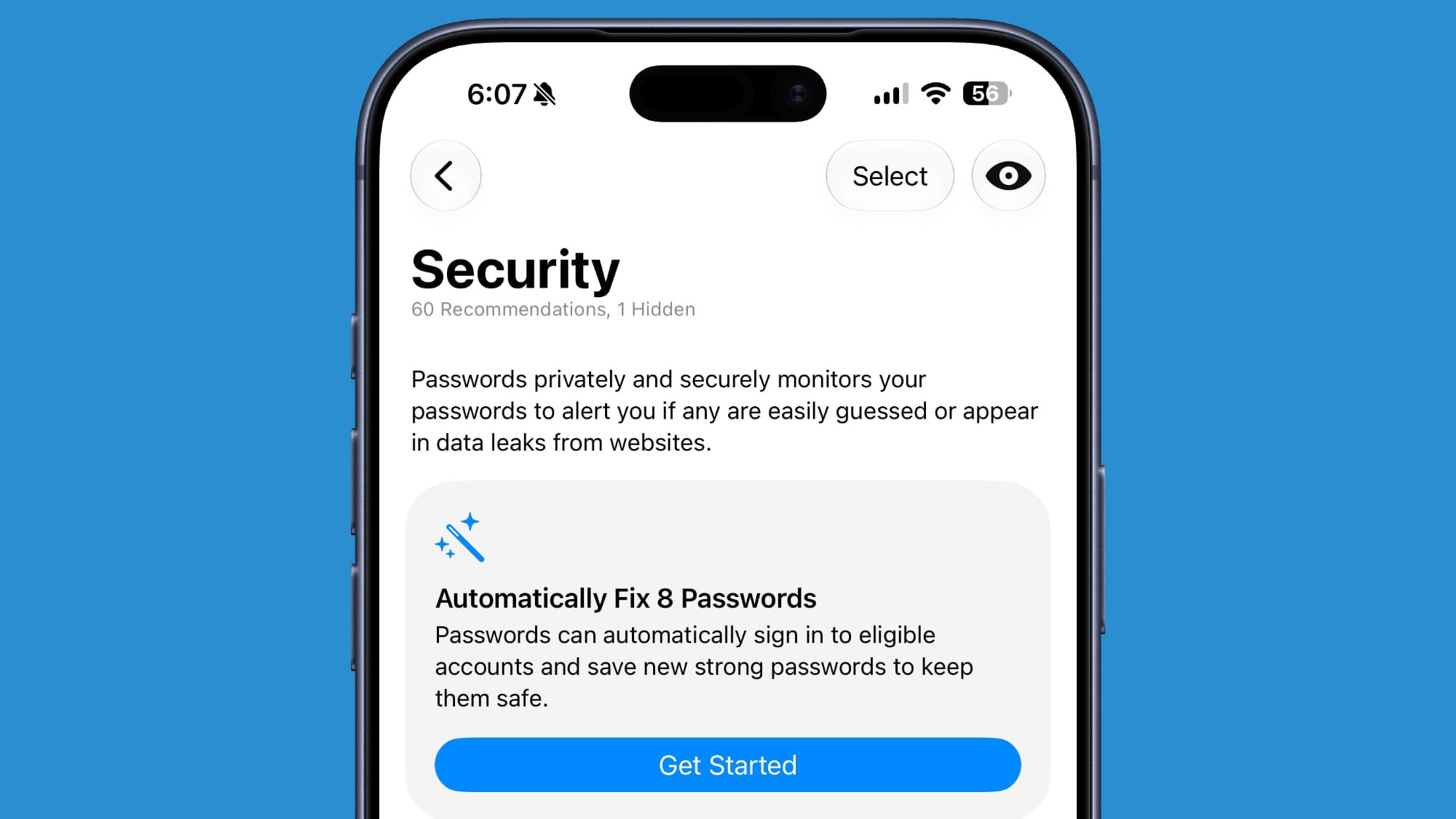
The second delayed feature concerns the Passwords app, which was introduced to centralize security credentials. The "auto-fix" functionality was intended to leverage Safari and Apple Intelligence to scan for compromised or weak credentials. If a password breach was detected, the system would have offered to automatically generate and implement a stronger, unique password in the background. This transition from manual security maintenance to a proactive, automated defense mechanism was slated to be a flagship improvement for user privacy, but it now joins the Messages enhancements in the queue for a subsequent point release.
Chronology of Development and Testing
The development lifecycle for iOS 27 has been characterized by a rigorous testing phase that began in June 2026. Following the Worldwide Developers Conference (WWDC), Apple rolled out the first developer beta, followed by a public beta in July. Throughout this period, both the intelligent message suggestions and the password auto-fix features were functional within the test builds, allowing early adopters and developers to provide feedback on their utility and performance.
The timeline leading to the current situation is as follows:
- June 2026: iOS 27 is unveiled at WWDC, highlighting deep integration of Apple Intelligence.
- July 2026: Public beta testing commences, where the now-delayed features are introduced to a broader test audience.
- September 9, 2026: During the iPhone 18 Pro launch event, Apple confirms the official release date for iOS 27 as September 14.
- September 11, 2026: Apple updates its official product documentation, formally announcing the removal of the two features from the initial September 14 build.
Industry analysts suggest that the decision to pull these features, despite their presence in the final beta candidates, indicates a shift in Apple’s quality assurance protocols. By prioritizing the stability of the primary operating system, the company is likely attempting to avoid the technical pitfalls that have plagued previous major software launches, where premature integration of AI features led to battery drain and system-wide latency.
The Path to Release: The iPhone Duo Connection
The release schedule for these features is now tethered to the launch of the upcoming iPhone Duo, which is scheduled to hit retail shelves on October 23, 2026. Because the iPhone Duo will ship with a pre-installed version of iOS 27.1, it is highly probable that the delayed features will debut as part of this maintenance update.
Historically, Apple has utilized .1 updates to provide both bug fixes and feature parity for new hardware. By aligning the feature rollout with the arrival of new hardware, Apple ensures that its most recent devices are optimized to handle the intensive computational requirements of Apple Intelligence. For existing users, the iOS 27.1 update will likely be pushed to all compatible devices shortly before or on the same day the iPhone Duo becomes available, effectively restoring the functionality to the wider install base.
Strategic Implications and Apple Intelligence
The integration of Apple Intelligence into the iOS ecosystem is perhaps the most ambitious technical undertaking in the history of the platform. Unlike previous iterations of iOS, which focused on UI refinements or application additions, iOS 27 is heavily dependent on on-device machine learning models.
The delay of the password auto-fix feature is particularly significant from a security standpoint. By automating the resolution of compromised accounts, Apple is attempting to mitigate the risks associated with password fatigue. However, the complexity of verifying security protocols across various websites—many of which have different requirements for password complexity—necessitates a high level of accuracy. An automated tool that fails to properly sync with a third-party login portal could result in locked accounts or data synchronization errors. Consequently, the extra weeks of testing are likely focused on refining the "handshake" between Apple’s security protocols and the diverse web infrastructure that users interact with daily.
Similarly, the Message suggestions represent a shift in how users interact with their social data. By parsing personal conversations, the system must adhere to Apple’s stringent privacy standards. Ensuring that these suggestions are not only helpful but also contextually accurate and entirely private is a monumental task. The delay reflects a commitment to ensuring that these AI-driven suggestions do not overstep or misinterpret user intent, which could lead to a degradation of the user experience if implemented prematurely.
Industry Context and Competitive Landscape
Apple’s approach to these delays is consistent with its "quality over speed" philosophy. In an environment where competitors are rapidly deploying AI features, the temptation to rush features to market is significant. However, Apple’s ecosystem-wide approach—where features like these must function seamlessly across the iPhone, iPad, and Mac—adds a layer of complexity that competitors operating in a more siloed manner may not face.
The "iPhone Handoff" feature, announced earlier this month, further illustrates the interconnected nature of the current software cycle. The ability to switch phone numbers between devices requires an unprecedented level of synchronization between hardware and software. With the upcoming release of the iPhone 18 Pro and the subsequent iPhone Duo, Apple is clearly attempting to create a cohesive, unified experience that minimizes technical friction for the end user.
Looking Ahead
While users who have grown accustomed to these features in the beta versions may find the delay disappointing, the move is largely viewed by market analysts as a prudent measure. The technical architecture required to support these features is complex, and the potential for a seamless experience on launch day is better served by a stable, albeit slightly smaller, feature set.
As of now, the public remains focused on the September 14 launch, which brings a host of other refinements, including the aforementioned Handoff capabilities and significant updates to the Camera app. The absence of the message suggestions and password tools will likely be a temporary inconvenience, with expectations set for an October deployment.
Ultimately, the refinement of iOS 27 serves as a benchmark for the future of mobile operating systems. The successful integration of these features, once they are deemed ready for mass consumption, will likely solidify Apple’s position as a leader in private, intelligent computing. For now, the developer and engineering teams at Apple are effectively using the current window to bridge the gap between beta-stage innovation and the rigorous standards required for a consumer-grade product. The transition from the initial release of iOS 27 to the refined environment of iOS 27.1 will be a critical indicator of how successfully Apple can scale its AI ambitions while maintaining the platform reliability its user base expects.