Unprecedented Savings: Best Buy’s Ultimate Upgrade Sale Slashes Price of Lenovo IdeaPad Slim 3 Chromebook by Over 50%

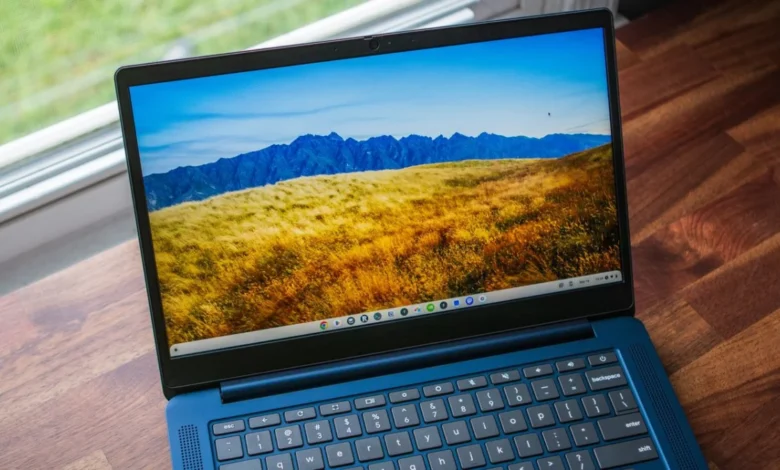
Chromebook deals are a familiar sight in the highly competitive consumer electronics market, particularly during seasonal sales events, but a discount exceeding 50% on a well-regarded budget-friendly laptop invariably captures significant attention. This phenomenon was recently observed at Best Buy, where the retailer offered a substantial $210 reduction on the Lenovo IdeaPad Slim 3 Chromebook, making a lightweight and feature-rich device accessible at an exceptionally low price point. This limited-time offer, part of Best Buy’s extensive "Ultimate Upgrade Sale," presented a strategic opportunity for consumers seeking affordable computing solutions without compromising on essential functionalities, highlighting a broader trend in retail to provide significant value to price-sensitive buyers.
Best Buy’s Strategic Discounting and the "Ultimate Upgrade Sale"
The deep discount on the Lenovo IdeaPad Slim 3 Chromebook was a cornerstone of Best Buy’s "Ultimate Upgrade Sale," a sitewide promotional event designed to stimulate consumer spending across a broad spectrum of technology products, from cutting-edge smartphones to wearable devices. This sale, which concluded on Sunday, April 19th, served as a prime example of how major retailers strategically employ aggressive pricing to clear inventory, attract new customers, and maintain market share in a dynamic economic landscape. Such sales often precede new product cycles or occur during periods when consumer spending might otherwise be subdued, providing a timely incentive for purchases. For Best Buy, a dominant force in electronics retail, these events are crucial for driving foot traffic, both physical and digital, and reinforcing its position as a go-to destination for technology purchases. The "Ultimate Upgrade Sale" represented a calculated effort to capitalize on consumer demand for upgrades and new devices, leveraging significant price reductions to convert browsing interest into concrete sales. The inclusion of a highly discounted Chromebook like the IdeaPad Slim 3 underscores a focus on accessible technology, catering to a diverse customer base ranging from students and remote workers to casual users and those seeking a secondary device.
Dissecting the Lenovo IdeaPad Slim 3 Chromebook: Features and Value Proposition
Despite its introduction in 2022, a timeframe that might be considered "advanced age" in the rapidly evolving tech industry, the Lenovo IdeaPad Slim 3 Chromebook continues to impress with a compelling combination of features and performance, especially when offered at a steep discount. Its enduring appeal lies in a thoughtfully designed package that prioritizes portability, efficiency, and user-friendliness—hallmarks of the Chromebook experience.
- Design and Portability: The laptop’s lightweight build is a significant advantage, making it an ideal companion for students, commuters, or anyone needing a highly portable computing solution. Its slim profile contributes to its aesthetic appeal and practical usability, ensuring it can be easily slipped into a backpack or bag without adding undue bulk.
- Display Quality: A standout feature for its price category is the 14-inch Full HD (1080p) display. This resolution provides crisp images and vibrant colors, enhancing the viewing experience for web browsing, video streaming, and document creation. The inclusion of a touchscreen further elevates its utility, offering intuitive navigation and interaction with the Chrome OS interface, a feature often reserved for higher-priced models. This touch capability is particularly beneficial for educational applications and casual media consumption.
- Processor and Performance: At its core, the IdeaPad Slim 3 is powered by the MediaTek Kompanio 520 processor. Launched in 2022, this chip is specifically designed for Chromebooks, balancing energy efficiency with sufficient processing power for Chrome OS. While not a powerhouse designed for intensive tasks like video editing or high-end gaming, the Kompanio 520 excels at handling the typical workloads associated with Chromebooks: multiple browser tabs, streaming media, office applications, and light productivity tasks. Its ARM-based architecture contributes to the device’s impressive battery life and fanless operation, resulting in a quiet and cool user experience.
- Battery Life: One of the most compelling attributes of the IdeaPad Slim 3 is its exceptional battery life, boasting up to 13.5 hours on a single charge. This extended endurance ensures that the device can comfortably last through a full workday, a series of classes, or a long journey without needing to be tethered to a power outlet. For users prioritizing mobility and uninterrupted productivity, this feature is invaluable, mitigating the "battery anxiety" often associated with portable electronics.
- Memory and Storage Considerations: The laptop comes equipped with 4GB of RAM and 64GB of eMMC onboard storage. In the context of Chrome OS, which is inherently designed to be lightweight and cloud-centric, 4GB of RAM is generally adequate for basic multitasking and web browsing. The 64GB of eMMC storage, while modest compared to traditional Windows or macOS laptops, is sufficient for the operating system, essential apps, and a selection of local files. Chromebook users are encouraged to leverage cloud storage solutions like Google Drive, which seamlessly integrates with Chrome OS, effectively expanding storage capacity and enabling ubiquitous access to files. This configuration reinforces the IdeaPad Slim 3’s role as a device optimized for cloud-based workflows.
Navigating Limitations and Understanding the Target Audience
While the Lenovo IdeaPad Slim 3 offers remarkable value, particularly at its discounted price, it is crucial for consumers to understand its inherent limitations, which are common for devices in the budget Chromebook category. The design choices reflect a deliberate focus on affordability and core functionality, rather than premium embellishments or high-performance capabilities.
- Performance Expectations: The 4GB RAM and 64GB eMMC storage mean that users should temper expectations regarding lightning-fast speeds for demanding applications or robust gaming performance. This device is not engineered for intensive computational tasks or graphics-heavy gaming. Its strength lies in its ability to deliver a smooth and responsive experience for everyday computing, making it suitable for web-based applications, streaming, and document creation.
- Feature Omissions: To keep costs down, certain features commonly found in higher-tier laptops are absent. These include a fingerprint reader for biometric security, a backlit keyboard for improved typing in low-light conditions, and a convertible design that would allow the screen to fold back into a tablet mode. While the absence of a convertible design is noted as a missed opportunity given its ultra-lightweight build and touchscreen, these omissions are largely justifiable within its budget segment. For the target demographic, these "nice-to-have" features are often secondary to core functionality and affordability.
The IdeaPad Slim 3, therefore, is ideally suited for a specific user profile: individuals who require an affordable, lightweight, and reliable laptop primarily for basic tasks such as web browsing, email, online learning, word processing, and media consumption. At the discounted price of $189, it transcended being merely a good deal to become an "absolute steal," transforming its solid, foundational features into premium-level advantages within its new price bracket.
The Evolving Landscape of Chromebooks and Budget Computing
The robust market for budget Chromebooks like the Lenovo IdeaPad Slim 3 underscores several significant trends in the personal computing sector. Chromebooks, first introduced by Google in 2011, have steadily carved out a substantial niche, particularly in the education sector and among consumers seeking simple, secure, and cost-effective computing solutions. Their appeal stems from several key advantages:
- Simplicity and Ease of Use: Chrome OS is renowned for its intuitive interface, quick boot times, and automatic updates, making it exceptionally user-friendly, even for those with limited technical proficiency.
- Security: With a strong emphasis on security features, including sandboxing and verified boot, Chromebooks offer robust protection against malware and viruses, a critical consideration for all users.
- Cloud Integration: Deep integration with Google’s ecosystem and cloud services means seamless access to documents, photos, and applications from anywhere, facilitating collaborative work and remote learning.
- Affordability: Perhaps the most compelling factor is their accessibility. Chromebooks consistently offer significant computing power for their price, making them an attractive alternative to more expensive Windows or macOS laptops.
The MediaTek Kompanio series, specifically the Kompanio 520 in the IdeaPad Slim 3, represents a pivotal development in the Chromebook ecosystem. By offering efficient ARM-based processors, MediaTek has enabled manufacturers to produce highly affordable devices with excellent battery life, further expanding the reach and appeal of Chromebooks to a wider audience. This has intensified competition in the budget laptop segment, driving innovation and pushing prices down, ultimately benefiting the consumer.
Broader Implications: Consumer Access and Retail Strategy
The availability of devices like the Lenovo IdeaPad Slim 3 at such aggressive price points has several broader implications for both consumers and the retail industry.
- Democratization of Technology: Deep discounts on capable devices make technology more accessible to a wider demographic. This is particularly vital for students, lower-income households, and individuals in developing regions, enabling greater participation in digital education, remote work, and online commerce. Such sales help bridge the digital divide, ensuring that essential computing tools are not out of reach due to financial constraints.
- Retailer Market Strategy: For retailers like Best Buy, these sales are more than just about moving units. They are strategic maneuvers to capture market share, build brand loyalty, and drive future sales. By offering compelling deals, Best Buy can attract new customers who might then return for other tech purchases or accessories. These sales also serve to manage inventory effectively, making space for newer models and optimizing supply chain logistics. The "Ultimate Upgrade Sale" exemplified a tactic to maintain momentum and consumer engagement outside of traditional holiday shopping seasons.
- Sustainability in Tech: Extending the life cycle of well-performing, slightly older models through significant discounts can also be seen as a form of practical sustainability. Instead of becoming obsolete stock, these devices find new homes and continue to provide value, reducing electronic waste and promoting resource efficiency.
- Consumer Behavior and Expectations: The prevalence of such sales also shapes consumer expectations, creating a market where shoppers increasingly anticipate significant discounts. This can lead to a "wait-and-see" approach, where consumers hold off on purchases until major sales events, prompting retailers to schedule these promotions strategically throughout the year.
Conclusion: A Testament to Value in a Dynamic Market
The recent Best Buy deal on the Lenovo IdeaPad Slim 3 Chromebook stands as a compelling case study in the dynamics of modern consumer electronics retail. It underscored the enduring value proposition of well-designed budget Chromebooks and the strategic importance of aggressive pricing in a competitive market. While the specific sale concluded on April 19th, it serves as a powerful reminder of the opportunities available to savvy consumers and the continuous efforts by retailers to make technology accessible. For those in need of a straightforward, reliable, and highly portable computing device for under $200, the IdeaPad Slim 3, when available at such a discount, represents an exceptional confluence of affordability and functionality, proving that "budget" does not necessarily equate to "compromised" in the current tech landscape. Such offers highlight the ongoing relevance of Chromebooks as a viable and valuable computing platform for a vast segment of the global population.