Meta Prepares to Launch Camera-Free Smart Glasses Codenamed Luna Amid Escalating Privacy Concerns


Meta Platforms is reportedly gearing up to introduce a novel line of smart eyewear designed to bypass the persistent privacy controversies that have long shadowed camera-equipped wearable technology. According to industry insiders and reports from technology publications, the tech giant is developing a new model of smart glasses entirely devoid of cameras, currently carrying the internal codename Luna. This upcoming device represents a calculated shift in Meta’s hardware strategy, targeting consumers who desire ambient artificial intelligence integration and audio capabilities without the social friction, regulatory scrutiny, and surveillance anxieties associated with recording devices mounted on the face.
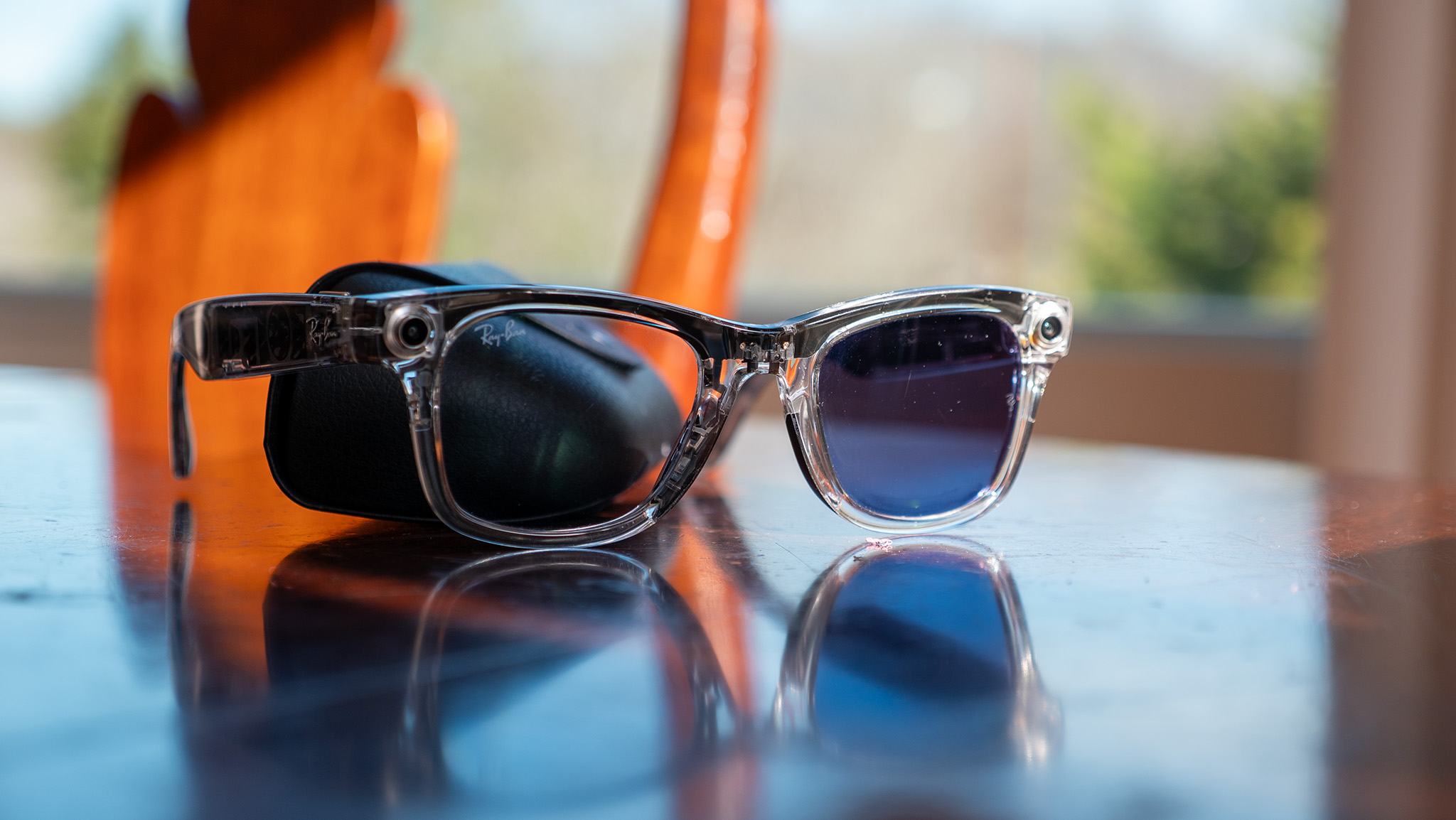
The introduction of the Luna project comes at a critical juncture for the wearable tech sector. Over the past several years, smart glasses equipped with integrated cameras—most notably Meta’s existing partnerships and product lines with eyewear titan EssilorLuxottica—have faced mounting public scrutiny. While these devices have successfully captured consumer interest by offering hands-free photography, video recording, and direct streaming capabilities, they have simultaneously sparked severe concerns regarding public surveillance, data privacy, and informed consent. Bystanders frequently express discomfort at the prospect of being covertly recorded in public spaces, coffee shops, offices, and private gatherings.
In response to these anxieties, Meta has previously implemented various software and hardware safeguards, including illuminated capture LEDs intended to signal when a recording is active, alongside countermeasures designed to disable the camera if users attempt to obstruct the indicator light. Nevertheless, these measures have failed to entirely eliminate the pervasive social stigma and regulatory warnings surrounding camera-enabled eyewear. By stripping away the optical capture hardware altogether, Meta appears to be positioning Luna as a privacy-first alternative capable of bridging the gap between traditional fashion frames and modern artificial intelligence assistants.
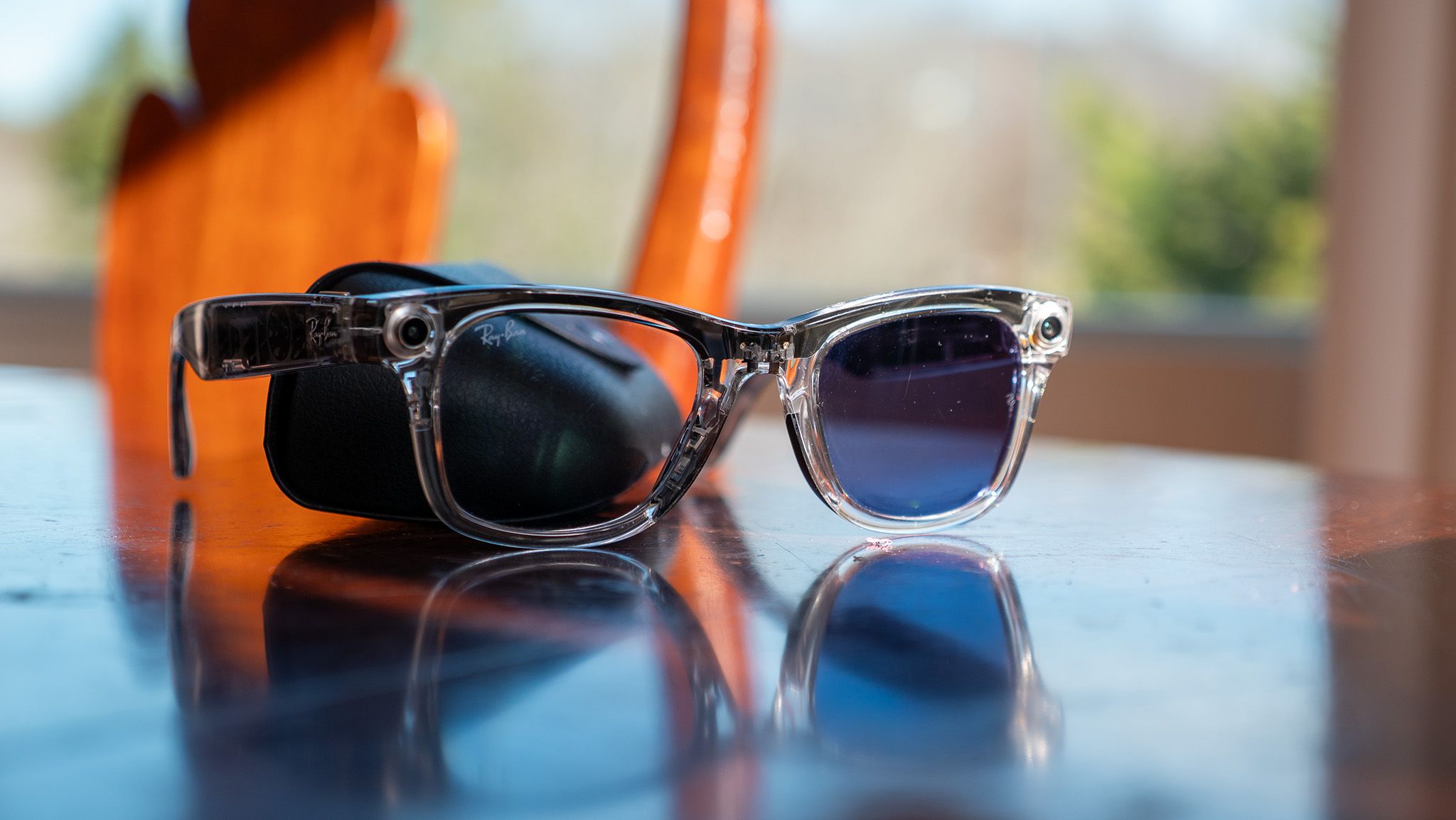
Industry analysts anticipate that Meta will officially unveil the Luna smart glasses during its upcoming annual Connect developer conference. Sources close to the matter suggest that production and distribution could ramp up swiftly, with potential shipping dates slated as early as next month. The hardware lineup is expected to launch with at least two distinct aesthetic designs, tentatively referred to as Clubmaster and Burbank styles, maintaining Meta’s ongoing commitment to pairing technology with recognizable, mainstream fashion aesthetics rather than creating overly futuristic or alienating hardware.
Despite the omission of a camera, the Luna smart glasses are projected to be packed with sophisticated internal hardware tailored specifically for seamless interaction with Meta AI. Reports indicate that the frames will incorporate an array of six distinct microphones alongside a six-speaker audio configuration directed squarely toward the user’s ears. This robust acoustic setup is engineered to facilitate natural, conversational interactions with Meta’s proprietary AI chatbot, enabling wearers to execute voice commands, ask contextual questions, and receive audio feedback without needing to physically retrieve their smartphones from their pockets or bags. Furthermore, the hardware is expected to feature a dedicated physical button positioned discreetly on the frame’s temple, offering users instantaneous, tactile access to the AI assistant.
One of the most consequential engineering advantages of eliminating the camera component is the dramatic reduction in physical bulk. Camera modules, associated processing chips, and cooling requirements often add significant weight and thickness to smart eyewear frames. By removing these optical systems, Meta’s design and engineering teams have reportedly been able to slim down the Luna hardware considerably. The resulting form factor is expected to closely mirror the weight, profile, and tactile feel of conventional, non-smart prescription or sun glasses. This normalization of design is widely viewed by industry observers as a vital catalyst for mass-market adoption, potentially winning over consumers who have previously resisted smart wearables due to discomfort or aesthetic vanity.
The development of the Luna model is part of a broader, multi-tiered hardware roadmap currently being executed within Meta’s Reality Labs division. In tandem with the camera-free audio glasses, the company is continuing long-term research and development on advanced augmented reality (AR) glasses, currently designated under the codename Phoenix. While the Luna glasses focus on immediate, near-term audio AI integration, the Phoenix project represents Meta’s ambitious vision for true optical head-up displays and spatial computing.
Insiders tracking the Phoenix AR initiative suggest that Meta is preparing to host major internal and developer-focused demonstrations in the coming years to showcase entirely new paradigms for digital communication, such as advanced spatial video calling. These future AR devices are expected to possess the computing capability to project virtual workspaces, holographic monitors, and massive cinematic screens directly into the user’s field of view. However, the commercial release of the Phoenix line remains several years distant, with current internal projections pointing toward a tentative market launch around 2027. This timeline underscores Meta’s bifurcated product strategy: capturing immediate market share with pragmatic, accessible audio wearables like Luna while simultaneously laying the groundwork for futuristic spatial computing via Phoenix.
The strategic pivot toward camera-free smart glasses reflects a broader maturation within the consumer electronics industry regarding privacy compliance and user comfort. As regulatory bodies in North America, Europe, and Asia intensify their oversight of biometric data collection and public surveillance technologies, major tech corporations are increasingly forced to re-evaluate how their hardware is perceived in public spaces. Products that record video indiscriminately face tightening legal restrictions, potential bans in sensitive environments, and fierce public resistance. By deliberately decoupling ambient intelligence from optical recording, Meta is attempting to sidestep these regulatory landmines while still establishing a dominant foothold in the burgeoning market for voice-activated personal wearables.
From a market analysis perspective, the success of the Luna glasses will likely hinge upon pricing, battery performance, audio fidelity, and the practical utility of Meta AI in daily life. Competitors in the audio-wearable space, ranging from traditional audio brands to rival technology conglomerates, have increasingly introduced open-ear headphone glasses and smart frames focused strictly on media consumption and voice telephony. Meta’s distinct advantage lies in the deep integration of its conversational artificial intelligence ecosystem, which has rapidly evolved to handle complex reasoning, real-time translation, and contextual awareness.
As the technology sector looks toward the upcoming Connect conference, anticipation is high regarding how Meta will market a device that deliberately omits the very feature—the camera—that defined its previous generation of smart glasses. If Luna successfully captures the consumer imagination by offering lightweight comfort, robust AI access, and complete freedom from surveillance concerns, it could establish an entirely new product category within consumer technology, proving that the future of wearable AI does not necessarily require a lens to be successful.