Flipcorder Brings Analog Nostalgia and Tape-Based Videography to the iPhone Ecosystem

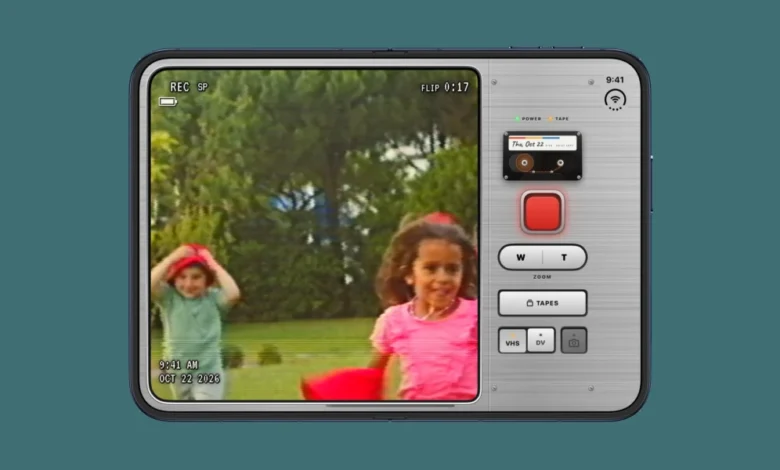
The resurgence of analog media in an increasingly digital world has taken a unique turn with the release of Flipcorder, a novel iOS application designed to replicate the workflow and aesthetic of vintage camcorders. Developed as part of the independent software community’s ongoing exploration of tactile, slower-paced technology, the app reimagines how users capture daily life on modern smartphones. By moving away from endless cloud storage libraries and infinite digital rolls toward a finite, cassette-tape format, Flipcorder introduces intentionality back into mobile video creation.
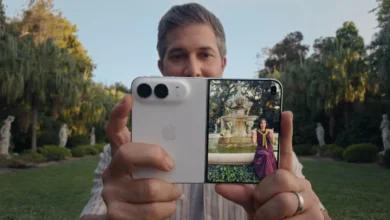
While compatible across a wide array of Apple’s smartphone lineup, the application features specific optimizations for the iPhone Duo, leveraging dual-screen hardware to enhance its retro interface. Available now on the App Store, the release highlights a broader cultural shift among consumers seeking refuge from the overwhelming curation of modern social media by embracing raw, unedited, and ephemeral memories.
Main Facts and Core Mechanics of Flipcorder
Unlike standard camera applications that allow users to record hours of continuous, high-definition footage straight to an internal drive, Flipcorder operates under the strict physical constraints of vintage magnetic tape. The software simulates a maximum capacity of 30 minutes of footage per virtual cassette. Rather than capturing traditional, free-flowing video clips, the application records memories in strict 20-second bursts, compounding them onto a single cumulative tape throughout the day.
This design philosophy forces users to be deliberate about what moments they choose to preserve. There are no advanced post-processing tools, timeline scrubbers, or complex editing suites built into the primary workflow. Instead, pressing the distinct red record button immediately commits a fleeting moment to the active tape, mirroring the low-friction yet permanent nature of vintage analog recording devices.
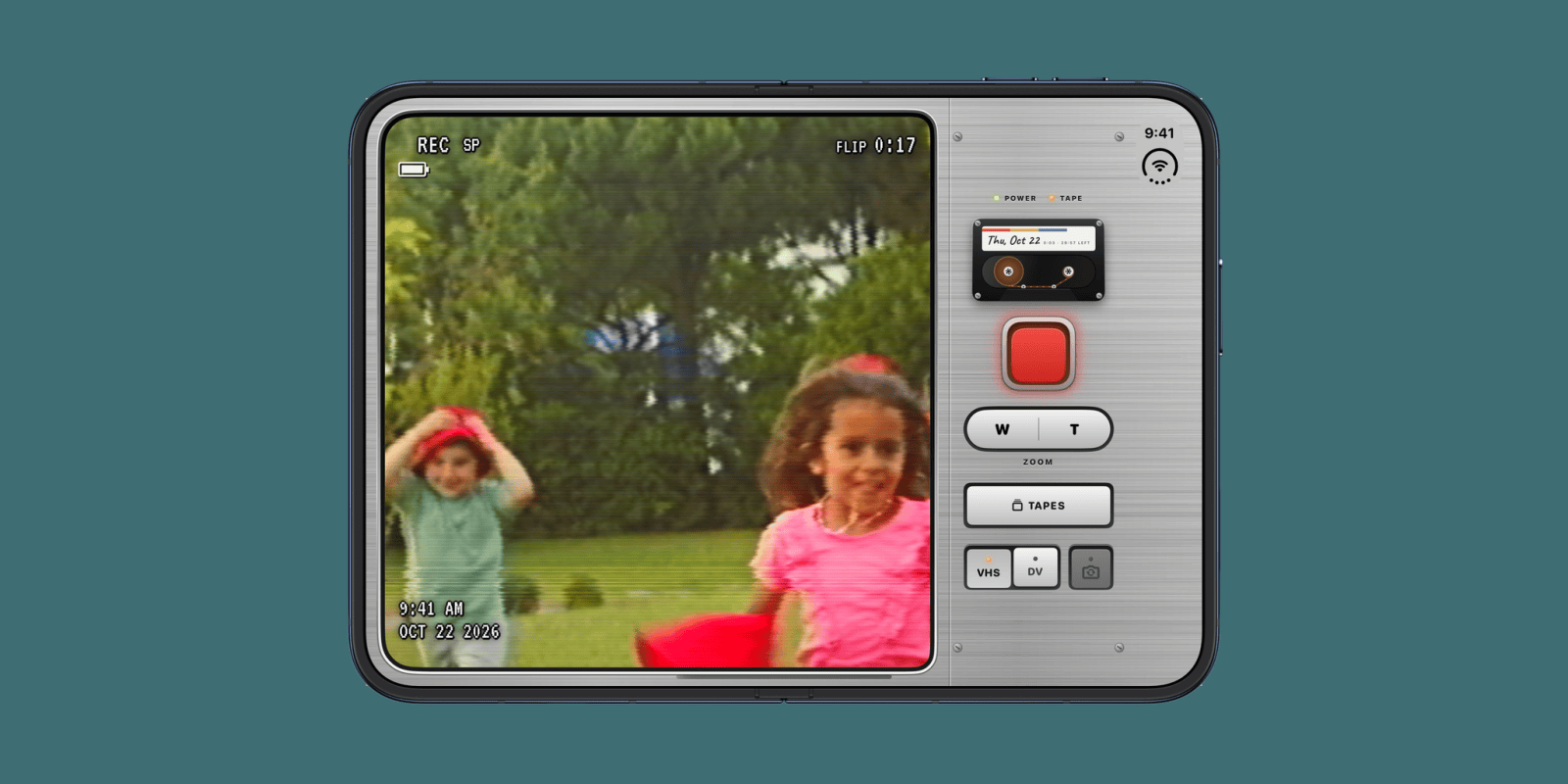
For users operating hardware such as the iPhone Duo, the application integrates specialized user interface elements that take advantage of the device’s expanded display real estate. This hardware pairing delivers a viewfinder experience closely mimicking physical camcorders from the 1990s and early 2000s, blending nostalgic software design with modern mobile engineering.
Furthermore, Flipcorder accommodates varying aesthetic preferences by offering stylistic flexibility. While the application natively supports classic visual filters modeled after VHS and MiniDV cassettes—complete with tracking errors, color bleeding, and scanlines—it also provides a high-quality recording mode. This allows users to preserve modern visual fidelity while retaining the unique, consolidated cassette-compilation structure of the app.
The Background and Evolution of Retro Digital Photography
The launch of Flipcorder does not happen in a vacuum; it arrives at the peak of a multi-year consumer movement favoring low-fidelity and nostalgic digital tools. Over the past half-decade, tech consumers have increasingly pushed back against the hyper-polished, algorithmic perfection demanded by mainstream platforms like Instagram, TikTok, and YouTube.
This backlash first manifested in the massive commercial resurgence of standalone vintage digital cameras—often referred to colloquially as "digicams"—from brands like Canon, Olympus, and Sony, which routinely sell out on the second-hand market among Generation Z consumers. Similarly, disposable-style camera apps and simulated film photography tools have consistently dominated App Store charts. Consumers are actively seeking out mediums that limit choice, reduce anxiety over curation, and embrace imperfections such as grain, light leaks, and digital noise.
Independent app developers have recognized this psychological fatigue, leading to a thriving ecosystem of boutique utilities designed to restore friction to the digital experience. By introducing artificial limitations—such as restricting storage capacity, delaying the development of digital photos, or, in Flipcorder’s case, capping video lengths to a physical tape metaphor—these developers tap into a deep-seated desire for authenticity.
Chronology and Development Timeline
The path toward applications like Flipcorder reflects the rapid maturation of iOS development tools and hardware capabilities over recent hardware generations. As Apple’s internal processing units, neural engines, and display technologies have advanced, developers have gained the computational headroom required to run complex real-time shader effects, low-latency emulation, and sophisticated custom user interfaces without draining device batteries.
Throughout the early phases of iOS 26 development, independent creators gained access to advanced APIs that enabled deeper integration with specialized device form factors, such as foldable and dual-screen architectures like the iPhone Duo. Recognizing an opportunity to merge retro software design with modern display technology, the creators behind Flipcorder engineered the application from the ground up to take advantage of these robust system frameworks.
Following rigorous beta testing cycles within the indie developer community, the application officially launched on the App Store. Eschewing the prevailing software-as-a-service (SaaS) business model, the creators opted for a straightforward, sustainable pricing strategy designed to appeal to privacy-conscious and fatigue-stricken consumers.

Pricing, Distribution, and Accessibility
In an era dominated by recurring subscription fees, microtransactions, and aggressive data tracking, Flipcorder adopts a refreshingly traditional distribution model. The application is available as a one-time purchase of $4.99 on the iOS App Store.
Designed specifically for modern Apple hardware running iOS 26 and later, the software guarantees a self-contained experience free from advertisements, mandatory user accounts, data harvesting, and hidden in-app purchases. This transparent monetization approach aligns with the ethos of the independent developer community, which frequently prioritizes user trust and long-term utility over algorithmic engagement loops. By keeping the barrier to entry low and removing ongoing financial commitments, the app positions itself as an impulse-friendly utility for casual creators and analog enthusiasts alike.
Broader Impact and Industry Implications
The introduction of specialized, constraint-driven applications like Flipcorder carries notable implications for the broader mobile software landscape. As smartphones become increasingly powerful, capable of capturing cinema-grade ProRes video at high frame rates, the software industry frequently assumes that consumers always want maximum fidelity and absolute control over their media.
However, consumer behavior suggests an alternate trend: utility fatigue. When every device in a user’s pocket is capable of producing professional-grade output, the psychological value of that output diminishes. By intentionally stripping away features, limiting recording times, and reintroducing the physical constraints of analog media, apps like Flipcorder restore a sense of play and discovery to personal documentation.
This trend also signals a healthy market for independent software developers who can carve out profitable niches by catering to specific aesthetic and emotional needs, rather than attempting to compete with native, all-in-one platform utilities. As Apple continues to open up advanced hardware capabilities to third-party developers—particularly regarding specialized form factors and display configurations—the market for innovative, boundary-pushing indie applications is expected to expand further.
Ultimately, Flipcorder serves as a bridge between two distinct eras of technology. It utilizes the unmatched processing power, display fidelity, and portability of modern smartphones to resurrect the tactile, imperfect charm of a bygone analog era. For users weary of endless digital libraries and meticulously edited highlights reels, the app offers a welcome invitation to press record, live in the moment, and let the tape roll.