Understanding Apple’s Lifecycle Classification
For the average consumer, the distinction between "vintage" and "obsolete" products can be a point of confusion, yet the technical implications are profound. Apple categorizes its hardware based on the time elapsed since the company ceased distribution of the unit for retail sale.
A product is designated as "vintage" once it has been between five and seven years since Apple last distributed it for sale. During this period, Apple Stores and Apple Authorized Service Providers (AASPs) may still provide hardware repairs, but these services are entirely contingent upon the availability of spare parts. Unlike active products, where components are stocked as a matter of standard procedure, vintage status implies a "best-effort" approach to repairs.
Once a product reaches the seven-year mark, it is transitioned to the "obsolete" category. At this juncture, Apple officially ends all hardware service for the device. Service providers are no longer able to order parts from the manufacturer, and the internal supply chain for that specific model is effectively terminated. This hard cutoff serves as a functional expiration date for the hardware, particularly for complex repairs involving the logic board, power supply, or specialized display panels.
The 2019 iMac: A Legacy of the Intel Era
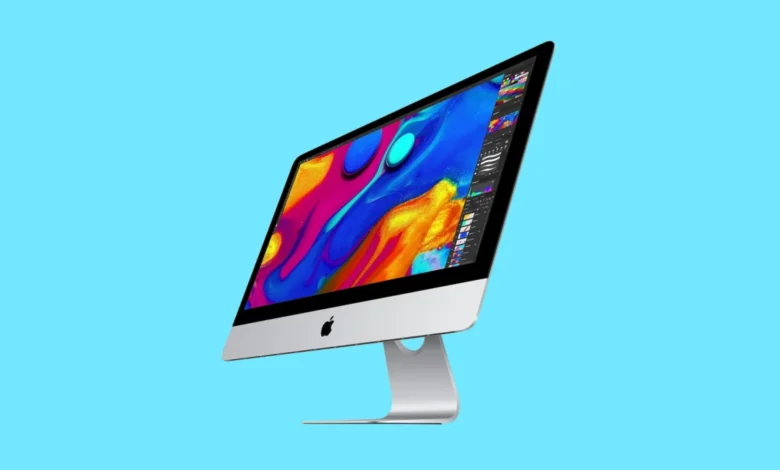
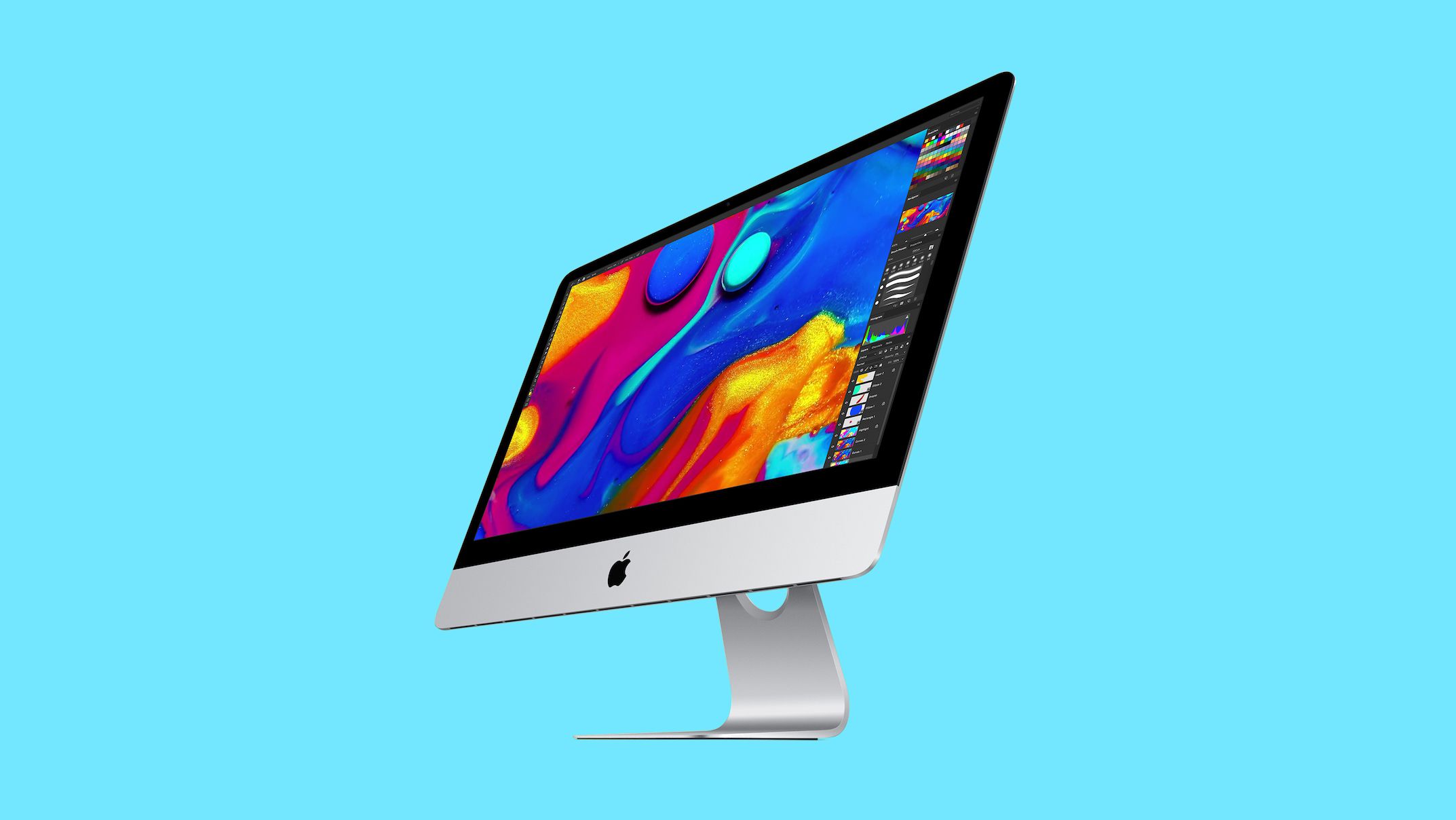
The 2019 21.5-inch 4K iMac holds a specific place in Apple’s design history. Introduced in March 2019, it served as a mid-cycle refresh to the long-standing, classic silver aluminum aesthetic that defined the iMac line for over a decade. Equipped with an Intel Core i3 processor, 8GB of RAM, and a 1TB mechanical hard drive in its base configuration, the machine was marketed as a reliable, entry-level desktop solution for creative professionals and general users alike.
At a starting price of $1,299, the 2019 model was the last of its kind to feature the traditional "chin" and wedge-shaped profile before Apple pivoted toward the radical redesign of the 24-inch M1 iMac in 2021. The 2019 model’s transition to vintage status completes the cycle for the 2019 lineup; the larger 27-inch variant of the same year was moved to the vintage list in July 2025. Because the 21.5-inch model remained in the active sales catalog for a longer duration than its larger sibling, it avoided the vintage classification until this September.
The Broader Shift: Intel to Silicon
The move to designate the 2019 iMac as vintage is not an isolated event but rather a component of a broader, well-orchestrated transition. Apple’s shift to its own custom silicon (M-series chips) began in earnest in late 2020. Since that time, the company has methodically moved to decouple its software and services from the Intel architecture that powered its machines from 2006 to 2020.
The implications for Intel-based Mac owners are becoming increasingly clear. As of September 1, 2026, Apple has notified software developers that universal applications on the Mac App Store requiring macOS 13 (Ventura) or later are permitted to drop support for Intel-based Macs. This allows developers to optimize their software specifically for Apple Silicon, effectively stripping away the "fat" required to maintain compatibility with legacy x86 architecture. For users still running 2019 iMacs, this suggests that the software ecosystem will begin to narrow, with new application updates potentially ignoring Intel compatibility in favor of performance gains on the M-series chips.
Chronology of Recent Obsolescence
The classification of the 2019 iMac follows a rapid succession of similar moves that have defined the summer of 2026 for Apple support teams. The "obsolete" list has grown significantly in recent weeks:
- August 31, 2026: Apple moved the 2018 Retina MacBook Air, the 2018 13-inch MacBook Pro (four Thunderbolt 3 ports), and the 2017 13-inch MacBook Pro (two Thunderbolt 3 ports) to the obsolete list. These machines, once the workhorses of the portable Mac lineup, are no longer eligible for repairs at official channels.
- July 2025: The 2019 27-inch iMac was officially categorized as vintage, marking the beginning of the end for the 2019 Intel-based desktop generation.
- September 2026: The 21.5-inch 2019 iMac enters the vintage list, signaling that the last vestiges of this specific design language are nearing the end of their support window.
Market Implications and Future Outlook
As these machines age, the secondary market often sees a shift in value. While the hardware remains functional for many tasks—web browsing, document editing, and light media consumption—the inability to receive official repairs makes these devices a riskier investment for enterprise users or small businesses.
Industry analysts observe that Apple’s strict adherence to the five-year vintage and seven-year obsolete timeline creates a predictable, albeit aggressive, replacement cycle. This cycle drives hardware upgrades, pushing users toward the latest M-series offerings. Market reports indicate that Apple is currently preparing an M6-based iMac, slated for release later in 2026. This new iteration, expected to feature refined color options and significant performance leaps over the existing M4 models, further underscores the widening gap between the modern Apple Silicon portfolio and the legacy Intel hardware now being phased out.
Managing a Vintage Device
For owners of the 2019 4K iMac, the vintage designation does not mean the device will immediately cease to function. It does, however, necessitate a change in maintenance strategy. Owners are advised to:
- Perform Regular Backups: As components like the 1TB hard drive or the integrated power supply reach the end of their operational lifespan, the risk of total failure increases. Reliable, off-site backups are critical.
- Seek Third-Party Repair Options: While Apple and its authorized partners may be unable to provide parts, independent repair shops often maintain stocks of salvaged parts or utilize aftermarket components.
- Evaluate Upgrades: If the machine is critical to daily professional operations, the loss of official service support often acts as a catalyst for upgrading to current hardware.
Conclusion
The transition of the 2019 21.5-inch 4K iMac to the vintage list is more than a routine administrative update; it is a historical milestone in the evolution of personal computing. As the industry moves toward high-efficiency, integrated-architecture systems, the Intel-based iMacs that once sat on millions of desks worldwide are being systematically retired. While these machines provided years of service, the tightening of software support and the cessation of parts availability serve as a clear reminder that the technology lifecycle is moving faster than ever. For those still relying on these classic machines, the time to plan for a transition to newer architecture has arrived.