The global economic landscape in 2026 presents a complex picture of volatility and evolving consumer priorities. Amidst rising inflation, fluctuating interest rates, and the pervasive discussion of artificial intelligence’s impact on various sectors, the concept of "good enough" technology has taken center stage. Consumers are increasingly seeking premium experiences without the associated premium price tags or burdensome monthly installments, driving unprecedented demand in the budget and mid-range smartphone segments. This shift makes devices like the newly released iPhone 17e particularly critical, as it enters a market hungry for value, performance, and longevity.
The iPhone 17e: A Strategic Play in a Challenging Market
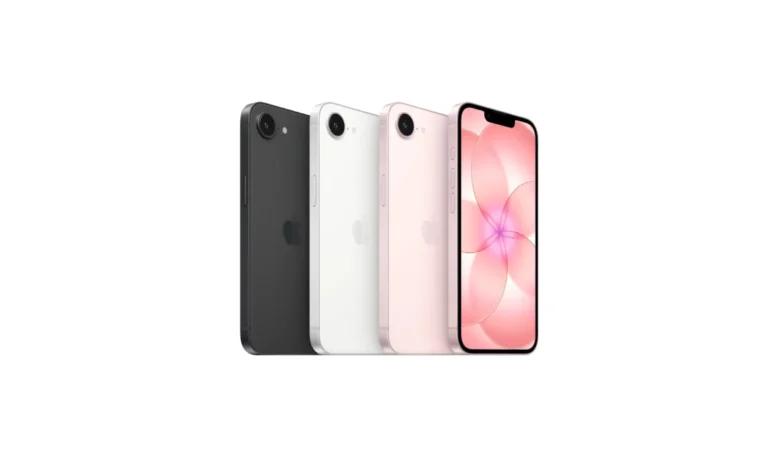
Apple’s latest entry, the iPhone 17e, priced at $599, was positioned to disrupt the competitive $500-$600 Android market. Industry analysts widely anticipated this device could redefine expectations for affordability within the Apple ecosystem, potentially rendering a significant portion of its Android competitors obsolete. The "e" designation, following the iPhone 16e, signals Apple’s continued commitment to an accessible tier, aiming to capture users who prioritize core Apple experiences and ecosystem benefits without investing in the flagship Pro models. This strategy is particularly pertinent given the broader trend of incremental upgrades across the smartphone industry, which further encourages consumers to seek out cost-effective options that deliver substantial, rather than revolutionary, improvements.
However, despite its numerous advancements and compelling price point, the iPhone 17e arrives with one significant caveat: its display’s refresh rate. As user experience with the device has been evaluated, it has become clear that Apple has made a calculated decision to omit a high refresh rate display, a feature now standard even in much cheaper Android alternatives. This single omission, while strategically protecting Apple’s higher-tier iPhone models, paradoxically maintains a competitive lifeline for Android manufacturers struggling to compete with the iPhone 17e’s overall value proposition.
Unpacking the Strengths: Performance, Storage, and Ecosystem Integration
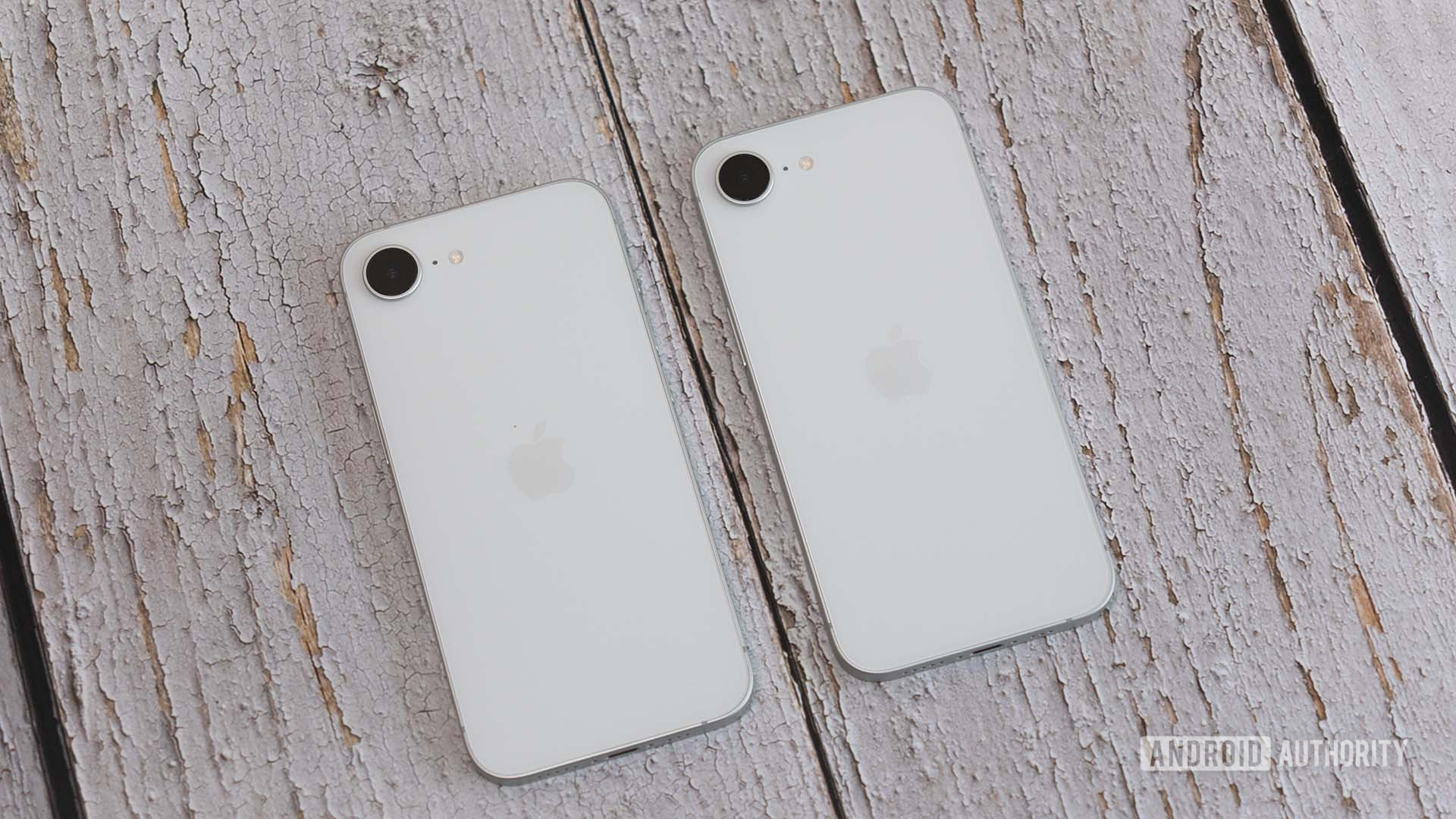
The iPhone 17e is a testament to Apple’s ability to deliver high-end specifications at an increasingly competitive price. Its internal architecture, robust software support, and integration into the broader Apple ecosystem establish a formidable offering that sets it apart from many of its direct competitors.
The A19 Bionic: Powerhouse Performance
At the heart of the iPhone 17e lies the A19 Bionic chip. This processor, previously featured in Apple’s flagship devices, represents an unprecedented level of performance for an entry-level iPhone. To put this in perspective, imagine a scenario where a Samsung Galaxy A57, typically equipped with a mid-range Exynos 1680, instead shipped with a Snapdragon 8 Elite Gen 5. This analogy perfectly illustrates the computational horsepower available in the iPhone 17e. The A19 Bionic ensures that the device navigates all applications and tasks with the same fluidity and responsiveness as its more expensive sibling, the $830 iPhone 17. Benchmarking data, if available, would likely show the A19 Bionic surpassing nearly every mobile chip in its price bracket, offering a seamless user experience from demanding games to complex productivity applications. This inclusion is a bold move by Apple, signaling a clear intent to differentiate its budget offering not just by brand, but by raw, uncompromised power.
Enhanced Storage and RAM: Future-Proofing for the Masses
Beyond raw processing power, Apple has also addressed long-standing consumer grievances regarding base model specifications. The iPhone 17e introduces a base storage configuration of 256GB, a significant upgrade from previous entry-level iPhones. This change, at a starting price of $599, is a substantial victory for consumers, particularly in markets like the United States, where users have often faced the frustrating cycle of managing limited storage, juggling iCloud warnings, and constantly deleting content. The addition of 8GB of RAM further enhances the device’s multitasking capabilities and overall responsiveness.
These hardware specifications future-proof the iPhone 17e in a way that budget iPhones rarely achieve. As Apple continues to roll out its "Apple Intelligence" initiatives, the robust silicon of the A19 Bionic, combined with ample RAM and storage, ensures that the iPhone 17e will be capable of handling advanced AI functionalities for years to come. This aligns with Apple’s consistent track record of extended software support and prompt security updates, guaranteeing users a prolonged and secure mobile experience. The combination of industry-leading hardware, a mature operating system, and the world’s most robust app ecosystem makes the iPhone 17e’s internal engine a nearly flawless proposition for its price segment.
MagSafe: An Integrated Lifestyle Feature
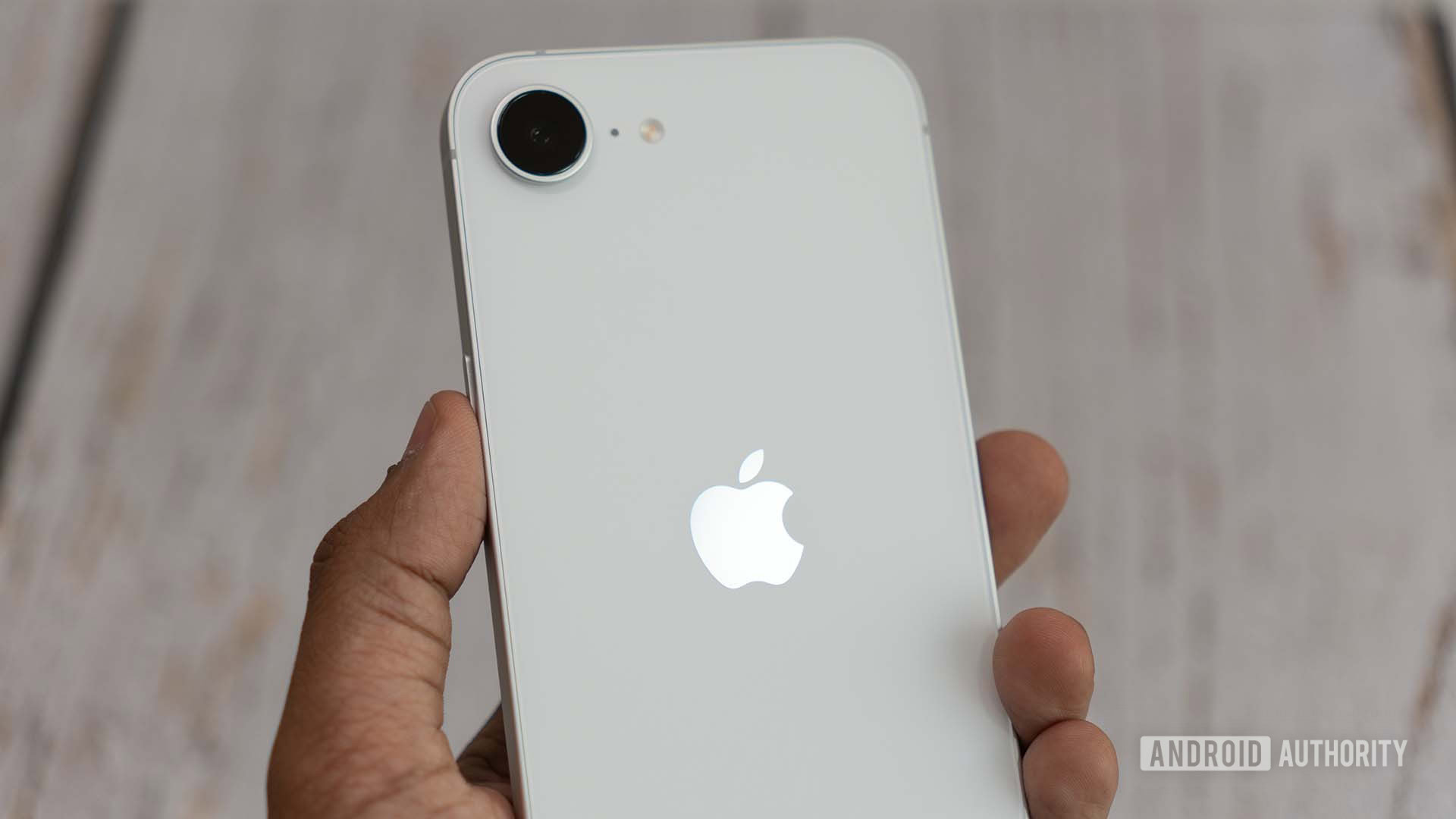
MagSafe technology, once a novel feature, has evolved into a cornerstone of the modern mobile experience within the Apple ecosystem. For the US market, where magnetic car mounts, wallets, and chargers have become ubiquitous accessories, the iPhone 17e’s full MagSafe support is a significant functional advantage. This integration allows for seamless attachment of various accessories, enhancing convenience and utility.
When juxtaposed with the competition, such as the Pixel 10a’s magnetic charging capabilities, the difference in maturity and ecosystem integration is stark. While Android manufacturers are gradually transitioning to the Qi2 standard for improved magnetic charging, Apple’s MagSafe ecosystem is already robust and deeply embedded in consumer habits. The iPhone 17e offers a polished, integrated magnetic connection that feels like an organic part of a modern lifestyle, rather than a nascent technology or a budget afterthought. This mature accessory ecosystem contributes significantly to the perceived value and user experience of the device.
Camera Prowess: Quality Over Quantity
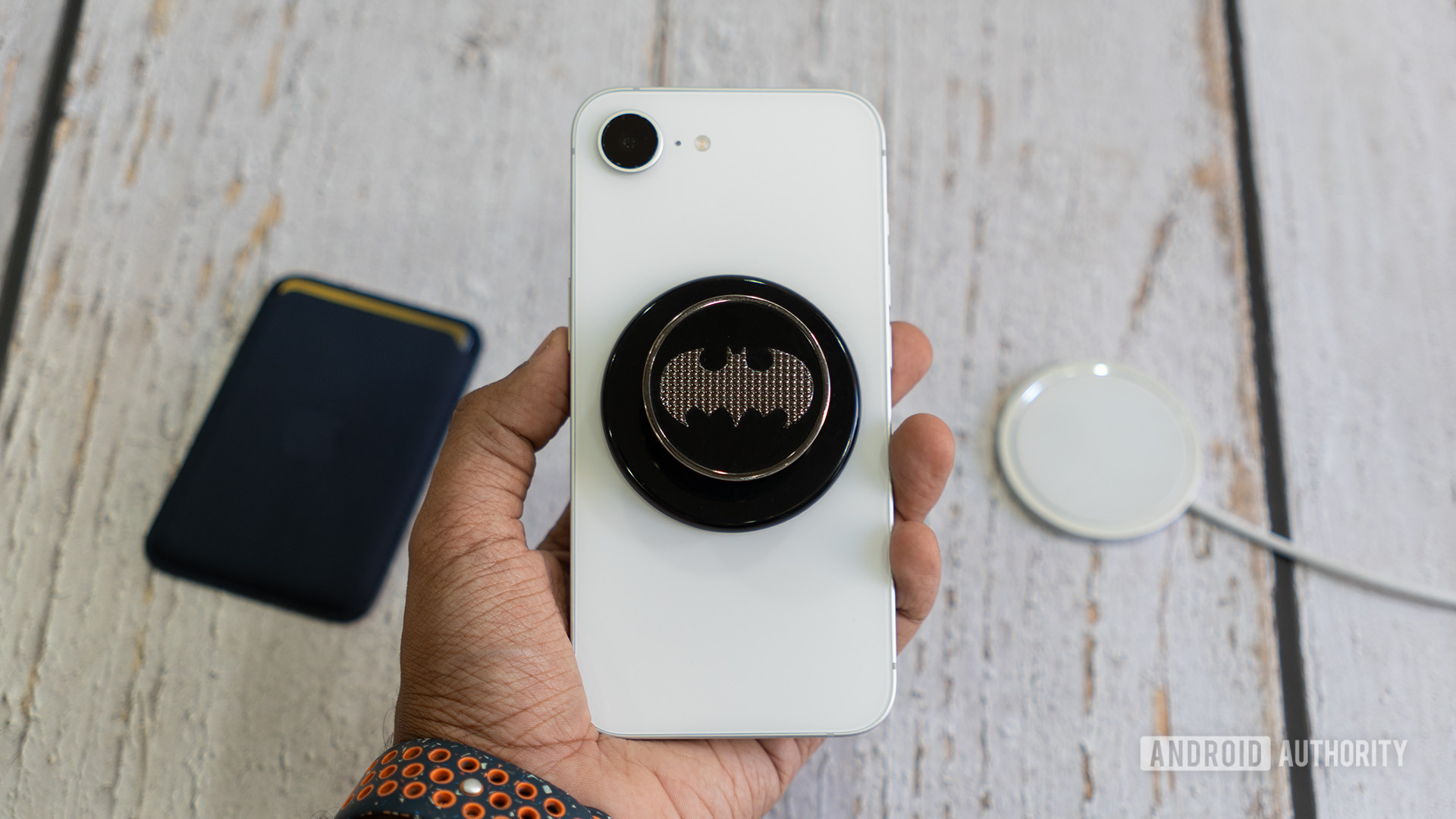
Even with a singular rear camera, the iPhone 17e maintains Apple’s reputation for photographic excellence. It features a high-quality 48MP sensor, a specification that often outperforms the "triple-camera" setups found on many mid-range Android devices. These Android phones frequently pad their specifications with less useful lenses, such as low-resolution 2MP macro or depth sensors, which offer minimal practical value to the average user.
For the vast majority of consumers who primarily use their smartphones for casual photography – pointing, shooting, and sharing on platforms like TikTok, Snapchat, or Instagram Stories – the iPhone 17e’s single, high-fidelity sensor delivers superior results. Apple’s computational photography prowess ensures that even with a single lens, the images produced are consistently sharp, well-exposed, and color-accurate, making it a highly competitive offering in its bracket for photo and video capture.
The Glaring Omission: The 60Hz Display Controversy
Despite its many laudable features, the iPhone 17e’s display refresh rate stands as its most significant and arguably most perplexing limitation. The decision to equip a device with such powerful internals with a 60Hz screen in 2026 is a source of considerable debate and user frustration.
A Step Back in Visual Fluidity
For users accustomed to modern smartphones, the 60Hz refresh rate on the iPhone 17e is an immediate and jarring visual downgrade. The lack of fluidity in scrolling, the noticeable stutter in animations, and the subtle ghosting effects are difficult to ignore. This limitation can make the phone feel perpetually behind, struggling to keep pace with user input, even when the A19 Bionic chip is performing flawlessly in the background. The visual experience is a stark contrast to the device’s otherwise premium feel and performance, creating a dissonance that undermines the overall user satisfaction. It’s akin to having a high-performance sports car but being limited to driving it on unpaved, bumpy roads.
Market Context: The Industry’s Leap to High Refresh Rates
The smartphone industry, particularly in the Android segment, has largely moved beyond 60Hz displays, even in the budget category. By 2026, it is common to find 90Hz or even 120Hz panels on Android phones priced as low as $300. This widespread adoption has reset user expectations, making a 60Hz display feel increasingly antiquated. Consumers upgrading from almost any other modern phone, or even those simply exposed to devices with higher refresh rates, will immediately perceive the difference. This technological gap is not merely a technical specification but a fundamental aspect of the daily interaction with a smartphone.
Apple’s Segmentation Strategy: A Calculated Risk
Apple’s decision to gatekeep 120Hz ProMotion technology for its Pro and now standard iPhone models (like the iPhone 17) is a clear segmentation strategy. By reserving this feature for higher-priced devices, Apple maintains a distinct upgrade path and encourages consumers to spend more for what it deems a "premium" visual experience. However, this strategy carries a calculated risk in the budget segment. While the iPhone 17e benefits from other flagship features like Ceramic Shield 2 for enhanced durability and an anti-reflection coating, these improvements do not compensate for the fundamental lack of display fluidity. They are incremental enhancements to an otherwise compromised visual experience.
Consumer Perception and Upgrade Paths
Apple’s target demographic for the iPhone 17e is likely twofold: existing iPhone users migrating from older 60Hz devices (e.g., iPhone 11 or 12), and new smartphone buyers who may not have experienced a high refresh rate display before. For these groups, the 60Hz limitation might not be immediately apparent or bothersome. However, this relies on a lack of exposure to better technology, rather than a genuine acceptance of the feature. By withholding 120Hz ProMotion, Apple is denying its most value-conscious users what many consider to be the single most significant visual upgrade in smartphone technology over the past decade. The effect is that a phone that performs at an 8/10 level is experienced through a 5/10 visual interface.
Implications for the Competitive Landscape
Despite the display’s limitation, the iPhone 17e still casts a long shadow over the mid-range Android market, particularly in the US. This device serves as an unintentional, yet potent, final warning shot to Android manufacturers.
The Threat to Mid-Range Android
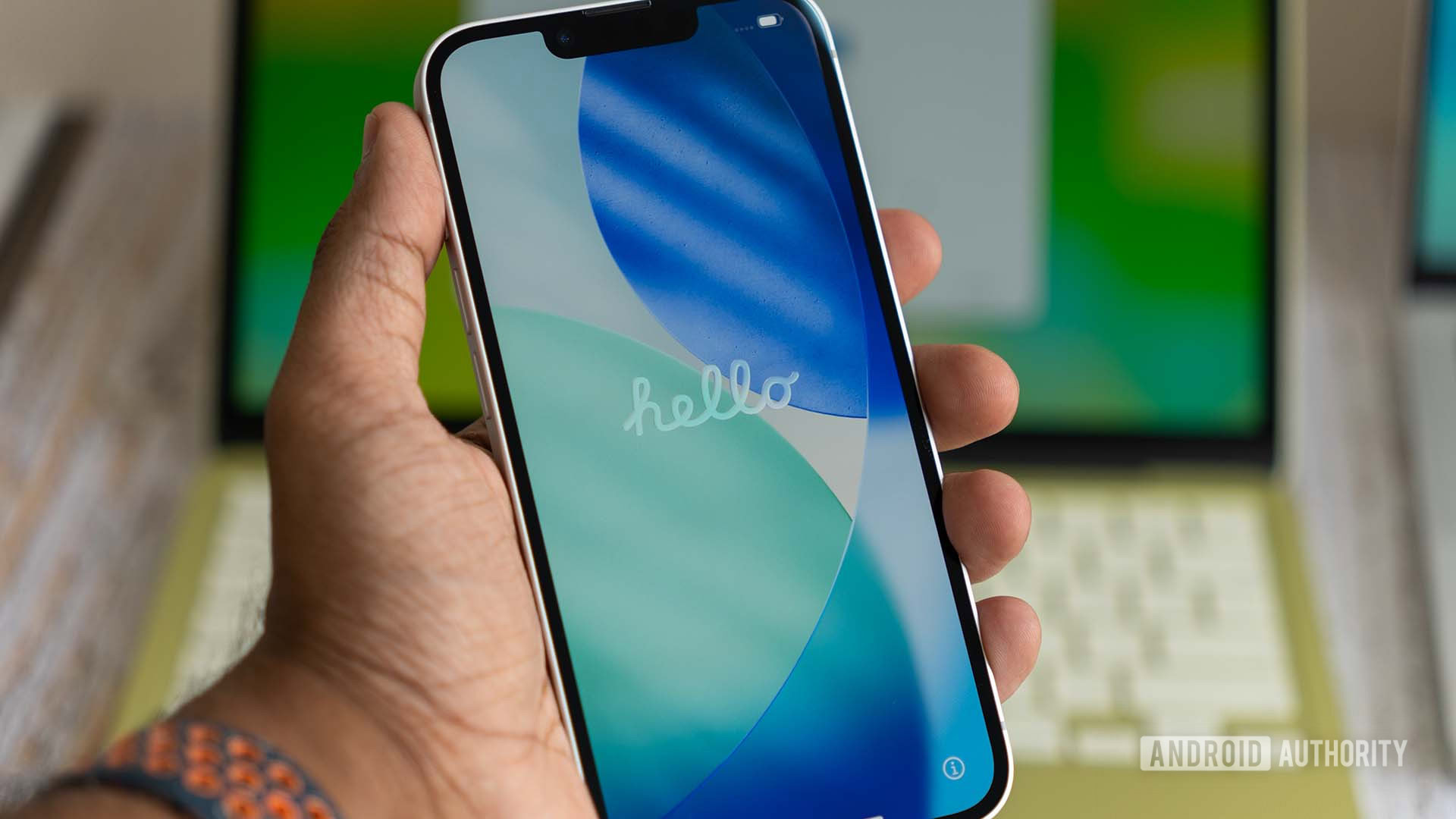
The iPhone 17 series marked a turning point, with the base iPhone 17 (priced at $830) making the 120Hz experience more accessible. This effectively eliminated the need for many average users to opt for the more expensive Pro models, as the standard iPhone 17 delivered a near-complete premium experience. The iPhone 17e now extends many of these critical "Apple advantages" down to an even more accessible $599 price point. This includes the potent A19 Bionic chip, the expansive 256GB base storage, robust MagSafe integration, and the allure of Apple Intelligence.
For Android OEMs, this means competing not just on specs, but on a holistic ecosystem offering. While Android devices may offer 120Hz screens at lower price points, they often struggle to match Apple’s sustained performance, software longevity, security updates, and accessory ecosystem integration. The iPhone 17e forces Android manufacturers to reconsider their value propositions entirely, pushing them to offer more compelling and cohesive user experiences beyond a simple spec sheet.
The "Blue Bubble" Advantage and Ecosystem Lock-in
The "Blue Bubble" phenomenon, referring to iMessage’s distinct blue chat bubbles that signify an iPhone user, remains a powerful social currency, especially among younger demographics in the US. This social pull, combined with the tight integration of MagSafe and the promise of Apple Intelligence, makes the iPhone 17e incredibly attractive. It offers a gateway to Apple’s expansive and sticky ecosystem at a price point that was previously unattainable for many. Once users are entrenched in the Apple ecosystem, switching becomes more difficult due to the convenience of continuity features, app purchases, and accessory investments.
The MacBook Neo Synergy: A Holistic Budget Ecosystem
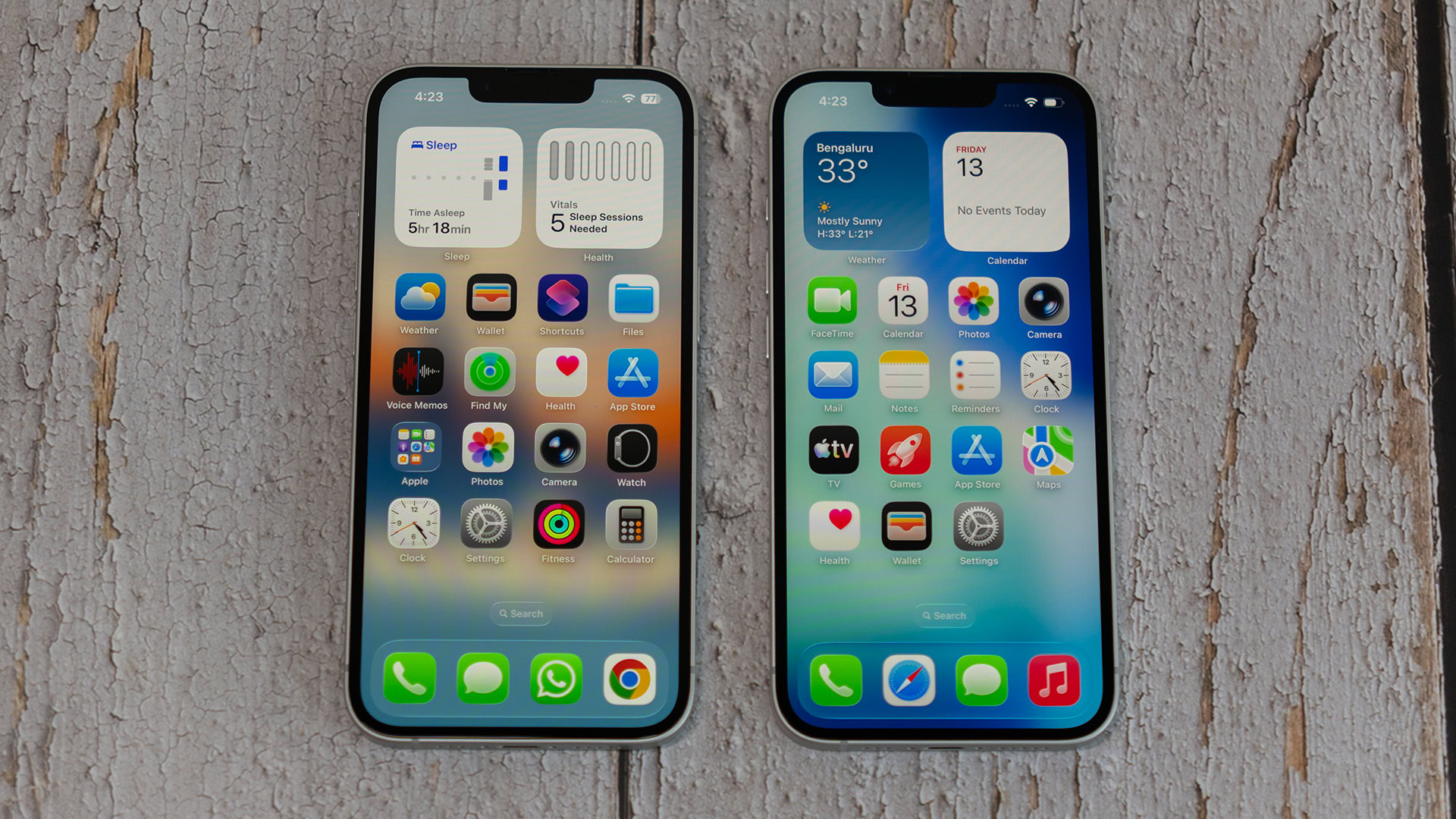
The iPhone 17e finds a particularly synergistic companion in the hypothetical "MacBook Neo," an envisioned entry-level Apple laptop that aligns with the "good enough" philosophy. For students or budget-conscious consumers already invested in a MacBook Neo, the iPhone 17e completes a surprisingly competent entry-level Apple setup for under $1,200. This price point was historically reserved for a single Pro-model iPhone or MacBook, demonstrating Apple’s strategic move to capture a broader market by offering an integrated, yet affordable, ecosystem experience. The seamless hand-off features, shared iCloud storage, and consistent user interface across devices create a compelling argument for staying within the Apple fold.
Looking Ahead: The Shadow of the iPhone 18e
The iPhone 17e, while a powerful device, remains a compromised masterpiece. Its core performance is outstanding, yet the visual experience is fundamentally hampered by the 60Hz display. This creates a situation where the phone feels like an 8/10 device viewed through a 5/10 window. It prevents the iPhone 17e from achieving a "MacBook Neo moment" – a flawless execution of essential technology that fundamentally shifts market expectations. Instead, the 60Hz screen is a constant, unavoidable limitation.
Anticipated Future Upgrades
Rumors circulating within the industry suggest that the iPhone 18e, the successor to the 17e, will finally bring a 120Hz ProMotion display to Apple’s budget tier. This anticipation casts a significant shadow over the iPhone 17e, making it a "coin-flip" purchase for many discerning consumers. While its 256GB base storage and powerful A19 chip offer undeniable value, the prospect of a vastly improved visual experience just one year away could deter potential buyers. For those who can tolerate the "scrolling through mud" sensation of 60Hz, the iPhone 17e is undoubtedly a steal. However, for a growing segment of the market, the wait for a 120Hz budget iPhone may prove worthwhile.
The End of the Budget Android Phone?
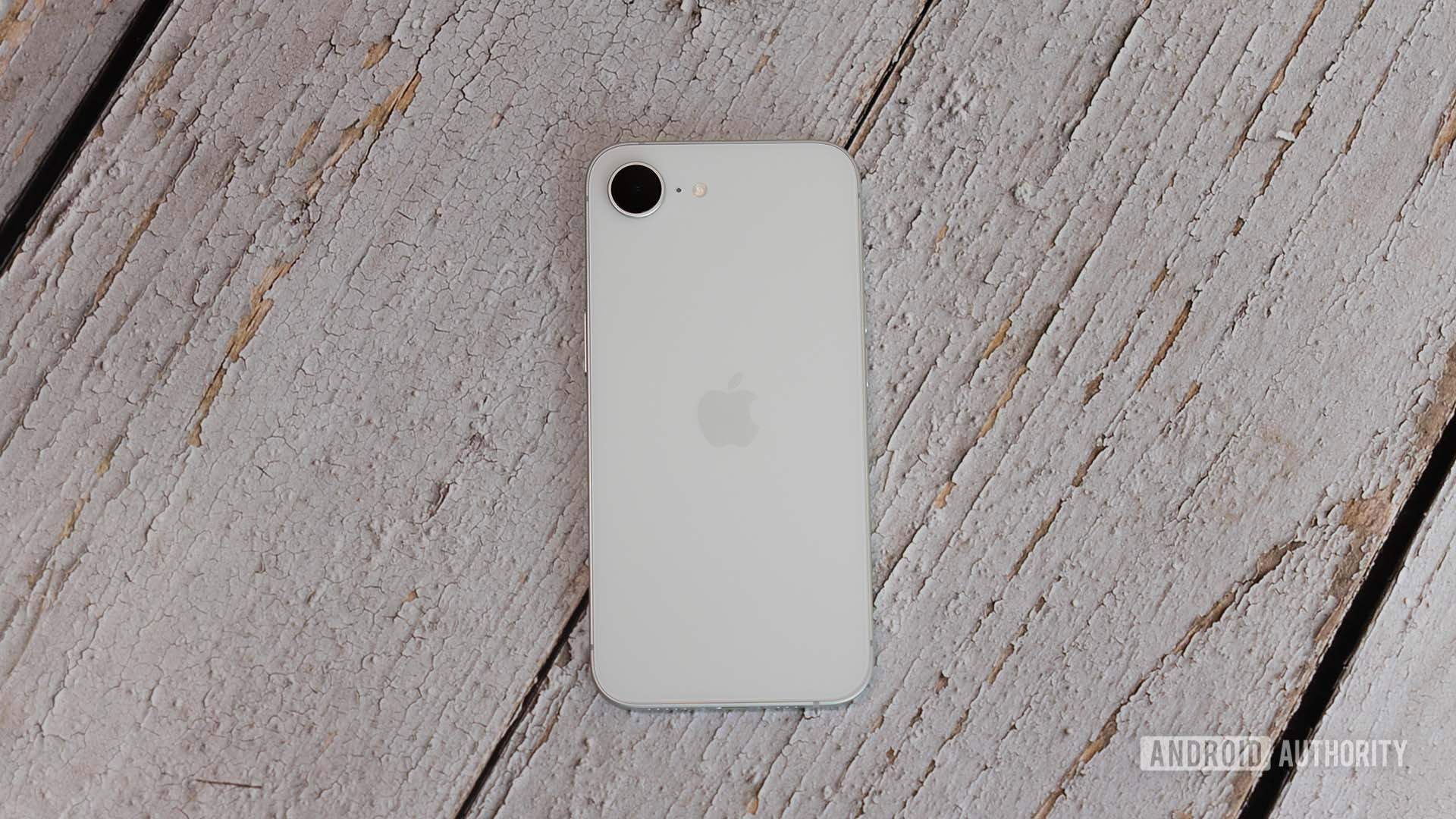
When the iPhone 18e inevitably arrives with a 120Hz display, the landscape of the budget and mid-range smartphone market could be irrevocably altered. A truly uncompromised, powerful, and fluid iPhone at an accessible price point would present an existential challenge to many Android manufacturers. It would remove the primary differentiator that Android phones in this segment currently leverage against Apple. The question then becomes: without the display advantage, and facing Apple’s superior chip performance, ecosystem lock-in, and software longevity, what unique selling proposition will budget Android phones offer to remain competitive? The iPhone 18e’s arrival, therefore, cannot come soon enough for Apple’s enthusiasts and potentially, for the fundamental restructuring of the budget smartphone market.