Why E-Ink Digital Art Frames Are Replacing Frame TVs in Modern Interior Design

The intersection of technology and interior design has long sought a seamless way to display digital fine art without the visual disruption of traditional electronics. For years, consumer electronics manufacturers have marketed "frame TVs"—displays equipped with matte bezels and dedicated art-mode software designed to showcase classical and contemporary paintings when not in use for broadcasting video content. While these devices have carved out a distinct market niche, they come with substantial drawbacks: high retail costs, rigid spatial limitations, persistent power requirements, and a distracting luminous glow that betrays their digital nature.
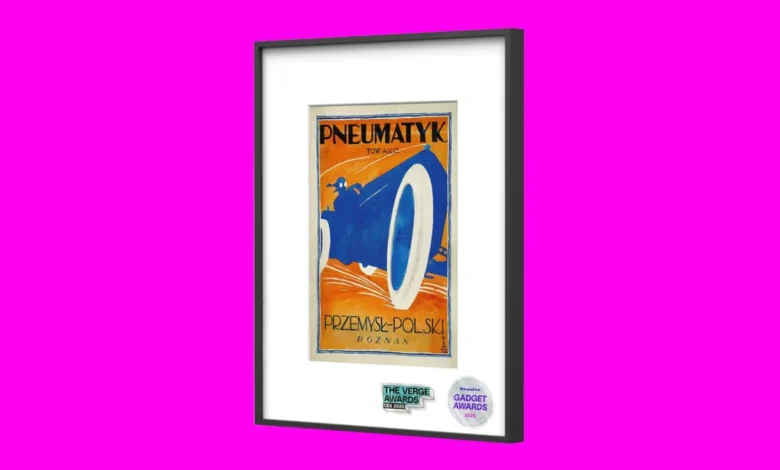
In response to these limitations, a growing segment of tech-savvy interior designers and art enthusiasts are turning toward a quieter, more convincing alternative: electronic ink (e-ink) digital art frames. Moving away from backlit LED panels, these devices utilize reflective electrophoretic display technology to mimic the physical qualities of ink on paper or paint on canvas. Leading this charge is the Swiss-engineered brand InkPoster, whose diverse line of e-ink frames—anchored by the affordably priced Affresco series starting at $499—is redefining how digital art is integrated into residential and commercial spaces.
The Evolution of Digital Display Technology: From Backlit Screens to Reflective E-Ink
To understand the sudden rise of e-ink art frames, one must examine the fundamental physiological differences between traditional television displays and electrophoretic media. Standard televisions and monitors rely on emissive light, shooting photons directly into the viewer’s eyes. Even when dimmed and color-calibrated to display an oil painting, an LED or OLED screen retains a distinct electronic luminance, particularly in dimly lit rooms. Furthermore, their rigid glass structures and heavy chassis require secure wall anchoring, usually directly opposite primary seating areas where television viewing takes place.
E-ink technology operates on an entirely different principle. Instead of emitting light, e-ink displays use ambient light in the environment to illuminate the canvas, exactly like a traditional physical painting or printed poster. Inside the display panel, millions of tiny microcapsules suspended in clear fluid contain positively charged white pigments and negatively charged black (or chromatic) pigments. When an electrical field is applied, the pigments migrate to the top of the microcapsule, making the surface appear white or dark. Once the image is rendered, zero electricity is required to maintain the picture. The screen only draws power when the image is actively changing.
This fundamental mechanical difference solves several long-standing complaints about digital home decor. Because e-ink frames do not emit light, they blend effortlessly into gallery walls alongside physical canvases, charcoal sketches, and framed photographs. They produce no glare, consume negligible amounts of electricity, and possess the tactile, matte texture characteristic of high-end print media rather than consumer electronics.
Chronology of the InkPoster Ecosystem and Hardware Lineup
The trajectory of InkPoster’s product development illustrates the maturation of large-format color e-ink technology. Early generations of e-ink were predominantly restricted to small-scale monochrome e-readers like the Amazon Kindle or specialized retail shelf labels. However, advancements in ACeP (Advanced Color ePaper) technology over the past three years have unlocked full-color spectrum reproduction suitable for fine art display.
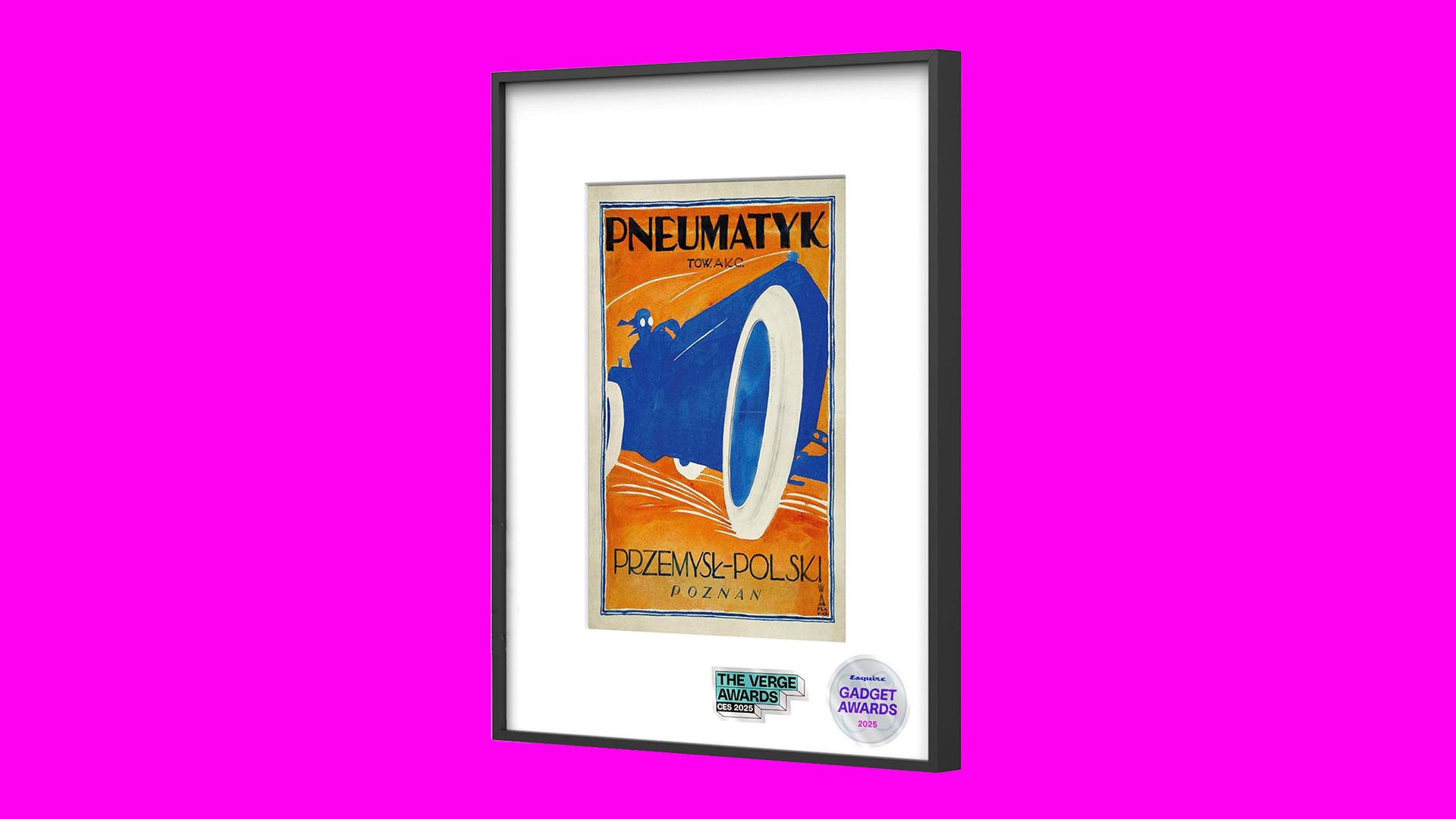
InkPoster formalized its presence in the market with a targeted lineup designed to scale across different architectural needs:
- The Affresco (Compact 13.3-Inch Model): Positioned as an entry-level gateway for gallery walls and compact living spaces, this model brings the core benefits of e-ink technology to price points starting at $499, competing directly with high-end conventional digital photo frames while offering vastly superior visual fidelity under natural light.
- The Tela (Mid-Sized Model): Serving as the flagship testing ground for user interaction and design integration, the Tela strikes a balance between wall dominance and subtle integration. It has quickly become a favorite among design critics for its authentic canvas-like flex and realistic weight distribution.
- The Affresco (Large 31.5-Inch Model): Designed to replicate standard museum-grade poster and canvas sizes, this larger iteration caters to open-plan living rooms and commercial office spaces where visual impact is paramount.
A defining characteristic of InkPoster’s hardware strategy is its approach to installation and power management. Unlike frame TVs, which require concealed in-wall electrical wiring or dangling power cords connected to surface-mounted trunking, InkPoster frames operate on a rechargeable internal battery. Users must plug in the device solely for the initial installation and configuration process. Once the preferred artwork is synchronized via the companion smartphone application, the power cable can be completely detached. The battery sustains the system for months, given that static e-ink images draw zero standby current.
Customization, Software Integration, and the Art Selection Process
The user experience of managing an e-ink art frame relies heavily on companion software infrastructure. InkPoster has engineered its mobile application to bridge the gap between digital asset management and physical display constraints.
Through the app, users gain access to a curated cloud library comprising thousands of historical masterpieces, contemporary digital illustrations, and photographic works. For those who prefer a personalized touch, the software includes built-in cropping, scaling, and color-profile optimization tools. Users can upload their own high-resolution photographs, family portraits, or vector designs, tailoring the aspect ratio directly on their smartphones before transmitting the files to the frame via secure wireless protocols.
The physical loading process itself has developed a distinct cult following among early adopters. When a new image is selected, the e-ink microcapsules do not flash or instantly refresh like an LCD monitor. Instead, the screen undergoes a slow, deliberate, multi-stage transition. The pixels ripple and shift across the canvas, cycling through neutralizing color sweeps before settling into the final composition. This deliberate mechanical refresh mimics the physical printing process of an analog lithograph or serigraph, providing an unexpectedly meditative tactile feedback loop that distinguishes the technology from instant digital transitions.
Design Collaborations and High-End Aesthetic Accents
Recognizing that technology enthusiasts and interior designers demand physical materials that match luxury furniture standards, InkPoster has incorporated high-end architectural accents into its hardware configurations.
Most notably, the mid-sized Tela model features premium architectural variations developed in partnership with legendary Italian design house Pininfarina. These iterations incorporate luxurious Alcantara passepartouts—soft, suede-like synthetic textiles traditionally reserved for the interiors of hypercars and high-end Italian furniture. By blending advanced electrophoretic displays with classic framing materials, fine wood veneers, and tactile textiles, the company successfully strips away the cold, utilitarian aesthetic typical of consumer electronics.
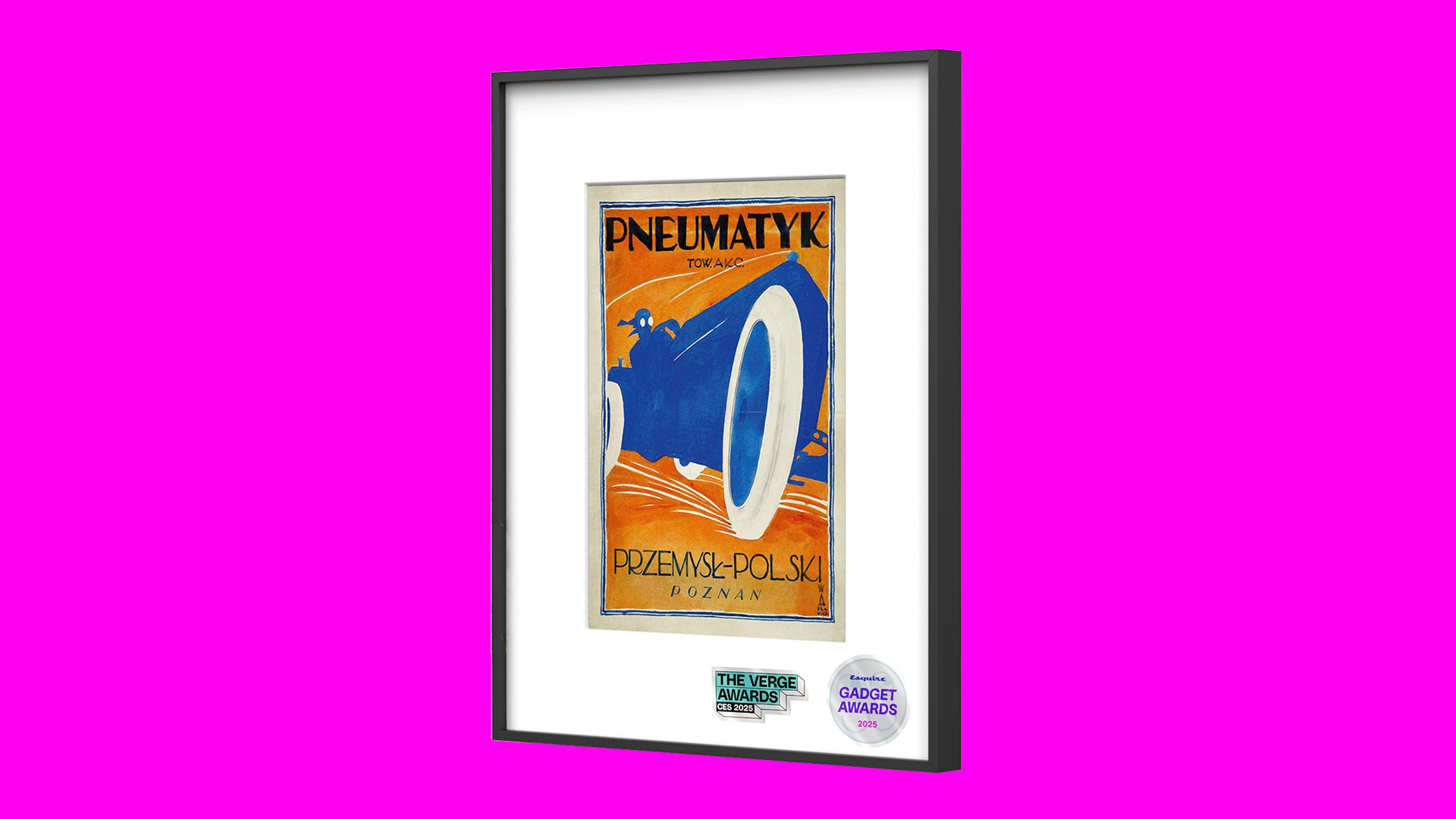
Comparative Market Analysis: E-Ink Frames Versus Frame TVs
To evaluate the broader implications of this technological shift, industry analysts frequently contrast e-ink frames against market-dominant frame TVs manufactured by consumer electronics giants like Samsung.
| Feature / Metric | E-Ink Art Frames (e.g., InkPoster) | Traditional Frame TVs |
|---|---|---|
| Display Technology | Reflective Electrophoretic (E-Ink / ACeP) | Emissive Backlit LED / QLED / OLED |
| Luminous Glow | None (reflects ambient room light) | Present (requires backlight adjustment) |
| Power Requirements | Rechargeable battery (wireless post-setup) | Constant AC electrical connection required |
| Placement Flexibility | High (hangs anywhere like a canvas) | Low (restricted by wiring and glare angles) |
| Price Range | $499 to premium luxury tiers | $900 to $3,000+ depending on screen size |
| Tactile Quality | Matte surface, canvas-like flex | Rigid glass panel, high specular reflection |
This side-by-side comparison highlights why e-ink frames are capturing market share among residential architects. While frame TVs remain superior for dual-purpose entertainment rooms where high-definition video playback is required, they fail in architectural applications where the primary goal is the quiet, authentic simulation of physical art.
Broader Industry Implications and Future Outlook
The commercial success and technological refinement of devices like the InkPoster Affresco and Tela signal a broader maturation within the smart home and digital art sectors. For decades, digital art struggled for legitimacy among traditional collectors due to the artificial, glowing nature of computer monitors and tablets.
By removing the backlight and eliminating the dependency on wall outlets, e-ink technology solves the primary aesthetic hurdle of digital curation. Artists and digital creators now have a standardized, museum-appropriate medium through which their digital portfolios can be exhibited in domestic spaces with absolute fidelity to color profiles, lighting conditions, and texture.
As manufacturing yields for large-format ACeP color panels improve and production costs scale downward, the gap between traditional print framing and digital e-ink display is expected to narrow further. For consumers caught between the desire for rotating home galleries and the visual clutter of modern electronics, the e-ink art frame has successfully moved out of the realm of science fiction and into the mainstream interior design lexicon.