The intersection of high-stakes geopolitical policy, congressional hearings, and internet meme culture has once again yielded an unexpected cultural phenomenon. The phrase "Does TikTok Connect To The WiFi In My House?" has evolved from a widely scrutinized legislative gaffe into a viral internet sensation, spawning a massive wave of funk remixes, animated shorts, and multimedia edits across TikTok and YouTube. What began as a moment of confusion during a high-profile U.S. congressional committee hearing in March 2023 has, by late 2026, transformed into a staple of digital satire, demonstrating the unique ability of online communities to repurpose legislative missteps into enduring digital folklore.
The genesis of this cultural artifact dates back to March 23, 2023, during a pivotal House Energy and Commerce Committee hearing titled "TikTok: How Congress Can Safeguard American Data Privacy and Protect Children from Online Harms." The hearing featured TikTok Chief Executive Officer Shou Zi Chew as the sole witness and was convened amid intense bipartisan scrutiny regarding the short-form video platform’s data collection practices, its corporate ties to its Beijing-based parent company, ByteDance, and potential national security risks to the United States. Lawmakers from both sides of the aisle pressed Chew on a wide array of technical and operational questions, attempting to understand how the application handles foreign data access and user surveillance.
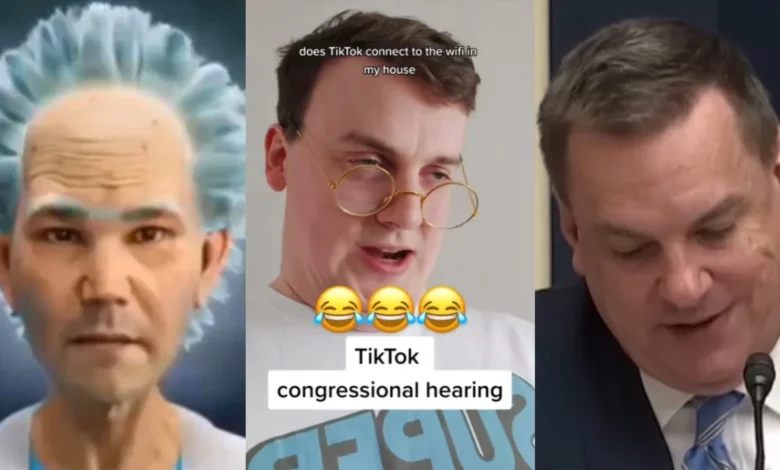
However, the proceedings took a widely discussed turn during questioning by U.S. Representative Richard Hudson, a Republican representing North Carolina’s 9th congressional district. Seeking to clarify how the application operates on domestic hardware networks, Hudson asked a question that immediately drew skepticism from technology experts and internet commentators alike: "Does TikTok connect to the home WiFi network?"
Chew, visibly taken aback by the fundamental misunderstanding of basic networking technology, paused before attempting to clarify that the application, like virtually all internet-enabled software, utilizes whatever internet connection—cellular data or local Wi-Fi—is available on the user’s device to access cloud servers. The phrasing of the inquiry—implying a unique or invasive capability inherent to TikTok rather than a standard function of operating a smartphone connected to a wireless router—quickly became a focal point of public derision. Critics and cybersecurity professionals pointed to the exchange as evidence of a broader digital literacy gap among federal lawmakers tasked with regulating complex modern technologies.
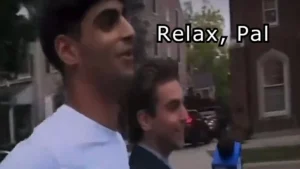
Within days of the hearing, content creators on various platforms began lampooning the exchange. On March 25, 2023, TikTok creator @someguymark uploaded a comedy skit that directly parodied Representative Hudson’s line of questioning, exaggerating the bewilderment surrounding the interaction. Although the original video was later removed by the creator, its impact persisted through platform features such as "Stitches" and duets, preserving the audio clip for future digital manipulation.
For over three years, the quote remained a minor reference point within political meme circles until August 2026, when the cultural trajectory of the audio underwent a dramatic shift. On August 21, 2026, TikTok user @zenziko6 published a high-energy funk and drift-phonk remix incorporating the dialogue from @someguymark’s original parody. The remix immediately resonated with the algorithm, accumulating more than 1.4 million views within its first three weeks online. The driving rhythm and comedic juxtaposition of technical illiteracy with aggressive phonk production struck a chord with Gen Z and millennial digital creators, setting the stage for a widespread creative explosion.
The spread of the "Does TikTok Connect To The WiFi In My House?" remix accelerated exponentially throughout late August and early September 2026. Creators across YouTube and TikTok began utilizing the audio as a backing track for complex animations, lyric videos, and character edits from popular anime and media franchises such as Rick and Morty, The Quintessential Quintuplets, and Bocchi The Rock!.
On August 27, 2026, YouTube creator EKS3R published an animated video set to the remix, which garnered over 348,000 views in just two weeks. This was followed closely by a viral TikTok animation posted by user @m1hatee on August 31, 2026, featuring characters from The Quintessential Quintuplets, which crossed the 900,000-view threshold in the same timeframe. Subsequent edits, including contributions from users like @brrbrrpatapiti5, @toxic.779, and @6o66_66, solidified the audio’s status as a premier template for character-driven motion edits and visual mashups.
The phenomenon offers a fascinating case study in how modern legislative processes are mediated, filtered, and recontextualized by digital natives. Congressional hearings concerning technology companies—ranging from early inquiries into social media algorithms to high-profile investigations into artificial intelligence and data privacy—are increasingly designed not only for policymaking but also for public consumption and political signaling. When lawmakers display a lack of foundational understanding regarding the technologies they seek to regulate, the resulting disconnect frequently serves as fuel for online satire.
Experts in digital culture and political communication note that internet memes derived from governmental proceedings serve a dual purpose. On one hand, they act as a form of levity, allowing the public to cope with complex and often anxiety-inducing geopolitical tensions surrounding data security, foreign ownership, and digital surveillance. On the other hand, they function as a form of horizontal accountability, where digital communities collectively highlight institutional shortcomings through ridicule rather than formal critique.
The longevity of the "WiFi in my house" meme—surviving a three-year dormancy before experiencing a massive second life as a phonk music trend—underscores the cyclical nature of internet humor. Audio clips that capture a specific moment of public absurdity can be resurrected and repurposed through new aesthetic lenses, bridging the gap between political commentary and youth subculture. As lawmakers continue to grapple with the regulation of rapidly evolving technologies, the intersection of Capitol Hill and viral meme culture remains a potent reminder of the public’s watchful, and often satirical, eye.