Fairphone Fairbuds 2 Bring Modular Repairability and High-Resolution Audio to the Wireless Earbud Market


The consumer electronics industry has long been plagued by a culture of planned obsolescence, where small gadgets like true wireless earbuds are treated as disposable commodities. Once a lithium-ion battery degrades—typically after two or three years of daily use—consumers are generally forced to throw away the entire device and purchase a replacement. Challenging this prevailing industry standard, sustainable tech pioneer Fairphone is preparing to launch its next-generation wireless earbuds, the Fairbuds 2. Scheduled to officially hit the market on October 14, the new iteration retains the brand’s signature repair-first philosophy while introducing significant upgrades in audio fidelity, pricing strategy, and design.
Priced competitively at €119 in Europe and $119 in the US, the Fairbuds 2 arrive with a notable price drop compared to their predecessors. When adjusting for currency conversions at the time of the original model’s debut, the new earbuds represent an approximate $30 savings for European consumers. By lowering the financial barrier to entry, Fairphone is signaling that eco-friendly, ethical electronics no longer need to command a heavy "green premium," making sustainable choices more accessible to mainstream consumers.
The Core Philosophy: Modular Design and Longevity
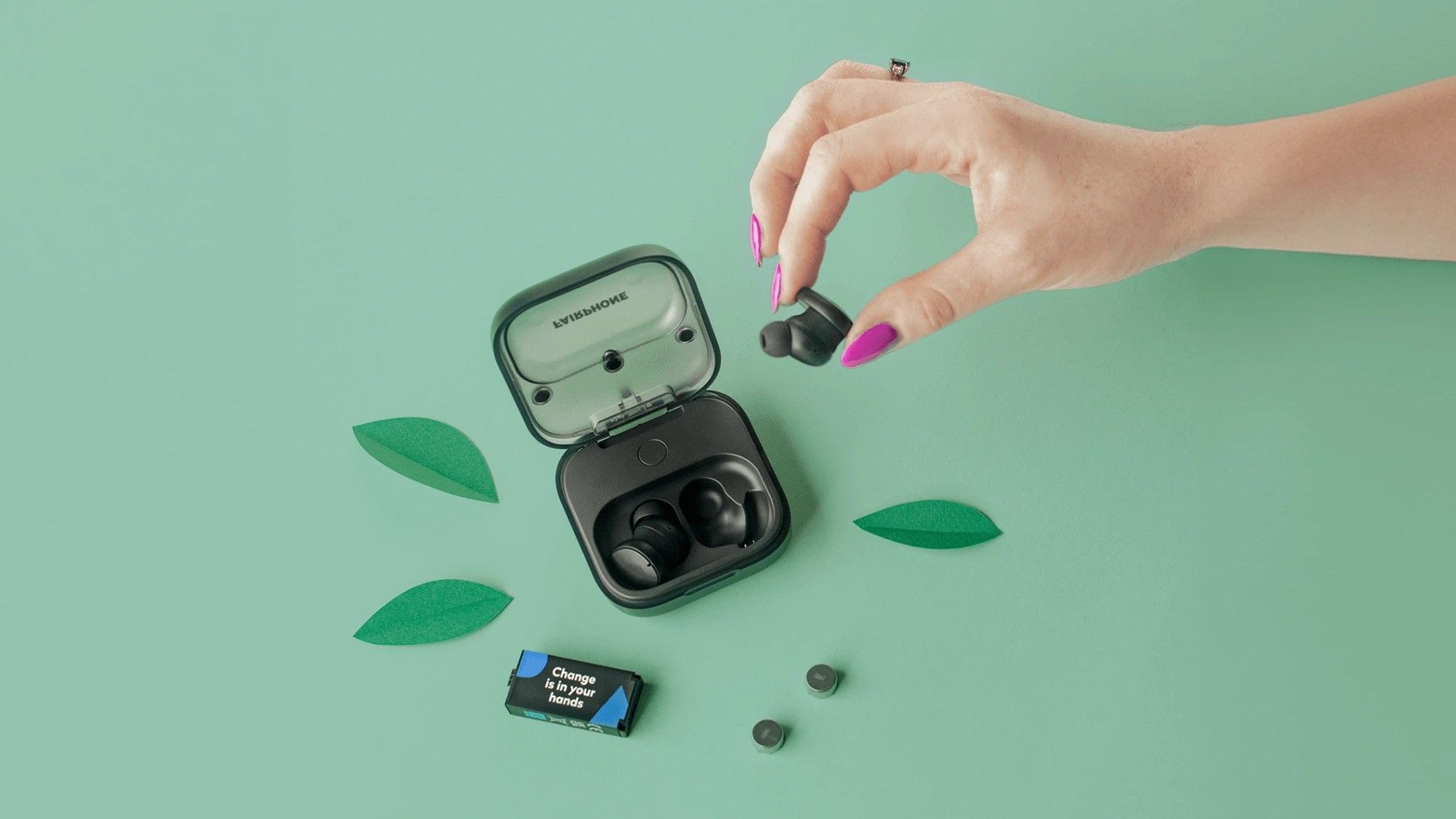
At the heart of the Fairbuds 2 proposition is a commitment to hardware longevity. While traditional manufacturers seal their earbuds with industrial adhesives—rendering internal components completely inaccessible—Fairphone continues its defiance of this trend. According to early disclosures shared with industry publications, the Fairbuds 2 maintain a modular construction consisting of seven user-replaceable components.
This modularity is not merely a marketing gimmick; it offers practical, cost-saving solutions for everyday users. Owners of the original Fairbuds could easily order individual replacement pieces, such as a single lost earbud, a fresh charging case, or replacement batteries for both the buds and the case. This approach drastically minimizes electronic waste (e-waste), a mounting global crisis. According to the Global E-Waste Monitor, the world generates tens of millions of tons of small IT and telecommunications equipment waste annually, with personal audio devices contributing significantly to this total due to their non-serviceable nature. By allowing consumers to replace only the failing part, Fairphone extends the lifecycle of the product exponentially.
Stepping Up Audio Performance with LDAC Support
While the first-generation Fairbuds won praise for their ethical manufacturing and modularity, critics often pointed out that their audio specifications lagged behind mainstream competitors. The original model restricted wireless transmission to standard SBC and AAC codecs. For audiophiles and users consuming high-resolution content, this limitation was a noticeable drawback.
The Fairbuds 2 address this critique head-on by integrating support for Sony’s LDAC codec. LDAC is a proprietary audio coding technology that allows the transmission of High-Resolution Audio over a Bluetooth connection at up to 990 kbps—roughly three times the data bitrate of standard Bluetooth audio. This technological leap enables the Fairbuds 2 to deliver a significantly richer, more detailed soundstage, bridging the gap between ethical hardware and uncompromising performance. This addition proves that Fairphone is listening to consumer feedback, ensuring that buyers do not have to compromise on core listening features simply to support a sustainable brand.
A Shift in Aesthetic: The Introduction of Stems
Beyond internal components and codec support, leaks and official teasers suggest a notable visual departure for the Fairbuds line. Early promotional material and images shared by Fairphone on social media platforms indicate that the Fairbuds 2 are adopting a stem-based design.
This is a distinct pivot from the rounded, button-like aesthetic of the first-generation earbuds, which sat entirely within the ear concha. While stem designs have been popularized industry-wide largely for ergonomic reasons and to position microphones closer to the user’s mouth for improved call quality, Fairphone has yet to officially confirm whether these new stems will incorporate touch-sensitive panels or physical squeeze controls. Furthermore, the company has teased vibrant new colorways, including a striking green variant, adding a layer of personalization that appeals to design-conscious consumers.
Timeline and Market Context
The journey of Fairphone into the personal audio sector began in April 2024 with the launch of the original Fairbuds. That initial release established the foundational architecture for user-repairable audio gear. Now, roughly a year and a half later, the introduction of the Fairbuds 2 marks a maturation of the company’s audio division.
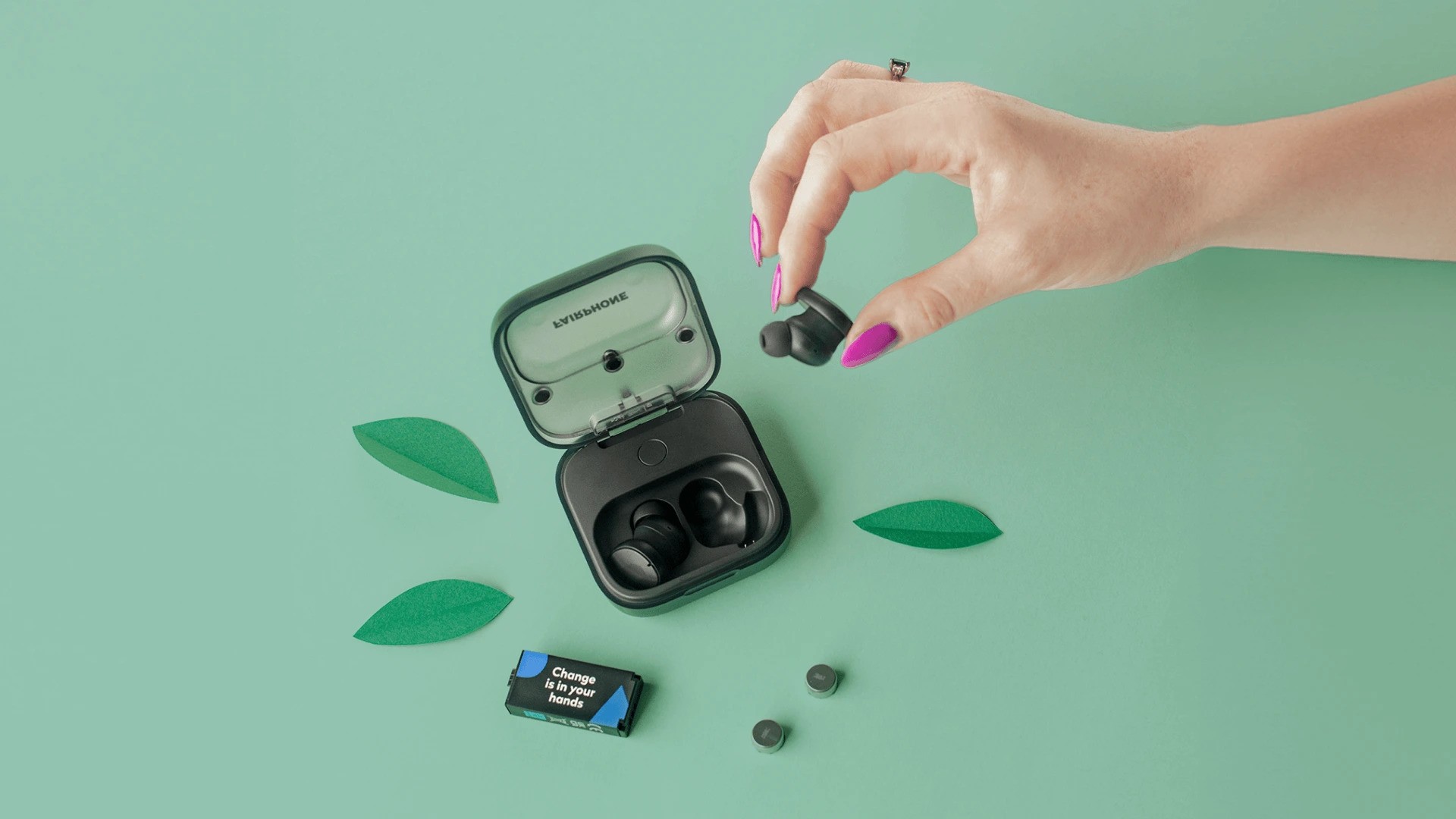
The European market will see the initial rollout on October 14, with the US availability closely following at the uniform $119 price point. This synchronized global strategy reflects Fairphone’s growing supply chain maturity and its ambition to capture a larger share of the North American and European sustainable tech markets.
Broader Industry Implications and Outlook
The launch of the Fairbuds 2 arrives at a critical juncture for consumer electronics. Regulatory bodies, particularly within the European Union, are cracking down on planned obsolescence and pushing for mandatory right-to-repair laws. Legislation such as the EU’s new battery regulations—which require portable batteries in appliances and electronics to be easily removable and replaceable by the end-user—is reshaping how manufacturers must design future hardware.
In this regulatory climate, Fairphone acts as a bellwether for the tech industry. While major tech giants like Apple, Samsung, and Sony often argue that miniaturization makes user repair impossible, Fairphone’s continued success with modular smartphones and repairable earbuds proves that sustainable engineering is technically feasible.
If the Fairbuds 2 successfully combine high-resolution LDAC audio, competitive pricing, and modular repairability, they could challenge the dominance of mainstream audio brands. More importantly, they send a strong message to the broader industry: consumers increasingly demand technology that respects both the planet and their long-term wallets. As the October 14 launch date approaches, all eyes will be on whether Fairphone can deliver a product that proves ethical manufacturing does not require compromise.