Gundam Rogue Orbit and the RG Project Signal a New Era of Connected Multimedia Storytelling for Bandai Namco

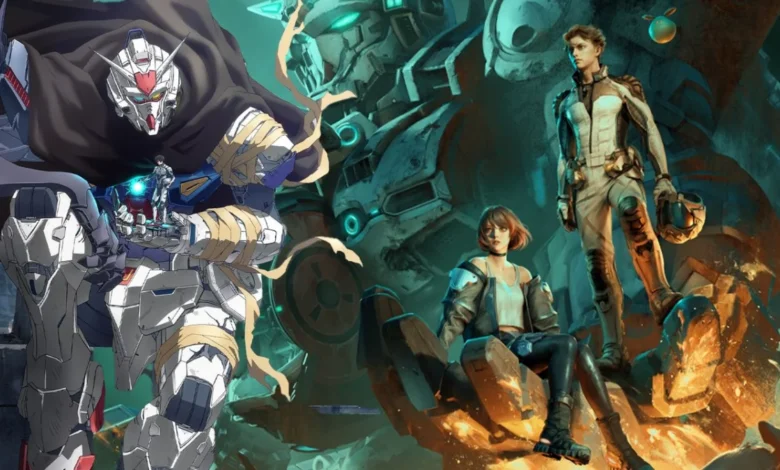
Bandai Namco has officially unveiled Gundam Rogue Orbit, a high-budget video game title that serves as a cornerstone for a massive new branch of the long-running mecha franchise. Moving away from the traditional release structure that has defined the brand for nearly five decades, this new project, titled the "RG Project," represents a fundamental shift in how the publisher approaches intellectual property development. Rather than following the established pattern of adapting an existing anime series into a game or producing model kits after a show’s conclusion, Bandai Namco is building a singular, interconnected universe where the anime, the video game, the physical Gunpla model kits, and the collectible card game are all conceived and developed simultaneously as part of a unified narrative ecosystem.
This strategic pivot is designed to create a "Marvel-like" connected universe, ensuring that every piece of media released under the RG Project banner contributes to a shared timeline and world-building framework. The initiative will launch with two primary narrative pillars: the anime series Mobile Suit Gundam RG XARX-ZERO and the video game Gundam Rogue Orbit. While both share the same setting and history, they are designed to offer distinct perspectives on a new era of human conflict, with the game specifically set 45 years after a cataclysmic event that altered the course of human history.
The Narrative Foundation: The Arrival of the Autonomous Interstellar Object
The lore of the RG Project, crafted by acclaimed director Kenji Kamiyama and science fiction author Toh Enjoe, introduces a radical departure from the "Universal Century" or "Post Disaster" timelines familiar to long-time fans. The story begins with the arrival of a mysterious entity known as the Autonomous Interstellar Object, which originates from a distant galaxy. This object provides humanity with three revolutionary technological breakthroughs: gravity control, faster-than-light (FTL) communication, and cognitive materialization.
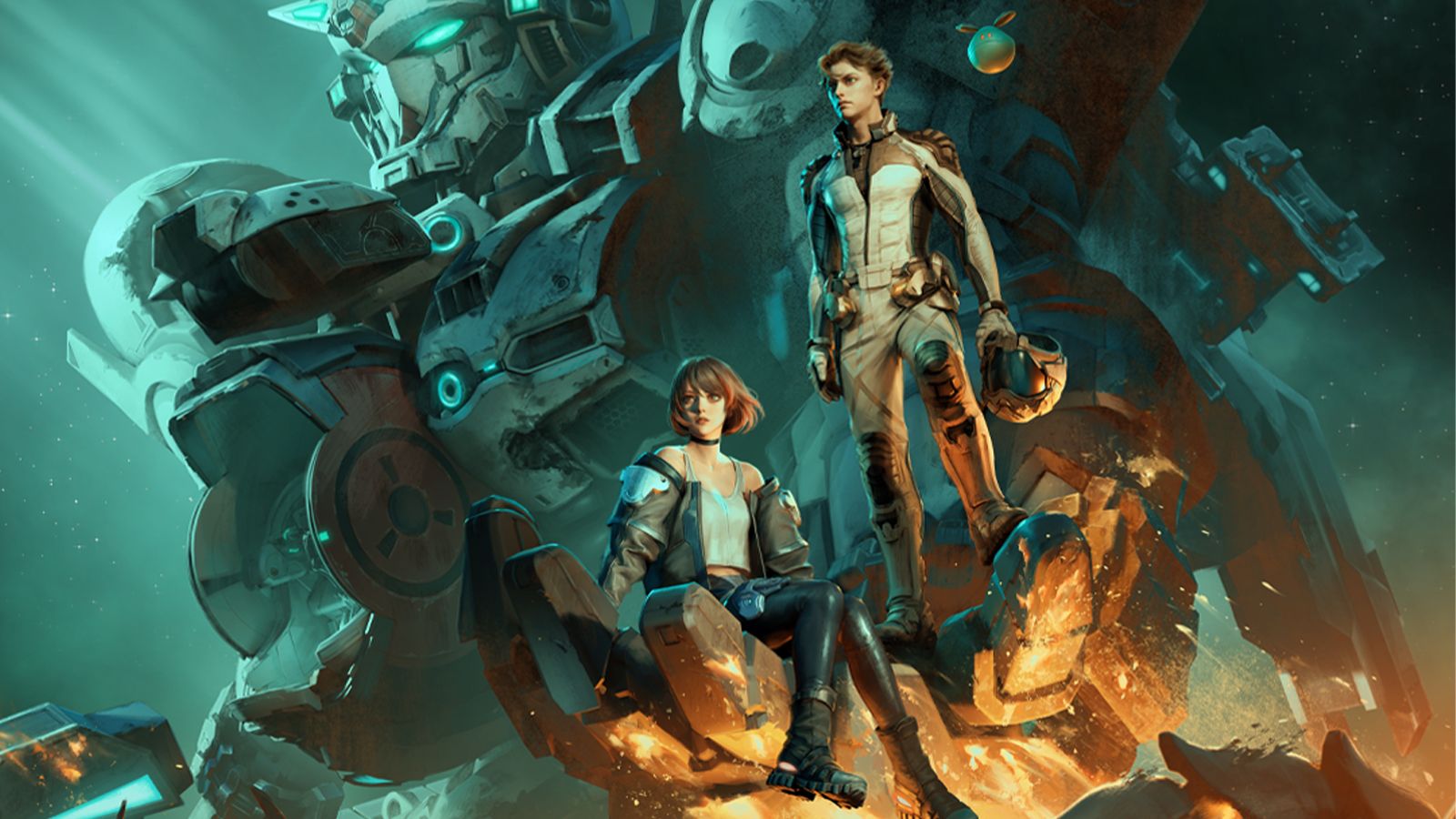
For a brief period, these advancements ushered in a "Golden Age" for the human race. The ability to control gravity allowed for the rapid construction of massive space colonies and the expansion of civilization across the solar system. FTL communication bridged the vast distances between Earth and its lunar outposts, while cognitive materialization—a concept likely to play a major role in the game’s mechanics—opened new frontiers in how humans interact with technology and matter.
However, this era of prosperity was short-lived. Less than a decade after the object’s discovery, it began to produce an aggressive, self-replicating ecosystem that viewed human expansion as a threat. This biological and mechanical onslaught led to a global catastrophe known as "The Apocalypse." The devastation was so absolute that humanity was forced to abandon Earth entirely, retreating to the Moon and various space colonies. In response to this total societal collapse, a new calendar was established, marking the first year of the exodus as A.A. 1 (After Apocalypse).
Gundam Rogue Orbit: Survival in the Year A.A. 45
Gundam Rogue Orbit is set in the year A.A. 45, nearly half a century after the loss of Earth. The game follows a generation of humans who have never set foot on their home planet and know of the "Apocalypse" only through historical records and the lingering threat of the self-replicating ecosystem. Players will take on the role of a mobile suit pilot tasked with defending the remnants of humanity in a desperate struggle for survival.
By setting the game decades after the events of the upcoming anime, Mobile Suit Gundam RG XARX-ZERO, Bandai Namco is creating a chronological depth that allows the game to function as both a standalone experience and a sequel to the televised narrative. This approach ensures that players who engage with both the anime and the game will have a more comprehensive understanding of the world’s evolution, while those who only play the game will still find a complete and compelling story.
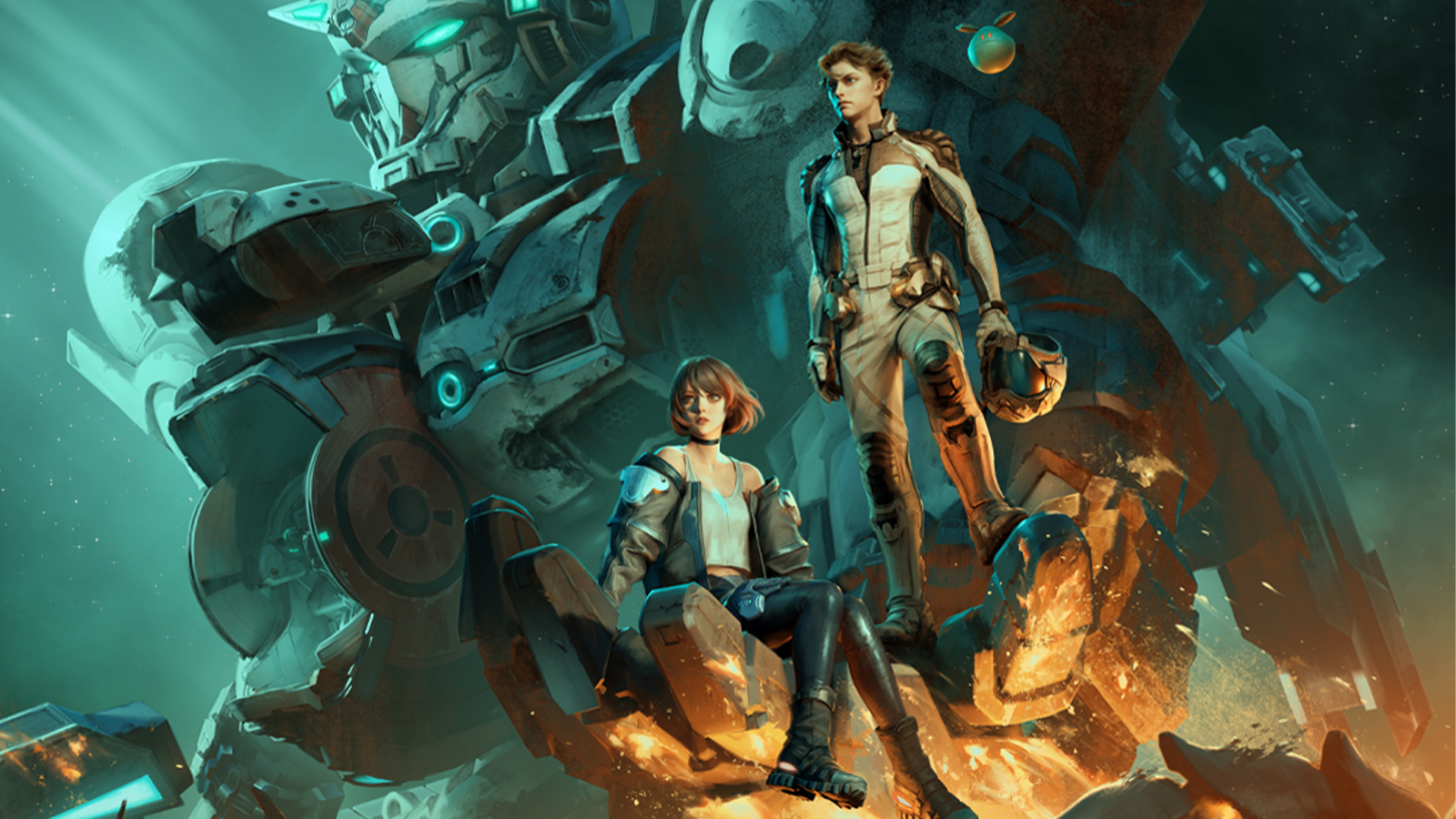
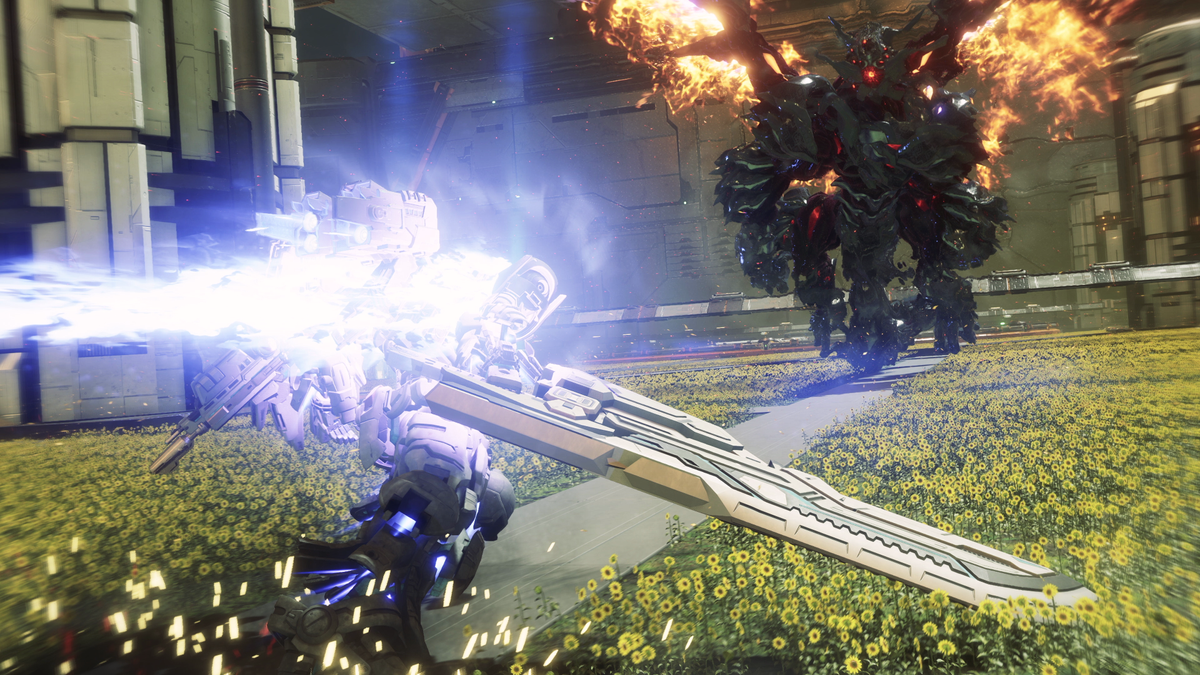
The gameplay is expected to leverage the technological themes of the setting. The inclusion of gravity control as a narrative element suggests that Gundam Rogue Orbit may feature highly vertical or zero-gravity combat mechanics that differentiate it from more grounded entries in the series. Furthermore, the concept of "cognitive materialization" hints at deep customization or unique pilot abilities that could allow players to manifest weaponry or defensive systems through their pilot’s mental interface with the Gundam.
The Creative Architecture: Kamiyama and Enjoe
The involvement of Kenji Kamiyama and Toh Enjoe signals a sophisticated, "hard" science fiction tone for the RG Project. Kamiyama is widely respected for his work on Ghost in the Shell: Stand Alone Complex, a series lauded for its intricate political plots and philosophical explorations of humanity’s relationship with technology. His direction suggests that Gundam Rogue Orbit will move away from simple "hero vs. villain" tropes in favor of a complex geopolitical landscape where the survival of the species is at stake.
Toh Enjoe, a physicist-turned-author known for the mind-bending sci-fi of Godzilla Singular Point and The Empire of Corpses, brings a level of scientific rigor to the project. His influence is clearly visible in the "three discoveries" framework, which provides a pseudo-scientific basis for the supernatural-adjacent powers often found in Gundam series (such as Newtype abilities). This creative pairing indicates that Bandai Namco is aiming for a high level of narrative prestige, attempting to capture both the traditional mecha audience and fans of high-concept science fiction.
Synergy with Gunpla and the Gundam Card Game
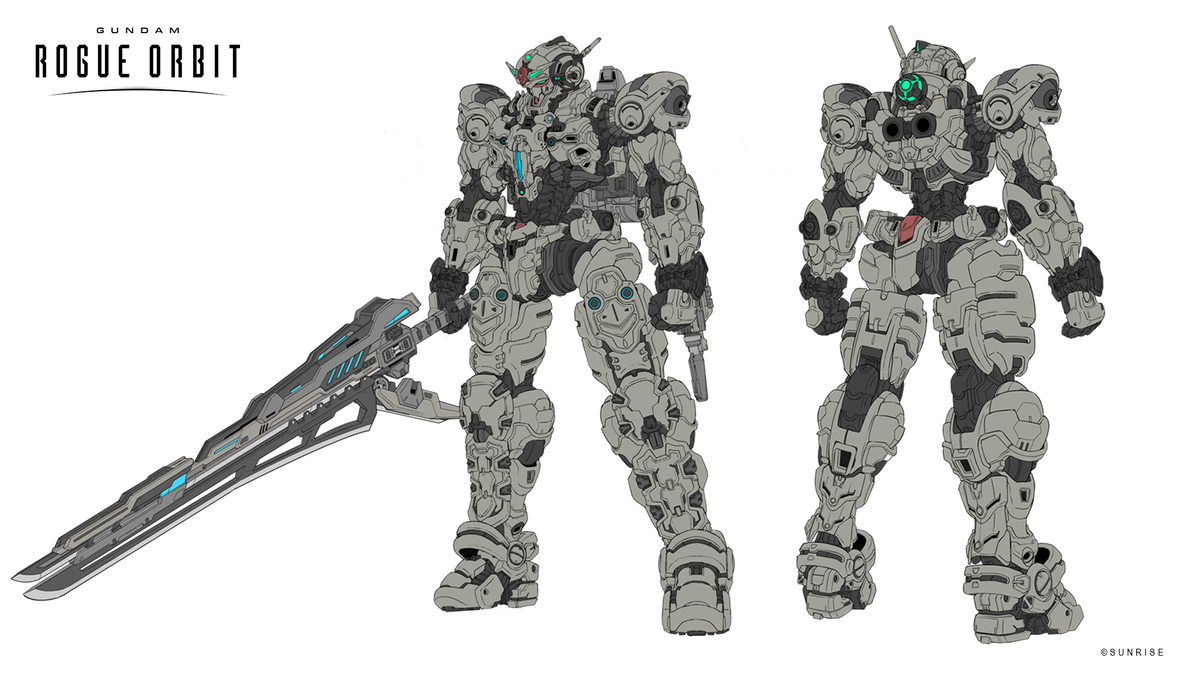
A core component of the RG Project’s business model is the simultaneous release of physical merchandise that is integrated into the world-building process. Alongside the game’s announcement, Bandai Namco revealed the HG 1/144 Gundam Helix, the flagship mobile suit for the new timeline.
Unlike previous development cycles where model kits were designed based on finished animation cells, the Gundam Helix was designed with a "form-follows-function" philosophy that accounts for its appearance in animation, its maneuverability in a game engine, and its structural integrity as a plastic model kit. This "tri-pillar" design approach ensures that the mecha feels grounded and "real" across all formats.
In addition to the Gunpla kits, the project will be supported by the Gundam Card Game. A promotional card featuring the key artwork from Rogue Orbit has already been announced, indicating that the game’s characters and mobile suits will be integrated into Bandai’s competitive card gaming circuit from day one. This cross-pollination is intended to create a "feedback loop" of engagement, where players are encouraged to explore the lore through multiple hobbies.
Historical Context and Market Strategy
The launch of the RG Project comes at a pivotal time for the Gundam franchise. For decades, Gundam has been divided into two main categories: the "Universal Century" (UC), which follows the original 1979 timeline, and "Alternate Universes" (AU), such as Gundam Wing, Gundam SEED, and the recent The Witch from Mercury. While the UC timeline provides long-term stability and nostalgia, the AU titles are essential for bringing in younger, international audiences.
The RG Project appears to be an attempt to create a "Third Way"—a new, high-concept timeline designed from the ground up for a global, multi-platform audience. By moving away from the "anime-first" model, Bandai Namco is acknowledging the growing power of the gaming industry as a primary driver of IP growth. Following the massive success of FromSoftware’s Armored Core VI: Fires of Rubicon, there is a renewed market appetite for complex, high-fidelity mecha action games. Gundam Rogue Orbit is positioned to capitalize on this trend by offering a polished, next-generation experience on PlayStation 5, Xbox Series X|S, and PC.
Chronology of the Gundam Franchise Evolution
- 1979: Mobile Suit Gundam debuts, establishing the "Real Robot" genre and the Universal Century timeline.
- 1980s-1990s: Expansion of the UC timeline (Zeta, ZZ, Char’s Counterattack) and the birth of Alternate Universes (G-Gundam, Gundam Wing).
- 2002: Gundam SEED revitalizes the franchise for the 21st century, leading to a massive surge in Gunpla sales.
- 2010: Gundam Unicorn demonstrates the viability of high-budget OVA (Original Video Animation) projects.
- 2022: The Witch from Mercury becomes a global social media phenomenon, significantly expanding the franchise’s female and international fanbase.
- 2024: Announcement of the RG Project, the first "game-and-anime-first" simultaneous universe development.
- 2027: Scheduled release of Gundam Rogue Orbit.
Broader Impact and Implications for the Industry
The success of Gundam Rogue Orbit and the wider RG Project could serve as a blueprint for other media conglomerates. In an era where "IP is king," the ability to launch a cohesive universe across four different mediums simultaneously is a feat few companies outside of Bandai Namco or Disney can achieve.
From a technical standpoint, the game’s 2027 release date suggests it is being developed with mid-to-late-cycle console hardware in mind, likely utilizing advanced features like hardware-accelerated ray tracing and high-speed SSD streaming to render the vast scales of space colonies and the lunar surface. For fans, the project represents a promise of consistency; the mecha they see in the anime will look, move, and behave exactly like the mecha they control in the game and the models they build on their desks.
As the franchise approaches its 50th anniversary in 2029, the RG Project stands as Bandai Namco’s most ambitious attempt to modernize Gundam for the next half-century. By blending hard sci-fi pedigree with a sophisticated multimedia business strategy, Gundam Rogue Orbit is more than just a game—it is the opening salvo of a new era in digital entertainment.