How a 1955 Tex Avery Cartoon Became the Internet’s Favorite Meme as "The Only Cartoon Ever Made"

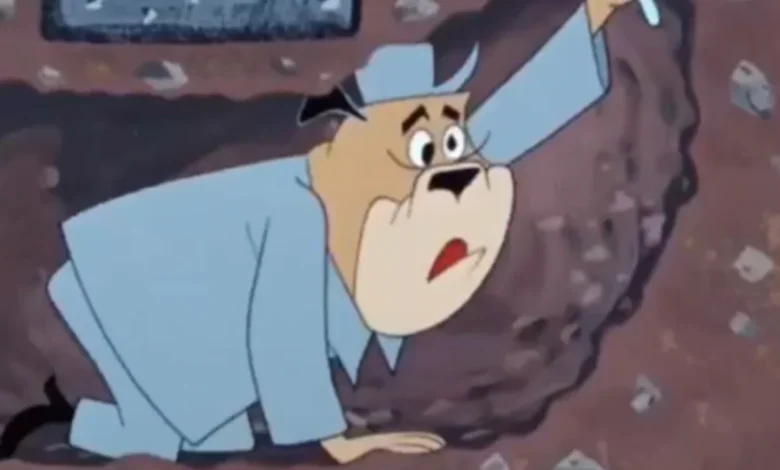
The digital landscape has long operated on cyclical anomalies, where forgotten pieces of media are abruptly thrust into the cultural consciousness by the algorithms of social media platforms. In the final quarter of 2026, internet users witnessed one of the most concentrated viral phenomena of the year centered around an unexpected piece of cinematic history: Cellbound, a 1955 animated short produced by MGM Cartoons and directed by legendary animator Tex Avery. What began as casual reshares of a mid-century slapstick sequence quickly mutated into a massive viral joke across X, formerly Twitter, earning the historic short the tongue-in-cheek moniker, "The only cartoon ever made."
This sudden resurgence has not only introduced classic animation to a younger demographic unfamiliar with the golden age of Hollywood shorts, but it has also highlighted the peculiar mechanics of modern meme culture, where repetition, hyperbole, and communal irony can transform a historical artifact into a ubiquitous online touchstone within a matter of weeks.
Historical Origins and Production Context
To understand the current digital fascination with Cellbound, one must look back to the mid-20th century studio system. Released on November 25, 1955, Cellbound holds a unique place in animation history as the final cartoon directed by Tex Avery for Metro-Goldwyn-Mayer. Avery, renowned for his radical, fast-paced, and surreal style that pushed the boundaries of traditional animation during his tenure at both Warner Bros. and MGM, concluded his illustrious career at the studio with this specific project.
The cartoon centers on Spike—an anthropomorphic Irish bulldog, occasionally referred to in other works as Butch—as he attempts a daring escape from Sing Song Prison. The title itself is a clever play on the word "spellbound," reflecting the comedic tone and visual gags that characterized Avery’s late-period works. Despite Avery’s immense contributions to the medium—including shaping iconic characters like Bugs Bunny, Daffy Duck, and Droopy—Cellbound historically remained a relatively obscure footnote compared to his earlier, widely celebrated masterpieces. For decades, the short existed primarily in television syndication packages and classic animation home video releases, appealing mostly to dedicated film historians and classic cartoon enthusiasts rather than mainstream audiences.
The 2026 Social Media Resurgence and Viral Chronology
The transition of Cellbound from an obscure historical artifact to a viral sensation unfolded gradually throughout the late summer and autumn of 2026. The resurgence was anchored almost entirely by a specific visual sequence from the short: a clip wherein the bulldog character Spike attempts to dig his way out of his prison cell using nothing more than a standard dining spoon.
The modern timeline of the meme’s virality can be traced through several key milestones on X:
On September 22, 2026, user @funcartun published a short excerpt of the prison-digging scene accompanied by the caption, "Kids today don’t understand this level of vibe." The post resonated with early viewers, accumulating over 10,000 likes within a two-month window and establishing the initial template for sharing the clip.
The momentum accelerated significantly on October 13, 2026, when user @Withoutcapt reshared the exact same sequence. Without contextual framing or additional commentary, the clean loop of the animation appealed to the scrolling habits of the platform’s user base, quickly surpassing 24,000 likes in a single month.
The tipping point arrived the following day, October 14, 2026. User @benzenefield quoted the previous post, expressing a mixture of exasperation and humor with the caption, "is there not any other clip of this cartoon." This meta-commentary crystallized the collective observation of the timeline: despite the vast history of animation, only this specific sequence from Cellbound seemed to be circulating across feeds. The post struck a chord, drawing over 39,000 likes in a month and driving millions of cumulative views to the underlying footage.
The Birth of "The Only Cartoon Ever Made"
As the footage was reposted across various accounts, algorithms continually pushed the content to broader audiences, creating an echo chamber of recycled appreciation. To cope with the overwhelming and inescapable presence of the Sing Song Prison escape scene on their timelines, internet users adopted a collective satirical hyperbole, dubbing Cellbound "the only cartoon ever made."
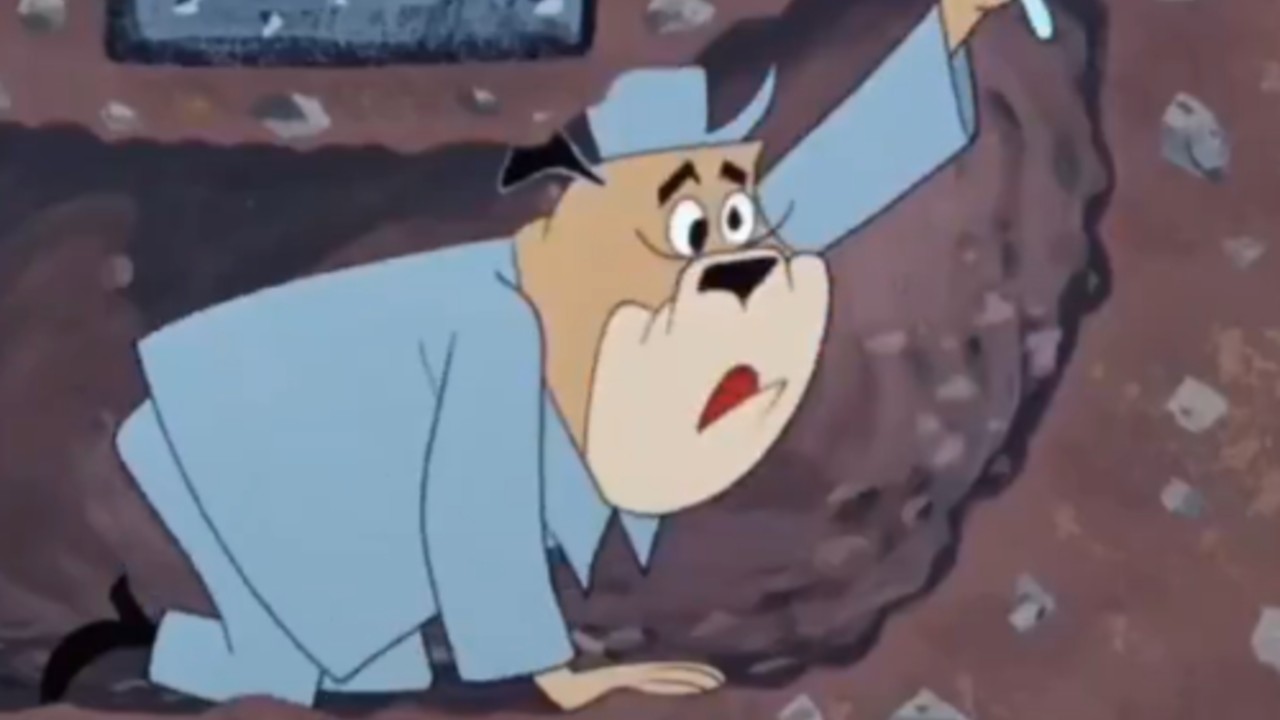
This rhetorical device transformed the annoyance of repetitive content into an expansive, collaborative absurdist joke. Rather than complaining about algorithmic redundancy, the online community leaned into the premise that no other animated works existed in human history. This playful consensus fueled a wave of creative engagement, expanding the meme far beyond simple video reshares into derivative fan works, fictional media extensions, and digital art projects.
Community Creativity, Fan Art, and Faux Media
The self-perpetuating nature of the "only cartoon ever made" joke inspired a diverse array of fan-generated content throughout November 2026, showcasing the internet’s capacity for rapid-fire collaborative world-building:
On November 9, 2026, X user @BoggerLogger capitalized on the trend by sharing what was presented as archival production material, writing, "Found Media: The concept art behind the only cartoon ever made." The post featured vintage model sheets labeled "Prod 291 MODEL SHEET No. 20 CELL-Bound HOUND," generating over 15,000 likes in three days and briefly tricking casual scrollers into believing rare historical assets had been uncovered.
Continuing the fictional media narrative on November 10, 2026, user @mikomoonrider posted a meticulously crafted mockup of retro video game packaging, depicting a fictional Nintendo Game Boy title titled "Cellbound Official Game Boy Game Pak." The nostalgic graphic resonated with retro gaming enthusiasts, securing over 2,600 likes in two days.
Later that same day, user @ElSecondLin contributed traditional illustrations inspired by the short, publishing original character sketches with the caption, "fanart of the only cartoon ever made," which quickly surpassed 20,000 likes.
On November 11, 2026, user @thepeakestdude pushed the technical format further by publishing a seamless looping edit of the animation accompanied by the self-referential caption, "the only LOOPING ever made," accumulating thousands of likes within twenty-four hours.
Implications and Cultural Impact
The sudden viral lifecycle of Cellbound offers a fascinating case study in how digital platforms interact with archival art. In an era dominated by instantaneous content creation and algorithmically curated feeds, historical media is frequently stripped of its original chronological and artistic context. Instead of being evaluated as Tex Avery’s farewell project for MGM in 1955, Cellbound was temporarily repurposed as a blank canvas for postmodern internet irony.
However, media analysts and animation historians note a silver lining to such bizarre digital renaissances. While the framing of the meme relies on playful hyperbole—treating the short as if it were the sum total of human animation—the underlying result is a massive influx of public awareness directed
toward classic cinema. Millions of internet users who would otherwise never encounter mid-century theatrical shorts were exposed to the distinct comedic timing, draftsmanship, and directional brilliance of Tex Avery.
Furthermore, the phenomenon demonstrates the resilience of traditional 2D animation within modern digital ecosystems. Even decades after the closure of the classic studio animation departments, the expressive movement, exaggerated character design, and timeless physical comedy of characters like Spike the bulldog retain an innate capability to capture human attention across generations.
As internet trends continue to evolve at an unpredictable pace, the legacy of Cellbound has been permanently altered in the digital lexicon. What began as a forgotten 1955 MGM short is now enshrined in internet lore, ensuring that—at least within the bounds of digital culture—Tex Avery’s final studio creation will long be remembered, ironically or otherwise, as the foundational text of animation history.
Related posts: