LimeWire’s Radical Reinvention: Pioneering a New Era of Generative AI Content and Creator Monetization

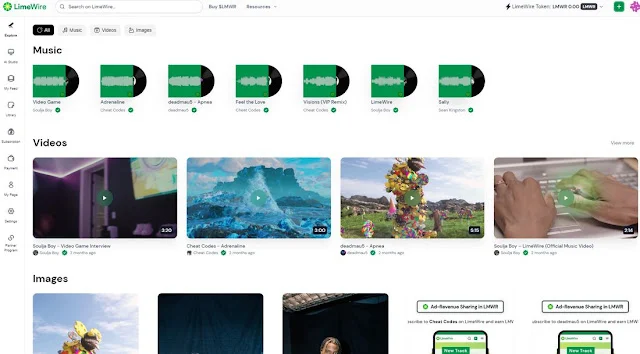
In a significant pivot from its controversial past, LimeWire has re-emerged as a sophisticated generative AI content publishing platform, fundamentally transforming its identity within the rapidly evolving digital landscape. This strategic reinvention positions LimeWire not merely as another entrant in the crowded field of AI tools, but as a comprehensive ecosystem designed to empower creators with innovative capabilities for content generation, sharing, and monetization. The platform currently focuses on AI-powered image creation, with ambitious plans to integrate AI music and video generation tools, aiming to offer a holistic suite for multimedia artists and enthusiasts.
From File-Sharing Infamy to AI Innovation: A Comprehensive Transformation
The name LimeWire once evoked memories of the early 2000s, synonymous with the free, albeit legally contentious, peer-to-peer file-sharing networks that revolutionized digital media consumption. Launched in 2000, the original LimeWire gained immense popularity by enabling users to share music, movies, and software globally, contributing to the widespread disruption of traditional media distribution models. However, its success was shadowed by intense legal battles, particularly from the Recording Industry Association of America (RIAA), which accused the platform of facilitating massive copyright infringement. These protracted legal challenges culminated in 2010 with a federal court injunction that effectively shut down the service, marking the end of an era for the iconic file-sharing application.
More than a decade later, the brand has been resurrected, not as a defiant resurgence of its former self, but as a completely reimagined entity tailored for the Web3 and artificial intelligence epoch. This radical transformation underscores a profound shift in technological focus and ethical alignment. The new LimeWire positions itself at the intersection of generative AI, blockchain technology, and the creator economy, offering a stark contrast to its predecessor by emphasizing verifiable ownership, transparent monetization, and empowering creators through legitimate, cutting-edge tools. The pivot reflects a broader industry trend where established digital brands seek to adapt and innovate within new technological paradigms, leveraging brand recognition while shedding past controversies.
Democratizing Creativity with Advanced AI Image Generation
At the core of the new LimeWire’s offerings is its robust AI Studio, currently dedicated to advanced image generation. The platform integrates leading AI models, including Stable Diffusion 2.1, Stable Diffusion XL, and DALL-E 2. These models represent the vanguard of generative AI technology, allowing users to transform textual prompts into intricate and diverse visual outputs. Stable Diffusion, known for its open-source nature and flexibility, enables users to generate high-quality images with remarkable detail and artistic fidelity. Stable Diffusion XL (SDXL) further enhances this capability, offering improved image quality, more intricate detail generation, and better prompt understanding. DALL-E 2, developed by OpenAI, is celebrated for its ability to create highly imaginative and conceptually diverse images from natural language descriptions.
LimeWire’s interface is designed to accommodate users of all skill levels, from novices experimenting with simple word prompts to experienced artists crafting complex, multi-layered instructions. This accessibility is crucial for democratizing AI art, allowing individuals without specialized artistic or coding skills to produce professional-grade visuals. A key differentiator of the LimeWire AI Studio is its seamless integration of various AI models and an extensive array of design styles. Users can effortlessly switch between different aesthetic modes, exploring options such as cinematic realism, vibrant digital art, nostalgic pixel art, expressive anime, and the distinctive textures of analog film. Each style imbues the generated art with a unique visual identity, providing unparalleled creative flexibility and enabling artists to realize a broad spectrum of artistic visions.
Beyond foundational models and style presets, LimeWire is also investing in its future by actively developing a proprietary AI model. This commitment signals a long-term strategy to differentiate its offerings, potentially leading to unique functionalities, optimized performance, and a distinctive artistic signature that sets LimeWire apart in the competitive AI art market. Additional features such as samplers for fine-tuning image quality, extensive customization options, and intuitive prompt guidance further enhance the user experience, making the creative process both powerful and user-friendly.
Pioneering a New Creator Economy: Monetization Through NFTs and Ad Revenue
One of the most compelling aspects of the revitalized LimeWire platform is its innovative approach to creator monetization, deeply integrated with Web3 principles. Unlike many traditional content platforms where creators often struggle to earn substantial income, LimeWire offers multiple avenues for generating revenue, fostering a more equitable and sustainable creator economy.
Upon completing an AI-generated creation, users are given the option to publish their content. A standout feature is the platform’s automated Non-Fungible Token (NFT) minting process. Creators can choose to mint their digital artworks on either the Polygon or Algorand blockchain. This automatic minting transforms a digital file into a unique, verifiable asset on a decentralized ledger, establishing irrefutable proof of ownership and authenticity. Polygon, an Ethereum scaling solution, is favored for its lower transaction fees and faster processing times compared to the main Ethereum network, making NFT minting more accessible and cost-effective for a broader user base. Algorand offers similar benefits, known for its speed, security, and low transaction costs, providing creators with robust and efficient blockchain options.
The integration of NFTs is particularly significant in the context of generative AI, where the ease of replication often raises questions about originality and ownership. By minting content as NFTs, LimeWire ensures that creators retain verifiable ownership of their unique AI-generated pieces, transforming digital art into valuable, tradable assets. Creators have full control over the accessibility of their NFT creations, choosing between public release, which allows global discovery and potential trading by enthusiasts, or an exclusive release for premium subscribers, fostering an intimate connection with dedicated fans.
Furthermore, LimeWire introduces a groundbreaking royalty system. Each time a creator’s NFT content is traded on the secondary market within the LimeWire community, the original creator earns a 2.5% royalty. This mechanism ensures that artists continue to benefit from the ongoing value and popularity of their work, establishing a sustainable income stream that rewards long-term engagement and artistic merit.
Beyond NFT sales and royalties, LimeWire implements an ad revenue sharing model that is remarkably favorable to creators. When published content is viewed by other users on the platform, creators receive 70% of all ad revenue generated from their images, music, and videos. This substantial revenue share significantly surpasses the industry standards of many conventional platforms, where creators often receive a much smaller percentage, if any, from advertising. This model directly incentivizes active content creation and engagement, offering a tangible financial reward for contributing to the platform’s ecosystem. For designers and artists, this presents a unique opportunity to experiment with AI tools, share their innovative creations, and simultaneously earn a meaningful income.
LMWR Tokens: Fueling the Ecosystem
The financial backbone of LimeWire’s creator economy is the LMWR token, the platform’s native cryptocurrency. All earnings from ad revenue and other monetization avenues are paid out to creators monthly in LMWR tokens. This integration of a proprietary cryptocurrency underscores LimeWire’s commitment to the Web3 ethos, providing a decentralized and transparent method of value transfer.
LMWR tokens are designed with practical utility within and beyond the LimeWire ecosystem. Creators can easily trade their earned LMWR tokens on various popular cryptocurrency exchange platforms, including Kraken, ByBit, and UniSwap, providing liquidity and convertibility into other digital or fiat currencies. Internally, LMWR tokens can also be used to pay for prompts and access advanced features when utilizing LimeWire’s generative AI tools, creating a circular economy where earnings can be reinvested into further creative endeavors. This dual functionality as both a reward mechanism and an operational currency strengthens the token’s value proposition and fosters deeper engagement within the community.
Tiered Access and Future Expansion: AI Music and Video
LimeWire offers a flexible pricing structure designed to cater to a wide range of creators, from casual hobbyists to professional artists. The platform provides a free tier, allowing new users to explore its AI capabilities with 10 free credits daily, enabling the generation of up to 20 AI images per day. This free access also includes a 50% share of ad revenue, providing an accessible entry point into the creator economy.
For more committed creators, LimeWire offers several premium subscription plans, each designed to provide enhanced benefits:
- Basic Plan ($9.99/month): Includes 1,000 credits per month (up to 2,000 image generations), early access to new AI models, and a 50% ad revenue share.
- Pro Plan ($29/month): Offers 3,750 credits per month (up to 7,500 image generations), early access to new AI models, and an increased 60% ad revenue share.
- Premium Plan ($49/month): Provides 5,000 credits per month (up to 10,000 image generations), early access to new AI models, and a significant 70% ad revenue share.
- Platinum Plan ($99/month): The highest tier, offering 11,250 credits per month (up to 22,500 image generations), early access to new AI models, and the maximum 70% ad revenue share.
All premium plans come with additional advantages, including a ‘Pro profile badge’ for enhanced visibility, full creation history access, faster image generation speeds, and an ad-free user experience. This tiered approach ensures that creators can scale their usage and benefits according to their needs and creative output, maximizing their potential on the platform.
Looking ahead, LimeWire has outlined ambitious plans to broaden its generative AI offerings beyond images. The platform intends to introduce AI music and video generation tools in the near future. This strategic expansion is poised to transform LimeWire into a comprehensive multimedia creation hub, offering even more avenues for artistic expression and audience engagement. The integration of AI-powered music and video tools could empower musicians to compose original scores, filmmakers to generate unique visual sequences, and content creators to produce entirely new forms of digital media, further solidifying LimeWire’s position as a dynamic and evolving platform in the AI-powered content creation landscape. The potential for artists like Deadmau5, Soulja Boy, and Sean Kingston, who have already embraced LimeWire for publishing NFT music, videos, and images, to leverage these forthcoming tools is immense, promising an exciting future for AI-driven multimedia content.
Broader Implications and The Future of Creative Ownership
LimeWire’s reinvention represents a significant case study in how legacy brands can adapt to emerging technologies and address past criticisms by building platforms that prioritize creator empowerment and ethical monetization. Its focus on democratizing creative tools, combined with robust monetization strategies, positions it as a potentially disruptive force in the creative industries. By lowering the barrier to entry for AI content creation and providing clear pathways for earning revenue, LimeWire could foster a new generation of digital artists and content producers.
The platform’s emphasis on NFTs and blockchain technology also speaks to a larger shift towards verifiable digital ownership in an era where AI can generate and replicate content with unprecedented ease. NFTs offer a crucial mechanism for attributing unique value and provenance to digital assets, ensuring that creators retain rights and financial benefits from their work. This model addresses a fundamental challenge of the internet age: the difficulty of asserting ownership over easily copied digital files.
However, challenges remain. The broader adoption of Web3 technologies, including cryptocurrencies and NFTs, is still in its nascent stages, and market volatility can impact creator earnings. Ethical considerations surrounding AI-generated content, such as issues of originality, attribution, and potential misuse, are also ongoing industry discussions that platforms like LimeWire will need to navigate carefully.
In conclusion, LimeWire’s journey from a notorious file-sharing service to a pioneering generative AI content platform marks a remarkable transformation. By integrating advanced AI tools with a robust blockchain-backed monetization framework, LimeWire is actively shaping a new creator economy where digital artists can not only unleash their creative potential but also genuinely own and profit from their innovations. As the platform continues to evolve, particularly with the anticipated launch of AI music and video generation capabilities, it promises to be a pivotal player in the ongoing convergence of artificial intelligence, blockchain, and the future of digital creativity.